Best Winter Motorcycle Tires of 2026
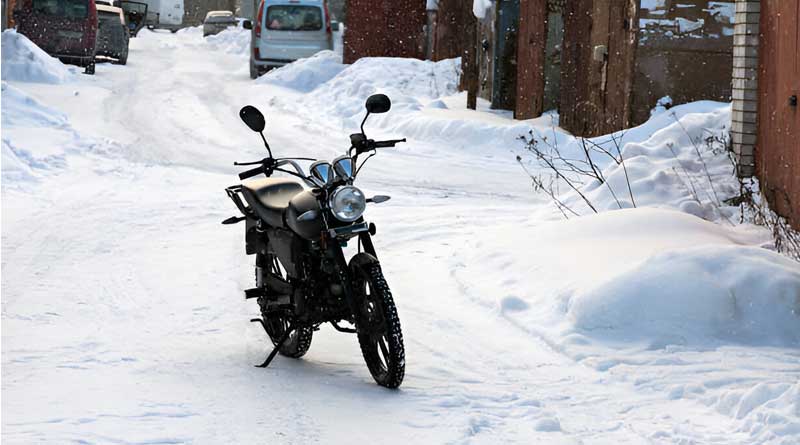
Winter motorcycle tires are made for tough conditions. They offer better traction, control, and safety. With the right tires, you can ride with more confidence. This guide will help you find the best winter motorcycle tires. We’ll look at their features, pros, and what to consider. Whether you’re commuting or going on long rides, the right tires matter. Stay safe, warm, and steady on the road. Let’s explore the best winter tires for your motorcycle.
1. Pirelli Angel ST 120/70ZR17 Front & 180/55ZR17 Rear
- Front Tire Size: 120/70ZR17 (58W)
- Rear Tire Size: 180/55ZR17 (73W)
- Type: Sport Touring, Tubeless
- Performance: Enhanced grip, stability, and durability in varied conditions
Pirelli’s Angel ST tire set is engineered for riders seeking top-tier performance through all seasons, especially during winter. Designed for sport touring motorcycles, this set blends long-distance durability with responsive grip. The innovative compound and tread pattern provide excellent traction even in wet and cold environments, making it ideal for unpredictable winter rides. The front and rear tires work in tandem to offer a stable and confidence-inspiring ride.
These tires deliver consistent performance on long highway stretches and winding roads alike. They resist wear remarkably well, making them suitable for extended use without compromise. The dual-compound construction ensures that the center of the tire resists flattening while the edges maintain agility in corners. Overall, the Angel ST tires strike a strong balance between safety and thrill, even in chilly climates.
Pros:
- Superior wet and cold weather traction
- Long-lasting durability
- Stable performance on high-speed rides
- Good cornering ability
Cons:
- Slightly stiff ride on rougher terrain
- Premium price range
2. Shinko 777 Rear H.D. 170/80B-15 White Wall
- Tire Size: 170/80B-15 (83H)
- Load Index: 83H (Heavy-Duty)
- Sidewall Style: White Wall
- Usage: Cruiser motorcycles
The Shinko 777 Rear Heavy-Duty tire stands out as an ideal option for cruiser riders venturing out during winter. This tire is built with a robust construction that supports heavier touring bikes while delivering stable handling in colder temperatures. The tread design incorporates deep grooves, allowing for excellent water evacuation and grip on slick roads.
In terms of aesthetics, the white wall side adds a vintage touch, perfect for classic cruiser enthusiasts. Performance-wise, it holds up admirably in cool and wet climates, providing ample feedback and control. It’s particularly effective for short- to mid-range winter rides where temperature drops don’t compromise safety.
Pros:
- Classic white wall design
- Good wet-weather performance
- Heavy-duty construction for touring bikes
- Affordable price point
Cons:
- Limited high-speed stability
- Not suitable for sport-style cornering
3. Dunlop D404 Rear 170/80-15 Black Wall
- Tire Size: 170/80-15 (77H)
- Sidewall: Black Wall
- Designed for: Cruisers and Standard bikes
- Tread: Offset center groove for stability
The Dunlop D404 Rear tire is built to endure winter roads with confidence, especially for cruiser-style motorcycles. Its bias-ply construction offers solid load-carrying capacity and dependable handling. The offset center groove in the tread pattern effectively disperses water, which significantly reduces the chances of hydroplaning on wet, cold surfaces.
This tire excels in comfort and traction, thanks to a compound tailored for varied conditions, including chilly asphalt. It’s not meant for aggressive riding but shines in providing a steady and smooth experience. If your winter rides are more about control than speed, the D404 won’t disappoint.
Pros:
- Reliable in cold, wet conditions
- Comfortable ride on highways
- Excellent for straight-line stability
- Budget-friendly
Cons:
- Not ideal for spirited cornering
- Treadwear may increase with aggressive use
4. Pirelli Diablo Rosso II 120/70 ZR17 Front & 160/60 ZR17 Rear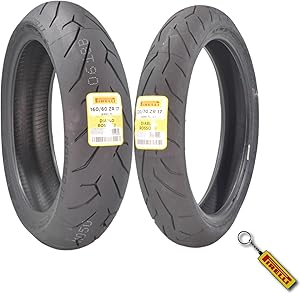
- Front Tire Size: 120/70ZR17 (58W)
- Rear Tire Size: 160/60ZR17 (69W)
- Type: Sport tire, Tubeless
- Recommended for: Road Use Only
The Diablo Rosso II from Pirelli is designed for sport riders who don’t hibernate their bikes in winter. Built with bi-compound technology and EPT (Enhanced Patch Technology), this set maximizes contact area and grip in colder temperatures. The tires heat up quickly, making them ideal for short winter rides or spirited commutes.
Its wet traction capabilities are impressive, with a tread pattern that evacuates water effectively. While performance is top-tier, these tires are better suited to those who ride regularly in milder winter regions rather than extreme cold. Bonus: it comes with a keychain—nice touch for brand loyalists.
Pros:
- Excellent grip in cooler temps
- Quick warm-up time
- Enhanced cornering stability
- Sporty performance for road use
Cons:
- Not intended for icy conditions
- Wears faster under heavy load
5. Dunlop D404 Front 100/90-19 Black Wall
- Tire Size: 100/90-19 (57H)
- Sidewall: Black Wall
- Fitment: BMW F650 (1997–1999) and similar
- Construction: Bias-ply
A reliable front tire for winter cruising, the Dunlop D404 (Front) delivers solid road-holding abilities even in less-than-ideal conditions. The tread design enhances traction on both dry and wet roads, while its construction supports smooth steering response and consistent feel.
Designed specifically for older models like the BMW F650, it maintains composure during winter rides where surface temperatures and grip become critical. It’s not flashy, but it delivers dependable, safe, and quiet operation—hallmarks of a good winter touring tire.
Pros:
- Stable in wet and cold conditions
- Smooth ride with reduced vibration
- Good steering feedback
- Reliable for older bike models
Cons:
- Limited cornering performance
- May not match modern tire technologies
6. Michelin Commander II Rear 150/80-16
- Tire Size: 150/80-16
- Type: Reinforced Cruiser Rear Tire
- Designed for: Heavy Bikes
- Compound: Long-lasting silica-based rubber
The Michelin Commander II is tailored for cruiser bikes needing a tough, long-lasting tire during winter. With its reinforced design, this tire manages to deliver excellent mileage without sacrificing grip. The silica-infused compound is key to its winter readiness, enhancing traction on cold and damp roads.
Its unique design ensures water dispersion, helping reduce skidding and slipping. Riders who clock serious mileage even during winter will appreciate its dependable ride quality and ruggedness. For a cruiser enthusiast who doesn’t want to store their bike during winter, this tire is a solid investment.
Pros:
- Outstanding mileage
- Strong winter traction
- Suitable for heavier bikes
- Reinforced construction for extra stability
Cons:
- Pricier than some alternatives
- Slightly rigid on uneven surfaces
7. Pirelli Angel ST 180/55ZR17 Rear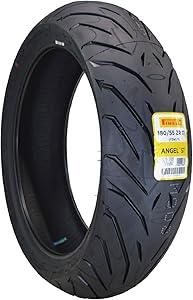
- Tire Size: 180/55ZR17 (73W)
- Type: Sport Touring, Tubeless Rear
- Tread: Silica compound for wet grip
- Compatibility: Sport and Touring Bikes
This standalone rear tire from the Angel ST lineup by Pirelli is engineered for high-performance in challenging climates. The silica-based compound gives it an edge in wet and cold traction, making it a winter-ready tire for spirited riders. It’s ideal for motorcycles used in commuting, long tours, or even weekend rides.
Performance is consistent, with reliable handling in corners and straights. The tread pattern and compound ensure fast water evacuation, which boosts confidence on rainy winter days. As a rear tire, it pairs well with a matching front for best results but also performs admirably on its own.
Pros:
- Reliable winter grip
- Excellent tread life
- Ideal for touring and sport use
- Smooth ride on highways
Cons:
- Best when paired with matching front
- May feel firm on bumpy roads
How to Choose Winter Motorcycle Tires
Riding a motorcycle during winter can be an exhilarating experience—but it’s also risky without the proper equipment. The most crucial component for safe winter riding is your motorcycle tires. Unlike all-season or summer tires, winter motorcycle tires are specifically engineered to provide optimal grip, control, and durability in cold temperatures, wet roads, and even light snow.
Whether you’re a year-round commuter or an adventure rider, this comprehensive guide will help you understand how to choose the right winter motorcycle tires for your bike, riding style, and local climate.
Why Winter Motorcycle Tires Matter
Standard motorcycle tires are made from rubber compounds that perform best in warm or moderate temperatures. Below 7°C (45°F), these compounds harden, reducing traction. In contrast, winter tires feature softer rubber blends that stay flexible in cold weather, improving grip and control. They also often have:
-
Tread patterns designed to channel water and slush
-
Deeper grooves for better snow displacement
-
Sipes (small slits) to increase surface grip on icy or wet surfaces
Key Factors to Consider When Choosing Winter Motorcycle Tires
1. Tire Type (Tread and Compound)
There are several types of motorcycle tires designed for winter conditions:
-
Winter-specific street tires: Ideal for cold pavement and wet roads, these maintain grip at low temperatures.
-
Dual-sport or adventure tires: Designed for riders who might encounter snow, mud, and off-road conditions.
-
Studded tires: Best suited for icy conditions, especially in regions with frequent snow and ice. Some regions require removable studs to comply with road laws.
Tip: Avoid racing or sport tires for winter—they’re optimized for warm, dry conditions.
2. Rubber Compound
Look for tires labeled “M+S” (Mud + Snow) or those marked as winter tires by manufacturers. These tires contain special silica-based compounds that remain pliable in freezing temperatures. Softer rubber means better road contact and reduced risk of slipping.
3. Tread Pattern and Depth
Tread plays a crucial role in expelling water, slush, and snow from beneath the tire. Deeper and wider grooves reduce hydroplaning and increase grip. Winter tires also have siping—tiny cuts that create extra biting edges for better traction on slippery roads.
Note: Aggressive tread patterns are ideal for snowy conditions, while more subtle patterns suit urban environments where roads are cleared regularly.
4. Tire Size and Fit
Always check your motorcycle’s manual for recommended tire sizes. Mounting the wrong size can alter handling, suspension behavior, and even compromise safety.
-
Front and rear tires often differ in size and function—never mix mismatched types or brands unless approved by the manufacturer.
-
Consider if your motorcycle frame can accommodate slightly wider tires for more contact patch, but only within approved tolerances.
5. Radial vs. Bias Ply Construction
-
Radial tires offer better performance at higher speeds and heat dissipation, making them ideal for highway winter riding.
-
Bias ply tires are more rugged and often used in off-road or adventure bikes where stability is prioritized over speed.
If you’re commuting daily on well-paved roads, radial winter tires are usually the better option. For rural or mixed terrains, bias ply may serve you better.
6. Studded vs. Non-Studded Tires
-
Studded tires offer incredible grip on ice and packed snow. Metal studs dig into the road surface for added traction.
-
Non-studded tires are more road-friendly and suitable for light winter use or when conditions are more wet than icy.
Warning: Not all regions allow studded tires on public roads due to potential road damage. Always check local regulations before buying.
7. Durability and Wear
Winter tires may wear out faster due to their softer compounds, especially if used in warm temperatures. Look for:
-
Durability ratings from manufacturers
-
Customer reviews that reflect real-world performance in similar climates
-
Load and speed ratings suitable for your motorcycle and riding style
8. Brand and Quality
Stick to reputable tire brands known for winter performance, such as:
-
Pirelli (Angel ST, MT60 RS)
-
Michelin (Road 6, Anakee Adventure)
-
Continental (TKC 70 Rocks, ContiRoadAttack 3)
-
Heidenau (K60 Scout)
-
Shinko (705 Series, 777 White Wall for cruisers)
While budget options may be tempting, investing in premium tires ensures reliability, grip, and safety.
Additional Tips for Winter Riding
Even the best winter tires require proper maintenance and cautious riding. Keep these best practices in mind:
-
Check tire pressure regularly – Cold weather can cause tire pressure to drop, affecting traction and control.
-
Warm up your tires – Ride gently for the first 5–10 minutes to let your tires reach an optimal temperature.
-
Avoid sudden acceleration and hard braking – Especially important on icy or snowy roads.
-
Stay within speed limits – Reduced traction means longer stopping distances.
-
Use tire warmers if racing or riding on track in cold weather – Keeps tires in their ideal performance range.
Frequently Asked Questions (FAQs)
Q1: Can I use winter motorcycle tires all year round?
A: It’s not recommended. Winter tires wear faster in warm temperatures due to their soft rubber compound.
Q2: Are all-season motorcycle tires good for winter?
A: They offer moderate winter performance but lack the specialized grip of true winter tires.
Q3: How long do winter motorcycle tires last?
A: With proper care, 3,000 to 8,000 miles depending on riding conditions and tire type.
Q4: Can I just replace the rear tire with a winter one?
A: No. Both tires should be matched to ensure consistent handling and traction.
Final Thoughts
Choosing the right winter motorcycle tires is vital for safety, performance, and peace of mind. Assess your climate, riding conditions, and motorcycle type before making a decision. Investing in high-quality winter tires not only improves traction but also protects you and your motorcycle from the perils of winter roads.
When in doubt, consult a professional mechanic or tire specialist. Your winter adventures depend on a firm grip—make sure your tires are up to the task.