Cycling Safety Tips and Precautions for Every Rider
Cycling is a fun, healthy, and eco-friendly way to get around—but it’s not without its risks. Whether you’re commuting to work, riding through the countryside, or just enjoying a weekend ride, safety should always come first. Every cyclist, beginner or experienced, can benefit from a quick refresher on the best safety practices. In this post, we’ll share essential cycling safety tips and precautions to help you stay safe, visible, and confident on the road or trail.
Wear the Right Safety Gear
The most important step in cycling safety is wearing the proper gear. A good helmet is essential—it protects your head in case of a fall or collision. Make sure it fits snugly and is certified (look for standards like CPSC or EN 1078). Never ride without one, even on short trips.
Gloves are another smart choice. They improve your grip on the handlebars and protect your hands if you fall. Reflective clothing or bright colors make you more visible to drivers, especially at dawn, dusk, or during poor weather. If you ride long distances, padded shorts can also reduce discomfort and prevent chafing.
Check Your Bike Before Every Ride
A quick bike check can prevent serious problems later. Before you head out, inspect your brakes—make sure they’re responsive and not worn down. Check your tires for proper pressure and look for any cracks or punctures. A well-lubricated and clean chain ensures smoother pedaling and less wear on your bike parts.
Don’t forget to test your front and rear lights, especially if you’ll be riding in low light. Reflectors should be clean and properly positioned. Lastly, make sure your seat height and handlebars are adjusted for comfort and control. It’s also a good idea to carry a small repair kit with a spare tube, tire levers, and a mini pump.
Be Visible at All Times
One of the biggest risks for cyclists is not being seen by drivers. To stay safe, always make yourself as visible as possible. Use a bright white front light and a red rear light, even during the day. Flashing lights are especially effective in catching a driver’s attention.
Wearing reflective gear, such as vests, ankle bands, or stickers on your bike and helmet, also helps in low-light conditions. Choose brightly colored clothing that stands out against the road. At night, avoid riding in areas with poor lighting unless absolutely necessary, and never assume a driver has seen you—ride as if they haven’t.
Follow Road Rules and Signals
Cyclists must follow the same traffic rules as motorists. That means stopping at red lights, obeying stop signs, and yielding when required. Riding predictably and legally not only keeps you safe but also helps drivers understand your movements.
Use clear hand signals to indicate turns or stops—this gives others time to react. Always ride in the same direction as traffic, not against it. Stay in designated bike lanes when available, and be aware of local cycling laws, as they can vary from place to place. Being a law-abiding rider builds respect between cyclists and drivers on the road.
Stay Alert and Aware
Staying focused is key to avoiding accidents. Keep your eyes on the road and be aware of your surroundings at all times. Avoid distractions like using your phone or wearing headphones, as they reduce your ability to hear traffic or respond quickly to hazards.
Watch out for road dangers such as potholes, wet leaves, gravel, or drain covers, which can cause slips or crashes. Be extra cautious at intersections, where many accidents happen—make eye contact with drivers if possible, so they know you’re there. Staying alert helps you react faster and ride more confidently.
Ride Defensively
When you’re on a bike, it’s best to ride like no one sees you. Defensive cycling means being cautious and expecting the unexpected. Don’t assume drivers will give way or follow the rules. Stay out of blind spots, especially near large vehicles like buses or trucks.
Avoid riding too close to parked cars to prevent getting hit by suddenly opened doors. Keep a safe distance from vehicles and never weave between traffic. Make your movements predictable and stay in a straight line when possible. A defensive mindset helps you stay one step ahead of potential danger.
Use Designated Bike Lanes When Possible
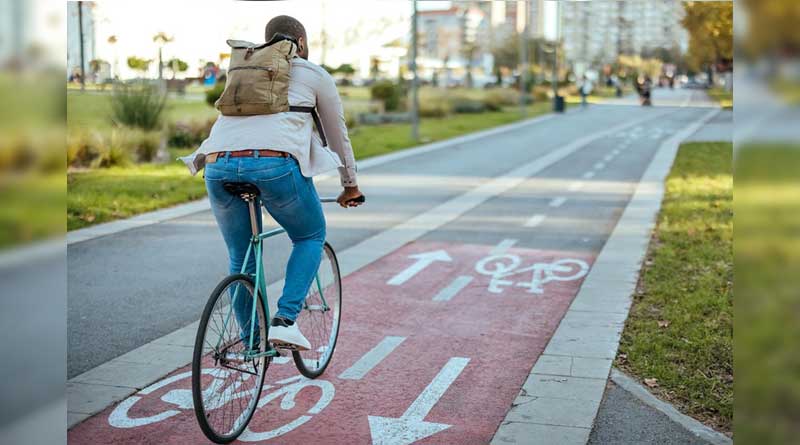
Bike lanes are designed to offer a safer space for cyclists, separated from fast-moving traffic. Whenever available, use them—it’s usually safer and often required by local laws. These lanes reduce the chances of close passes by vehicles and give you more room to ride comfortably.
However, stay alert even in bike lanes. Watch for pedestrians, parked cars, or vehicles crossing the lane to turn. If the lane is blocked or unsafe (e.g., due to debris or roadwork), it’s okay to leave it temporarily—but always do so with caution and proper signaling.
Stay Safe in All Weather Conditions
Weather can change quickly, and it affects both your bike and how you ride. In rainy conditions, roads become slippery, especially on painted lines, metal grates, and leaves. Brake earlier than usual, as stopping distances increase on wet surfaces. Use fenders to stay dry and maintain better visibility.
Dress appropriately for the conditions. Wear waterproof jackets, gloves, and shoe covers in the rain. In cold weather, layer your clothing to stay warm without overheating. Use lights and reflectors even during daylight hours in foggy or gloomy weather. Always adjust your riding style based on visibility and road conditions.
Stay Hydrated and Energized
Long rides can be physically demanding, especially in warm weather. Dehydration and fatigue can affect your concentration and reaction time, increasing the risk of accidents. Always carry a water bottle and take regular sips, even if you don’t feel thirsty.
For longer rides, bring a light snack like an energy bar or a banana to keep your energy levels steady. If you’re planning a multi-hour ride, schedule short breaks to rest and refuel. Listening to your body and staying properly hydrated helps you stay focused and ride more safely.
Teach Kids and New Riders the Basics
If you’re cycling with kids or beginners, make sure they understand the basics of bike safety. Start with supervised rides in quiet areas like parks or residential streets. Teach them how to use hand signals, watch for traffic, and stay alert to their surroundings.
Ensure their bike fits properly and is equipped with lights, reflectors, and a well-fitted helmet. Practice stopping, turning, and starting safely. Building good habits early on creates confident, cautious cyclists. The more they learn from the start, the safer they’ll be on busier roads later.