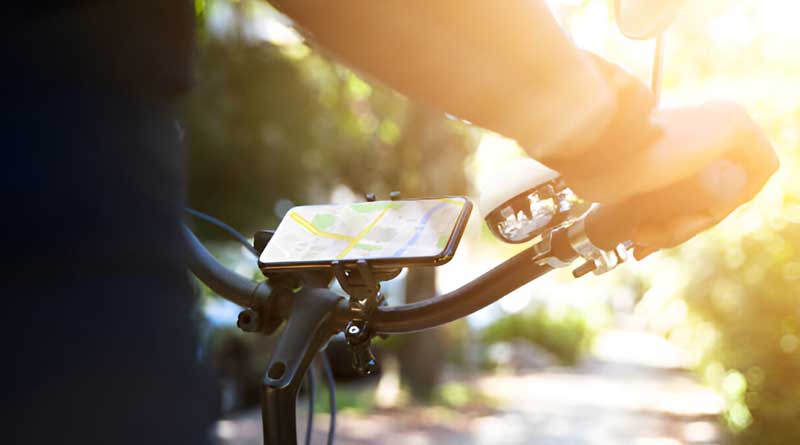
Best Budget Cycling GPS of 2025
Cycling is more fun when you can track your rides. A cycling GPS helps you see speed, distance, and routes. Many people think GPS devices are too expensive. But there are many budget options that work well. These affordable devices give accurate data and easy navigation. They also help improve training and make rides safer. You don’t need to spend a lot to enjoy smart features. A budget cycling GPS can guide you on city roads or trails. It can track progress and keep your rides organized. In this article, we share the best budget cycling GPS choices for you.
1. Garmin Edge 540
-
Display: 2.6-inch high-resolution screen with button controls
-
Battery Life: Up to 26 hours in standard mode, 42 hours in battery saver mode
-
Connectivity: ANT+, Bluetooth, WiFi support
-
Navigation: Advanced turn-by-turn navigation with targeted adaptive coaching
The Garmin Edge 540 is a compact GPS cycling computer that balances robust performance with simplicity. Its button-based control system appeals to cyclists who prefer precision over touch controls, especially in wet or rugged conditions. The adaptive coaching system is a standout, providing personalized training insights based on your ride performance and goals. With Garmin’s reliable mapping system, riders can confidently explore new routes and manage navigation with ease.
The Edge 540 is built for cyclists who want both advanced data metrics and long-term reliability. Its durable build and impressive battery life make it ideal for endurance riders and adventurers. The integration with Garmin’s Connect app further enhances its usability, enabling in-depth analysis post-ride. While the screen is smaller than premium models, it provides all the necessary clarity for ride stats and navigation without distractions.
Pros
-
Strong battery life with multiple modes
-
Reliable Garmin navigation and mapping features
-
Personalized adaptive coaching for training optimization
-
Rugged build and precise button controls
Cons
-
No touchscreen functionality
-
Slightly smaller display compared to competitors
2. GEOID CC600
-
Display: Color screen with clear visibility in sunlight
-
GPS: 5-second fast positioning with re-routing features
-
Connectivity: Bluetooth and WiFi enabled for syncing
-
Training: Supports indoor training integration
The GEOID CC600 offers a budget-friendly yet feature-rich option for cyclists who want smart navigation without overspending. Its color display provides good readability, while the rapid 5-second GPS positioning ensures you start your ride quickly. Route navigation with re-routing is particularly handy for riders who often explore unfamiliar paths, as it adjusts routes seamlessly when you stray off course. WiFi and Bluetooth connectivity make data syncing fast and efficient, eliminating unnecessary delays.
This GPS cycling computer is especially attractive to riders who value indoor-outdoor versatility. The free indoor training support is a great addition, allowing seamless workout tracking year-round. The interface feels intuitive, even for beginners, though some cyclists may find the device lacks the premium polish of higher-end models. Its compact form factor, affordable price point, and reliable core performance make it an appealing mid-tier GPS solution.
Pros
-
Affordable price with strong navigation features
-
Quick GPS positioning and smooth re-routing
-
Indoor training compatibility included
-
Lightweight and easy to use
Cons
-
Build quality not as premium as top competitors
-
Battery life shorter compared to high-end models
3. iGPSPORT BSC200S
-
Screen: 2.4-inch LCD with anti-glare coating
-
Waterproof Rating: IPX7 for all-weather use
-
Connectivity: Bluetooth and ANT+ compatibility
-
Navigation: Wireless route navigation support
The iGPSPORT BSC200S is designed for riders who want simplicity, durability, and essential smart features. Its compact 2.4-inch screen is easy to read in bright sunlight, and with IPX7 waterproofing, it holds up well against rain and splashes. The inclusion of ANT+ and Bluetooth connectivity ensures compatibility with a wide range of sensors, from heart rate monitors to cadence sensors, which expands its usability beyond casual cycling.
Route navigation is straightforward, and though not as advanced as higher-end computers, it serves well for basic guidance. The lightweight design and straightforward interface make it beginner-friendly, yet it still provides enough data for more serious riders. The battery performance is modest, but sufficient for regular training sessions. The BSC200S is ideal for riders seeking a budget-friendly, waterproof, and easy-to-use GPS unit without sacrificing core connectivity.
Pros
-
Compact and lightweight design
-
Strong waterproofing for all-weather cycling
-
Wide sensor compatibility via ANT+ and Bluetooth
-
Easy-to-read display with anti-glare feature
Cons
-
Limited navigation capabilities compared to premium models
-
Average battery life
4. Bryton Rider S510
-
Screen: 2.8-inch full-color LCD touchscreen
-
Battery Life: Up to 30 hours on a single charge
-
Mapping: Preloaded USA offline maps with turn-by-turn navigation
-
Connectivity: ANT+, Bluetooth, radar compatibility
The Bryton Rider S510 brings an excellent balance of navigation and performance features to mid- to high-level cyclists. Its 2.8-inch touchscreen offers crisp visibility, and the offline maps feature is especially useful for riders who prefer exploring without constant reliance on mobile data. With radar compatibility, it integrates well with safety accessories, making it a versatile and safety-conscious choice.
The S510 also impresses with its long battery life of 30 hours, ensuring coverage for long-distance rides or multi-day adventures. Navigation accuracy and real-time reactivity are strong, giving riders confidence even on complex routes. The interface is intuitive, though it may take a few rides to get used to compared to simpler models. Overall, the Rider S510 delivers a premium experience without an overly premium price tag, making it a top contender in its category.
Pros
-
Excellent 30-hour battery life
-
Preloaded offline maps for convenient navigation
-
Touchscreen interface is sharp and responsive
-
Compatible with bike radar for enhanced safety
Cons
-
Slight learning curve for new users
-
Bulkier than some compact competitors
5. iGPSPORT iGS630S
-
Screen: 2.8-inch smart color display
-
Battery Life: Up to 45 hours on one charge
-
Navigation: Advanced map navigation with climb planning
-
Connectivity: ANT+, Bluetooth, and wireless data sync
The iGPSPORT iGS630S is built for endurance cyclists and adventure riders. With a massive 45-hour battery life, it significantly outlasts many competitors, making it an excellent choice for ultra-distance riders or bikepackers. Its climb planning feature stands out, offering detailed insights into gradients and elevation, which is especially helpful for those tackling hilly terrains. The navigation experience is smooth and responsive, providing clarity throughout challenging routes.
The unit itself feels robust, with a large but manageable 2.8-inch display that shows essential ride metrics clearly. The wireless syncing makes data transfer convenient, and compatibility with third-party apps adds to its appeal. While it doesn’t have the absolute premium feel of Garmin or Wahoo models, it delivers outstanding value and functionality, especially for endurance-focused cyclists who prioritize battery longevity and detailed navigation.
Pros
-
Exceptional 45-hour battery life
-
Climb plan feature is highly useful for hilly rides
-
Strong navigation performance with offline maps
-
Reliable wireless connectivity
Cons
-
Interface feels less polished than top-tier models
-
Slightly bulky for minimalist cyclists
6. iGPSPORT BSC300T
-
Screen: Touch-enabled display with offline map support
-
Navigation: Off-course warning and re-routing
-
Battery Life: Extended runtime suitable for long rides
-
Compatibility: Works with Insta360 cameras and e-bikes
The iGPSPORT BSC300T is a versatile GPS cycling computer that blends navigation, safety, and smart integration. The touchscreen display allows intuitive interaction, while the offline map navigation ensures you can explore without constant connectivity. A standout feature is the off-course warning, which quickly alerts riders when they stray from their planned route, helping avoid wasted time. Additionally, compatibility with Insta360 cameras makes it appealing to cyclists who love documenting their rides.
For e-bike riders, the BSC300T is particularly relevant, as it integrates seamlessly with e-bike systems, displaying essential stats alongside ride metrics. The navigation accuracy is reliable, and the overall user experience is smooth once configured. While it may not have the massive battery endurance of some competitors, it provides a balanced package that suits both recreational and more advanced riders.
Pros
-
Handy off-course alerts for navigation accuracy
-
Insta360 compatibility for ride documentation
-
Touchscreen interface is user-friendly
-
Strong e-bike integration features
Cons
-
Battery life shorter than ultra-endurance models
-
Touchscreen can be less responsive in wet conditions
7. COROS DURA Solar GPS
-
Screen: 2.7-inch MIP color touchscreen
-
Battery Life: 120 hours GPS with solar charging
-
Navigation: Turn-by-turn guidance with dual-frequency GPS
-
Connectivity: Syncs with Strava, Ride with GPS, and Komoot
The COROS DURA Solar GPS sets itself apart with unparalleled battery life and solar charging capabilities. Delivering up to 120 hours of GPS runtime, it’s practically unbeatable for endurance cyclists, gravel adventurers, or long-distance touring riders. The dual-frequency GPS ensures accuracy even in dense forests or urban environments, making it reliable in challenging terrains. Its turn-by-turn navigation is straightforward and integrates seamlessly with popular platforms like Strava and Komoot.
The 2.7-inch MIP display is designed for clarity in direct sunlight, and the touchscreen is responsive without being overly sensitive. Beyond navigation, the DURA Solar excels in data synchronization, allowing quick uploads and detailed post-ride analysis. While it’s on the pricier side, the investment is justified for riders who prioritize durability, autonomy, and reliability in extreme conditions. For bikepackers and ultra-distance cyclists, this device is close to flawless.
Pros
-
Industry-leading 120-hour solar-assisted battery life
-
Extremely accurate dual-frequency GPS
-
Seamless app integration with Strava and Komoot
-
Built tough for endurance and adventure cycling
Cons
-
Higher price point
-
Slightly heavier than compact GPS units
How to Choose the Best Budget Cycling GPS
Cycling has evolved far beyond just being a mode of transport or a weekend hobby. Today, it’s a lifestyle, a sport, and a fitness regimen rolled into one. Whether you’re a casual rider, commuter, or budding endurance cyclist, one piece of gear that can significantly enhance your rides is a cycling GPS. However, high-end models can be very expensive. Thankfully, there are budget-friendly cycling GPS devices that still deliver reliable performance. The key is knowing how to choose the best budget cycling GPS without compromising on essential features.
In this guide, we’ll break down what matters most in a budget cycling GPS, the features you should prioritize, and tips to find the best value for your money.
Why a Cycling GPS Matters
At first glance, you might wonder if you really need a cycling GPS when your smartphone already has maps and fitness apps. While phones can work, they aren’t always practical. Smartphones drain battery quickly, are vulnerable to weather, and mounting them securely on handlebars can be tricky. Cycling GPS devices, on the other hand, are purpose-built for rides. They provide:
-
Accurate tracking of speed, distance, and route
-
Longer battery life than smartphones
-
Durable and weather-resistant designs
-
Integration with sensors like heart rate monitors or cadence sensors
-
Safety features like incident detection (in some models)
Even budget models offer most of these core functions, making them a smart investment.
Key Factors to Consider When Choosing a Budget Cycling GPS
When shopping for a budget cycling GPS, it’s important to strike a balance between affordability and functionality. Here are the top considerations:
1. Price Range
“Budget” can mean different things to different people. In general, budget cycling GPS units fall between $50 to $200. Devices under $100 usually cover the basics—speed, distance, and route tracking. Models in the $100–$200 range often add advanced navigation, Bluetooth connectivity, and training features. Decide your budget first, then look for the best feature set within that range.
2. Essential Tracking Features
Even at a lower price point, you should expect a cycling GPS to cover the basics:
-
Speed and distance tracking – must-have for training or fitness goals.
-
Route recording – lets you review your rides or upload them to platforms like Strava.
-
GPS accuracy – check reviews to ensure the device doesn’t lose signal often.
Some budget models also allow turn-by-turn navigation, which is very useful if you explore new routes.
3. Battery Life
Battery life is a critical factor, especially if you enjoy long rides. Many budget cycling GPS devices last between 8 to 20 hours on a single charge. If you typically ride short commutes, even 8 hours may be fine. But for weekend tours or endurance rides, aim for 15+ hours.
4. Connectivity Options
Budget doesn’t have to mean outdated. Many affordable GPS units now include:
-
Bluetooth – to sync with your phone for live tracking or notifications.
-
ANT+ – to connect with external sensors like cadence, speed, or heart rate monitors.
-
App compatibility – with platforms like Strava, TrainingPeaks, or Komoot.
If you want performance tracking, sensor compatibility is a must-have, even in a budget device.
5. Screen and Usability
A clear display is vital for quick glances while riding. Consider:
-
Screen size – Larger screens are easier to read but add weight.
-
Touchscreen vs. buttons – Touchscreens are convenient, but buttons often work better in rain or with gloves.
-
Backlight – Important for early morning or night rides.
A budget GPS won’t have the vibrant color maps of premium models, but it should be bright and simple enough to use while riding.
6. Durability and Weather Resistance
Cycling means exposure to unpredictable conditions. Look for devices with at least an IPX7 water-resistance rating, which means they can withstand rain and splashes. A rugged build is also helpful to handle vibrations and shocks on rough roads or trails.
7. Navigation Features
Navigation is where budget devices vary the most. Some only record where you’ve been, while others offer basic navigation like breadcrumb trails (a line showing your route). Higher-end budget options may include turn-by-turn directions, rerouting, or downloadable maps.
If navigation is important for you, make sure your GPS supports GPX file uploads, so you can follow pre-planned routes.
8. Data Storage and Syncing
Even budget cycling GPS devices should allow you to store multiple rides and sync them later. Look for:
-
USB transfer – basic but reliable.
-
Wireless syncing – more convenient if the device supports Bluetooth or Wi-Fi.
-
App support – helps you analyze your rides and share them instantly.
9. Ease of Mounting
Most cycling GPS units come with handlebar or stem mounts. Check if the mount is sturdy and easy to attach/detach. Some brands also support third-party mounts, giving you more flexibility in positioning.
10. Extra Features
Some budget-friendly devices surprise with additional features, such as:
-
Live tracking for safety
-
Smartphone notifications for calls and texts
-
Training metrics like VO2 max, recovery time, or structured workouts
These are nice to have but shouldn’t be prioritized over core performance if you’re on a tight budget.
Tips for Buying the Best Budget Cycling GPS
-
Read Reviews and Comparisons – User reviews often reveal real-world pros and cons that aren’t obvious in specs.
-
Check for Firmware Updates – A good budget device should receive updates to fix bugs or add features.
-
Consider Refurbished or Previous Models – Last year’s mid-range model may offer better features at the same price as a new entry-level device.
-
Prioritize Your Needs – Don’t pay extra for features you won’t use. For example, if you never ride in unfamiliar areas, advanced navigation may not be necessary.
-
Test Before You Buy (If Possible) – Some cycling stores allow demos so you can try screen visibility and interface before purchase.
Budget Cycling GPS vs. Smartphone Apps
It’s worth comparing budget GPS units with cycling apps on smartphones. While apps like Strava or Komoot can track rides for free, they rely on your phone’s battery and may not be as accurate. Dedicated GPS devices are more reliable, durable, and tailored for cycling. However, if you’re just starting out, testing the waters with your phone before upgrading to a GPS can be a cost-effective strategy.
Final Thoughts
Choosing the best budget cycling GPS doesn’t mean settling for less. By focusing on essential features like accuracy, battery life, durability, and connectivity, you can find a device that supports your cycling goals without draining your wallet. Remember, the right cycling GPS is not about having the flashiest screen or endless features—it’s about enhancing your rides with reliable tracking, simple navigation, and convenience.
Whether you’re training for fitness, commuting daily, or exploring new routes, a well-chosen budget GPS will keep you on track, motivated, and safe. Think of it as a cycling partner that helps you ride smarter, not just harder.