Best Fat Bike Tires for Snow of 2025
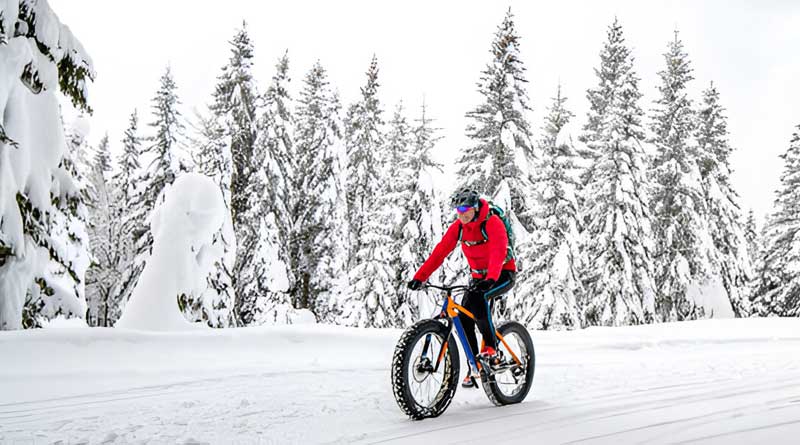
Riding a fat bike in snow is exciting, but the right tires make all the difference. Fat bike tires are designed to give better grip, balance, and control on slippery, snowy trails. Without them, your ride can feel unsafe and tiring. These wide tires spread your weight, so you don’t sink into soft snow. They also improve stability and reduce slips, helping you ride with confidence. Choosing the best fat bike tires for snow depends on tread, width, and durability. In this guide, we’ll highlight the top options. Each tire is tested for snowy conditions to ensure performance, comfort, and reliability.
1. MOHEGIA Fat Bike Tire
-
Size Options: 20×4.0 inch / 26×4.0 inch
-
Tread Pattern: All-terrain folding design suitable for street and trail
-
Material: Durable high-quality rubber with strong sidewalls
-
Compatibility: Fits most fat bikes and mountain bikes
The MOHEGIA Fat Bike Tire is designed for riders who want versatility across snow, sand, and rugged trails. Its 4-inch wide design provides superior traction in soft terrains while ensuring a smoother ride on hard-packed trails and streets. The folding bead construction makes installation easier and ensures that storage and transport are hassle-free. The aggressive tread pattern grips well in slippery conditions, giving confidence to both beginner and experienced riders.
For snow biking, this tire performs exceptionally well by providing stability and preventing excessive slipping. On dry trails, it maintains durability without wearing out quickly. It’s also a budget-friendly option compared to other premium fat bike tires while still delivering reliability in diverse riding conditions. Riders looking for an all-around tire for year-round adventures will find this a dependable choice.
Pros:
-
Strong grip on snow, sand, and mud
-
Easy to install and foldable for convenience
-
Affordable compared to other fat bike tires
-
Durable and long-lasting rubber compound
Cons:
-
Not as puncture-resistant as premium models
-
Heavier than some lightweight alternatives
2. Happy Ebikes Allscape 26×4.0 Fat Bike Tires (2 Pack)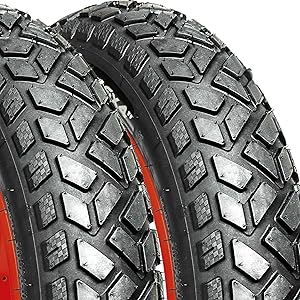
-
Size: 26×4.0 inch
-
Package: Includes 2 tires for replacement or dual upgrades
-
Tread: Directional all-terrain pattern for snow, sand, and trail
-
Build: Heavy-duty rubber for e-bikes and mountain bikes
The Happy Ebikes Allscape 26×4.0 Fat Bike Tires are built for durability and maximum traction in challenging terrains. Designed specifically for snow and sand, the directional tread enhances forward momentum and prevents slippage, making them a great choice for winter biking. The two-pack option offers excellent value, ensuring riders always have a spare or can upgrade both wheels at once.
These tires excel in supporting e-bikes, which often require stronger, more resilient tires due to additional motor torque and rider loads. They absorb bumps well and deliver a smoother ride across rough terrain. While the rubber is heavy-duty, it still offers enough flexibility for good cornering control. These tires are ideal for riders who prioritize stability and long-lasting performance on snow trails.
Pros:
-
Excellent traction in snow and sand
-
Heavy-duty build suitable for e-bikes
-
Two-pack offers great value
-
Stable and reliable performance
Cons:
-
Heavier than standard MTB tires
-
Slightly more difficult to mount due to stiffness
3. Hycline Fat Bike Replacement Tire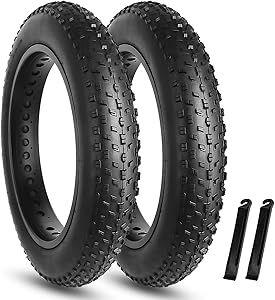
-
Size: Available in 20×4.0 / 26×4.0 inches
-
Tread: Puncture-resistant, high-density pattern
-
Design: Folding bead for easier storage and installation
-
Terrain: Optimized for street, trail, and snow use
The Hycline Fat Bike Replacement Tire focuses on durability and puncture resistance, making it a reliable option for snow biking. Its wide surface and aggressive tread pattern ensure that riders can glide through snow without losing balance. The high-density construction enhances resilience, ensuring fewer flats and reduced wear over time, which is a crucial factor for snow and trail conditions.
Riders will appreciate its balance of traction and smoothness, as it adapts well to both snowy trails and urban streets. Unlike some heavier fat tires, the Hycline model is relatively lighter, which aids in maneuverability without compromising stability. Whether you’re replacing old tires or upgrading to puncture-resistant models, this tire is a solid investment for long-term cycling adventures.
Pros:
-
Strong puncture resistance
-
Smooth yet grippy ride on snow and trails
-
Lightweight compared to other fat tires
-
Foldable bead makes it easy to install
Cons:
-
Not the most aggressive tread for deep snow
-
Can wear faster on paved roads
4. MEGHNA Fat Bike Tire
-
Size: 20/24 x 3.0 inch
-
Tread: Knobby anti-slip design for snow and kids’ bikes
-
Build: Foldable bead construction
-
Application: Suitable for snow bikes and children’s fat bikes
The MEGHNA Fat Bike Tire is a smaller-width option designed mainly for kids’ fat bikes or lightweight snow bikes. Its 3-inch width still delivers stability, while the knobby tread pattern ensures a solid grip on icy or muddy surfaces. Despite its smaller size, it performs impressively in providing stability for younger riders, keeping them secure during winter cycling.
This tire is particularly well-suited for snow biking because of its anti-slip design. The foldable construction adds convenience, making it easy to carry as a spare. Though it is not as wide as typical 4-inch fat tires, it is an affordable and effective replacement option for riders seeking traction in snowy environments without needing bulky tires.
Pros:
-
Lightweight and foldable design
-
Ideal for kids’ fat bikes
-
Strong grip in snow with anti-slip tread
-
Affordable replacement tire
Cons:
-
Narrower than standard fat tires
-
Limited suitability for heavy riders or large bikes
5. LEFELWEL Fat Bike Tire Replacement Kit
-
Size Options: 20×4.0 / 26×4.0 inch
-
Kit Includes: Tires, tubes, and tire levers
-
Design: Folding bead for e-bikes and fat bikes
-
Terrain: Designed for snow and mountain biking
The LEFELWEL Fat Bike Tire Replacement Kit offers a complete solution for riders, including not just the tires but also tubes and tire levers. This makes it a convenient all-in-one package, especially for e-bike users who want to upgrade or replace their snow biking tires. The wide design ensures stability, while the tread pattern grips well in both snowy and muddy conditions.
This kit stands out for its value since it provides everything you need for installation without requiring additional purchases. The folding bead makes transport and installation simple. It is particularly well-suited for e-bike riders, as the robust construction can withstand added weight and torque. For snow biking enthusiasts who want a complete and durable upgrade, this kit is an excellent choice.
Pros:
-
Complete kit with tubes and levers included
-
Strong grip in snow and mountain conditions
-
Durable construction for e-bikes
-
Easy to install and replace
Cons:
-
Heavier than single tire-only options
-
Limited tread aggressiveness for extreme snow
6. ULTRAVERSE 20×4 E-Bike Fat Tire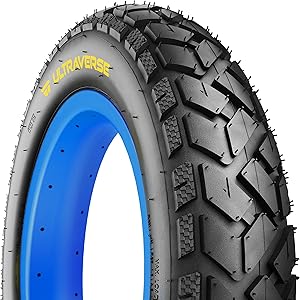
-
Size: 20×4.0 inch
-
Tread: All-terrain directional pattern
-
Build: High-density robust rubber for durability
-
Compatibility: Ideal for e-bikes and MTBs
The ULTRAVERSE 20×4 Fat Tire is a performance-oriented option designed for e-bikes and mountain bikes. Its directional tread ensures efficient traction in snow while maintaining stability on harder trails. The compact 20-inch size makes it suitable for smaller fat bikes or folding e-bikes, which often require strong yet lightweight tires.
This tire’s biggest strength is its resilience. The high-density rubber resists punctures and wears well even under heavy loads, making it perfect for e-bike riders. It strikes a good balance between traction, rolling efficiency, and longevity. For riders who frequently switch between snow trails and city streets, the ULTRAVERSE tire delivers consistency and confidence.
Pros:
-
Durable and puncture-resistant design
-
Great for smaller fat bikes and e-bikes
-
Strong directional tread for snow stability
-
Compact and easy to store
Cons:
-
Only available in 20-inch size
-
Not as wide as other fat bike options
7. BALINGE Fat Bike Tire
-
Size: 20×4.0 inch
-
Options: Available in 1 or 2-pack with tubes or without
-
Tread: Heavy-duty, wear-resistant pattern
-
Color Choices: Black, white wall, or brown wall designs
The BALINGE Fat Bike Tire is a stylish yet durable option that combines performance with aesthetic appeal. Available in different wall colors, it lets riders customize the look of their fat bikes while ensuring dependable snow traction. The heavy-duty construction and wide design make it a strong contender for winter rides, particularly for e-bike and mountain bike users.
What sets this tire apart is its customization and flexibility in purchase options. Riders can choose single or double packs, with or without tubes, depending on their needs. The tread grips well on snow and ice, offering stability for challenging conditions. It’s also a solid wear-resistant tire, meaning it will last longer even with frequent use in tough environments.
Pros:
-
Stylish wall color options
-
Strong wear resistance and durability
-
Flexible purchase options (with/without tubes)
-
Reliable grip in snow
Cons:
-
Slightly pricier due to design options
-
Heavier than standard MTB tires
How to Choose the Best Fat Bike Tires for Snow
Fat biking has become a thrilling winter sport and a reliable way to keep riding through the coldest months. The wide frames, oversized tires, and rugged design of fat bikes allow cyclists to glide over snow, sand, and soft terrain where regular mountain or road bikes would sink. But when it comes to riding in snow specifically, your choice of tires makes the biggest difference between a smooth, stable ride and a frustrating struggle.
This guide will help you understand how to choose the best fat bike tires for snow, from tread patterns and width to studs and pressure adjustments. Whether you’re a casual winter rider or a serious adventurer taking on snowy trails, the right tire can transform your ride.
Why Fat Bike Tires Matter in Snow
Unlike regular mountain bike tires that range from 2.2” to 2.8” wide, fat bike tires start at about 3.8” and go up to 5.2”. This extra volume allows the tires to run at very low pressures—sometimes as low as 4–5 psi—providing excellent flotation on snow. A good snow tire improves:
-
Traction: Prevents slipping when climbing snowy hills.
-
Stability: Helps maintain balance on icy or uneven terrain.
-
Control: Gives you confidence in cornering without sliding out.
-
Comfort: Absorbs bumps and irregularities on frozen trails.
But not all fat bike tires are the same. Picking the right pair requires understanding a few important factors.
1. Tire Width: Finding the Right Balance
One of the first things you’ll notice about fat bike tires is their width. For snow riding, the most common sizes are between 4.0” and 5.0”.
-
4.0” – 4.5” Tires: Lighter and faster, good for packed snow or groomed trails. These are easier to pedal over long distances.
-
4.8” – 5.0” Tires: Provide maximum flotation, perfect for soft, deep snow where narrower tires would sink. They do add extra rolling resistance, making pedaling harder.
Pro Tip: If your main riding is on packed trails, 4.0”–4.5” is enough. If you like venturing into untouched powder or backcountry snow, go with 4.8”–5.0”.
2. Tread Pattern: Grip vs. Rolling Efficiency
Tread design plays a major role in how your tires perform on snow. There are generally three categories:
-
Low-profile Tread: Smaller knobs for reduced rolling resistance. Ideal for groomed trails and hard-packed snow.
-
Aggressive Tread: Deep, widely spaced knobs that dig into snow for better traction. Perfect for mixed terrain and soft snow.
-
Directional Tread: V-shaped patterns that improve straight-line control and braking.
If you often ride in icy conditions, look for tires with siping (small slits on knobs) that enhance grip. For deep snow, choose a tire with tall, spaced-out knobs that clear snow efficiently.
3. Studded vs. Non-Studded Tires
Studs are tiny metal spikes embedded in the knobs of the tire. They bite into ice, making them a game-changer for slippery winter conditions.
-
Studded Tires: Best for icy trails, frozen lakes, or where ice patches are common. They add security and confidence but increase weight and cost.
-
Non-Studded Tires: Lighter, cheaper, and sufficient for areas with mostly snow and minimal ice.
Pro Tip: If you’re unsure, consider tires with stud-ready casings—you can add studs later when winter gets icy.
4. Tire Pressure: The Key to Flotation
Unlike road or mountain biking, where tire pressure stays relatively consistent, fat biking requires constant adjustment depending on snow conditions:
-
Packed Snow / Trails: 8–12 psi for better rolling efficiency.
-
Soft Snow / Powder: 4–6 psi for maximum flotation.
-
Ice: Slightly higher pressure (10–15 psi) helps studs bite into the surface.
Carrying a small hand pump or pressure gauge is essential because even a difference of 1–2 psi can transform your ride.
5. Casing and Sidewall Protection
Snow may seem soft, but winter riding often involves hidden roots, sharp ice edges, or frozen rocks under the surface. A durable casing and reinforced sidewalls protect your tires from punctures.
-
Single-ply Casings: Lighter, good for racing or smoother trails.
-
Double-ply Casings: Heavier but much more durable for rugged snow rides.
If you’re planning long-distance or backcountry snow adventures, opt for stronger casings to avoid flats in freezing conditions.
6. Weight and Rolling Resistance
The wider and knobbier your tire, the heavier it tends to be. Heavier tires slow you down and make climbing more exhausting, especially in deep snow. On the other hand, ultra-light tires may sacrifice durability.
Finding the balance depends on your riding style:
-
Racers: Lightweight tires with medium tread.
-
Adventurers: Heavier but durable tires with aggressive knobs.
-
Daily Riders: A mid-weight option for both stability and efficiency.
7. Tubeless vs. Tubed Setups
Most modern fat bike tires are tubeless-ready, which offers several benefits in snow:
-
Lower pressures without pinch flats.
-
Better traction and comfort.
-
Self-sealing punctures with sealant.
However, tubeless setups require maintenance, and in extremely cold conditions, the sealant may freeze. Tubed tires are easier to repair in freezing weather but more prone to flats.
8. Popular Fat Bike Tires for Snow
Here are some well-known options riders trust for snow:
-
45NRTH Dillinger 5 Studded – A top choice for icy conditions with aggressive tread and studded grip.
-
Surly Bud and Lou – Wide, aggressive tires for deep snow flotation.
-
Maxxis Minion FBF / FBR – Reliable handling and control for groomed snow trails.
-
Terrene Johnny 5 Studded – Excellent traction with customizable studs.
-
Vee Snowshoe XL – Budget-friendly with great flotation for powder.
9. Matching Tires to Your Riding Conditions
Here’s a quick breakdown:
-
Groomed Snow Trails: Medium-width, low-profile tread, tubeless-ready.
-
Deep Powder: 4.8”–5.0” wide, aggressive tread, durable casing.
-
Icy Terrain: Studded tires with siped knobs, medium pressure.
-
Mixed Winter Conditions: A versatile all-rounder with directional tread and stud-ready design.
10. Budget Considerations
Fat bike tires can be pricey, especially studded versions. A good pair ranges from $150 to $300. To save money:
-
Choose stud-ready tires and add studs later.
-
Buy one pair of premium tires for harsh conditions and a cheaper pair for casual groomed trails.
-
Consider second-hand but check for casing wear and stud damage.
Final Thoughts
Choosing the best fat bike tires for snow isn’t about finding the widest or most aggressive tire—it’s about matching your tires to your riding style, terrain, and weather conditions. If you mostly ride on packed trails, a 4.0”–4.5” tire with light tread will give you speed and efficiency. If you love exploring deep powder, a 4.8”–5.0” monster with aggressive knobs will keep you afloat. And if icy trails are your biggest challenge, studded tires are worth every penny.
Ultimately, the perfect fat bike tire is the one that keeps you riding confidently through winter’s toughest conditions. With the right choice, snow won’t be an obstacle—it’ll be your playground.