Best Winter Cycling Caps of 2026
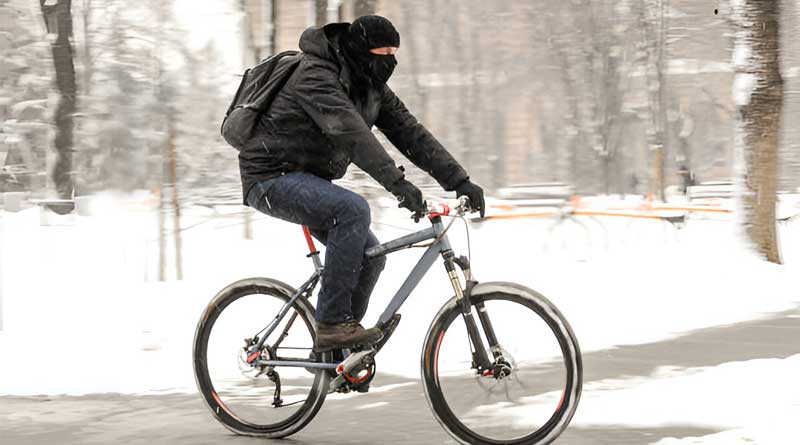
Riding through winter is never easy. The cold bites, the wind stings, and helmets alone can’t fight it. That’s where cycling caps come in. They’re small but powerful, adding warmth without bulk. A good cap shields your head, ears, and even eyes from icy air. Some are thin and light for cool days. Others are insulated for freezing mornings on the road. The right one can mean the difference between cutting a ride short or finishing strong. In this guide, we’ll look at the best winter cycling caps that keep you warm, dry, and ready to ride.
1. ROCKBROS Winter Cycling Caps with Sun Visor
- Material: Windproof thermal fabric
- Feature: Built-in sun visor for eye protection
- Gender: Unisex design
- Helmet Compatibility: Slim fit under helmets
The ROCKBROS Winter Cycling Cap combines warmth and functionality with its windproof material and integrated sun visor. The thermal fabric effectively blocks cold winds, keeping the head warm during winter rides. The addition of a small visor helps shield the eyes from low winter sun or light rain, making it practical for daily commuters and recreational cyclists.
The cap is well-designed for helmet compatibility, as it maintains a slim profile while offering added protection. Its unisex appeal ensures versatility, though riders with larger heads may find the fit tight. While it provides decent insulation, it is best suited for moderate winter temperatures rather than extremely cold conditions.
Pros:
- Windproof material blocks cold air
- Built-in visor for sun and rain protection
- Slim fit for helmets
- Comfortable unisex design
Cons:
- Not ideal for very harsh winter conditions
- Visor may be too small for some preferences
2. SUNMECI Skull Cap

- Material: Windproof outer fabric with plush fleece lining
- Design: Integrated ear covers with extended wind protection
- Breathability: Quick-dry, moisture-wicking inner layer
- Fit & Weight: Ultralight, low-profile fit for helmet compatibility
The SUNMECI Skull Cap is built for cold-weather performance without adding bulk. Its windproof outer layer effectively blocks icy gusts, while the soft fleece lining traps warmth and feels comfortable against the skin. The extended ear coverage is a standout feature, offering reliable protection from cold wind and helping prevent numbness during long rides, runs, or ski sessions. Whether worn alone or under a helmet, the low-profile design sits comfortably without pressure points, making it suitable for cycling commutes or high-energy winter training.
What really sets this skull cap apart is its balance between warmth and breathability. The moisture-wicking inner fabric pulls sweat away quickly, keeping your head dry and reducing that clammy feeling common with winter headwear. Even during intense activity, it manages heat well and avoids overheating. Its ultralight, packable construction makes it easy to stash in a pocket or pack, ready for sudden weather changes. Designed as a unisex option, it also makes a practical winter gift for anyone who enjoys outdoor activities in harsh conditions.
Pros
- Excellent wind and ear protection
- Warm fleece lining without bulk
- Breathable and quick-drying fabric
- Fits comfortably under helmets
Cons
- Not fully waterproof
- Limited insulation for extreme sub-zero temperatures
3. MELASA Skull Cap Helmet Liner Beanie
-
Material: Breathable cooling mesh fabric
-
Fit: One-size-fits-most, stretches to head shape
-
Helmet Compatibility: Designed to fit under cycling helmets
-
Gender: Unisex (men and women)
The MELASA Skull Cap Helmet Liner Beanie is a lightweight and breathable option ideal for cyclists who want an under-helmet liner that balances comfort with performance. Made from cooling mesh fabric, it helps wick away sweat while maintaining airflow, making it suitable for both winter and transitional weather. Its flexible design ensures a snug yet comfortable fit without adding bulk under helmets, which is essential for long-distance rides.
While marketed as a winter cap, its cooling fabric makes it more versatile for multiple seasons. Riders who sweat heavily will appreciate its moisture-wicking capability, but those in extreme cold might find it insufficiently insulating. For mild winter conditions or high-intensity cycling where overheating is a concern, this beanie works exceptionally well.
Pros:
- Lightweight and breathable mesh
- Fits comfortably under helmets
- Suitable for men and women
- Good sweat-wicking performance
Cons:
- Not very warm in freezing conditions
- Limited windproofing
4. Hikenture Skull Cap Helmet Liner with Glasses Holes
- Material: Thermal fleece fabric
- Unique Feature: Glasses holes for hassle-free wear
- Fit: One-size-fits-most stretch design
- Helmet Compatibility: Slim design fits under helmets
The Hikenture Skull Cap Helmet Liner is an intelligently designed winter cycling cap featuring built-in glasses holes. This makes it particularly practical for cyclists who wear eyewear, preventing uncomfortable pressure or fogging. The thermal fleece fabric provides warmth without being overly bulky, allowing it to slip under helmets easily. Its snug fit ensures the cap stays in place even during long rides or high winds.
This cap is excellent for cold-weather commuting and recreational cycling. The fleece lining traps warmth effectively, while the design prioritizes comfort and convenience for glasses wearers. However, it may not be ideal for extreme sub-zero temperatures since it lacks heavy insulation. Riders who need a warm yet breathable cap with eyewear-friendly features will find this an excellent option.
Pros:
- Glasses holes prevent pressure and fogging
- Warm thermal fleece lining
- Comfortable under helmets
- Secure fit for active use
Cons:
- Not ideal for extremely cold weather
- Limited moisture-wicking ability
5. MELASA Thermal Skull Cap Helmet Liner Hat with Face Cover
- Material: Thermal fabric with fleece lining
- Design: Integrated balaclava-style face cover
- Glasses Holes: Yes, for easy eyewear use
- Helmet Compatibility: Designed for helmets and motorcycles
The MELASA Thermal Skull Cap with Face Cover provides cyclists with full-face protection in harsh winter conditions. The integrated balaclava-style mask shields the nose, mouth, and chin, making it an excellent choice for riders facing cold winds or snowy environments. The thermal fabric and fleece lining keep warmth close to the skin while ensuring adequate breathability during extended rides.
Its design is particularly useful for motorcyclists and winter cyclists who need both insulation and wind protection. The addition of glasses holes ensures compatibility with goggles or cycling glasses. While versatile, some riders may find the full-face design restrictive for lighter rides or warmer winter days. Overall, it’s best suited for extreme weather cycling and outdoor sports.
Pros:
- Full-face protection against wind and cold
- Glasses holes enhance comfort
- Warm and breathable fleece lining
- Suitable for cycling and motorcycling
Cons:
- Too warm for mild conditions
- Face cover may feel restrictive
6. Tahoma Hat Lightweight Winter Cap with Earflaps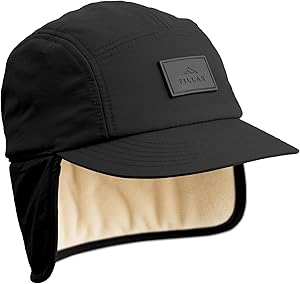
- Material: Insulated lightweight fabric
- Ear Protection: Built-in earflaps
- Adjustment: Spring cord for custom fit
- Usage: Multi-purpose winter cap for outdoor sports
The Tahoma Winter Cap stands out with its built-in earflaps and adjustable spring cord, providing extra protection against cold winds while ensuring a secure fit. Its lightweight insulated design keeps the head warm without causing overheating, making it suitable for cycling, hiking, or general outdoor winter use. The earflaps are particularly useful for cyclists who ride in windy environments.
Thanks to its adjustable fit, the Tahoma cap accommodates different head sizes comfortably. Its multi-purpose design means it can transition easily from cycling to other outdoor activities. However, because it is not a helmet liner cap, riders may struggle to fit it under tighter helmets. It works best for casual winter riding rather than intense cycling.
Pros:
- Earflaps offer extra warmth
- Adjustable spring cord for secure fit
- Lightweight yet insulated
- Suitable for multiple outdoor activities
Cons:
- May not fit comfortably under helmets
- Not ideal for extreme cold cycling
7. Tough Outfitters Thermal Helmet Liner
- Material: Thermal microfiber fleece
- Fit: One-size-fits-most stretch design
- Helmet Compatibility: Slim profile for multiple sports
- Usage: Cycling, skiing, running, football
The Tough Outfitters Thermal Helmet Liner is a versatile cap designed for various winter sports, including cycling. Its thermal fleece provides reliable insulation, while the slim fit allows it to be comfortably worn under helmets of all kinds. The multi-sport design makes it ideal for athletes who need a reliable winter headgear option across different activities.
Its strength lies in its simplicity and functionality. It keeps the head warm, wicks sweat effectively, and doesn’t interfere with helmets. However, it lacks special features like visors or glasses holes, which some riders may prefer. For those seeking a straightforward, warm, and affordable under-helmet liner, this cap delivers solid performance.
Pros:
- Versatile for multiple sports
- Warm fleece insulation
- Comfortable under helmets
- Lightweight and breathable
Cons:
- Lacks glasses holes or visor
- May not withstand extreme wind chill
8. MELASA Cycling Cap with Sun Visor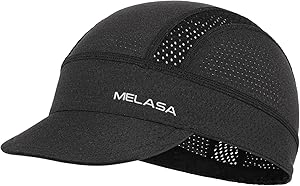
- Material: Cooling mesh with sun protection
- Feature: Built-in sun visor
- Helmet Compatibility: Slim design for under-helmet use
- Gender: Unisex design
The MELASA Cycling Cap with Sun Visor blends cooling fabric with sun protection, making it a hybrid option for both sunny and mild winter rides. While not as insulated as fleece-lined options, it offers protection against sweat, glare, and UV exposure. The slim design ensures it fits well under helmets, and the visor shields eyes from bright light or drizzle.
This cap is more suited for transitional weather or mild winters where sun protection is as important as warmth. Cyclists in colder climates might find it lacking insulation, but for those in milder conditions, it’s an excellent balance between breathability and coverage.
Pros:
- Built-in sun visor for glare protection
- Breathable mesh keeps sweat under control
- Lightweight under-helmet fit
- Good for both cycling and running
Cons:
- Not ideal for freezing temperatures
- Limited insulation compared to fleece options
How to Choose Winter Cycling Caps
When the temperature drops, cyclists know that keeping warm isn’t just about layering up with jackets and thermal tights. The head is one of the most sensitive areas to cold, and it’s also where a significant amount of body heat escapes. That’s where winter cycling caps come in. Designed to fit snugly under your helmet, these caps protect against wind, rain, and freezing air while maintaining comfort and breathability. But with so many options available, choosing the right winter cycling cap can feel overwhelming. This guide will walk you through everything you need to consider to make the right choice.
Why You Need a Winter Cycling Cap
Before diving into the buying tips, it’s worth understanding why a cycling-specific cap is so important in cold conditions:
-
Temperature Regulation: Keeps your head warm while preventing overheating.
-
Moisture Management: Wicks sweat away from your skin to keep you dry.
-
Helmet Compatibility: Designed to fit comfortably under helmets without bulk.
-
Protection: Shields ears, forehead, and sometimes neck from wind chill.
-
Versatility: Can be worn alone off the bike or as part of a layering system.
Unlike casual beanies or hats, winter cycling caps strike a balance between warmth, breathability, and fit—key features for long rides in varying winter conditions.
Key Factors to Consider When Choosing a Winter Cycling Cap
1. Material
The material of your cap is the most important factor in determining its warmth, comfort, and performance. Look for fabrics that balance insulation with breathability:
-
Merino Wool: Popular for its natural warmth, softness, and moisture-wicking abilities. It stays warm even when damp and resists odor buildup.
-
Synthetic Fabrics (Polyester, Nylon, Elastane blends): Lightweight, quick-drying, and often more affordable than wool. Many winter cycling caps use these materials with fleece lining for extra warmth.
-
Fleece: Provides excellent insulation and comfort against the skin. Often used in ear or forehead panels.
-
Windproof Materials: Some caps feature wind-blocking membranes on the front panels to protect from biting gusts.
A hybrid design—such as merino wool combined with synthetic fibers—often delivers the best balance.
2. Coverage
Not all cycling caps cover the same areas. Your choice should depend on the temperatures and conditions you typically ride in:
-
Standard Cap Style: Similar to a summer cycling cap but made of warmer material. Covers the head and sometimes the forehead, but leaves ears exposed. Best for cool—not freezing—days.
-
Ear-Covering Caps: Extended sides protect ears from frostbite and wind. Ideal for colder rides.
-
Skull Caps/Beanie Style: Fitted, helmet-compatible designs that cover the entire scalp and ears. A favorite for sub-zero rides.
-
Balaclavas and Neck Coverage: Provide full coverage for head, ears, and neck. Great for extreme cold but may feel restrictive for some riders.
Think about whether you need maximum protection or a lighter option for moderate winter weather.
3. Helmet Compatibility
A crucial consideration is how well the cap fits under your helmet. Bulky hats won’t work, as they compromise fit and safety. Look for:
-
Slim, Low-Profile Designs: Prevents pressure points under your helmet.
-
Stretch Fabrics: Ensures a snug yet flexible fit.
-
Flat Seams: Reduce chafing and helmet discomfort.
It’s always a good idea to try the cap with your helmet on to confirm comfort.
4. Breathability and Moisture Management
Overheating can be just as uncomfortable as being too cold. A good winter cycling cap should wick sweat away quickly while allowing ventilation:
-
Moisture-Wicking Fabrics: Keeps sweat from pooling on your forehead.
-
Breathable Panels: Mesh or thinner fabric zones allow airflow where needed.
-
Thermal Balance: Insulates without turning your head into a sauna.
This is particularly important for long, high-intensity rides where perspiration is inevitable.
5. Weather Resistance
Depending on where you ride, you may need added protection against wind and precipitation:
-
Windproof Panels: Front or ear sections often use wind-blocking fabric to prevent cold air penetration.
-
Water-Resistant Treatments: A DWR (durable water-repellent) coating can help repel light rain or snow.
-
Insulated Linings: Offer extra protection for sub-zero conditions.
If you live in a wet climate, consider water-resistant options, but keep in mind that too much weatherproofing can compromise breathability.
6. Brim or No Brim
Cycling caps traditionally feature small brims, but not all winter versions include them. Both options have benefits:
-
With Brim: Helps shield your eyes from rain, snow, or low winter sun. Useful if you don’t wear cycling glasses.
-
Without Brim: Lower-profile, better helmet fit, and lighter. Preferred by riders who already wear eyewear.
Some winter cycling caps have foldable or flexible brims, offering the best of both worlds.
7. Fit and Comfort
Comfort is non-negotiable, especially on long winter rides. Look for:
-
Stretch Panels: To accommodate different head sizes.
-
Seam Placement: Avoid seams that sit awkwardly under helmet straps.
-
Soft Linings: Prevent itching, especially if you’re sensitive to wool.
Most brands offer one-size-fits-most designs with stretch, but some premium models may come in multiple sizes.
8. Style and Versatility
While function is the priority, style matters too—especially if you’ll also wear the cap off the bike. Sleek black, grey, and navy are common, but some brands add bright colors or reflective details for visibility.
Reflective logos or trims can boost your safety in low-light conditions, which is a common scenario for winter cycling.
9. Price and Value
Winter cycling caps range from budget-friendly synthetic options to premium merino wool designs. Here’s what you can expect:
-
Budget ($15–$25): Simple synthetic skull caps or fleece beanies. Good for mild winters.
-
Mid-Range ($25–$40): Merino blends, ear coverage, and some weather resistance. Balanced performance for most riders.
-
Premium ($40–$60+): High-quality merino, windproofing, or balaclava-style designs. Best for riders tackling extreme cold.
Investing in a slightly better-quality cap often pays off in durability and comfort.
Tips for Choosing the Right Winter Cycling Cap
-
Match to Your Climate: Riders in mild winters may only need a lightweight cap, while those in freezing or windy areas benefit from insulated, ear-covering models.
-
Test Under Your Helmet: Always check compatibility with your specific helmet before committing.
-
Think About Ride Intensity: If you sweat heavily, prioritize breathable, moisture-wicking fabrics over insulation alone.
-
Consider Multiple Caps: Many cyclists keep two or three caps—light, mid-weight, and heavy-duty—for different winter conditions.
-
Check Care Instructions: Merino wool requires gentle washing, while synthetics are usually easier to maintain.
Final Thoughts
A winter cycling cap might seem like a small accessory, but it can make a world of difference in comfort, warmth, and overall riding experience. The best choice depends on your climate, riding intensity, and personal preferences. Whether you go for a slim merino skull cap, a fleece-lined ear-covering beanie, or a full-coverage balaclava, the right cap ensures you stay warm without overheating.
Think of it as a key layer in your winter cycling kit—an investment that keeps your rides enjoyable even in harsh conditions. By paying attention to materials, fit, weather protection, and helmet compatibility, you’ll be able to find a winter cycling cap that meets your needs and lets you ride through the cold season with confidence.