Best BMX Brake Pads of 2025
When it comes to BMX riding, brake pads might seem small, but they play a big role in your safety. The right brake pads give you the confidence to stop fast and ride smoothly, even on tough trails. Whether you’re racing or cruising, having pads that handle all conditions is a game-changer. With so many choices out there, it’s important to know what makes a brake pad truly stand out. In this article, we’ll dive into the top options for BMX brake pads, helping you find the ones that will keep your ride safe and smooth every time.
1. ABSOAR Brake Pads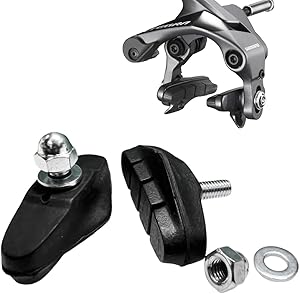
-
48mm length
-
Pair of brake pads
-
For BMX, road, and city bikes
-
Durable rubber construction
The ABSOAR Brake Pads provide solid performance for casual riders and commuters. These 48mm pads are compatible with most side-pull brake systems, offering easy installation and good braking power for everyday cycling. The rubber material ensures reliable grip on dry roads, giving a smooth braking experience for urban and leisure cyclists.
However, the pads may wear faster under heavy usage or wet conditions. While they perform adequately in dry weather, they are not the best option for those riding in rainy conditions or tackling aggressive trails. They offer decent value for general cycling but may not meet the needs of serious riders.
Pros:
-
Easy installation
-
Affordable option
-
Quiet braking
-
Ideal for urban commuting
Cons:
-
Wear out quickly in wet conditions
-
Limited performance for aggressive riding
2. Generic Gray Brake Pads
-
4-pack (2 pairs)
-
4mm thickness
-
Universal fit for BMX, MTB, and road bikes
-
Steel and rubber construction
These brake pads from Generic offer great versatility with their universal fit. Made of durable rubber and steel, they deliver a quiet, smooth ride for BMX, mountain, and road bike riders. The 4mm thick pads provide decent grip and longevity for casual cyclists. Installation is straightforward, making them suitable for a wide range of brake systems.
While they work well in dry conditions, their performance drops in wet weather, lacking the traction needed for optimal braking. However, for everyday cycling in moderate conditions, these brake pads are a reliable and cost-effective solution.
Pros:
-
Universal fit
-
Durable construction
-
Quiet performance
-
Affordable price
Cons:
-
Reduced performance in wet weather
-
Not suitable for aggressive or muddy conditions
3. Box One 70mm Brake Pads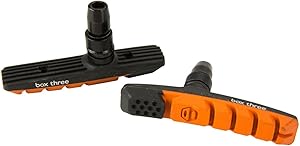
-
70mm length
-
CNC-machined cartridge body
-
Dual/Single/Triple compound rubber
-
Pivoting posts for alignment
The Box One 70mm Brake Pads are designed for V-brakes, offering excellent braking power with CNC-machined precision. The multi-compound rubber pads provide versatile performance, working well in both dry and light wet conditions. The pivoting posts help with alignment, ensuring smooth and efficient braking for a variety of riders.
These pads excel in providing a strong, responsive braking experience, but like most pads, they begin to wear more quickly with aggressive riding or in muddy conditions. They are ideal for casual and moderate BMX riders but may not withstand heavy-duty use.
Pros:
-
Strong braking power
-
CNC-machined for precision
-
Multi-compound pads for varied conditions
-
Pivoting posts for alignment
Cons:
-
Wear faster with aggressive riding
-
Not ideal for muddy trails
4. Kool Stop Threaded Pads
-
Threaded design for BMX
-
72mm length
-
High-quality rubber compound
-
Sold in pairs
Kool Stop’s threaded BMX brake pads are designed for riders who demand consistent performance. With a 72mm length, these pads are built to provide reliable stopping power across a variety of conditions. The high-quality rubber compound delivers excellent grip, ensuring confident braking even on longer rides.
While these pads are durable and perform well in dry conditions, they can be less effective in wet weather. For everyday BMX riders who primarily cycle in dry climates, they are a great option. However, if you’re riding in the rain or on muddy trails, they may not offer the same level of performance.
Pros:
-
Reliable braking performance
-
High-quality rubber compound
-
Easy installation
-
Long-lasting durability
Cons:
-
Less effective in wet conditions
-
May wear faster with heavy use
5. Chooee V-Brake Pads
-
Universal fit
-
70mm length
-
Made from durable rubber
-
Sold in pairs
The Chooee V-brake pads are designed for versatility and durability. These 70mm pads fit most V-brake systems, making them a great option for various bikes, including BMX, MTB, and road bikes. Made from high-quality rubber, they offer good braking performance in dry conditions, providing a smooth ride and strong grip. Their affordable price point makes them a solid choice for budget-conscious cyclists.
However, they may lose some grip in wet weather, making them less reliable in rainy conditions. For regular riders who don’t often face challenging weather, these brake pads offer a great balance of performance and cost.
Pros:
-
Universal fit for multiple bikes
-
Durable rubber material
-
Smooth and quiet braking
-
Affordable price
Cons:
-
Performance drops in wet conditions
-
Not ideal for aggressive riding
6. Kool Stop 2-Compound Pads
-
72mm length
-
Dual-compound rubber pads
-
Sold in pairs
-
Threaded for BMX
The Kool Stop 2-Compound BMX Brake Pads are an excellent choice for riders looking for a solid balance between performance and affordability. The dual-compound rubber pads provide a strong grip and consistent braking power, making them ideal for dry and slightly damp conditions. Their 72mm length ensures compatibility with most BMX bikes, while the threaded design makes installation a breeze.
While these brake pads perform well under normal conditions, they tend to wear faster in extreme weather, particularly in heavy rain. They are still a reliable choice for everyday BMX riders and are perfect for casual cycling.
Pros:
-
Dual-compound pads for improved braking
-
Easy installation
-
Reliable for dry to light wet conditions
-
Great value for money
Cons:
-
Less effective in heavy rain
-
Wear out quicker with aggressive riding
7. CNC V-Brake Pads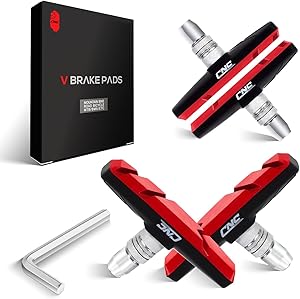
-
70mm length
-
CNC-machined construction
-
Durable rubber material
-
Sold in pairs
These CNC V-brake pads are designed to provide consistent braking performance for BMX and mountain bikes. With a 70mm length, they fit most V-brake systems, delivering reliable stopping power. The CNC-machined construction ensures precise alignment, while the durable rubber material offers a smooth, quiet ride. These pads are well-suited for casual riders and are easy to install.
Although they perform well in most dry conditions, they may not be the best option for wet or muddy trails. For regular riders who stick to dry paths, these brake pads provide solid, dependable braking.
Pros:
-
CNC-machined for precision
-
Smooth and quiet braking
-
Durable rubber construction
-
Easy installation
Cons:
-
Less effective in wet conditions
-
Wear out with heavy-duty use
How to Choose BMX Brake Pads:
BMX bikes are built for intense riding, whether on dirt tracks, ramps, or in the streets. With their frequent jumps, tricks, and rapid speeds, braking performance becomes crucial. To maintain safety and performance, choosing the right BMX brake pads is essential. This article will guide you through the factors to consider when choosing BMX brake pads and help you make an informed decision.
1. Understand the Types of BMX Brake Pads
Before diving into the specifics, it’s essential to understand the different types of BMX brake pads available on the market. There are generally two categories of BMX brake pads: rim brake pads and disc brake pads.
Rim Brake Pads
Rim brake pads are commonly used on traditional BMX bikes. These pads grip the rim of the wheel to slow down or stop the bike. The material of these pads plays a significant role in their performance, as they need to provide enough friction without damaging the rim.
Disc Brake Pads
Disc brake pads are used in more advanced BMX bikes with disc braking systems. These pads press against a disc rotor attached to the wheel hub, providing superior braking performance, especially in wet or muddy conditions. While less common in basic BMX bikes, disc brakes are becoming more popular among riders who need high-performance braking systems.
2. Material Matters: Choose the Right Composition
The material of BMX brake pads directly affects their performance, durability, and comfort. The main materials used for brake pads are:
a) Rubber
Rubber brake pads are the most commonly used in BMX bikes. They offer a good balance of performance, affordability, and comfort. Rubber pads provide reliable braking in dry and wet conditions but tend to wear down faster than other materials when exposed to high-performance riding or dirt.
b) Composites
Composite brake pads are made from a combination of materials, including rubber, carbon, and various synthetic compounds. These pads offer superior durability and braking power. They are also more resistant to heat, making them ideal for high-intensity riders or those who frequently ride in tough conditions.
c) Kevlar or Carbon Fiber
Kevlar and carbon fiber brake pads are used for performance BMX bikes where every detail counts. These materials offer excellent performance in terms of weight, strength, and durability. However, they are more expensive than rubber or composite options.
d) Ceramic
Ceramic brake pads are typically found in high-end bikes. They offer excellent performance, especially in wet and muddy conditions. Ceramic pads provide better heat resistance and longer lifespan, but they come at a higher cost.
3. Consider the Brake Type and Compatibility
BMX bikes can come with either caliper brakes or U-brakes. U-brakes are the most common for BMX bikes and are mounted on the frame with pads that squeeze the rim. Caliper brakes are more commonly found in road bikes but can also be used in some BMX setups.
a) U-Brake Pads
U-brakes are popular in BMX due to their excellent stopping power and simple design. When choosing brake pads for U-brakes, you need to ensure that the pads fit the width and shape of your rim. U-brake pads are typically sold in sets with two pads that fit the braking arms.
b) Caliper Brake Pads
Caliper brake pads are used in bikes with single-arm brakes. These are usually found on older BMX models but can still be useful for specific types of riding. When selecting brake pads for caliper brakes, ensure that the pad’s size and mounting holes match the brake arms.
c) V-Brake Pads
Though not as common in traditional BMX riding, some modern BMX bikes may use V-brakes. These brakes are effective and powerful, and the pads are generally wider, providing more surface contact with the rim.
4. Weather and Riding Conditions
Weather conditions play a significant role in how brake pads perform. If you ride in varying conditions, you’ll need to consider brake pads designed for specific environments.
a) Wet Conditions
If you often ride in wet, muddy, or rainy conditions, you’ll need brake pads that can perform under these circumstances. Rubber and composite pads are generally fine for occasional wet riding. However, if you frequently ride in wet conditions, look for brake pads made from ceramic, Kevlar, or carbon composites, as they resist water buildup and maintain braking performance.
b) Dry and Dusty Conditions
Riders who frequent dry, dusty environments should look for brake pads that resist dust buildup. Rubber pads are great for dry conditions but can wear out quickly in extreme heat and dust. A composite pad might provide better longevity without sacrificing braking power.
5. Thickness and Pad Design
The thickness of your BMX brake pads plays a significant role in braking efficiency. Thicker pads provide more material to grip the rim, which can improve braking power. However, they also add more weight to your bike. Depending on your needs and riding style, you may choose between standard thickness or extra-thick pads.
Additionally, the pad design itself can impact braking performance. Some pads come with grooves or channels that help channel away water and debris, enhancing braking in all conditions. Other pads feature a slick, smooth surface that minimizes wear on the rim while still providing sufficient braking force.
6. Durability and Lifespan
Durability is one of the most important factors when choosing BMX brake pads. A brake pad that wears out quickly may lead to poor braking performance and increased costs as you’ll need to replace it more often. Rubber pads tend to wear out faster compared to composite, Kevlar, or ceramic pads.
If you ride regularly and push your bike to the limit, you may want to consider higher-quality pads that provide longer-lasting performance. Composites, Kevlar, and carbon fiber pads may be more expensive initially, but they tend to last longer and offer superior performance.
7. Price vs. Performance
The price of BMX brake pads can vary widely depending on the material, brand, and specific features. While it may be tempting to opt for the cheapest option available, it’s important to remember that higher-quality pads often provide better performance and longer lifespan. Investing in quality brake pads may save you money in the long run, especially if you ride frequently or in challenging conditions.
8. Brand Reputation
When choosing BMX brake pads, it’s crucial to consider the reputation of the brand. Established brands like Odyssey, Kool Stop, and Animal are known for producing reliable, high-performance BMX brake pads. While newer brands may offer competitive pricing, going with a well-known brand ensures that you’re getting a tested product.
9. Compatibility with Your BMX Bike
Before purchasing brake pads, check the specifications of your BMX bike. Ensure that the brake pads are compatible with your bike’s braking system and rim size. While most pads fit standard BMX rims, there may be variations in size and style. If you are unsure, consult your bike’s manual or a professional mechanic.
Conclusion
Choosing the right BMX brake pads is essential for maintaining performance, safety, and control over your bike. Consider factors such as the type of brakes, material, riding conditions, durability, and your specific needs when making a decision. Whether you choose rubber, composite, or advanced materials like ceramic or carbon fiber, ensuring compatibility with your bike is the first step. Remember that your brake pads are one of the most critical components of your bike, so investing in high-quality pads is an investment in your safety and performance.