Best BMX Frames of 2025
BMX riding is all about style, control, and strength. The right frame makes a big difference in your performance. It affects balance, speed, and comfort while riding. A good frame should be strong yet light to handle tricks and jumps. Riders often choose frames based on their riding style. Street, park, or dirt riding needs different features in a frame. Materials like steel or aluminum also change the feel and durability. Choosing the right BMX frame is not always easy. There are many options in the market. This guide will help you find the best BMX frames. Let’s get started.
1. R4 Retro 6061 Aluminum 29″ Pro BMX Frame
- Frame: 6061 aluminum, raw finish with clear coat
- Fork: Chrome, looptail design
- Size: 29-inch
- Geometry: Retro-inspired
The R4 Retro BMX Frame combines vintage looks with modern durability. Built from 6061 aluminum, it remains lightweight without compromising on strength, making it ideal for freestyle sessions and casual cruising. The raw finish with clear coat adds a polished retro vibe, while the looptail fork design enhances its classic look. The 29-inch size ensures stability, especially for taller riders.
Riding this frame feels smooth and secure, thanks to its stiff aluminum build. The chrome fork balances strength and aesthetics, providing extra confidence during tricks. However, its larger size means beginners or smaller riders may find it harder to control. Overall, it’s a standout choice for advanced riders who want both performance and retro appeal.
Pros
- Lightweight 6061 aluminum build
- Classic retro design with looptail
- Strong chrome fork
- Stable ride with large frame
Cons
- Not beginner-friendly
- Too large for smaller riders
2. ALTALINE BMX Style Bike Chromoly 20″ Frame
- Frame: 100% chromoly steel
- Size: 20-inch
- Weight: Mid-level, heavier than aluminum
- Geometry: Standard BMX freestyle design
The ALTALINE Chromoly 20″ Frame offers strength and control for freestyle and park riders. Chromoly steel is known for its toughness, making it a reliable choice for intense riding. Its 20-inch size fits most riders comfortably, offering versatility across street, park, and dirt. The frame geometry is designed for smooth handling, giving riders the control they need for technical tricks.
Performance-wise, the chromoly frame absorbs impact well, making landings less harsh. While it is heavier than aluminum frames, this weight adds to its durability. It’s ideal for intermediate to advanced riders looking for a solid freestyle frame. Beginners can use it too, but the added weight might feel a bit challenging at first.
Pros
- Strong and durable chromoly steel
- Great for freestyle tricks
- Standard 20-inch fits most riders
- Absorbs impact well
Cons
- Heavier than aluminum frames
- Not as stylish as premium frames
3. POLSO BFA-01 BMX Frame 20″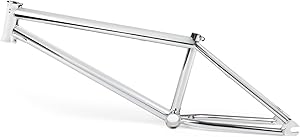
- Frame: Lightweight alloy construction
- Size: 20-inch
- Weight: 5.7 lbs
- Bottom Bracket: 41.28mm x 19mm MID
The POLSO BFA-01 BMX Frame is built for riders who want lightweight performance without sacrificing durability. At only 5.7 lbs, it’s one of the lightest BMX frames, making it perfect for technical tricks and fast spins. Its 20-inch design fits well for most riders, while the MID bottom bracket ensures smoother pedaling and better support.
In action, the frame feels responsive and agile, allowing quick handling during freestyle sessions. Its lightweight nature makes it especially good for riders who want speed and control. However, being lighter also means it may not feel as rugged as heavy chromoly frames. It’s best suited for park and street riders who value agility over brute strength.
Pros
- Extremely lightweight at 5.7 lbs
- Easy to control and maneuver
- MID bottom bracket for smooth performance
- Great for tricks and spins
Cons
- Less durable than chromoly frames
- Not ideal for heavy-impact riding
4. Elite BMX Stealth Freestyle Bike Frame
- Frame: Durable high-tensile steel
- Sizes: Available in 16″, 18″, and 20″
- Geometry: Freestyle street/park design
- Build: Youth and adult compatible
The Elite BMX Stealth Frame offers an affordable entry into freestyle riding. Made from high-tensile steel, it provides a sturdy base that can withstand daily use. The variety of sizes (16″, 18″, 20″) makes it versatile for both youth and adults. Its design balances performance and accessibility, making it a solid choice for beginners and intermediate riders.
The frame performs well for learning tricks, grinding, and casual park sessions. While not as lightweight as aluminum or chromoly, the steel build ensures reliability. It’s not the most advanced option, but for its price, it offers good strength and usability. Riders looking to get started with BMX will find it a dependable and cost-effective choice.
Pros
- Sturdy steel construction
- Multiple sizes available
- Good value for beginners
- Versatile for street and park
Cons
- Heavier than aluminum/chromoly
- Limited for advanced riders
5. Elite BMX Freestyle Bike Frame (Extended Sizes)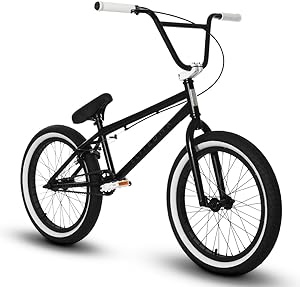
- Frame: High-tensile steel
- Sizes: 16″, 18″, 20″, 26″, 29″
- Geometry: Freestyle/urban design
- Strength: Youth to adult compatible
The Elite BMX Freestyle Frame extends versatility by offering larger frame sizes (26″ and 29″) alongside standard youth sizes. Its steel construction ensures durability, making it a reliable option for riders at any level. Whether for younger riders starting out or adults seeking a larger freestyle frame, this model adapts well to different needs.
In performance, the steel frame feels tough and stable. The larger frame options make it unique, offering BMX-style rides to taller or adult riders who prefer more space. However, the added weight of steel can limit agility compared to aluminum builds. Overall, it’s a strong, versatile frame with wide sizing options.
Pros
- Wide range of sizes including 26″ and 29″
- Durable steel build
- Suitable for youth and adults
- Good for urban freestyle
Cons
- Heavy frame
- Less responsive than lighter models
6. Mongoose Legion Freestyle BMX Frame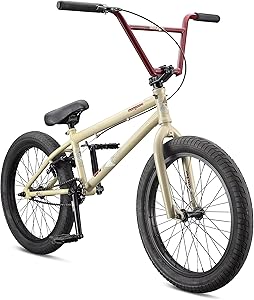
- Frame: 4130 Chromoly steel
- Wheels: 20-inch
- Rider Level: Advanced to professional
- Design: Freestyle geometry
The Mongoose Legion Freestyle Frame is designed for serious riders who demand performance and strength. Built with 4130 chromoly steel, it delivers professional-grade durability while maintaining balanced weight. The 20-inch wheels and advanced geometry make it ideal for technical freestyle tricks, park riding, and even competitive use.
In action, this frame shines with excellent responsiveness and strength. Chromoly steel absorbs impacts better than aluminum, making landings smoother. The geometry is fine-tuned for advanced-level riders, offering precise control. However, it may feel overbuilt for beginners who don’t need pro-level specs. For professionals and dedicated BMX enthusiasts, this frame is a top-tier choice.
Pros
- Professional-grade chromoly build
- Excellent strength and control
- Ideal for advanced tricks
- Trusted Mongoose brand
Cons
- Too advanced for beginners
- Higher cost than entry-level frames
7. XJD Freestyle BMX Frame
- Frame: Durable steel
- Sizes: 18″ and 20″
- Features: 360° rotor and 4 pegs
- Age Range: 5–12 years, beginner to teen
The XJD Freestyle BMX Frame is built for young riders learning freestyle skills. Made from steel, it offers the strength needed for beginner-level tricks. The frame comes with practical features like a 360° rotor for handlebar spins and four pegs for grinding, making it a fun and versatile option for kids transitioning from basic riding to freestyle.
On performance, the bike feels sturdy and stable, which is important for young riders gaining confidence. The 18″ and 20″ size options fit different age groups, ensuring comfort and control. While heavier than lightweight alloy frames, the steel build makes it safe and long-lasting. It’s best suited for beginner to intermediate youth riders exploring freestyle BMX.
Pros
- Sturdy and durable steel frame
- 360° rotor for tricks
- Comes with 4 pegs for grinding
- Designed for young riders
Cons
- Heavier frame may be harder to control
- Limited for advanced tricks
How to Choose BMX Frames?
When it comes to BMX bikes, the frame is the foundation that defines the performance, style, and comfort of your ride. Whether you’re riding street, dirt, park, or flatland, your choice of BMX frame will significantly influence how the bike feels and handles. Since the frame is the core structure, it determines everything from durability to geometry, and even your confidence while pulling tricks. Choosing the right BMX frame isn’t just about looks—it’s about ensuring the perfect balance between strength, weight, and riding style.
In this article, we’ll explore everything you need to know before buying a BMX frame, including frame materials, geometry, sizing, and tips to match your frame to your riding style. By the end, you’ll have a clear idea of how to select the frame that fits both your body and your BMX goals.
1. Why the Frame Matters
The BMX frame is the skeleton of your bike. Every component—wheels, fork, handlebars, crankset—connects to the frame. If the frame doesn’t suit your riding style or body dimensions, it doesn’t matter how good the other parts are; the bike won’t perform to its potential.
Here’s why the frame is so crucial:
-
Geometry controls performance: The angles and tube lengths of the frame decide how stable, nimble, or responsive the bike feels.
-
Durability for tricks: A strong frame ensures your bike can withstand big drops, crashes, and grinding impacts.
-
Weight affects control: A lightweight frame makes spins and flips easier, while a slightly heavier frame may add stability.
Ultimately, the frame dictates how your BMX handles, making it the most important piece of the puzzle.
2. Types of BMX Riding and Frame Needs
Your frame choice should be driven by the type of BMX riding you do most often. Different styles demand different frame geometries and strengths:
-
Street Riding: Requires strong frames that can take a beating from rails, ledges, and hard landings. Look for thicker tubing and reinforced dropouts. Geometry tends to favor shorter chainstays for quick spins and hops.
-
Park Riding: Prioritizes lightweight frames with balanced geometry for flow and aerial tricks. A steeper head tube angle is common for quicker steering in transitions.
-
Dirt Jumping: Needs durable frames with slightly longer chainstays for stability on big jumps. Frames are built to absorb impact while keeping balance in the air.
-
Flatland: Demands unique frames with super-short top tubes, tight geometry, and light weight for precise control during technical tricks.
Knowing your preferred riding discipline will immediately narrow down the frame options that fit you best.
3. Frame Materials: Strength vs. Weight
BMX frames are commonly made from different types of steel. Here’s a breakdown:
Hi-Tensile Steel (Hi-Ten)
-
Pros: Affordable and durable for casual riders.
-
Cons: Heavier and not as strong as chromoly.
-
Best for: Beginners who don’t plan to push their bike to extremes.
Chromoly (CrMo 4130)
-
Pros: Stronger, lighter, and more flexible than Hi-Ten. Offers better shock absorption and durability.
-
Cons: More expensive.
-
Best for: Intermediate to advanced riders who want reliable performance and a lighter bike.
Many riders start with Hi-Ten frames and later upgrade to Chromoly as their skills and demands increase. For serious BMX, a full 4130 Chromoly frame is highly recommended.
4. BMX Frame Geometry Explained
Geometry determines how your bike feels. Here are the main measurements to understand:
Top Tube Length
-
The most important measurement, usually between 18–21 inches.
-
Shorter (18–20″): Better for smaller riders, quicker handling, good for flatland and tech tricks.
-
Longer (20.5–21″+): More stable at high speeds, better for tall riders or dirt jumping.
Head Tube Angle
-
Steeper (75°–76°): Quicker steering, great for park and street tech.
-
Slacker (74°–75°): More stable, preferred for dirt jumps and transitions.
Chainstay Length
-
Short (12.7–13.2″): Makes spins, manuals, and hops easier.
-
Long (13.5–14″): More stable, smoother for dirt and racing.
Bottom Bracket Height
-
Affects how high your pedals sit off the ground.
-
Higher BB (11.7″+): Quicker response, easier for street/park tricks.
-
Lower BB (11.5–11.6″): More stability, better for dirt and ramps.
Standover Height
-
The vertical tube between the top and bottom brackets.
-
Taller standover: More classic look, extra control for barspins.
-
Shorter standover: More modern, lightweight, better for whips.
Understanding geometry is key to finding a frame that matches your riding style and body size.
5. Frame Size by Rider Height
Frame sizing is also influenced by your height. Here’s a general guide:
-
Under 5’0” → 18″–19″ top tube
-
5’0”–5’4” → 19.5″–20″
-
5’4”–5’8” → 20″–20.5″
-
5’8”–6’0” → 20.5″–21″
-
6’0”+ → 21″–21.5″+
This is just a guideline. Your style preference may lead you to choose slightly shorter or longer tubes for handling differences.
6. Dropouts and Axle Size
Dropouts are the slots where your wheels attach to the frame.
-
10mm (3/8″) Dropouts: Common on racing BMX or lighter setups.
-
14mm Dropouts: Standard for street and park riding due to extra strength for grinds and hard impacts.
If you plan to use pegs, ensure the dropout and axle sizes are compatible.
7. Brake Mounts or Brakeless?
Some BMX frames come with removable brake mounts, while others are brakeless-only.
-
With mounts: Offers flexibility—you can use brakes or ride brakeless.
-
Brakeless-only: Lighter, cleaner look, but no option for adding brakes later.
If you’re unsure, choosing removable mounts gives you the freedom to experiment.
8. Weight Considerations
Most BMX frames weigh between 4.5–6 pounds.
-
Lighter frames (4.5–5 lbs): Great for technical tricks and riders who value agility.
-
Heavier frames (5.5–6 lbs): Provide strength and stability, better for hard street riding or big drops.
Remember: lighter isn’t always better—durability is just as important.
9. Budget and Brands
BMX frames range from around $150 for entry-level Hi-Ten frames to $350–$500+ for high-quality Chromoly models from top brands. Popular frame brands include:
-
Sunday
-
Cult
-
Fit Bike Co.
-
Subrosa
-
WeThePeople
-
Kink
Investing in a good frame is worthwhile because it sets the foundation for your entire setup and lasts longer than most components.
10. Tips for Choosing the Right Frame
-
Match to riding style: Dirt, street, park, or flatland—geometry matters.
-
Prioritize material: Chromoly frames are worth the investment if you’re serious.
-
Check compatibility: Ensure axle size, brake mounts, and bottom bracket fit your parts.
-
Test if possible: Borrow or try a friend’s bike with a similar frame size before buying.
-
Think long-term: A solid frame can last for years, even if you upgrade other components.
Conclusion
Choosing a BMX frame isn’t just about aesthetics—it’s about finding the right blend of geometry, strength, and size to fit your body and riding style. From materials like Chromoly for strength and lightness to geometry details that decide agility or stability, every aspect of the frame shapes your ride.
If you’re a beginner, start with a frame that balances durability and affordability. As you advance, invest in a full 4130 Chromoly frame tailored to your preferred riding style—whether that’s the stability needed for dirt jumps, the responsiveness for park tricks, or the durability for street sessions.
A well-chosen BMX frame becomes more than just a bike part—it becomes an extension of your riding personality. Choose wisely, and it will unlock your potential for progression, style, and fun on two wheels.