Best BMX Helmets of 2025
BMX helmets are more than just safety gear. They protect your head during rides, tricks, and races. A good helmet gives confidence to push harder and ride safer. Choosing the right one can feel tricky with so many options available. Comfort, durability, and style all matter when making a choice. The best BMX helmets combine strong protection with a lightweight design. They also fit well and stay secure during movement. Whether you are a beginner or an experienced rider, the right helmet is important. In this guide, we will explore top picks. You will find helmets that balance safety, comfort, and style.
1. Retrospec Dakota Adult Bike Helmet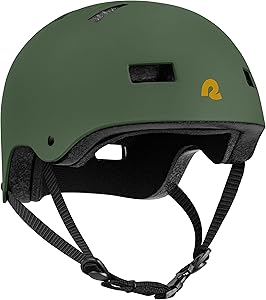
-
CPSC and EN 1078 certified for multi-sport use
-
10 cooling vents for airflow
-
ABS shell with EPS foam lining
-
Adjustable straps with secure buckle closure
The Retrospec Dakota Adult Bike Helmet is a versatile choice for BMX riders, skateboarders, and scooter enthusiasts. Built with a robust ABS shell and EPS foam, it provides solid impact resistance while keeping the design lightweight. The helmet is safety-certified, ensuring reliable protection during rides or tricks. The 10 ventilation channels work well to keep the head cool, making it suitable for long sessions under the sun.
Another notable feature is its adjustable fit system, allowing both men and women to find comfort easily. The chin strap sits securely without irritation, which is a plus during extended wear. The minimalistic yet stylish design adds to its appeal, while the multi-sport certification makes it a budget-friendly option for people who engage in different activities without buying separate helmets.
Pros:
-
Durable build with dual safety certification
-
Good ventilation system
-
Adjustable and comfortable fit
-
Suitable for multiple sports
Cons:
-
Padding could be thicker for added comfort
-
Limited color options compared to competitors
2. Triple Eight Certified Sweatsaver Helmet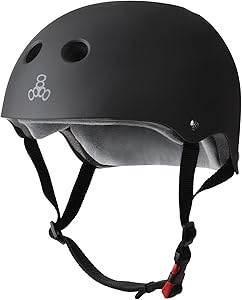
-
Dual-certified (CPSC and ASTM F1492)
-
EPS foam with Sweatsaver fabric liner
-
Adjustable chin strap with side release buckle
-
Ventilation system with multiple airflow channels
The Triple Eight Certified Sweatsaver Helmet is a crowd favorite among BMX and skateboarding communities. Its standout feature is the Sweatsaver liner, which not only wicks away moisture but also provides unmatched comfort compared to standard padding. This liner is removable and washable, making it easy to maintain freshness even after intense riding sessions. Safety is ensured through dual certification, giving riders peace of mind for both biking and skating.
The helmet has a sleek profile that looks modern while not compromising on protection. Its airflow design, though not as extensive as some competitors, still provides decent breathability. The adjustable straps make it easy to secure, and it fits snugly without being overly tight. For riders who prioritize both comfort and style, this helmet delivers strongly.
Pros:
-
Super comfortable Sweatsaver liner
-
Washable and replaceable padding
-
Dual-certified for safety
-
Stylish design with multiple color choices
Cons:
-
Slightly heavier than minimalist helmets
-
Ventilation could be better in very hot weather
3. OutdoorMaster Skateboard Cycling Helmet
-
CPSC and ASTM safety certification
-
Removable dual liners for different head sizes
-
12 ventilation holes for cooling
-
Reinforced ABS shell with EPS foam core
The OutdoorMaster Skateboard Cycling Helmet is a flexible helmet designed for all ages, from kids to adults. Its dual liner system is a key advantage, allowing riders to swap out the padding for a better fit, making it especially useful for growing kids. The ABS shell ensures durability, while the EPS foam provides necessary shock absorption during falls or impacts.
With 12 ventilation holes, this helmet scores highly in airflow, keeping the head cool even during long summer rides. It’s available in multiple sizes and colors, making it appealing to both younger and older riders. Comfort is enhanced with the lightweight build, and its versatility across sports such as BMX, roller skating, and scooters adds value for money.
Pros:
-
Adjustable with two removable liners
-
Strong ventilation system
-
Suitable for kids, youth, and adults
-
Affordable multi-sport option
Cons:
-
Padding quality could be improved
-
Strap system may loosen with frequent use
4. innamoto Skateboard Helmet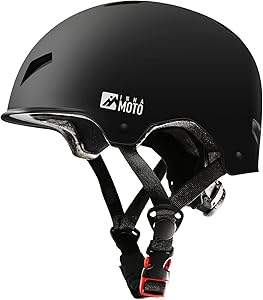
-
ASTM and CPSC certified helmet
-
Adjustable fit with dial system
-
11 ventilation openings
-
Impact-resistant ABS shell with EPS liner
The innamoto Skateboard Helmet is designed with safety and versatility in mind, catering to both adults and kids. With its certification, it ensures reliable impact protection across activities like BMX, cycling, and skateboarding. Its ABS outer shell paired with EPS foam effectively absorbs shocks while maintaining a light overall weight. The adjustment dial system ensures a customized fit for different head shapes and sizes, which makes it practical for family use.
Comfort is not overlooked either. With 11 vents, airflow remains decent, preventing overheating during long rides. The straps are adjustable and padded, minimizing discomfort during extended wear. This helmet stands out for its balance of affordability, functionality, and safety, making it a solid choice for beginners and casual riders.
Pros:
-
Dial adjustment for precise fit
-
Lightweight yet durable construction
-
Certified for multiple sports
-
Good value for money
Cons:
-
Ventilation could be better in humid weather
-
Liner padding not as plush as premium helmets
5. Bern Hendrix MIPS Adult Bike Helmet
-
MIPS (Multi-directional Impact Protection System) technology
-
Lightweight in-mold construction
-
Seasonal adaptability with optional liners
-
Adjustable dial-fit system
The Bern Hendrix MIPS Helmet stands out as a premium choice, offering top-notch safety with MIPS technology that reduces rotational forces during angled impacts. Its sleek design is both modern and stylish, making it popular among BMX riders who want protection without compromising looks. The in-mold construction keeps the helmet lightweight while ensuring high durability.
One of the key selling points of the Bern Hendrix is its adaptability to all seasons. Optional winter liners make it suitable for year-round use, while the adjustable dial ensures a snug fit. Its comfort level is superior, with well-placed vents that maintain airflow without affecting the clean design. Though more expensive than standard helmets, it’s worth the investment for riders prioritizing advanced safety features.
Pros:
-
Equipped with MIPS for advanced protection
-
Lightweight and comfortable fit
-
Adaptable for different seasons
-
Stylish, low-profile design
Cons:
-
Higher price point
-
Limited ventilation compared to open-vent helmets
6. Pro-Tec Low PRO Triple Certified Helmet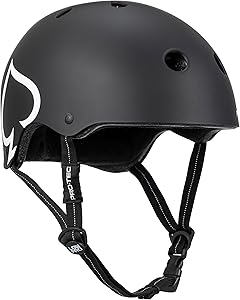
-
Triple-certified (CPSC, ASTM, CE EN 1078)
-
High-density injection-molded ABS shell
-
EPS liner for shock absorption
-
11 strategically placed ventilation holes
The Pro-Tec Low PRO Helmet is built for serious riders who want maximum certification and safety. Its triple certification means it meets the highest standards across multiple sports. The helmet’s ABS shell is durable and impact-resistant, while the EPS liner adds another layer of protection for BMX tricks, falls, and fast rides.
Despite its sturdy build, the helmet remains comfortable to wear. The 11 vents allow for solid airflow, making it usable in warm weather. Its classic Pro-Tec design is recognizable and stylish, giving it appeal among BMX enthusiasts and skaters alike. The only drawback is that it runs a bit bulkier compared to streamlined helmets, but it offers superior confidence in safety.
Pros:
-
Triple-certified for maximum safety
-
Classic and stylish design
-
Excellent durability
-
Decent ventilation for comfort
Cons:
-
Bulkier than slim helmets
-
Padding could feel stiff initially
7. TurboSke Skateboard Helmet
-
ASTM and CPSC dual-certified
-
11 vents for airflow
-
Adjustable straps with side-release buckle
-
ABS shell with high-density EPS liner
The TurboSke Skateboard Helmet is a well-rounded, affordable helmet for BMX, cycling, and skating. It features a dual-certified safety design, ensuring reliable protection for everyday riders. The ABS and EPS combination provides sturdy impact absorption while keeping the weight reasonable for comfort. With 11 vents, the helmet offers a breathable ride, reducing sweat buildup during extended use.
The adjustable straps make it easy to achieve a snug fit, and the lightweight build makes it suitable for both kids and adults. While it doesn’t come with premium features like MIPS, it performs well for its price category. For casual BMX riders or beginners, TurboSke provides dependable protection without breaking the bank.
Pros:
-
Affordable and safety-certified
-
Lightweight with good ventilation
-
Adjustable straps for secure fit
-
Multi-sport functionality
Cons:
-
No advanced safety features like MIPS
-
Padding is basic compared to higher-end helmets
How to Choose BMX Helmets
When it comes to BMX riding—whether you’re cruising around your neighborhood, practicing tricks at the skatepark, or competing in races—safety should always be your number one priority. Unlike casual bike riding, BMX involves higher risk due to jumps, flips, and fast-paced maneuvers. That’s why a proper BMX helmet is not just an accessory but an essential piece of protective gear.
However, with so many options available, choosing the right helmet can feel overwhelming. From full-face helmets to half-shell designs, different safety certifications, materials, and styles—there’s a lot to consider. This guide will walk you through everything you need to know about selecting the best BMX helmet for your riding needs.
Why Do You Need a BMX Helmet?
Unlike regular cycling helmets, BMX helmets are built to withstand higher impacts and provide better coverage. BMX riders often face risks like:
-
High-impact crashes during jumps or tricks.
-
Falls on hard surfaces like concrete at skateparks.
-
Collisions with other riders in races.
-
Head trauma from unexpected accidents.
Wearing the right helmet significantly reduces the risk of concussions, skull fractures, or brain injuries. Simply put, your helmet could save your life.
Types of BMX Helmets
BMX helmets generally fall into two main categories:
1. Full-Face Helmets
-
Cover the entire head, including the chin and jaw.
-
Offer maximum protection, making them ideal for BMX racing, dirt jumps, and aggressive freestyle riding.
-
Often come with visors to protect from sun glare and debris.
-
Slightly heavier and less ventilated compared to half-shell helmets.
Best for: Riders who push limits, race professionally, or ride at high speeds.
2. Half-Shell Helmets (Open-Face)
-
Provide coverage to the top, back, and sides of the head.
-
Lightweight, well-ventilated, and more comfortable for casual or park riding.
-
Allow better airflow, making them great for hot weather.
Best for: Beginners, casual BMX riders, and those who focus on tricks at skateparks.
Key Features to Consider When Choosing a BMX Helmet
Now that you know the main types, here are the essential features you should look for:
1. Safety Certifications
Always check if the helmet meets safety standards. The most common certifications include:
-
CPSC (Consumer Product Safety Commission): Required for helmets sold in the U.S.
-
ASTM (American Society for Testing and Materials): Especially relevant for BMX and skate helmets.
-
EN 1078 (European Standard): Common in Europe.
-
Snell B-95: High-performance certification for extreme sports helmets.
A certified helmet ensures it has passed rigorous testing for impact resistance.
2. Fit and Comfort
A helmet should fit snugly—not too loose or too tight. To find the right fit:
-
Measure your head circumference just above your eyebrows.
-
Compare the measurement with the helmet brand’s sizing chart.
-
Look for adjustable straps and padding for a secure fit.
Pro Tip: When you shake your head, the helmet shouldn’t move around.
3. Ventilation
BMX riding can be physically intense. Helmets with multiple vents allow airflow, keeping you cool during long rides. Half-shell helmets generally have better ventilation than full-face designs.
4. Weight
A heavy helmet can cause neck fatigue during long sessions. Choose a lightweight yet durable option, especially for freestyle riders who need agility.
5. Construction Material
-
ABS Plastic: Affordable and durable, good for beginners.
-
Polycarbonate: Lightweight and strong, found in mid-range helmets.
-
Carbon Fiber/Kevlar: Extremely light and tough, but usually more expensive.
The inner liner (EPS foam) is equally important—it absorbs shock during impacts.
6. Padding and Liner
-
Removable and washable liners help maintain hygiene.
-
Multi-density foam padding provides better shock absorption.
-
Moisture-wicking liners keep sweat under control.
7. Style and Design
BMX is not just about performance—it’s also about personal expression. Helmets come in a variety of designs, colors, and graphics. While style shouldn’t compromise safety, many riders prefer helmets that match their bikes or gear.
Tips for Choosing the Right BMX Helmet for Your Riding Style
Your riding style should play a major role in the type of helmet you choose:
-
Street and Park Riders: A lightweight, half-shell helmet with good ventilation is perfect for tricks, spins, and casual riding.
-
Dirt Jumpers: A full-face helmet offers the best protection for jumps and crashes.
-
Racers: Go for a certified full-face helmet designed specifically for BMX racing.
-
Beginner Riders: A comfortable, affordable, half-shell helmet is enough to start with.
Common Mistakes to Avoid
When buying a BMX helmet, many riders make these mistakes:
-
Choosing style over safety: Always prioritize protection first.
-
Wearing the wrong size: An ill-fitting helmet won’t protect properly.
-
Using a regular bike helmet: BMX requires helmets designed for higher impact resistance.
-
Not replacing after a crash: Even if the helmet looks fine, it may be structurally compromised after an impact.
-
Ignoring certifications: Cheap helmets without safety standards are a major risk.
Caring for Your BMX Helmet
To extend the life of your helmet and keep it safe:
-
Clean it regularly with mild soap and water.
-
Avoid using harsh chemicals that may damage the shell.
-
Store in a cool, dry place away from direct sunlight.
-
Replace every 3–5 years or immediately after a serious impact.
Final Thoughts
Choosing the right BMX helmet is one of the most important decisions you’ll make as a rider. Your safety depends on it. Whether you’re a beginner practicing basic tricks or a professional racer tackling intense tracks, the right helmet provides confidence, comfort, and protection.
To recap:
-
Decide between full-face or half-shell depending on your riding style.
-
Check safety certifications to ensure reliability.
-
Prioritize fit, comfort, ventilation, and durability.
-
Replace your helmet after any serious impact.
Remember: Your head is priceless—always protect it.