Best Dirt Bike GPS of 2025
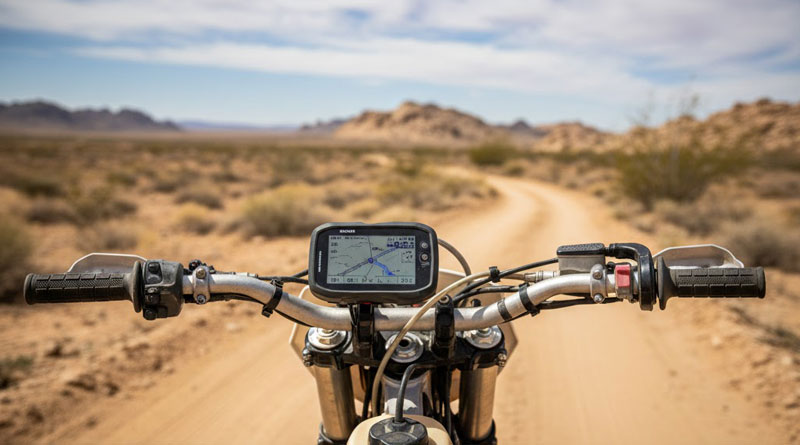
Finding your way on rough trails can be tricky without a reliable GPS. A dirt bike GPS helps you stay on track, avoid getting lost, and explore new paths with confidence. It offers accurate directions, tracks your routes, and shows your speed and distance. Whether you ride for fun or adventure, having the right GPS makes every trip safer and more enjoyable. In this guide, we’ll explore the best dirt bike GPS devices that combine performance, durability, and easy-to-use features for all riders.
1. iGPSPORT BSC300T Wireless Bike Computer GPS
- Display: 2.4-inch touchscreen with offline map navigation
- Connectivity: Bluetooth, ANT+, and compatibility with Insta360 cameras
- Battery Life: Up to 20 hours on a single charge
- Waterproof Rating: IPX7 for full rain protection
The iGPSPORT BSC300T stands out with its responsive touchscreen and highly accurate GPS tracking. It offers offline map navigation, which makes it ideal for dirt bike riders who often explore off-grid trails. The off-course warning system is an excellent feature, alerting you instantly if you deviate from your planned route. Pairing it with the Insta360 camera adds a fun layer of ride documentation, perfect for adventure vloggers or riders who love to record their experiences.
Performance-wise, it tracks speed, cadence, distance, and elevation with great precision. The interface is clean, and the setup is quick through Bluetooth or ANT+. The touchscreen works well even with gloves, which is crucial for dirt riders. While the 20-hour battery life is sufficient for long rides, heavy GPS and camera use can drain it faster.
Pros:
- Smooth and accurate touchscreen operation
- Excellent offline map navigation
- Insta360 compatibility adds recording flexibility
- Reliable off-course alerts
Cons:
- Battery life could be better for multi-day trips
- Limited data customization options
2. iGPSPORT iGS800 Bike Computer
- Display: 3.5-inch large color touchscreen
- Storage: 32GB internal memory for maps and routes
- Connectivity: WiFi, Bluetooth, and ANT+
- Waterproof Rating: IPX7 for all-weather use
The iGS800 is iGPSPORT’s premium offering and one of the best for serious dirt riders who demand precision and detail. The large 3.5-inch screen makes maps and metrics easy to read even under sunlight. With 32GB of onboard memory, it handles offline maps and long-route storage effortlessly. It’s designed for deep exploration with turn-by-turn guidance and a high-sensitivity GPS chip that performs exceptionally well in forested or mountainous terrain.
The user interface is intuitive and smooth, and syncing data through WiFi is much faster than older models. The build feels sturdy, with buttons that are tactile and a touchscreen that responds well even with gloves. The iGS800’s IPX7 rating makes it suitable for muddy or rainy rides, and the connection stability with sensors is top-notch.
Pros:
- Big, bright touchscreen display
- Generous map and route storage
- Accurate and fast GPS lock
- Seamless WiFi data sync
Cons:
- Slightly heavier than compact units
- Battery drains faster at full brightness
3. iGPSPORT iGS630S GPS Bike Computer
- Display: 2.8-inch color screen
- Battery Life: Up to 45 hours continuous use
- Navigation: Smart offline map and climb planning
- Connectivity: ANT+ and Bluetooth 5.0 support
The iGS630S offers incredible battery endurance, making it ideal for long off-road adventures. The bright 2.8-inch screen delivers crisp visuals even in sunlight, and its climb planning function gives riders detailed ascent data to better prepare for challenging trails. The smart map system provides accurate guidance, with real-time route recalculation when you deviate from the track.
It’s compact and lightweight, yet rugged enough to withstand shocks and splashes. Pairing with sensors is fast and stable, and the 45-hour battery life truly stands out compared to competitors in this price range. The UI is simple, allowing quick access to performance data. Overall, the iGS630S is a dependable choice for dirt bike enthusiasts who value endurance and reliability over extra flashy features.
Pros:
- Exceptional 45-hour battery life
- Precise climb planning and tracking
- Clear and colorful display
- Compact and durable design
Cons:
- No WiFi connectivity
- Interface feels basic compared to high-end models
4. COOSPO CS500 Bike Computer
- Display: 2.6-inch LCD with auto-backlight
- Battery Life: 45 hours of use per charge
- Connectivity: Bluetooth 5.0 and ANT+
- Navigation: Route navigation with GPS and bike radar support
The COOSPO CS500 delivers outstanding value for dirt bikers who want advanced features without breaking the bank. It provides reliable GPS navigation, complete with route guidance and radar sensor compatibility for added safety. The 2.6-inch LCD display is bright, responsive, and automatically adjusts its backlight based on ambient lighting.
This unit connects quickly to sensors and apps, offering smooth synchronization of speed, heart rate, and cadence data. The 45-hour battery ensures you can tackle multiple off-road sessions before recharging. The CS500’s sturdy build can withstand harsh vibrations and dirt exposure, making it perfect for rough conditions. For its price, it delivers performance that rivals more expensive models.
Pros:
- Long-lasting battery
- Affordable yet feature-rich
- Radar and route navigation support
- Easy sensor pairing
Cons:
- Display could be larger
- No touchscreen functionality
5. MEILAN Navihood L1 GPS Bike Computer
- Display: 2.6-inch LCD color screen
- Navigation: Offline maps and dynamic route planning
- Connectivity: ANT+ sensor and electronic shifting compatibility
- Waterproof Rating: IPX7-certified
The MEILAN Navihood L1 brings a balance of navigation power and compactness to dirt riders. Its offline map system works smoothly even in areas with no signal, while dynamic route planning adjusts your path on the fly based on your current location and direction. The data accuracy is solid, and its GPS signal remains strong in dense environments.
The L1’s interface is user-friendly, and pairing with sensors or electronic shifting systems is straightforward. The device feels durable and has responsive buttons for quick operation during rides. While the 2.6-inch display is smaller than some competitors, it’s bright and clear enough for quick glances on rough terrain. Overall, it’s a compact and smart navigator for adventurous riders.
Pros:
- Smart dynamic route updates
- Reliable offline navigation
- Strong GPS signal reception
- Solid waterproofing and build
Cons:
- Smaller screen than rivals
- No WiFi connectivity
6. XOSS NAV Cycling Computer GPS
- Display: 2.4-inch LCD with auto-backlight
- Connectivity: ANT+ and Bluetooth
- Waterproof Rating: IPX7 for all-weather riding
- Compatibility: Works with all bike types and sensors
The XOSS NAV is a budget-friendly GPS unit that covers all the essentials for dirt bike riders. Despite its small screen, it offers accurate location tracking and smooth wireless connectivity. The auto-backlight adjusts to changing light conditions, ensuring clear visibility both day and night. Its compact and lightweight design makes it ideal for minimalists who value simplicity over complexity.
The device syncs easily with popular cycling apps, providing detailed ride analysis after each trip. It performs well under muddy, wet, or dusty conditions thanks to its IPX7 waterproof rating. While it lacks offline maps and advanced navigation, it’s perfect for riders who just need dependable tracking, speed, and distance data.
Pros:
- Simple, easy-to-use design
- Strong waterproof protection
- Reliable Bluetooth and ANT+ connectivity
- Affordable pricing
Cons:
- No detailed map navigation
- Smaller display area
7. COROS DURA Solar GPS Bike Computer
- Display: 2.7-inch MIP color touchscreen
- Battery Life: Up to 120 hours with solar charging
- Navigation: Dual-frequency GPS and turn-by-turn navigation
- Compatibility: Strava, Komoot, and Ride with GPS integration
The COROS DURA Solar is a powerhouse built for extreme dirt riders and long-haul adventurers. Its solar charging system extends battery life up to an unmatched 120 hours, making it ideal for multi-day expeditions. The MIP touchscreen remains visible even under direct sunlight, and the interface is quick and intuitive. Dual-frequency GPS ensures pinpoint accuracy, even in dense forests or mountainous areas where signals often drop.
Data syncing is incredibly fast, and the integration with popular apps like Strava and Komoot streamlines your route planning and performance tracking. The DURA Solar’s rugged design withstands shocks and water splashes easily. While its premium price tag may deter casual riders, it’s easily one of the most capable dirt bike GPS computers on the market.
Pros:
- Solar charging extends battery life to 120 hours
- Ultra-accurate dual-frequency GPS
- Seamless app integrations
- Crisp and sunlight-visible touchscreen
Cons:
- Premium price point
- Slightly bulkier body
How to Choose Dirt Bike GPS
Choosing the right dirt bike GPS can make a huge difference in your off-road adventures. A good GPS helps you navigate tough trails, avoid getting lost, and track your performance. However, with so many models available, finding the right one can be confusing. In this guide, we’ll help you understand what features to look for, how to compare options, and what makes a GPS unit perfect for dirt biking.
Importance of Having a GPS for Dirt Bikes
When riding off-road, traditional smartphone maps often fail due to poor signal or lack of trail data. A dirt bike GPS, on the other hand, is built for rugged terrain and provides reliable navigation even in remote areas. It helps you mark waypoints, track your routes, and stay safe by showing your exact location. Having a dedicated GPS means you can focus on your ride without worrying about getting lost.
Key Features to Look for in a Dirt Bike GPS
1. Durability and Build Quality
Off-road riding exposes your gear to vibration, dust, mud, and water. A dirt bike GPS must be rugged enough to handle all this. Look for models with waterproof ratings like IPX7 or higher. Also, ensure it has a shockproof and dustproof body. A strong mounting system is equally important to keep the GPS stable during bumpy rides.
2. Screen Quality and Visibility
Screen visibility is crucial for dirt bike GPS units. You’ll often be riding in bright sunlight, so the screen must be easily readable. Go for devices with a transflective or sunlight-readable display. Screen size also matters—something between 3 to 5 inches works best. It should be large enough to read easily but not too big to interfere with your handlebars.
3. Battery Life
Long rides require long battery life. Some GPS devices can last up to 16 hours or more on a single charge. Check if the GPS supports rechargeable lithium batteries or replaceable AA batteries. The latter can be a great backup option when you’re riding for several days without charging facilities.
4. Mapping and Navigation
Your GPS should support detailed off-road maps. Look for devices that include topographic maps and allow you to download extra trail maps. Some GPS units also let you import custom maps or routes. Real-time route tracking, turn-by-turn navigation, and waypoint marking are essential features for off-road navigation.
5. Connectivity Options
Modern GPS units come with Bluetooth or Wi-Fi connectivity. Bluetooth helps you connect the device to your smartphone or headset for voice prompts and data sharing. Wi-Fi support allows you to update maps and firmware without connecting to a computer. Some advanced models also support satellite messaging and emergency alerts, which can be life-saving in remote locations.
Types of Dirt Bike GPS Units
1. Handheld GPS Devices
Handheld GPS units are compact and portable. They’re popular among riders who want flexibility since you can easily remove them from the bike and use them for hiking or camping. These devices usually have strong batteries and durable builds, but they may have smaller screens.
2. Handlebar-Mounted GPS Units
These are designed specifically for motorcycles and dirt bikes. They come with sturdy mounts and large displays for better readability. Handlebar-mounted units are ideal for riders who spend most of their time on trails and prefer real-time navigation at a glance.
3. GPS Smartphone Apps with Mounts
Some riders use their smartphones as GPS by installing off-road navigation apps. While convenient, smartphones are not as durable or weather-resistant as dedicated GPS devices. To make this setup work, you’ll need a rugged case, a waterproof mount, and offline maps. However, this option can be cost-effective for casual riders.
Additional Factors to Consider
1. Price and Budget
Dirt bike GPS units vary in price depending on features and brand. Entry-level models can cost around $150, while premium ones with advanced mapping and satellite communication can exceed $500. Decide your budget and focus on features that matter most for your riding style.
2. Ease of Use
A GPS should be easy to use even with gloves on. Check if the interface is intuitive, and buttons are large enough. Touchscreens should respond well to gloved hands or come with physical buttons for better control.
3. Mounting System
Make sure the GPS comes with a reliable mounting system compatible with your dirt bike’s handlebar. It should hold the device securely and resist vibration. Some brands offer quick-release mounts that allow you to remove the GPS quickly when needed.
4. Software Updates and Support
Regular map updates are essential for accurate navigation. Choose a GPS brand that provides free lifetime updates or at least offers affordable options. Also, check if the manufacturer has good customer support and warranty coverage.
Top Brands to Consider
Garmin
Garmin is the leading name in off-road and adventure GPS systems. Models like the Garmin Montana and Garmin Zumo series are built tough, feature large displays, and support topographic maps. They also have great battery life and are easy to use.
Trail Tech
Trail Tech specializes in GPS systems for dirt bikes and ATVs. Their Voyager Pro model is very popular among riders. It includes features like buddy tracking, speedometer, temperature gauge, and topographic maps—all designed specifically for off-road riding.
Magellan
Magellan GPS units are known for affordability and reliable navigation. Some models offer off-road routing and rugged designs suitable for casual trail riders.
Tips for Getting the Most Out of Your GPS
Keep Maps Updated
Before heading out, always update your maps to include new trails or changes. Outdated maps can lead to wrong turns or dead ends.
Plan Routes in Advance
Preload your routes before starting your ride. This saves time and ensures that you don’t lose track mid-ride.
Carry Extra Power
If your GPS runs on rechargeable batteries, carry a power bank or spare batteries. Off-road trails can be long, and you don’t want your GPS dying halfway through.
Learn the Settings
Spend some time learning your GPS’s features—such as how to mark waypoints or create routes. Familiarity ensures smoother rides and helps in emergencies.
Common Mistakes to Avoid
- Relying solely on your smartphone for navigation.
- Ignoring map updates.
- Buying a GPS without checking mounting compatibility.
- Choosing a unit with poor sunlight visibility.
- Forgetting to bring spare power sources.
Final Thoughts
Choosing the right dirt bike GPS depends on your riding style, terrain, and personal preferences. Whether you go for a handheld model or a handlebar-mounted unit, make sure it’s rugged, waterproof, and easy to read under sunlight. Focus on essential features like reliable mapping, long battery life, and strong mounts. Brands like Garmin and Trail Tech offer excellent options for all skill levels. With the right GPS, you can explore new trails confidently, stay on track, and make every dirt bike adventure safer and more enjoyable.