Best Road Bike Bottom Brackets of 2025
Finding the right bottom bracket for your road bike is important. It affects your pedaling and bike efficiency. A good bottom bracket is smooth, durable, and fits your bike perfectly. Choosing the wrong one can cause noise and wear out parts faster. There are many types available, so it can feel confusing. This guide will help you understand the best road bike bottom brackets. You will learn about their features, benefits, and what makes them suitable for your ride. With the right choice, cycling becomes easier and more enjoyable.
1. Thinvik Bottom Bracket, BSA 68-73mm
-
Type: BSA English threaded
-
Spindle Compatibility: 24mm Shimano crankset
-
Shell Width: 68-73mm
-
Material: High-quality aluminum alloy
The Thinvik Bottom Bracket offers a smooth and reliable rotation, making it a perfect choice for both casual riders and enthusiasts. Its BSA English threading ensures a snug fit and easy installation without any risk of cross-threading. Designed for 24mm Shimano cranks, it integrates seamlessly with most Shimano road cranksets. The bearing system is durable, providing consistent performance even under heavy loads.
Installation is straightforward, and the bracket maintains low friction during long rides. Riders have praised its quiet operation and minimal maintenance requirements. It is also resistant to rust and corrosion, making it a durable option for wet or humid riding conditions. While lightweight, it does not compromise on strength or stability.
Pros:
-
Smooth and quiet operation
-
Easy to install with BSA threading
-
Durable bearings with long lifespan
-
Lightweight yet strong
Cons:
-
Only compatible with 24mm Shimano cranks
-
Not ideal for non-standard frames
2. Shimano BBR60 Ultegra BSA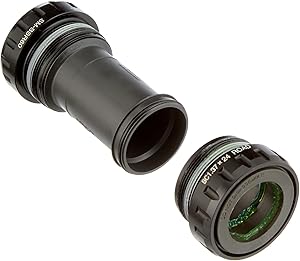
-
Type: BSA threaded
-
Compatibility: Shimano Ultegra cranksets
-
Shell Width: 68/73mm
-
Bearing Type: Sealed cartridge bearings
The Shimano BBR60 Ultegra BSA Bottom Bracket is a high-performance option designed for serious cyclists. It offers precise power transfer and minimal friction, enhancing pedaling efficiency. Its sealed cartridge bearings protect against dust and water, ensuring a longer service life. The BSA threading system provides secure installation and compatibility with most road frames.
Cyclists notice a significant difference in ride smoothness when upgrading to this model. It is ideal for competitive riding as it balances stiffness and durability. The bracket is also easy to service and replace, making it an excellent long-term investment. Its lightweight design reduces overall bike weight without sacrificing strength, making climbs and sprints more efficient.
Pros:
-
High efficiency with low friction
-
Sealed bearings prevent contamination
-
Strong and durable construction
-
Compatible with standard BSA frames
Cons:
-
Slightly pricier than basic models
-
Limited to Ultegra cranksets
3. BUCKLOS Bike Square Taper Bottom Bracket
-
Type: Square taper
-
Shell Width: 68-120mm adjustable
-
Spindle Length: 110.5–174mm
-
Compatibility: Road, MTB, Fat Bike, E-bike
The BUCKLOS Square Taper Bottom Bracket is a versatile choice for riders with multiple bike types. It supports a wide range of spindle lengths and shell widths, making it compatible with both road and off-road bikes. Its robust design ensures reliable pedaling performance and smooth operation even under high torque. This bracket is particularly useful for riders who need flexibility across different cranksets and bike frames.
The installation process is relatively simple for those familiar with square taper designs. It is constructed from strong alloy materials, ensuring durability even on rough terrain. While it may not be as lightweight as some modern press-fit systems, it excels in longevity and adaptability. Riders who prioritize reliability and versatility over ultralight performance will find this bracket highly practical.
Pros:
-
Wide compatibility with many bike types
-
Durable alloy construction
-
Smooth pedaling performance
-
Adjustable spindle length
Cons:
-
Slightly heavier than Hollowtech II
-
Requires correct installation torque
4. SHIMANO Square Type BSA 68MM – EBBUN300B22X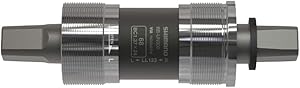
-
Type: Square taper
-
Shell Width: 68mm BSA
-
Spindle Length: 122.5mm
-
Material: Steel alloy
The Shimano Square Type BSA Bottom Bracket is a reliable choice for standard road bikes. It features a 122.5mm spindle and 68mm shell width, ideal for older Shimano cranksets. Its steel alloy construction offers durability and stability under heavy loads. Riders appreciate its smooth rotation, which reduces pedaling fatigue over long rides.
Installation is straightforward, thanks to its BSA threading, which also allows for easy removal or replacement. While it is not as advanced as Hollowtech II models, it remains a dependable choice for riders using classic Shimano cranks. Its sturdy build ensures minimal maintenance and long-term performance, making it perfect for everyday riders.
Pros:
-
Durable steel alloy construction
-
Smooth rotation for efficient pedaling
-
Easy installation and removal
-
Reliable for older Shimano cranksets
Cons:
-
Heavier than modern bottom brackets
-
Limited to square taper cranksets
5. SHIMANO BB-RS501 Hollowtech II English
-
Type: Hollowtech II
-
Shell Width: 68/73mm BSA
-
Spindle: Integrated 24mm
-
Bearing Type: Sealed cartridge bearings
The Shimano BB-RS501 Hollowtech II is engineered for maximum efficiency and smooth performance. Its Hollowtech II design integrates the spindle with the crankset, reducing weight and improving power transfer. The sealed bearings ensure long-lasting smoothness and protection against dust, dirt, and moisture. It’s compatible with most road cranksets, making it a popular choice among serious cyclists.
Installation is simple for anyone familiar with Hollowtech systems. The bracket offers a stiff, responsive feel under pedaling, improving overall bike performance. Its lightweight construction also helps reduce overall bike weight, making climbing and sprinting more efficient. This bottom bracket is a reliable, long-lasting option for riders looking to upgrade from standard threaded systems.
Pros:
-
Excellent power transfer and stiffness
-
Lightweight design
-
Sealed bearings for long lifespan
-
Compatible with most Hollowtech cranksets
Cons:
-
Requires Hollowtech II compatible crankset
-
Slightly higher cost than standard BSA
6. SHIMANO UN300 English Bottom Bracket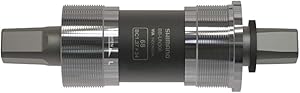
-
Type: BSA threaded
-
Shell Width: 68mm
-
Spindle: 122.5mm
-
Material: Steel alloy
The Shimano UN300 is a classic English threaded bottom bracket built for stability and durability. With a 68mm shell and 122.5mm spindle, it fits standard road frames perfectly. Its steel alloy construction ensures it withstands long-term wear and tear, while the cartridge bearings offer smooth rotation. Ideal for commuting and casual rides, it balances performance with longevity.
Riders find this bracket easy to install and maintain, making it suitable for home mechanics. Though not the lightest option, its dependable performance makes it a solid choice for everyday riding. The UN300 excels in smooth, quiet pedaling and consistent reliability over time, even in varied weather conditions.
Pros:
-
Durable and reliable
-
Smooth, quiet pedaling
-
Easy to install and maintain
-
Affordable option for standard frames
Cons:
-
Heavier than Hollowtech models
-
Limited to older crank designs
7. SHIMANOROAD Bottom Bracket 86.5mm Press Fit
-
Type: Press-fit
-
Shell Width: 86.5mm
-
Material: Aluminum alloy
-
Compatibility: Road bikes
The SHIMANOROAD Press Fit Bottom Bracket is designed for modern road bikes with wider 86.5mm shells. Its press-fit design allows for tool-free installation, providing a snug fit that reduces creaking. The aluminum alloy construction offers a lightweight solution while maintaining stiffness and durability. Its sealed bearings ensure smooth pedaling and long-term reliability.
This bottom bracket is ideal for riders seeking performance improvements in power transfer and efficiency. It is also resistant to corrosion and designed to handle long-distance riding. While press-fit systems may require careful installation, once in place, it performs quietly and efficiently, enhancing overall ride quality.
Pros:
-
Lightweight and durable aluminum construction
-
Smooth, quiet performance
-
Press-fit design reduces frame creak
-
Long-lasting sealed bearings
Cons:
-
Installation requires precision
-
Not compatible with standard threaded frames
How to Choose Road Bike Bottom Brackets
Choosing the right bottom bracket for your road bike is crucial for performance, efficiency, and durability. This small component plays a significant role in transferring your pedaling power to the drivetrain. With so many options available, it can be overwhelming to pick the best fit for your bike. This guide will help you understand the types, materials, compatibility, and other important factors to make an informed choice.
Understanding the Bottom Bracket
The bottom bracket connects the crankset to the bike frame and allows the crank arms to rotate smoothly. It consists of bearings housed in a shell, and its quality directly affects pedaling efficiency and noise levels. Choosing the wrong bottom bracket can lead to poor performance, creaking noises, and even damage to your bike frame.
What It Does
The bottom bracket allows the crankset to spin freely while supporting your weight and pedaling force. It absorbs stress from the chain and pedals, ensuring a smooth transfer of energy. A high-quality bottom bracket reduces friction and improves riding efficiency.
Signs You Need a New Bottom Bracket
Some common signs that your bottom bracket may need replacement include:
-
Creaking or clicking noises while pedaling
-
Play or looseness in the crankset
-
Resistance or rough feeling when pedaling
-
Visible wear on bearings
If you notice any of these signs, it’s time to consider a replacement.
Types of Road Bike Bottom Brackets
Understanding the types of bottom brackets is essential because not all are compatible with every bike frame or crankset. The main types include threaded, press-fit, and integrated.
Threaded Bottom Brackets
Threaded bottom brackets screw directly into the bike frame. They are known for reliability and ease of installation. Common standards include:
-
BSA/English: Most common on road bikes, with a 68mm or 73mm shell width
-
Italian: Less common, with a 70mm shell width and different threading direction
Threaded bottom brackets are easier to service and tend to last longer than press-fit options.
Press-Fit Bottom Brackets
Press-fit bottom brackets are pressed directly into the frame without threads. They offer a larger bearing surface, which can reduce weight and improve stiffness. However, they can be more prone to creaking if not installed correctly. Common standards include:
-
BB86/BB92: Widely used in modern road bikes
-
BB30/PF30: Larger diameter for high-end cranksets
Proper installation tools and care are essential for press-fit bottom brackets to avoid issues.
Integrated Bottom Brackets
Integrated bottom brackets use bearings that are part of the crankset spindle itself. They simplify installation and reduce weight but may limit compatibility with different cranksets.
Material Considerations
The material of your bottom bracket affects weight, durability, and performance. Common materials include:
Aluminum
Aluminum bottom brackets are lightweight, affordable, and corrosion-resistant. They are common on mid-range road bikes but may wear faster than steel in high-stress situations.
Steel
Steel bottom brackets are strong and durable. They handle heavy loads well but can be slightly heavier than aluminum models.
Ceramic Bearings
Some high-end bottom brackets feature ceramic bearings. These bearings reduce friction and increase efficiency, but they are more expensive and require careful maintenance.
Compatibility Factors
Ensuring compatibility with your bike frame and crankset is critical.
Shell Width and Diameter
Measure your bike’s bottom bracket shell width and diameter. Mismatched sizes will prevent proper installation. Standard widths range from 68mm to 73mm for threaded models, while press-fit systems vary more widely.
Crankset Interface
The crankset spindle type must match the bottom bracket. Common interfaces include:
-
Square taper: Older but reliable
-
Octalink: Compatible with certain Shimano cranksets
-
ISIS: Less common today
-
BB30/PF30: Integrated spindle design
Always check the manufacturer’s specifications before buying.
Frame Material
Some bottom brackets are better suited to certain frame materials. For example, carbon frames often require specific press-fit bottom brackets to avoid creaking and maintain stiffness. Aluminum frames may handle threaded or press-fit systems equally well.
Installation and Maintenance
Proper installation and maintenance extend the life of your bottom bracket and prevent problems.
Installation Tips
-
Use the correct tools for threaded or press-fit types
-
Apply grease or anti-seize to threaded bottom brackets to prevent corrosion and creaking
-
Ensure press-fit bottom brackets are aligned and pressed evenly
Regular Maintenance
-
Clean and lubricate bearings periodically
-
Inspect for play or roughness
-
Replace worn bearings before they damage the frame or crankset
Even the best bottom brackets will fail prematurely if neglected, so regular checks are important.
Performance Considerations
Selecting the right bottom bracket can influence your overall riding performance.
Stiffness
A stiff bottom bracket ensures efficient power transfer from your legs to the drivetrain. Press-fit and ceramic-bearing models often provide increased stiffness.
Weight
Lightweight bottom brackets reduce overall bike weight. Aluminum and integrated systems tend to be lighter, which can be beneficial for competitive riding.
Durability
Durability depends on materials, bearing quality, and installation. Threaded bottom brackets are often more durable and easier to maintain, while high-end ceramic-bearing systems require careful attention.
Budget and Brand
Bottom brackets are available across a wide price range. Your choice will depend on your riding style, budget, and expectations.
Entry-Level
Affordable options provide reliable performance for casual riders. Aluminum or steel threaded bottom brackets are typical.
Mid-Range
These offer a balance of performance and durability. Press-fit systems and better-quality bearings are common in this range.
High-End
High-performance models use lightweight materials, ceramic bearings, and integrated designs. These are best suited for serious riders or racers.
Common Mistakes to Avoid
When choosing a bottom bracket, avoid these common pitfalls:
-
Ignoring compatibility with your crankset or frame
-
Overlooking shell type and width
-
Buying a low-quality model to save money, leading to premature wear
-
Neglecting maintenance requirements
Taking the time to match your bottom bracket to your bike ensures smooth pedaling and long-lasting performance.
Conclusion:
Selecting the right bottom bracket is essential for comfort, performance, and longevity. Consider type, material, compatibility, installation, and your riding style before making a decision. Threaded bottom brackets offer reliability, press-fit options improve stiffness and weight, and integrated systems simplify installation. By understanding your bike’s requirements and your riding needs, you can pick a bottom bracket that keeps your pedaling smooth, efficient, and enjoyable for years to come.