Best Mountain Bike Headsets of 2025
A mountain bike headset is a small but crucial component for a smooth ride. It connects the fork to the frame, allowing for better handling and stability. Choosing the right headset can improve performance and durability on tough trails. There are many options available, but finding the best one depends on your bike’s specifications and riding style. In this article, we’ll explore top mountain bike headsets, their features, and how to pick the best fit for your needs. Whether you’re a beginner or an experienced rider, the right headset makes a big difference.
1. BUCKLOS 1-1/8 Bike Headset
-
Compatibility: Fits 44-44 mm aluminum alloy frame head tube and 28.6 mm straight steerer fork
-
Crown Race: 30 mm
-
Bearing Type: Double-sealed for low friction and long life
-
Colors: Black and Red options
The BUCKLOS 1-1/8 Bike Headset is designed for both MTB and road bikes, providing smooth steering and reliable performance. Its double-sealed bearings ensure minimal friction and protect against dirt and water ingress, which is ideal for long-term use in varying terrains. Installation is straightforward, making it suitable for DIY enthusiasts and professional riders alike.
Riders will appreciate the precision fit to standard aluminum alloy head tubes and the robust crown race that supports stability during aggressive trails or urban commutes. Available in black and red, it also adds a touch of style to your bike while enhancing durability. Its low maintenance requirement is an added advantage for frequent cyclists.
Pros:
-
Smooth and durable double-sealed bearings
-
Easy installation
-
Stylish color options
-
Compatible with multiple frame types
Cons:
-
Limited to certain head tube diameters
-
Not ideal for extremely heavy-duty downhill use
2. Yosoo Health Gear Headset
-
Material: Aluminum alloy
-
Compatibility: 28.6 mm straight steerer fork
-
Bearing Type: Sealed for smooth rotation
-
Use: Mountain and road bikes
The Yosoo Health Gear Headset offers a reliable and lightweight solution for cyclists looking to improve steering precision. Its aluminum alloy construction ensures strength without adding unnecessary weight. Sealed bearings make this headset resistant to dust and moisture, extending its service life even in harsh riding conditions.
Installation is relatively simple, and the headset performs well on both trail and city rides. Its versatility allows it to fit standard 28.6 mm straight steerer forks, making it a good replacement for older or worn-out headsets. This product balances affordability with functional quality, giving riders a solid upgrade without breaking the bank.
Pros:
-
Lightweight aluminum design
-
Sealed bearings for durability
-
Smooth handling
-
Suitable for both MTB and road bikes
Cons:
-
Limited to 28.6 mm straight steerer forks
-
Fewer color or style options
3. Ktsxxops Bicycle Headset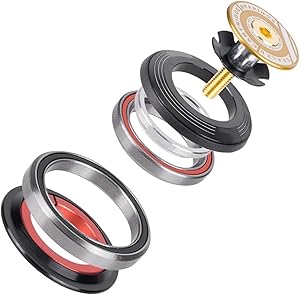
-
Compatibility: 42-52 mm tapered tube
-
Fork Type: 1-1/2 in standard spine, 1-1/8 in straight tube
-
Material: Aluminum alloy
-
Bearing Type: Sealed bearings for low friction
The Ktsxxops Bicycle Headset is a versatile option that supports both tapered and straight forks, making it ideal for riders who upgrade or modify their bikes frequently. Its aluminum alloy body provides strength while keeping the headset lightweight for efficient handling.
Riders benefit from the precision-sealed bearings, which ensure smooth steering response on challenging trails. Installation is straightforward, and the headset’s robust construction holds up well under normal mountain biking conditions. Its compatibility with multiple fork types adds significant flexibility for cyclists seeking a reliable and long-lasting headset.
Pros:
-
Wide fork compatibility
-
Durable aluminum alloy construction
-
Smooth-sealed bearings
-
Lightweight
Cons:
-
Slightly more expensive than single-use headsets
-
May require precise installation tools
4. Alomejor Aluminum Alloy Headset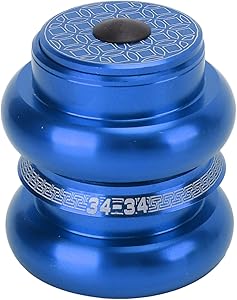
-
Fork Size: 34 mm
-
Material: Aluminum alloy
-
Weight: Lightweight design for performance
-
Usage: Road and mountain biking
Review:
The Alomejor Aluminum Alloy Headset is built for cyclists seeking a lightweight and durable headset for both road and trail riding. Its aluminum alloy construction balances strength with minimal weight, ensuring agile handling. The headset’s precision bearings offer low resistance, enhancing responsiveness during sharp turns or sudden maneuvers.
Installation is simple, and the headset fits standard 34 mm forks, making it ideal for most mid-range mountain bikes. Its low-maintenance design allows riders to enjoy consistent performance over time, and the headset’s robust build supports daily commuting as well as trail riding.
Pros:
-
Lightweight for better bike handling
-
Durable aluminum alloy
-
Low friction bearings
-
Easy to install
Cons:
-
Only fits 34 mm forks
-
Limited color options
5. Niiyen Bike Headset Set
-
Fork Size: 34 mm
-
Material: Aluminum alloy
-
Bearing Type: Sealed for smooth steering
-
Compatibility: 28.6 mm straight steerer fork
The Niiyen Bike Headset Set offers a dependable upgrade for cyclists seeking smooth and precise steering. Made from aluminum alloy, it is both lightweight and durable, which makes it ideal for urban cycling as well as moderate trail riding. The sealed bearings provide consistent performance while protecting against dirt and moisture.
Cyclists will find this headset easy to install, and its compatibility with standard 28.6 mm straight steerer forks allows it to replace a variety of older headsets. Its design emphasizes both functionality and reliability, making it a solid investment for everyday riders who want smooth handling without frequent maintenance.
Pros:
-
Sealed bearings for durability
-
Lightweight and strong aluminum alloy
-
Easy to install
-
Fits standard 28.6 mm forks
Cons:
-
Limited to specific fork sizes
-
Not suitable for aggressive downhill trails
6. Juscycling 44/44mm Bike Headset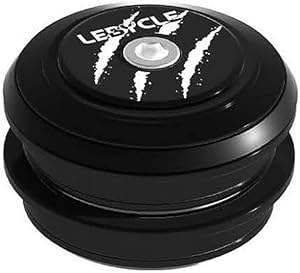
-
Stack Type: ZS44 Zero Stack
-
Compatibility: 1-1/8” (28.6 mm) straight fork
-
Bearing Type: Sealed bearings
-
Material: CNC-machined aluminum alloy
The Juscycling 44/44mm Bike Headset combines precision engineering with durability. Its CNC-machined aluminum alloy body ensures consistent quality, while the zero stack design offers a sleek fit for modern mountain bike frames. The sealed bearings reduce friction and protect against dirt, guaranteeing smooth operation even in challenging conditions.
Installation is straightforward, and the headset’s compatibility with 1-1/8” straight forks makes it a versatile choice for most MTB and road bikes. Its combination of lightweight construction and robust design allows for enhanced control and stability, which is particularly useful for riders tackling technical trails or urban obstacles.
Pros:
-
CNC-machined aluminum for strength
-
Sealed bearings for smooth rotation
-
Sleek zero stack design
-
Easy installation
Cons:
-
Limited to 1-1/8” forks
-
May be pricier than basic headsets
7. CNC 44 mm 1-1/8″ ZS44 Headset
-
Type: Semi-integrated (ZS) headset system — ZS44 upper / ZS44 lower
-
Steerer Compatibility: 1-1/8″ (28.6 mm) straight fork
-
Material: CNC-machined aluminum alloy (e.g., AL6061-T6) for durability & lightness
-
Bearings: Sealed bearings with built-in sealing rings to keep out dust and water
This CNC 44 mm headset is a solid, budget-friendly option for riders building or refurbishing a mountain bike or road bike that has a 44 mm internal head tube (ZS44). Because it’s made from CNC-machined aluminum alloy, it strikes a good balance between weight and strength. The surface is anodized, which helps resist corrosion and gives it a more premium feel for a lower-cost headset.
The sealed bearing design contributes to smooth steering and better longevity — the seals help keep out grit and moisture, which can wear down bearings over time. According to the specs, the rotational feel should be very flexible and stable, with minimal noise. For installation, it’s relatively straightforward, especially for someone familiar with headset work; the cups press in, and the sealed bearings fit snugly.
Pros:
-
Very affordable for a CNC-machined headset
-
Lightweight aluminum alloy construction
-
Sealed bearings improve durability and smoothness
-
Good compatibility for frames with 44 mm head tube
Cons:
-
Only supports 1-1/8″ straight steerers — not suitable for tapered forks unless you have a conversion setup
-
No high-end features (e.g., very high-grade bearings) — this is more about value than performance
-
Limited to frames with ZS44 head tube standard
-
Warranty / customer support may be basic, depending on seller
How to Choose Mountain Bike Headsets
Choosing the right mountain bike headset is essential for performance, steering precision, and long-term durability. Whether you are upgrading, replacing a worn-out unit, or building a bike from scratch, the headset you choose will determine how smooth your steering feels, how well your fork is supported, and how reliably your front end handles demanding terrain. Understanding the types, sizes, materials, and installation requirements can help you make a confident and informed decision.
Understanding What a Headset Does
The headset connects the fork to the frame, allowing the front wheel to rotate smoothly. It consists of bearings, cups (in some types), seals, and compression hardware. A high-quality headset ensures stable steering, reduces vibrations, and improves overall control.
Steering Stability
A good headset maintains alignment between the fork and frame, preventing wobble or play even on rough terrain.
Smooth Rotation
Headsets use bearings to create smooth fork rotation, which is crucial for technical climbing, descents, and maneuvering around obstacles.
Types of Mountain Bike Headsets
Before choosing, it’s important to identify the type compatible with your frame and fork.
Integrated (IS)
Integrated headsets fit frames with bearing seats molded directly into the head tube.
Pros
-
No cups required
-
Lightweight
-
Low maintenance
Cons
-
Requires precise manufacturing
-
Not as robust for extreme downhill use
Internal / Semi-Integrated (ZS)
Semi-integrated headsets use cups that sit inside the frame’s head tube.
Pros
-
Better protection for bearings
-
Clean look
-
Widely compatible
Cons
-
Slightly heavier
-
Requires correct cup sizing
External Cup (EC)
Cups sit outside the head tube, and bearings are housed externally.
Pros
-
Most durable design
-
Great for heavy-duty and older MTB frames
Cons
-
Heavier
-
Less modern appearance
Measuring Headset Sizes
Accurate measurements are essential to ensure proper fit.
Frame Head Tube Diameter
Head tube sizes vary, and each headset type uses specific measurements such as:
-
34mm
-
44mm
-
49mm
-
56mm
How to Measure
Use calipers to measure internal (for IS/Zs) or external (for EC) diameters.
Fork Steerer Tube Size
Fork steerers are typically:
-
1 1/8″ straight
-
1 1/8″–1.5″ tapered
Why It Matters
The headset must match your fork’s steerer size to ensure safe installation and proper compression.
Bearing Types and Quality
Bearings are the heart of a headset and directly influence performance.
Cartridge Bearings
These are sealed units that keep dirt out.
Advantages
-
Low maintenance
-
Long lifespan
-
Easy to replace
Loose Ball Bearings
Older but still used in some budget setups.
Advantages
-
Cheap
-
Easy to clean
Disadvantages
-
Require frequent maintenance
-
Less durable
Material and Construction
The material of the cups, spacers, and hardware affects durability and weight.
Aluminum Alloy
Most common due to its balance of strength and weight.
Benefits
-
Rust-resistant
-
Lightweight
-
Affordable
Steel
More durable but heavier.
Benefits
-
High strength
-
Better for rugged riding
Carbon Components
Used in high-end headsets.
Benefits
-
Extremely light
-
Vibration damping
Weather Resistance and Sealing
Mountain biking exposes your headset to mud, rain, dust, and grit. Good sealing extends bearing life.
Double-Sealed Bearings
A must for trail, enduro, and downhill riders.
Features
-
Keeps grime out
-
Ensures smooth rotation in tough conditions
Compression Seals
These sit above the top bearing and prevent water from entering.
Benefits
-
Long-lasting performance
-
Protects bearings during pressure washing
Installation and Maintenance Considerations
Different headsets require different tools and installation processes.
Press-Fit vs. Drop-In
-
Integrated headsets require no pressing
-
ZS and EC need a headset press tool
What to Check
-
Proper seating of bearings
-
No gaps or misalignments
-
Smooth rotation with no grinding
Regular Maintenance
Even sealed bearings require checkups.
Suggested Intervals
-
Every 3–6 months for trail riders
-
Monthly for muddy climates
-
Before races or long rides
Brand and Product Selection
Selecting a reliable brand ensures quality. Some known names include:
-
FSA
-
Cane Creek
-
Hope
-
BUCKLOS
-
Shimano
Each offers different levels of performance depending on budget and riding style.
Budget Headsets
Ideal for casual riders.
What to Expect
-
Basic sealing
-
Aluminum construction
-
Decent durability
Mid-Range Headsets
Best balance between price and performance.
Features
-
Cartridge bearings
-
Good sealing
-
Lightweight options
High-End Headsets
For serious and competitive riders.
Features
-
Premium materials
-
Top-tier bearings
-
Long-term durability with minimal servicing
Matching the Headset to Your Riding Style
Your riding discipline helps determine which headset suits you.
Cross-Country (XC) Riders
Lighter headsets with smooth bearings are ideal.
Consider
-
Integrated or ZS
-
Lightweight alloy or carbon
Trail Riders
Need a balance of durability and smooth steering.
Consider
-
ZS headsets
-
Double-sealed bearings
Enduro and Downhill
Requires maximum strength and stability.
Consider
-
EC or ZS systems
-
Heavy-duty sealed bearings
-
Stainless steel or reinforced alloy
Common Mistakes to Avoid
Choosing the wrong headset can lead to poor performance or unsafe riding.
Ignoring Head Tube Standards
Always verify frame specifications.
Mismatching Steerer Tube Size
A frequent mistake that can prevent proper installation.
Choosing Low-Quality Bearings
Cheap bearings fail quickly under tough trail conditions.
When to Replace Your Headset
Know the signs that your headset needs replacement.
Grinding or Clicking Sounds
Indicates worn bearings.
Steering Stiffness
A sign of contamination or internal damage.
Front-End Play
Movement between fork and frame suggests a worn-out unit.
Final Thoughts
Selecting the right mountain bike headset requires attention to frame compatibility, steerer tube dimensions, bearing quality, sealing, and riding style. Invest in a durable, well-sealed, correctly sized headset to ensure smooth steering, improved handling, and long-term reliability. A high-quality headset not only enhances your riding experience but also protects your fork and frame, saving you from costly future repairs.