Best Mountain Bikes for Big Guys of 2026
Finding the right mountain bike can be hard if you’re a bigger rider. Not all bikes offer enough support. You need a strong frame, wide tires, and a comfortable seat. A good bike should handle your weight and still ride smooth. It also needs strong brakes and solid suspension. The right fit makes every ride better and safer. We’ve put together a list of the best mountain bikes for heavy riders. These bikes are built tough and ride great.
1. Co-op Cycles DRT 1.3

- Frame: MY23 DRT aluminum
- Fork: RockShox Judy Silver TK Solo Air (120mm travel)
- Drivetrain: Shimano Deore 12-speed
- Dropper Post: TranzX dropper with 125mm travel
The Co-op Cycles DRT 1.3 is a serious contender for riders looking to bridge the gap between entry-level trails and more technical terrain. The standout feature is the 12-speed Shimano Deore drivetrain, which provides a massive gear range for steep climbs without the complexity of a front derailleur. Combined with the RockShox Judy air fork, the bike feels responsive and capable of soaking up significant roots and rocks.
Safety and control are handled by the Shimano MT200 hydraulic disc brakes, which offer consistent stopping power in various weather conditions. The inclusion of a TranzX dropper post is a game-changer at this price point, allowing you to lower your center of gravity instantly for descents. This bike is built for durability and performance, making it a long-term investment for the dedicated trail enthusiast.
Pros: High-quality 12-speed drivetrain; includes a dropper post.
Cons: Higher price point than basic models; aluminum frame is sturdy but not the lightest.
See the DRT 1.3 See the DRT 1.2 See the DRT 1.1
2. WEIZE Mountain Bike
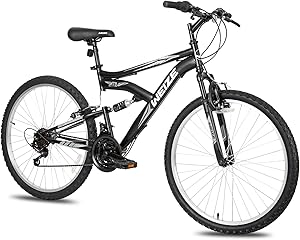
- Frame: Durable steel dual suspension
- Speeds: 18-speed twist shifters
- Brakes: Front and rear linear pull brakes
- Wheel Size: 26-inch all-terrain tires
The WEIZE Mountain Bike is designed for casual riders and teens who want a comfortable ride across varied neighborhood terrains and light trails. Its dual suspension system features a front fork and a rear coil shock, which work together to minimize the impact of bumps. This makes it an ideal choice for someone looking for a smoother ride than a traditional hardtail bike can offer.
With 18 speeds controlled by twist shifters, finding the right cadence for small hills is straightforward. The steel frame provides a heavy, planted feel that adds a sense of durability for daily use. While it is built for value and easy assembly, it provides the essential features needed for a beginner to get out and enjoy cycling. The all-terrain tires ensure you stay stable whether on pavement or dirt.
Pros: Very affordable; dual suspension for added comfort.
Cons: Heavier steel frame; linear pull brakes are less powerful than discs.
3. Cannondale Trail 2

- Frame: SmartForm C3 alloy with internal routing
- Fork: SR Suntour XCM (80-100mm travel)
- Drivetrain: Shimano CUES 9-speed
- Brakes: Tektro M275 hydraulic disc
The Cannondale Trail 2 showcases excellent engineering with its SmartForm C3 alloy frame, which includes SAVE micro-suspension features to dampen vibrations. This bike is highly versatile, coming in different wheel sizes based on the frame size to ensure a perfect fit for every rider. The modern geometry feels stable on descents while remaining agile enough for tight, winding trails in the woods.
Component-wise, the Shimano CUES 9-speed system is a reliable workhorse that offers smooth shifting even under load. The Tektro hydraulic disc brakes provide a premium feel with plenty of modulation, giving you confidence when navigating tricky sections. It is also dropper-post compatible, allowing for easy upgrades if you decide to take your riding to the next level. This is a refined bike for those who value frame quality.
Pros: Excellent frame geometry; reliable hydraulic disc brakes.
Cons: 9-speed range is narrower than 12-speed alternatives; coil fork is basic.
4. Huffy Stone Mountain Bike
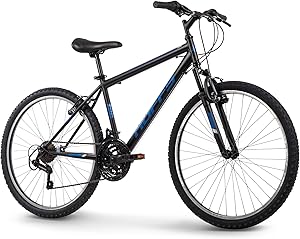
- Frame: Steel hardtail in matte black
- Speeds: 21-speed Shimano twist shifting
- Suspension: Front suspension fork
- Wheel Size: 26-inch wheels
The Huffy Stone Mountain is a classic choice for those who need a reliable bike for school, work, or weekend recreation. Its matte black finish gives it a sleek, modern look that stands out without being flashy. The 21-speed drivetrain offers plenty of options for tackling hills, and the Shimano rear derailleur ensures that gear transitions are crisp and dependable for a bike in this class.
Comfort is a priority with the Stone Mountain, featuring a padded saddle that can be easily adjusted for height. The front suspension fork takes the edge off of potholes and bumpy paths, making it much more versatile than a rigid road bike. It is a robust, adventure-ready machine that handles daily excursions with ease. This bike represents a great balance of style and utility for the budget-conscious consumer.
Pros: Sleek matte design; wide 21-speed gear range.
Cons: Basic rim brakes; heavy steel construction.
See the Huffy Stone Mountain Bike
5. Schwinn High Timber Mountain Bike
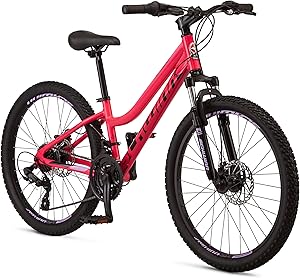
- Frame: 12-inch aluminum mountain frame
- Wheel Size: 24-inch alloy wheels
- Drivetrain: 7-speed with twist shifters
- Seat Post: Quick-release for easy adjustment
The Schwinn High Timber is specifically designed for younger or shorter riders, fitting those between 4’8” and 5’6”. The aluminum frame is a significant highlight, as it keeps the bike light enough for smaller riders to maneuver easily. Schwinn has focused on durability with this model, using an alloy crank and sturdy alloy wheels that can withstand the typical wear and tear of neighborhood adventures.
Changing gears is intuitive thanks to the twist shifters, allowing riders to keep their hands firmly on the bars while shifting. The wide, knobby tires provide the necessary traction for riding on grass or dirt paths, ensuring stability in various weather conditions. It arrives mostly assembled, which is a relief for parents, and the quick-release seat post means the bike can grow with the rider over several seasons of use.
Pros: Lightweight aluminum frame; sized perfectly for youth.
Cons: Limited to 7 speeds; rim brakes require regular tuning.
See the Schwinn High Timber Mountain Bike
6. Mongoose Grafton Mountain Bike

- Frame: Aluminum with internal headset
- Brakes: Mechanical disc brakes
- Tires: 2.3-inch wide knobby tires
- Shifters: 21-speed trigger shifters
Mongoose brings its long history of dirt-riding expertise to the Grafton, a bike that serves both youth and adult riders. The aluminum frame features modern geometry and an internal headset, giving it a much cleaner look than many competitors. Unlike many budget bikes that use twist shifters, the Grafton uses trigger shifters, which many riders find more precise and professional for trail riding.
The mechanical disc brakes are a standout feature here, offering superior stopping power compared to traditional rim brakes, especially in wet or muddy conditions. The 2.3-inch wide tires are beefier than standard, providing a larger contact patch for better grip on loose singletrack. Whether you are hitting the pavement or your first real dirt trail, the Grafton is built to push limits while maintaining a controlled and comfortable ride.
Pros: Excellent tire width for grip; includes disc brakes.
Cons: 24-inch wheels might be small for taller adults; assembly can be tricky.
See the Mongoose Grafton Mountain Bike
7. Dynacraft Magna Echo Ridge

- Frame Material: Alloy Steel
- Suspension: Front and rear dual suspension
- Speeds: 1-speed (Single speed)
- Wheel Size: 26 Inches
The Dynacraft Magna Echo Ridge is a unique entry in the mountain bike category, focusing on simplicity and comfort. By utilizing a single-speed drivetrain, this bike eliminates the maintenance and confusion of gear shifting, making it a great pick for riders who want a “hop on and go” experience. The steel frame is rugged and features both front and rear suspension to soak up vibration on uneven streets.
Safety is managed by front and rear linear pull brakes, and the blue alloy steel frame is built to last for riders aged 13 and up. It includes a kickstand, which is a convenient touch for everyday use. While it is not intended for climbing steep mountains due to its lack of gears, it excels as a durable cruiser that can handle the occasional shortcut through a park or dirt path with ease.
Pros: Very low maintenance; dual suspension at a low price.
Cons: Single speed is difficult for hills; heavy steel frame.
See the Dynacraft Magna Echo Ridge
8. Ktaxon Mountain Bike

- Frame: High-carbon steel with dual suspension
- Speeds: 21-speed professional system
- Brakes: Mechanical dual disc brakes
- Wheel Size: 27.5 Inches
The Ktaxon Mountain Bike offers a lot of “pro” features for an entry-level price. The high-carbon steel frame is incredibly durable and designed not to deform under pressure. What sets this bike apart is the dual shock absorption system, featuring both a suspension fork and a rear cushion, which provides a significantly smoother ride on gravel and rocky paths. The 27.5-inch wheels are a modern standard, offering a good balance of speed and obstacle rollover.
With 21 speeds, this bike is ready for various terrains, and the mechanical disc brakes ensure you can stop quickly even when things get dusty. The lightweight aluminum alloy wheels feature specially designed spokes to help reduce wind resistance. It arrives 85% assembled, making the final setup process relatively quick. This is a solid choice for adults looking for a high-performance look and feel on a budget.
Pros: Dual suspension; dual disc brakes for safety.
Cons: High-carbon steel is heavy; requires fine-tuning of gears upon arrival.
9. MarKnig Mountain Bike

- Frame: Reinforced carbon steel
- Speeds: 7-speed gear system
- Brakes: Classic V-Brake style
- Suspension: Front fork suspension
The MarKnig mountain bike is all about hassle-free ownership and durability. It arrives 90% pre-installed, which is one of the highest assembly rates in the industry, making it perfect for those who aren’t mechanically inclined. The reinforced frame is treated with upgraded paint that is waterproof and rust-resistant, ensuring the bike stays looking new even after rides through rain or mud. It is a practical choice for riders of many heights.
Performance is handled by a 7-speed system that provides enough flexibility for flat commutes and moderate inclines. The front fork suspension works well to stabilize the ride on diverse terrains, while the non-slip, wear-resistant tires offer great traction. The quick-release seat allows for fast adjustments for riders ranging from 5’2″ to 6′ tall. This bike is a dependable partner for both daily commuting and light weekend trail exploration.
Pros: 90% pre-assembled; waterproof and rust-resistant paint.
Cons: Only 7 speeds; V-brakes are less effective in wet mud.
10. AVASTA Earth

- Frame: Lightweight aluminum alloy
- Fork: Switchable suspension fork
- Brakes: Mechanical disc brakes
- Speeds: 21-speed derailleur system
The AVASTA Earth is a versatile mountain bike that stands out due to its switchable suspension fork. This feature allows riders to lock the suspension for efficiency on smooth pavement or open it up for comfort on rough trails. The aluminum alloy frame and rims keep the overall weight down, making the bike agile and easy to handle during quick turns. It’s a well-rounded package for any adult rider.
Equipped with a 21-speed derailleur and disc brakes, the Earth is prepared for diverse riding conditions. The inclusion of extras like a bell, reflectors, and a tool kit adds immediate value, as you won’t need to purchase these safety essentials separately. The quick-release all-terrain tires make maintenance and transport easy. This bike is a fantastic entry point for those who want a modern, aluminum-framed mountain bike with adjustable features.
Pros: Lockable suspension fork; lightweight aluminum frame.
Cons: 75% assembly requires more work than some competitors; seat may be firm for some.
How to Choose Mountain Bikes: A Beginner’s Guide
Choosing the right mountain bike can be a bit overwhelming, especially if you are a bigger man. With so many types, brands, and features available, it’s easy to get lost in technical jargon and marketing buzzwords. But don’t worry — whether you’re brand new to mountain biking or looking to upgrade, this guide will help you understand what really matters so you can pick the perfect ride.
1. Know Your Riding Style
The first thing you should consider is how and where you plan to ride. Different mountain bikes are built for different terrain and riding styles. Here’s a quick breakdown:
- Cross-Country (XC): Best for fast, uphill rides and long distances. These bikes are lightweight, efficient climbers, and ideal for smoother trails.
- Trail: The most versatile type of mountain bike. Great for mixed terrain, from smooth trails to rough descents. Perfect for casual riders and weekend warriors.
- Enduro / All-Mountain: Designed for aggressive downhill riding but still capable of climbing. These are more robust and built for technical trails.
- Downhill: Made for one thing — going down steep, gnarly trails fast. Not ideal for climbing or everyday use.
- Hardtail vs. Full Suspension: Hardtails have a suspension fork at the front only, while full-suspension bikes have both front and rear suspension. Hardtails are lighter and cheaper. Full-suspension bikes are more comfortable and capable on rough terrain.
Think about your local trails, your skill level, and your fitness. You don’t need a downhill bike if you’re mostly riding smooth woodland paths.
2. Choose the Right Frame Size
For obese people, a properly fitting bike is crucial for comfort and control. Most manufacturers provide sizing charts based on your height or inseam. The frame size affects your reach, your handling, and even how safe you feel on descents.
Here’s a rough guide based on rider height:
- 5’0” – 5’4”: Small (15” – 16” frame)
- 5’4” – 5’7”: Medium (16” – 17” frame)
- 5’7” – 5’10”: Large (17” – 18” frame)
- 5’10” – 6’1”: X-Large (19” – 20” frame)
- 6’1” and up: XXL (21”+ frame)
Always test ride a bike if possible. If it feels cramped or too stretched out, try the next size up or down.
3. Understand Suspension Types
Mountain bikes come with different suspension setups:
- Hardtail (front suspension only): Good for beginners, smoother trails, and budget riders. Easier to maintain and lighter.
- Full Suspension: More comfort and control over rough terrain. Better for technical descents but usually more expensive.
Your riding terrain should guide this choice. If you’re riding rocky, rooty trails or want to hit bike parks, full suspension is worth it. For smoother singletrack or commuting, a hardtail is just fine.
4. Wheel Size Matters
There are three main mountain bike wheel sizes:
- 26-inch: Becoming outdated. Smaller, lighter, and more nimble.
- 27.5-inch (650B): A middle ground offering good agility and better rollover than 26”.
- 29-inch: Great for speed and rolling over obstacles. Popular in XC and trail bikes.
For most riders today, 27.5” and 29” are the top choices. Taller riders often prefer 29” wheels, while shorter riders may feel more comfortable with 27.5”.
5. Check the Gearing
Mountain bikes have come a long way in terms of drivetrains. Today, most modern MTBs use a 1x drivetrain (single front chainring), which is simpler and lighter. You’ll typically see:
- 1×10, 1×11, or 1×12 setups — the more gears on the cassette, the more versatile your range.
- 2x or 3x setups are older, heavier, and more complicated, but some entry-level bikes still use them.
Look for a wide-range cassette (like 11-51T) if you want help climbing steep hills.
6. Brakes: Go Hydraulic
There are two types of disc brakes:
- Mechanical Disc Brakes: Cable-operated. Decent stopping power, but harder to modulate.
- Hydraulic Disc Brakes: Fluid-based, powerful, and consistent. Much better performance, especially in wet or muddy conditions.
Hydraulic brakes are worth the extra cost if you’re riding serious trails. They offer far better control, especially on steep descents.
7. Frame Material: Aluminum or Carbon?
Most mountain bikes are made from:
- Aluminum: Affordable, durable, and relatively lightweight. Great for most riders.
- Carbon Fiber: Lighter and stiffer, but more expensive. Often found on high-end bikes.
- Steel or Titanium: Less common. Steel is heavy but comfortable. Titanium is light and strong but very expensive.
If you’re on a budget, go with aluminum. If you’re racing or chasing performance, carbon might be worth the investment.
8. Dropper Post? Yes, Please
A dropper seatpost lets you lower your saddle on the fly. This helps with steep descents and technical sections, giving you better control.
It’s a game-changer if you ride technical trails or like flowy descents. Many mid-range bikes now include droppers as standard.
9. Pay Attention to Components
Mountain bikes come with a mix of parts from brands like Shimano or SRAM. Entry-level bikes usually come with:
- Shimano Deore or SRAM SX/NX
- Mid-range: SLX / XT or GX
- High-end: XTR or XX1
Also check the fork — brands like RockShox and Fox make quality suspension forks. Cheaper bikes may come with heavier, less effective suspension.
Don’t stress over every detail, but know that better components often mean smoother shifting, lighter weight, and longer-lasting performance.
10. Budget: Spend Smart
Here’s a rough idea of what to expect:
- Under £500 / $600: Entry-level hardtails. Good for casual trail riding and beginners.
- £600–£1,200 / $700–$1,500: Better hardtails and entry-level full suspension. Great value zone.
- £1,200–£2,500 / $1,500–$3,000: Mid-range full suspension bikes with good components.
- £2,500+ / $3,000+: High-end bikes, carbon frames, top-tier suspension, and racing performance.
Don’t blow your budget on the fanciest frame and then skimp on safety gear. Make sure you leave room for a helmet, gloves, multitool, spare tube, and a hydration pack.
Final Thoughts
Choosing the right mountain bike for tall persons is all about balancing your needs, your budget, and your riding goals. Start by thinking about where you’ll ride and what kind of bike suits that terrain. Prioritize frame fit and geometry, then consider things like suspension, wheels, gearing, and brakes.
You don’t need the most expensive bike to have a great time on the trail. A well-chosen mid-range bike with good fit and features will take you far — and with a bit of trail time, you’ll quickly figure out what upgrades are worth it down the line.
So test a few bikes, ask questions at your local shop, and get ready to hit the trails. Your perfect mountain bike is out there — and the adventure starts the moment you hop on the saddle.