Best Winter Mountain Bike Shoes of 2026
Riding in winter can be tough without the right shoes. Cold feet make your ride uncomfortable and less fun. That’s why winter mountain bike shoes are important. In this article, we’ve listed the best winter MTB shoes. We looked at warmth, comfort, and performance. Whether you ride trails or commute, there’s a great option for you here. Let’s find your perfect pair.
1. Endura Hummvee Mountain Cycling Shoes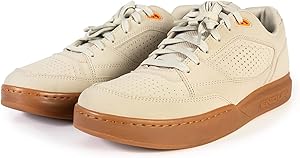
- Sole: StickyFoot Grip rubber outsole
- Closure: Lace-up with Velcro strap
- Upper: Durable synthetic with perforations for breathability
- Compatibility: Flat pedal design (non-cleat)
The Endura Hummvee Mountain Cycling Shoe is designed for riders who value comfort and versatility on the trail. The StickyFoot rubber outsole provides superior grip on flat pedals, ensuring stability and control during aggressive trail rides. The lace-up design, reinforced with a Velcro strap, ensures a snug fit and adds to its rugged appeal. Its durable synthetic upper, complete with breathability perforations, offers ample protection and airflow to keep feet dry.
What sets the Hummvee apart is its casual look that transitions seamlessly off the bike. Riders can wear them comfortably while walking or during off-bike activities. The shoe’s padded interior provides excellent comfort for long rides, while the sole maintains a good balance between stiffness for power transfer and flexibility for walking. However, the flat pedal-only compatibility might limit riders looking for cleat options.
Pros:
- Excellent grip on flat pedals
- Comfortable for walking and riding
- Durable build quality
- Stylish casual design
Cons:
- Not compatible with cleats
- Can feel bulky for minimalist riders
2. FOTGOAT Cycling Shoes
- Cleat Compatibility: 2-bolt SPD system
- Closure: Quick lace with hook-and-loop strap
- Upper: Synthetic leather with mesh panels
- Sole: Nylon composite sole with anti-slip grip
The FOTGOAT Mountain Bike Cycling Shoes strike a balance between affordability and performance, making them ideal for entry-level and intermediate riders. Designed with a sturdy yet breathable synthetic leather upper, these shoes offer a snug fit and decent airflow. The combination of quick lace and hook-and-loop strap keeps your foot locked in place while minimizing pressure points.
These shoes are compatible with 2-bolt SPD cleats, making them suitable for most mountain biking clipless pedal systems. The nylon composite sole provides decent stiffness for effective power transfer while still being walkable. While not the most advanced or lightweight option on the market, they offer reliable performance at a reasonable price. Some users may find the sizing slightly off, so double-checking fit is recommended.
Pros:
- Affordable and good for beginners
- SPD cleat compatibility
- Breathable and sturdy upper
- Secure closure system
Cons:
- Slightly heavy
- Sizing may run small or large
3. SHIMANO Off-Road Cycling Shoes
- Cleat Compatibility: 2-bolt SPD
- Sole: Rubber outsole with trail-ready tread
- Closure: Traditional laces
- Upper: Synthetic leather with breathable mesh
The SHIMANO SH-MX100 is a versatile mountain bike shoe tailored for both recreational trail riders and daily commuters. It features a reliable lace-up closure and a durable upper made from synthetic leather and breathable mesh, which keeps your feet cool on longer rides. Shimano’s trail-tuned rubber outsole ensures excellent grip on rough terrain and ease while walking.
A highlight of the SH-MX100 is its blend of performance and comfort. The sole is designed to support efficient pedaling with clipless pedals while remaining flexible enough for hike-a-bike sections. This shoe is great for riders who want a rugged shoe without sacrificing comfort. However, the lack of a secondary retention system like Velcro or a BOA dial may result in a less snug fit during intense rides.
Pros:
- Comfortable and breathable
- Trail-optimized rubber sole
- Affordable for Shimano quality
- SPD cleat compatible
Cons:
- Lacks advanced retention features
- Not ideal for high-speed racing
4. KESCOO Mountain Bike Shoes
- Cleat Compatibility: 2-bolt SPD system
- Closure: 3-strap hook-and-loop system
- Sole: Nylon and TPU composite
- Included: SPD cleats in the box
KESCOO’s Mountain Bike Shoes offer great value for cyclists who want a complete package straight out of the box. These shoes come with pre-installed SPD cleats, making setup quick and easy. The 3-strap Velcro closure system ensures a secure fit and easy adjustment. Its nylon and TPU sole combination balances stiffness for pedaling and a bit of flex for walking.
These shoes perform well in both indoor and outdoor cycling environments. The synthetic upper is designed to resist wear while allowing enough ventilation. For new cyclists or budget-conscious buyers, the inclusion of SPD cleats is a big plus. However, the ventilation may not be sufficient in hotter climates, and the aesthetics are more performance-driven than stylish.
Pros:
- Comes with SPD cleats
- Stiff sole for better power transfer
- Good value for money
- Easy fit with Velcro straps
Cons:
- Limited breathability in hot conditions
- Design may not appeal to everyone
5. Tommaso Montagna Mountain Biking Shoes
- Cleat Compatibility: 2-bolt SPD system
- Closure: Triple Velcro straps
- Sole: Reinforced fiberglass-nylon composite
- Upper: Synthetic leather with ventilated mesh
Tommaso Montagna shoes are engineered for riders who demand performance and comfort. With a stiff fiberglass-reinforced sole, they offer impressive power transfer, especially on steep climbs and rugged trails. The triple Velcro strap design ensures a snug fit and quick adjustments mid-ride, while the upper blends breathability and durability through mesh vents and synthetic leather construction.
These shoes are SPD compatible, making them versatile for mountain biking, indoor cycling, and commuting. They provide a race-inspired fit that might feel tight initially but molds to your feet over time. While walkability is slightly reduced due to the stiffer sole, the traction pads help manage short walking sections. They’re not ideal for casual wear but perfect for serious cyclists.
Pros:
- Excellent power transfer
- Breathable yet durable upper
- Triple strap for secure fit
- SPD compatible
Cons:
- Limited comfort for walking
- Narrow fit may not suit wide feet
6. Giro Gauge – Women’s
- Cleat Compatibility: 2-bolt SPD
- Sole: Injected nylon with rubber tread
- Closure: Lace-up with Velcro strap
- Upper: Thermobonded synthetic with mesh panels
The Giro Gauge Women’s MTB shoe blends the ruggedness of mountain biking with the lightweight comfort of a trail runner. Its nylon sole with rubber tread offers a good compromise between stiffness for efficient pedaling and flexibility for walking. The lace-up design, combined with a Velcro strap, allows for a personalized, secure fit.
This shoe is ideal for women who seek comfort without compromising performance. The breathable upper keeps your feet cool, while the rubber tread provides dependable traction off the bike. Its stylish, athletic design makes it suitable for varied terrain and casual commuting. However, it’s more comfort-focused than competition-ready, which may not appeal to performance-focused riders.
Pros:
- Lightweight and breathable
- Trail-runner-like comfort
- Great traction on foot
- SPD cleat compatible
Cons:
- Not the stiffest for maximum power transfer
- Limited color/style options
7. Fox Racing Mountain Bike Shoes
- Closure: Dual BOA® Li2 dials
- Sole: Ultratack rubber outsole
- Compatibility: SPD 2-bolt cleats
- Upper: Welded one-piece construction
Fox Union Boa shoes stand out with their premium dual BOA closure system, offering a precise, micro-adjustable fit that wraps the foot evenly. The welded one-piece upper construction enhances durability and reduces hotspots, making them ideal for demanding trail rides. The Ultratack outsole ensures aggressive grip whether you’re pedaling or hiking up rocky terrain.
These shoes are geared toward high-performance riders who demand quality and adjustability. The stiff sole ensures maximum power transfer, and the cleat design accommodates SPD systems for versatile use. Though they come at a higher price point, the fit, grip, and durability make them a solid investment. They’re not the most walkable due to their stiffness, but they shine on the trail.
Pros:
- Dual BOA dials for perfect fit
- Outstanding grip and durability
- High-performance build
- Excellent power transfer
Cons:
- Expensive
- Less comfortable for walking
How to Choose Winter MTB Shoes?
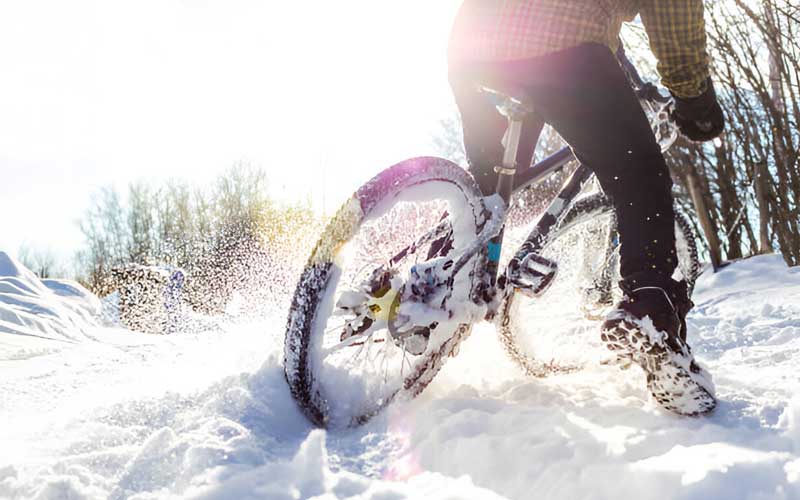
Riding your mountain bike in winter can be a fun and rewarding experience. The trails are quieter, the air is crisp, and the scenery is often stunning. But without the right gear, it can also be cold, wet, and miserable. One of the most important pieces of gear for winter riding is your footwear. Winter bike shoes are designed to protect your feet from the elements, keep them warm, and provide grip in slippery conditions. Choosing the right pair isn’t always easy, but this guide will help you find the best fit for your riding style and weather needs.
1. Know Why You Need Special Winter Shoes
Regular cycling shoes are built for performance in dry, mild conditions. They are usually well-ventilated and lightweight. But in winter, those features work against you. Cold air, wind, rain, and snow can easily get inside, making your feet freeze. These shoes are different. They are built with insulation, waterproof materials, and rugged soles. They help keep your feet warm, dry, and comfortable during cold rides. This is especially important for longer rides or rides in snowy and muddy conditions.
2. Waterproofing and Weather Protection
One of the first things to look for in winter MTB shoes is waterproofing. Wet feet can quickly turn a fun ride into a nightmare. Good winter shoes should have a waterproof outer layer. Many use materials like Gore-Tex or similar membranes to block water while still allowing moisture to escape. Look for shoes with high cuffs or ankle gaiters. These features stop water and snow from getting in at the top. Some models also have sealed seams and waterproof zippers for extra protection.
3. Insulation and Warmth
Insulation is key for cold weather riding. Winter shoes often have a thick, warm lining inside. Fleece, Thinsulate, or Primaloft are common materials that trap heat without adding too much bulk. If you ride in extreme cold, look for shoes with more insulation. However, keep in mind that more insulation can mean less breathability. If you ride hard and sweat a lot, your feet may get damp inside. So, it’s important to balance warmth and ventilation based on your local climate.
4. Fit and Comfort
Comfort is crucial, especially in winter when rides can be longer and conditions more challenging. Make sure the shoes fit well with your winter socks. Try them on with thicker socks or even heated insoles if you plan to use them. Your toes should have some wiggle room, but the shoes should not feel loose. A snug heel and midfoot help avoid blisters and improve pedaling efficiency. Some winter shoes use a BOA dial or Velcro system instead of traditional laces. These are easier to adjust with gloves and help keep out snow and mud.
5. Pedal Compatibility: Clipless or Flat
Your choice of pedals affects what kind of shoes you need. Winter mountain biking shoes come in both flat and clipless (SPD-style) versions. Flat pedal shoes usually have a grippy rubber sole that helps you stay planted on the pedal. These are great for trail and enduro riders who may need to dab a foot or walk sections. Clipless shoes have a recessed cleat that locks into the pedal. These are better for cross-country and long-distance riders who want better pedaling efficiency. Choose the one that fits your riding style and comfort level.
6. Sole Grip and Walkability
In winter, you might need to push or carry your bike over snow or ice. That’s why it’s important to choose shoes with a grippy sole. Look for rubber outsoles with aggressive tread patterns. These help provide traction when walking on slippery ground. Some winter shoes also have toe and heel spikes or bolt-on studs for extra grip in icy conditions. If you plan to hike-a-bike often, walkability should be a top priority.
7. Breathability and Moisture Control
While keeping water out is important, so is letting sweat escape. If your shoes don’t breathe well, moisture builds up inside and makes your feet cold. This is especially true if you ride hard or climb hills. Look for shoes with breathable linings or vents designed to let out moisture without letting in water. A moisture-wicking insole can also help. And always wear moisture-wicking socks—not cotton ones—which pull sweat away from your skin and help keep your feet dry.
8. Durability and Build Quality
Winter riding can be hard on gear. Mud, salt, and moisture wear things out faster. That’s why it’s smart to invest in a pair of shoes made with tough materials. Look for reinforced toe caps, strong zippers, and quality stitching. Rubber bumpers around the sides and front also help protect against rock strikes and trail damage. It’s worth spending a bit more on shoes that will last several winters rather than buying a cheap pair that fails in one season.
9. Weight and Bulk
Winter shoes are usually heavier and bulkier than summer shoes. That’s normal, due to the added insulation and materials. However, too much weight can make pedaling harder and affect your ride feel. If you often ride longer distances, choose a pair that offers a good balance between protection and lightness. Trying them on in-store (or checking the weight online) can help you avoid a shoe that feels too clunky.
10. Price and Budget
The price can cost anywhere from $100 to over $300. Price usually reflects materials, waterproofing, and brand. A mid-range shoe will meet most riders’ needs. High-end models often have advanced insulation, BOA dials, and superior build quality. Budget shoes may work for mild winters but often lack full waterproofing and warmth. Consider how often you ride in winter and how cold it gets. If you only ride occasionally, a mid-range shoe is enough. But if you’re a year-round rider, a top-tier model is worth the investment.
11. Extra Tips for Cold Feet
Even with the best shoes, your feet might still get cold. Here are some quick tips:
-
Use wool or thermal socks.
-
Avoid socks that are too thick—they can reduce circulation.
-
Use toe warmers or heated insoles for extra cold rides.
-
Loosen your shoes slightly—tight shoes reduce blood flow.
-
Keep your core warm. A warm body helps your feet stay warmer too.
Final Thoughts
Choosing the right winter mountain bike shoes can make all the difference on cold rides. Look for key features like waterproofing, insulation, fit, grip, and pedal compatibility. Match your shoe choice to the type of riding you do and the winter conditions in your area. Don’t forget to consider comfort, breathability, and durability too. With the right shoes, your feet will stay warm, dry, and happy, even on the frostiest trails. That means you’ll ride more, enjoy it more, and get the most out of winter biking.