
Best Full Face Mountain Bike Helmets 2026
If you love mountain biking, safety should come first. A full face helmet protects your head, face, and jaw. It’s a must for rough trails and downhill rides. Accidents can happen anytime. The right helmet can reduce injury. But with so many helmets out there, choosing one is tough. We’re here to help. This guide covers the best full face mountain bike helmets available. We focus on comfort, fit, airflow, and protection.
1. Smith Mainline MIPS

- Shell Material: Koroyd and EPS
- Ventilation: 21 optimized vents
- Certification: ASTM F1952, NTA-8776 E-Bike Certified
- Weight: 1.68 lbs
The Smith Mainline is a premium full-face helmet designed for enduro and downhill riders who want the latest in safety and comfort. It features MIPS technology to reduce rotational forces during impacts and a unique Koroyd structure that absorbs energy efficiently while remaining lightweight. With 21 well-placed vents, this helmet ensures top-tier ventilation on even the hottest days.
The Mainline includes an adjustable visor, a dial-fit system, and multiple sets of pads for a customizable fit. Its build quality feels top-notch, with attention to detail evident in every seam and edge. The helmet fits snugly without being restrictive, and the plush interior enhances long-ride comfort. It’s ideal for serious riders looking for a blend of high-end protection, lightweight construction, and user-focused design.
Pros:
- MIPS and Koroyd for advanced protection
- Excellent airflow
- Customizable fit
- Premium construction and finish
Cons:
- Expensive
- Might be overbuilt for casual riders
2. Demon United Podium

- Shell Material: Polycarbonate
- Ventilation: 13 airflow vents
- Certification: CPSC certified
- Weight: 2.2 lbs.
The Demon United Podium Fullface Helmet is a solid option for riders who prioritize full-face protection without the heavy bulk of traditional motocross helmets. Made with a strong yet lightweight thermal alloy resin polycarbonate shell, this helmet manages to provide robust impact resistance while maintaining comfort over extended rides. The 13 integrated ventilation ports do an admirable job of circulating air, preventing excessive sweating during downhill runs.
This helmet also stands out for its sleek, race-inspired design available in multiple colors. Despite its sturdy construction, it doesn’t feel overly restrictive and fits securely with its padded interior. While the visor is non-adjustable, it does provide decent shade. Riders with larger heads might find sizing a bit snug, so double-check measurements before ordering. Overall, the Demon United Podium is a reliable and stylish helmet for downhill and freeride enthusiasts.
Pros:
- Lightweight yet durable shell
- Excellent ventilation system
- Stylish and aerodynamic design
- Affordable price point
Cons:
- Non-adjustable visor
- Fit may be tight for larger head sizes
3. Troy Lee Designs Stage MIPS
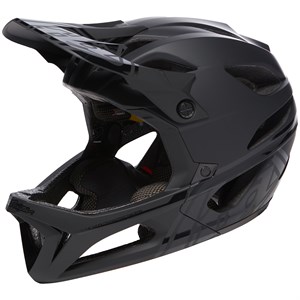
- Shell Material: Aluminum, EPP, EPS, Polycarbonate
- Ventilation: 14 vents
- Certification: Multiple
- Weight: 1.52 lbs
The Troy Lee Designs Stage MIPS is a top-tier full-face helmet built for enduro riders who want maximum protection without sacrificing comfort. It combines a lightweight Polylite shell with fiber reinforcement and a polyacrylite chinbar reinforced by an EXOskeleton for durability. Inside, dual-density EPS co-molded with EPP manages both high- and low-speed impacts, while the integrated MIPS system adds protection against rotational forces. With a full-face design, it feels extremely secure, yet Troy Lee has made sure comfort isn’t compromised.
Comfort and safety are complemented by thoughtful details like the Fidlock magnetic buckle system, odor-fighting X-Static comfort liner, and wide-range adjustable visor. The helmet is also safety-certified across multiple international standards, reassuring riders of its reliability on technical terrain. On the downside, while ventilation is solid for a full-face, it still can’t match the breathability of half-shell helmets, making it warmer during all-day rides. Its premium build and features also come at a higher price, which may deter budget-conscious riders.
Pros:
- Excellent protection
- Lightweight full-face design
- Customizable fit
- Strong airflow
Cons:
- Expensive
- Warmer than half-shell helmets
4. BELL Super 3R MIPS

- Shell Material: Polycarbonate
- Ventilation: 23 vents
- Certification: Multiple
- Weight: 1.72 lbs
The Bell Super 3R MIPS is a highly versatile helmet designed for riders who want both trail comfort and downhill protection in one package. Its standout feature is the removable chin bar, which attaches securely with a simple three-step process and no tools required. This gives you the flexibility to switch between half-shell mode for climbs and full-face protection for descents. The helmet also includes MIPS technology, adding a slip-plane layer to reduce rotational forces in angled impacts.
Practical features make the Super 3R even more appealing, such as the GoggleGuide adjustable visor that works with glasses or goggles and an integrated breakaway camera mount for safe action footage. The No-Twist Tri-Glides help keep straps flat and properly adjusted, adding to overall comfort and fit security. However, while the removable chin bar is convenient, it doesn’t offer the same structural strength as a dedicated full-face helmet, making it less ideal for extreme downhill racing. It’s also on the pricier side, though still more affordable than buying two separate helmets.
Pros:
- Versatile design with removable chin bar
- Excellent ventilation, MIPS protection
- Adjustable visor and camera mount
Cons:
- Less robust than a dedicated full-face helmet
- premium price
5. OutdoorMaster Grizzly Helmet

- Shell Material: Reinforced ABS
- Ventilation: 12 large vents
- Certification: CPSC certified
- Weight: 1.65 lbs
The OutdoorMaster Grizzly is a versatile full-face helmet suitable for various mountain biking disciplines. Its most standout feature is the removable chin guard, allowing for quick transitions between full-face protection and open-face convenience. The helmet uses a reinforced ABS shell, which, combined with a high-density EPS foam liner, ensures impact resistance without a weight penalty.
The 12 large vents facilitate superior airflow, making this helmet ideal for warmer climates or long rides. Riders will also appreciate the plush interior padding that adds comfort without reducing breathability. While it doesn’t include MIPS technology, it provides ample protection for moderate to challenging trails. It’s a great pick for riders looking for both functionality and flexibility.
Pros:
- Dual-mode (removable chin guard)
- Comfortable interior padding
- Good ventilation
- Value for money
Cons:
- No MIPS protection
- Chin guard can feel slightly loose
6. ILM ZL-B068 Full Face Helmet

- Shell Material: High-resistance ABS
- Ventilation: 21 air vents
- Certification: CPSC and CE certified
- Weight: 2.4 lbs
The ILM ZL-B068 is a lightweight full-face helmet built with a focus on comfort and ventilation. Its 21 strategically placed vents make it one of the most breathable helmets on the market, a major plus for riders in hot climates or those tackling uphill trails. The high-resistance ABS shell paired with EPS foam ensures impact protection across a wide range of scenarios.
The helmet’s aerodynamic shape minimizes drag, and the detachable sun visor adds utility during bright rides. With certifications from both CPSC and CE, this helmet offers peace of mind in terms of safety. The padding is also removable and washable, aiding in maintenance. It may feel a bit plasticky compared to premium models, but for the price, it delivers outstanding value.
Pros:
- Superior ventilation
- Lightweight design
- Washable interior pads
- Good value for budget-conscious riders
Cons:
- Slightly cheap feel in materials
- Less robust for extreme downhill
7. Lixada Full Face Helmet

- Shell Material: EPS + PC integrated molding
- Ventilation: 13 air vents
- Certification: Not specified
- Weight: 1.6 lbs
Lixada’s Full Face Mountain Bike Helmet is an affordable and lightweight choice for casual and intermediate trail riders. The EPS and PC composite shell construction offers good shock absorption and durability, while the 13 vents support a steady flow of air to prevent overheating. This model is particularly suited for riders who want full-face protection without feeling weighed down.
Its size range accommodates medium to slightly larger heads, and the adjustable fit dial makes it easier to find a snug fit. Although it lacks high-end features like MIPS, its simplicity and comfort make it a solid choice for entry-level mountain bikers or commuters looking for added protection. However, aggressive downhill riders might find it insufficient for more demanding terrain.
Pros:
- Lightweight and breathable
- Cost-effective
- Comfortable for casual use
- Adjustable fit system
Cons:
- No MIPS or advanced safety tech
- Not suitable for extreme riding
8. O’NEAL Sonus Deft Helmet

- Shell Material: ABS
- Ventilation: Multiple oversized vents
- Certification: EN1078 & CPSC
- Weight: 2.3 lbs
The O’NEAL Sonus Deft helmet brings bold design and practical features together in a reliable full-face helmet for trail and enduro riders. Made with a sturdy ABS shell, the helmet includes ample ventilation and a moisture-wicking, removable liner that keeps you cool and clean during long rides. The shell’s finish and graphics are especially eye-catching, making it a favorite for style-conscious riders.
The padding is plush yet firm, providing a secure feel without pressure points. The Sonus Deft performs well in a variety of environments and is durable enough to withstand frequent use. Its EN1078 and CPSC certifications ensure compliance with safety standards. Though a bit on the heavier side, the trade-off comes in the form of enhanced coverage and toughness.
Pros:
- Durable construction
- Stylish and bold graphics
- Comfortable interior padding
- Washable liner
Cons:
- Slightly heavier than competitors
- Visor lacks adjustability
9. BELL Sanction 2

- Shell Material: ABS with EPS liner
- Ventilation: 14 vents
- Certification: Multiple
- Weight: 2.9 lbs
The Bell Sanction 2 is designed as a versatile full-face helmet that caters to riders of all ages, from young shredders to seasoned veterans. It prioritizes a balance of fit and value, utilizing specialized ventilation padding and removable cheek pads to ensure long-term comfort and hygiene during intense rides.
Engineering-wise, the helmet stands out with its Flying Bridge Visor, which enhances airflow while removing traditional hardware to allow for more protective material in critical impact zones. Whether you are hitting the BMX track or downhill trails, this helmet offers robust protection backed by dual safety certifications for diverse cycling disciplines.
Pros:
- Multi-certified for Downhill and BMX use
- Excellent airflow through the Flying Bridge Visor
- Wide range of sizes including youth options
Cons:
- Limited to bicycle use only
- Lacks MIPS rotational impact technology
10. OutdoorMaster MIPS
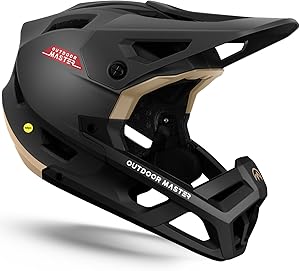
- Shell Material: Polycarbonate
- Ventilation: 27 vents
- Certification: Not specified
- Weight: 1.6 lbs
The OutdoorMaster MIPS helmet is a feature-rich choice for mountain bikers seeking high-end safety at a lightweight. By incorporating the MIPS system, it specifically addresses the dangers of rotational energy during angled impacts. The inclusion of an EPP collarbone impact system further demonstrates a comprehensive approach to rider safety.
Comfort is managed through an impressive array of 27 vents and a removable, washable liner. It is highly convenient for goggle users, featuring a dedicated strap channel and a pivoting visor to block the elements. With two sets of D-rings for fit adjustment, it provides a secure feel for various head shapes and sizes.
Pros:
- Includes MIPS technology for advanced safety
- Extremely lightweight at under 750g
- High number of vents for superior cooling
Cons:
- Limited size range compared to competitors
- D-ring adjustment may be slower than dial systems
Full-Face Mountain Bike Helmets: Comparison Table
| HELMET | SHELL | VENTILATION | WEIGHT |
|---|---|---|---|
| Smith Mainline MIPS | Koroyd and EPS | 21 optimized vents | 1.68 lbs |
| Demon United Podium | Polycarbonate | 13 airflow vents | 2.2 lbs. |
| Troy Lee Designs Stage MIPS | Aluminum, EPP, EPS, Polycarbonate | 14 vents | 1.52 lbs |
| BELL Super 3R MIPS | Polycarbonate | 23 vents | 1.72 lbs |
| OutdoorMaster Grizzly | Reinforced ABS | 12 large vents | 1.65 lbs |
| ILM ZL-B068 Full Face Helmet | High-resistance ABS | 21 air vents | 2.4 lbs |
| Lixada Full Face Helmet | EPS + PC integrated molding | 13 air vents | 1.6 lbs |
| O’NEAL Sonus Deft Helmet | ABS | Multiple | 2.3 lbs |
| BELL Sanction 2 | ABS with EPS liner | 14 vents | 2.9 lbs |
| OutdoorMaster MIPS | Polycarbonate | 27 vents | 1.6 lbs |
How to Choose Full-Face Mountain Bike Helmets
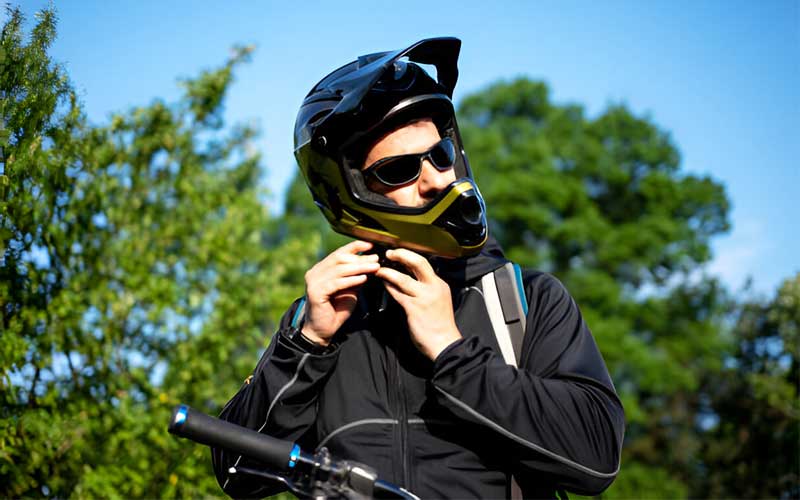
Mountain biking is one of the most thrilling and demanding outdoor sports. Whether you’re tearing down a downhill trail, navigating rocky terrain, or hitting a dirt jump, one thing remains non-negotiable: safety. And when it comes to head protection, full face mountain bike helmets are the gold standard—especially for aggressive trail riders, enduro racers, and downhill enthusiasts.
But not all full face helmets are created equal. Choosing the right one can be the difference between a safe ride and a dangerous mishap. In this detailed guide, we’ll explore what makes a full face helmet great, what features to prioritize, and how to find the best fit for your riding style and budget.
What is a Full Face Mountain Bike Helmet?
A full face helmet is designed to provide maximum protection by covering the head, face, chin, and jaw—unlike half-shell helmets that only protect the top and back of your head. It resembles a motocross helmet and includes a chin bar, often with a visor, providing enhanced safety during high-speed descents and technical trails.
Why Choose a Full Face Helmet?
The decision to wear a full face helmet often comes down to riding style and risk level. These helmets are particularly recommended for:
-
Downhill (DH) biking
-
Enduro races
-
Bike park sessions
-
Freeride and dirt jumping
If you’re riding trails where the risk of falls, crashes, or impacts is higher, a full face helmet is a wise investment.
Key Factors to Consider When Choosing a Full Face Helmet
1. Safety Certifications
The first and most critical factor is whether the helmet meets recognized safety standards. Look for:
-
ASTM F1952: The standard for downhill mountain biking helmets.
-
CPSC: U.S. Consumer Product Safety Commission for bike helmets.
-
EN 1078: European standard for cycling helmets.
The presence of certifications ensures that the helmet has been tested for impact resistance, retention system strength, and other safety features.
2. Fit and Comfort
A poorly fitting helmet can compromise protection and cause discomfort. Here’s what to look for:
-
Size Options: Measure your head circumference (usually above the eyebrows) and refer to the manufacturer’s size chart.
-
Padding: Look for helmets with removable, washable, and moisture-wicking padding. It should snugly hug your head without pressure points.
-
Retention System: A dial-fit or adjustable strap system ensures the helmet stays secure during intense rides.
Tip: Try the helmet on before buying if possible. Shake your head side to side and up and down; the helmet should remain stable.
3. Ventilation
Full face helmets are naturally warmer than half-shells, but modern designs offer excellent airflow through strategically placed vents and channels. Look for:
-
Multiple large vents for both intake and exhaust.
-
Breathable liner materials.
-
Open-face hybrid options for better breathability during long climbs.
For enduro riders who have to pedal uphill before descending, ventilation becomes even more crucial.
4. Weight
Weight is an essential consideration—especially if you’re pedaling for hours. Heavier helmets provide great protection but can cause fatigue over time.
-
Carbon fiber and composite shells are lighter but more expensive.
-
Polycarbonate helmets are affordable but generally heavier.
Look for helmets under 1000 grams if you want a balance between safety and comfort.
5. MIPS and Advanced Protection
Modern full face helmets often feature MIPS (Multi-directional Impact Protection System) or similar technologies to reduce rotational forces during a crash. This is especially valuable in protecting against concussions.
Some helmets may also include dual-density EPS foam or smart shock systems that absorb and disperse energy more effectively.
6. Removable Chin Bar
If you’re an all-mountain or enduro rider, a helmet with a removable chin bar offers two-in-one versatility. Use it in full face mode for descents and switch to open-face for climbs or casual rides.
Brands like Bell Super DH or Giro Switchblade are known for their quality convertible helmets.
7. Visor Design
A good visor does more than just block the sun:
-
It should be adjustable to accommodate goggles.
-
Some are breakaway to reduce injury risk during crashes.
-
Certain visors are designed to work with action cameras like GoPros.
Additional Considerations
Goggle Compatibility
Most full face helmets are designed to pair with goggles rather than sunglasses. Make sure the eye port accommodates your preferred goggles, and that the helmet has a goggle strap holder.
Style and Aesthetics
While safety is the priority, you’ll also want a helmet that reflects your personality. Full face helmets come in a wide variety of colors, designs, and finishes.
Price Range
Expect to pay anywhere from $100 to $600+ for a full face helmet:
-
Budget: Basic protection, heavier, fewer features.
-
Mid-range: MIPS, decent ventilation, solid comfort.
-
High-end: Lightweight materials, superior padding, advanced safety tech.
Top Brands to Consider
When shopping for a full face mountain bike helmet, you can’t go wrong with these trusted brands:
-
Fox Racing (e.g., Proframe)
-
Troy Lee Designs (e.g., Stage, D4)
-
Bell (e.g., Super DH, Full-9)
-
Giro (e.g., Switchblade, Insurgent)
-
POC (e.g., Otocon)
-
Leatt (e.g., DBX 4.0)
Final Thoughts
Choosing the right full face mountain bike helmet boils down to your riding style, terrain, and personal preferences. Whether you prioritize lightweight comfort, maximum protection, or versatile convertibility, there’s a helmet that matches your needs.
Before purchasing, always:
-
Check reviews from real riders.
-
Try it on for fit and comfort.
-
Don’t compromise on safety features—especially certifications and impact protection.
Remember, your helmet is the most important piece of gear you’ll wear on a ride. A quality full face helmet isn’t just a product—it’s a life-saving investment. Ride hard. Ride safe. Protect your head.