Best BMX Freewheels of 2025
If you ride BMX, you know how important a smooth freewheel is. It controls your coasting and pedaling. A good freewheel makes tricks easier and rides smoother. It also adds speed and power when you need it most. Choosing the best BMX freewheel can feel confusing with so many options. Some work better for racing, while others are made for freestyle. The right one depends on your style and bike setup. This guide will help you understand what makes a freewheel strong and reliable. We’ll also share the best picks available. That way, you can ride with confidence and enjoy every move.
1. DRIFT MANIAC 14T–18T Freewheel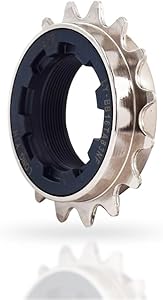
-
Sizes: 14T, 15T, 16T, 17T, 18T
-
Material: Heat-treated steel
-
Threading: 1.37″ x 24T standard
-
Weight: 160–220g (varies by size)
This DRIFT MANIAC freewheel offers a wide range of tooth sizes, making it an excellent choice for BMX riders who want to customize gearing for speed or torque. The steel construction feels sturdy and reliable, giving confidence that it can handle aggressive pedaling and sudden pressure during tricks or sprints. Installation is straightforward thanks to its standard threading, which fits most BMX hubs without fuss.
On the road or at the park, this freewheel delivers smooth engagement with consistent performance. It is designed to withstand tough riding conditions, though like most freewheels, regular cleaning and lubrication will help extend its lifespan. Its slightly heavier build compared to higher-end options is hardly noticeable for casual or intermediate riders, making it a balanced mix of affordability and performance.
Pros:
-
Multiple size options for different gearing needs
-
Durable heat-treated steel build
-
Smooth performance with solid engagement
-
Easy to install on most BMX hubs
Cons:
-
Slightly heavier than premium models
-
Can get noisy if not well-maintained
2. ACS Main Drive 16T Freewheel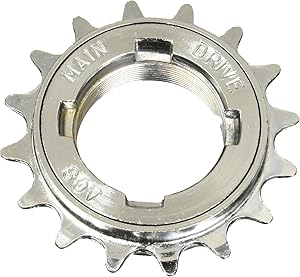
-
Size: 16T x 1/8″
-
Material: Chromoly steel
-
Threading: 1.37″ x 24T standard
-
Weight: Approx. 180g
The ACS Main Drive freewheel has earned a reputation for being one of the most dependable choices for single-speed BMX setups. Its chromoly steel construction ensures excellent durability, capable of withstanding the demands of heavy pedaling and dirt track abuse. With its 16T design, it provides a solid middle ground for both cruising and racing.
In practice, the ACS Main Drive engages quickly and smoothly, offering a reliable ride whether you’re practicing tricks or racing at the park. Its precision machining ensures a snug fit on the hub, which reduces wobbling and uneven wear. While it isn’t the lightest freewheel on the market, it makes up for it with lasting performance and ease of installation.
Pros:
-
Strong and durable chromoly steel build
-
Smooth and consistent engagement
-
Reliable for racing and freestyle riding
-
Easy installation with standard threading
Cons:
-
Only available in 16T
-
Slightly heavier compared to alloy options
3. DRIFT MANIAC 16T Freewheel (30-Point Engagement)
-
Size: 16T
-
Engagement: 30 points
-
Threading: Standard 1.37″ x 24T
-
Material: Alloy steel
This DRIFT MANIAC freewheel stands out with its 30-point engagement system, making it an excellent option for riders who demand responsiveness. Each pedal stroke feels efficient, with minimal lag before the freewheel engages. This responsiveness is especially valuable for BMX tricks, sprints, and quick accelerations.
Durability is another strong point thanks to its alloy steel build, which can handle the wear and tear of aggressive riding. While it may not be as silent as high-end models, it strikes a balance between performance and affordability. Riders looking for reliability with a faster engagement system will find it a great match.
Pros:
-
30-point engagement for quick response
-
Durable alloy steel build
-
Fits most BMX hubs with ease
-
Good balance between cost and performance
Cons:
-
Only available in 16T
-
Can be slightly noisy under heavy use
4. DRIFT MANIAC 13T Freewheel
-
Size: 13T
-
Material: Steel
-
Compatibility: 1/2″ x 1/8″ single-speed chains
-
Threading: 1.37″ x 24T
The DRIFT MANIAC 13T freewheel is designed for riders who prefer higher speed with less resistance. Its small tooth count makes it perfect for racers or BMX riders who want quicker rotations and smoother acceleration. Built from steel, it offers solid durability and resists wear over time.
Despite its compact size, the freewheel doesn’t compromise on strength. It is easy to install and fits standard BMX hubs without issues. However, being a smaller cog, it may not be ideal for those who prefer more torque for climbing or heavy tricks. Instead, it excels for speed-focused riders who want quick, efficient pedaling.
Pros:
-
Compact 13T design for speed
-
Durable steel construction
-
Easy installation and compatibility
-
Smooth rotation with single-speed chains
Cons:
-
Limited torque due to smaller size
-
Less versatile compared to mid-size freewheels
5. Odyssey 13T Freewheel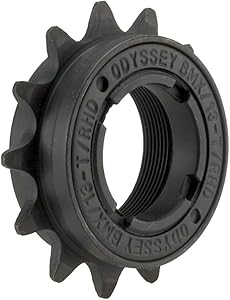
-
Size: 13T
-
Type: Threaded, metric standard
-
Material: Steel body
-
Weight: Approx. 170g
The Odyssey 13T freewheel is a trusted choice among BMX enthusiasts for its high-quality construction and smooth engagement. With a threaded, metric-standard fit, it installs easily on compatible hubs. Its steel body ensures durability, making it suitable for freestyle and street riding.
In use, the Odyssey freewheel provides consistent performance with minimal slippage, even under heavy pedaling. Its 13T setup is perfect for riders aiming for higher speeds and fast acceleration. While it may not offer as much torque as larger cogs, it shines in fast-paced riding and technical street tricks.
Pros:
-
Strong and reliable steel construction
-
Smooth engagement under pressure
-
Perfect for fast-paced BMX riding
-
Easy installation with metric threading
Cons:
-
Limited torque output
-
Compatibility restricted to metric hubs
6. Shimano MX30 Freewheel
-
Sizes: 16T and 18T options
-
Material: Hardened steel
-
Threading: Standard 1.37″ x 24T
-
Weight: 200–220g
The Shimano MX30 is a premium single-speed freewheel that stands out for its high-quality construction and longevity. Shimano’s precision engineering ensures a smooth, reliable ride, making it one of the most trusted choices for BMX riders. The hardened steel body can handle repeated abuse from jumps, tricks, and fast acceleration.
This freewheel delivers smooth pedaling engagement and is quieter compared to many competitors. Installation is straightforward, and it’s designed to fit most standard BMX hubs. Though slightly pricier than budget options, the investment pays off in long-term durability and top-notch performance.
Pros:
-
Reliable Shimano quality and design
-
Smooth, quiet engagement
-
Durable hardened steel build
-
Available in multiple sizes
Cons:
-
Higher price than budget models
-
Slightly heavier than lightweight alternatives
7. ACS Paws 4.1 Freewheel 16T
-
Size: 16T
-
Engagement: 4 pawls
-
Material: Hardened steel
-
Threading: 1.37″ x 24T
The ACS Paws 4.1 freewheel is designed for riders who want dependable engagement with solid performance. Its 4-pawl system provides reliable power transfer with quick engagement, making it a great choice for BMX tricks, racing, and park riding. The hardened steel build adds extra durability, ensuring it can handle frequent use.
When tested, the ACS Paws 4.1 offers consistent smoothness and holds up well under stress. Its 16T setup gives a balanced mix of speed and torque, making it versatile for different riding styles. While not the quietest option, it is robust and long-lasting, delivering reliable performance for dedicated riders.
Pros:
-
4-pawl engagement system for reliability
-
Durable hardened steel construction
-
Balanced 16T size for versatility
-
Trusted brand for BMX riders
Cons:
-
Can be slightly noisy
-
Limited to a single size option
How to Choose BMX Freewheels
When it comes to BMX bikes, every part plays an important role in delivering performance, comfort, and durability. One of the most overlooked yet crucial components is the freewheel. This small but mighty part is what allows you to coast without pedaling, while also engaging instantly when you start pedaling again. Choosing the right BMX freewheel can make a noticeable difference in your riding experience, whether you’re into freestyle tricks, racing, or street riding.
This guide breaks down what BMX freewheels are, how they differ from cassettes, and what factors you need to consider before making a purchase.
What is a BMX Freewheel?
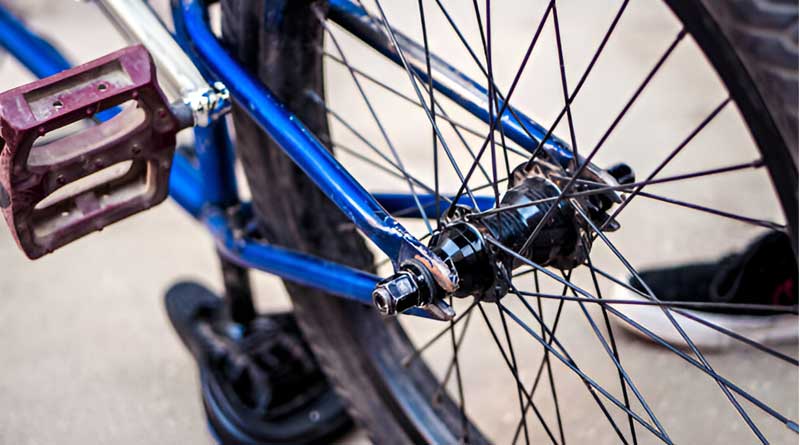
A freewheel is a rear sprocket that screws directly onto the rear hub of your BMX bike. It contains an internal ratchet-and-pawl system that engages when you pedal forward and disengages when you coast. This system not only makes riding smoother but also affects responsiveness, durability, and the overall “feel” of your bike.
Unlike cassettes, which slide onto a freehub body, freewheels are threaded onto the hub, making them more common in entry-level and mid-tier BMX setups. Many freestyle BMX riders also prefer freewheels for their simplicity and reliability.
Freewheel vs. Cassette: Which is Better for BMX?
Before choosing a freewheel, it’s important to understand how it compares to a cassette:
-
Freewheel
-
Screws directly onto the hub
-
Easier to install and replace
-
Often cheaper
-
Typically found on beginner and freestyle BMX bikes
-
-
Cassette
-
Requires a freehub body
-
Lighter and stronger overall
-
Allows for more precise engagement
-
Common in BMX racing and high-end setups
-
If you’re riding freestyle, flatland, or street, a freewheel is often the go-to. Racers, on the other hand, might prefer the performance advantages of a cassette.
Key Factors to Consider When Choosing a BMX Freewheel
1. Compatibility with Your Hub
The first and most important step is ensuring your chosen freewheel matches your hub threading. Most BMX freewheels use a standard 1.37” x 24 TPI (threads per inch) threading, but always double-check your hub’s specifications. Using an incompatible freewheel will damage your hub threads.
2. Tooth Count (Gear Size)
Freewheels are available in different tooth counts, usually ranging between 13T and 22T. The tooth count directly affects your gear ratio:
-
Lower tooth count (13T–15T): Harder to pedal, faster top speed – great for racing.
-
Higher tooth count (16T–22T): Easier to pedal, slower top speed – ideal for freestyle and tricks.
For freestyle riders, 16T or 17T freewheels are a popular choice, while racers often stick to smaller sizes for maximum speed.
3. Engagement Mechanism (Pawls and Points of Engagement)
The engagement system inside a freewheel determines how quickly it engages when you start pedaling:
-
More pawls and engagement points = quicker response
-
Fewer pawls = more slack before engagement
Street riders may not notice a huge difference, but racers and technical freestyle riders benefit from quicker engagement.
4. Durability and Build Quality
Cheap freewheels often wear out quickly, especially if you ride aggressively. Look for options made from hardened steel with good sealing against dirt and moisture. A well-built freewheel not only lasts longer but also maintains smooth performance.
5. Weight
While freewheels aren’t extremely heavy, competitive riders still consider weight. A lighter freewheel can improve acceleration, especially when combined with lightweight cranks and wheels.
6. Price vs. Performance
Freewheels can cost anywhere from $15 to $80+, depending on brand, quality, and engagement features. Beginners may be fine with budget models, while advanced riders should invest in higher-end freewheels for smoother performance and reliability.
Popular BMX Freewheel Sizes and Their Uses
| Tooth Count | Best For | Notes |
|---|---|---|
| 13T–14T | BMX Racing | High speed, less torque, harder starts |
| 15T | Racing / Street | Balanced, but still on the faster side |
| 16T–17T | Freestyle / Street | Popular choice for tricks and control |
| 18T–22T | Flatland / Beginners | Easier pedaling, ideal for learning tricks |
Top BMX Freewheel Brands to Consider
1. Dicta
-
Affordable and widely available
-
Common choice for beginners and casual freestyle riders
-
Known for decent durability at a budget price
2. ACS Claws
-
A popular mid-range option
-
Smooth performance and reliable engagement
-
Available in multiple tooth sizes
3. Shimano
-
Trusted brand with high-quality freewheels
-
Better sealing and durability compared to cheaper models
-
Great for riders who want long-term reliability
4. Odyssey
-
Focused on BMX-specific components
-
Strong, smooth, and built for freestyle abuse
-
Slightly more expensive but worth the investment
5. White Industries ENO
-
Premium freewheel with extremely high engagement
-
Designed for advanced riders who demand top performance
-
Very durable, though quite expensive
Maintenance Tips for BMX Freewheels
Even the best freewheel won’t last long without proper care. Here are some quick tips to extend its life:
-
Clean regularly: Dirt and grime can get into the mechanism and cause skipping or sticking.
-
Lubricate carefully: Use a light oil, but don’t overdo it—too much lube can attract dirt.
-
Inspect for wear: Check the teeth and engagement regularly; replace if you notice slipping.
-
Avoid cross-threading: When installing, start threading by hand to prevent damage.
Should You Upgrade Your Freewheel?
If you’re happy with your current setup and ride casually, you may not need an upgrade right away. However, consider upgrading if you experience:
-
Slipping or skipping when pedaling hard
-
Rust or grinding noises inside the freewheel
-
A need for a different gear ratio to match your style
-
Desire for quicker engagement for racing or technical tricks
Final Thoughts
Choosing the right BMX freewheel might seem like a small detail, but it can significantly affect your riding performance and comfort. By paying attention to compatibility, tooth count, engagement quality, durability, and brand reputation, you can find a freewheel that perfectly matches your riding style.
For freestyle riders, a 16T–18T durable freewheel is usually the best choice, while racers may prefer 13T–15T models with quicker engagement. Beginners, on the other hand, should start with a reliable mid-range option from trusted brands like Dicta, ACS, or Shimano.
Investing in the right freewheel means smoother coasting, faster engagement, and better overall control—allowing you to focus on what really matters: enjoying your BMX rides to the fullest.