Best BMX Pedals of 2025
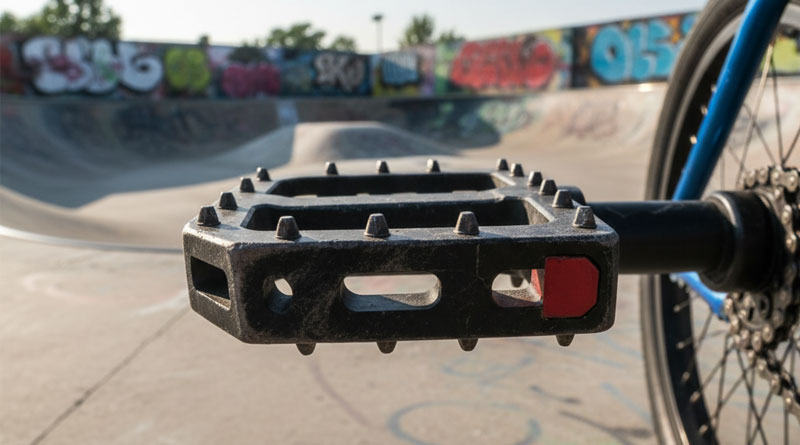
BMX riding needs strong and reliable pedals for the best performance. The right pedals help you balance and control better. They also give you a safe grip when doing tricks or riding on rough tracks. Good pedals can make your ride smoother and more fun. There are many types of BMX pedals with different materials and designs. Some are lightweight, while others are heavy-duty for tough rides. Choosing the right one depends on your style and needs. In this article, we review the best BMX pedals available. This will help you find the perfect match for your bike and riding experience.
1. ROCKBROS MTB Pedals Nylon Fiber 9/16″
-
Material: Nylon fiber composite body with Cr-Mo steel spindle
-
Size: 4.4 x 3.9 inches platform
-
Weight: Approx. 0.8 lbs (365g per pair)
-
Thread: Standard 9/16″
The ROCKBROS MTB Pedals are designed with durability and comfort in mind, offering a wide platform that provides solid foot support during rides. The nylon fiber material gives them a lightweight yet sturdy build, making them suitable for BMX, MTB, and even road bikes. They come with anti-skid pins on each side to keep shoes in place, especially during off-road cycling where grip is crucial.
One of the key highlights of these pedals is their balance between affordability and performance. They withstand rough terrains while reducing the chances of foot slippage. The sealed bearings also help in keeping out dirt and water, enhancing their lifespan. For riders who want dependable pedals without spending excessively, ROCKBROS pedals strike an impressive balance.
Pros:
-
Lightweight yet durable build
-
Excellent grip with anti-skid pins
-
Affordable price point
-
Sealed bearings resist dirt and moisture
Cons:
-
Nylon fiber less durable than full aluminum
-
Pins may need occasional tightening
2. TXJ Sports Bike Pedals 9/16″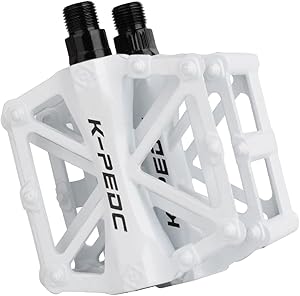
-
Material: Aluminum alloy platform with Cr-Mo steel axle
-
Size: 4.7 x 4.1 inches
-
Weight: Approx. 0.9 lbs (400g per pair)
-
Thread: Standard 9/16″
The TXJ Sports Bike Pedals are designed for versatility, working well on BMX, MTB, and road bikes. With a full aluminum platform, these pedals provide excellent durability while maintaining a reasonable weight. Their wide platform ensures stability, while the built-in traction pins keep your feet steady during climbs, descents, or tricks.
These pedals also stand out for their efficiency in power transfer. The aluminum build feels sturdy underfoot, giving confidence for aggressive riding. They feature sealed bearings, reducing maintenance and ensuring smoother pedaling over time. While they may not be the lightest option, their durability makes them a great choice for riders who prioritize strength and performance.
Pros:
-
Strong aluminum alloy construction
-
Wide platform for enhanced stability
-
Sealed bearings for smooth operation
-
Good for multiple bike types
Cons:
-
Slightly heavier than nylon models
-
Pins can be harsh on shoes
3. FOOKER Pedals Nylon Fiber 9/16″
-
Material: Nylon fiber body with Cr-Mo spindle
-
Size: 4.3 x 3.9 inches
-
Weight: Approx. 0.75 lbs (350g per pair)
-
Thread: Standard 9/16″
FOOKER’s nylon fiber MTB pedals are a favorite among budget-conscious riders seeking lightweight yet reliable performance. The platform design is wide enough to ensure secure footing, while the anti-skid pins keep your shoes in place even on rugged trails. They are designed for BMX, MTB, and urban riders who need a solid grip without spending too much.
The sealed bearing system enhances smooth pedaling and protects the pedals from dirt and grime. Despite being made of nylon fiber, the build feels sturdy and shock-absorbent, giving a comfortable pedaling experience. These pedals are ideal for beginners or casual riders who want dependable pedals that can handle everyday cycling needs.
Pros:
-
Very lightweight and affordable
-
Good grip with multiple anti-skid pins
-
Comfortable for long rides
-
Sealed bearings improve durability
Cons:
-
Not as strong as aluminum pedals
-
Pins wear down with heavy use
4. FOOKER Bike Pedals Aluminum Alloy 9/16″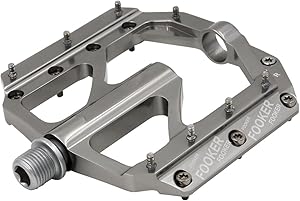
-
Material: Aluminum alloy body with Cr-Mo spindle
-
Size: 4.5 x 4.0 inches
-
Weight: Approx. 0.95 lbs (430g per pair)
-
Thread: Standard 9/16″
The aluminum alloy FOOKER pedals are a step up in strength compared to their nylon counterparts. With a wide platform and strong metal pins, these pedals are built for riders who push their bikes through demanding trails or BMX tricks. The solid aluminum frame ensures durability and impact resistance, while the anti-slip design keeps feet firmly planted.
These pedals also boast three sealed bearings, offering smooth pedaling and resistance against dirt and water. The feel is very stable, making them ideal for downhill, MTB, and freestyle BMX use. Riders looking for toughness and longevity will find this FOOKER option a solid investment.
Pros:
-
Durable aluminum alloy build
-
Excellent grip with strong metal pins
-
Smooth ride thanks to 3 sealed bearings
-
Great for aggressive riders
Cons:
-
Heavier than nylon pedals
-
Pins can be rough on casual shoes
5. Gineyea Bike Pedals Nylon Fiber 9/16″
-
Material: Nylon fiber composite body
-
Size: 4.3 x 3.9 inches platform
-
Weight: Approx. 0.78 lbs (355g per pair)
-
Thread: Standard 9/16″
The Gineyea Bike Pedals deliver a lightweight and affordable option for BMX and MTB riders. The nylon fiber platform provides a good mix of strength and comfort, while the anti-slip pins enhance traction. Their universal fit makes them suitable for most bikes, from road to mountain, making them a versatile pick.
Performance-wise, these pedals offer good support with minimal flex. The sealed bearing system keeps the ride smooth and resists dust and mud buildup, a bonus for trail riders. They may not have the rugged durability of aluminum, but for everyday use and casual cycling, they perform reliably without weighing you down.
Pros:
-
Lightweight and comfortable
-
Affordable and versatile
-
Universal fit for different bike types
-
Sealed bearings resist dirt and dust
Cons:
-
Not ideal for heavy-duty use
-
Pins may loosen over time
6. JETCAT Mountain Bike Pedals Flat 9/16″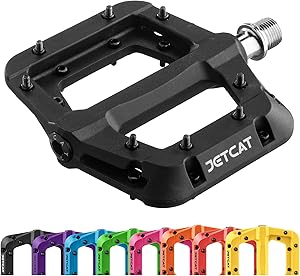
-
Material: Aluminum alloy platform with steel axle
-
Size: 4.7 x 4.3 inches
-
Weight: Approx. 0.95 lbs (430g per pair)
-
Thread: Standard 9/16″
The JETCAT flat mountain bike pedals are engineered for versatility and durability. Made from aluminum alloy, they provide excellent stability for MTB, BMX, gravel, and even e-bikes. Their large surface area accommodates all shoe sizes, making them a solid option for both adults and kids.
These pedals shine in grip and stability, thanks to their well-placed traction pins. They feel robust and reliable, especially during aggressive riding or tricks. The sealed bearings enhance smoothness while protecting the internals from mud and water. Riders seeking a long-lasting and multipurpose pedal will appreciate what JETCAT offers.
Pros:
-
Large surface area supports all shoe sizes
-
Durable aluminum build
-
Good for MTB, BMX, gravel, and e-bikes
-
Sealed bearings ensure smooth rotation
Cons:
-
Slightly heavier than nylon alternatives
-
Pins can cause shoe wear
7. MEGHNA Bike Pedals 1/2″ & 9/16″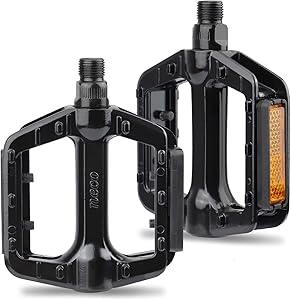
-
Material: Aluminum alloy with steel spindle
-
Size: 4.5 x 4.0 inches
-
Weight: Approx. 0.88 lbs (400g per pair)
-
Thread: Available in 1/2″ and 9/16″ options
The MEGHNA Bike Pedals offer a unique advantage by providing compatibility with both 1/2″ and 9/16″ threads, making them versatile for BMX, mountain bikes, cruisers, and even kids’ bikes. Built from aluminum alloy, they provide a strong and stable platform for safe pedaling.
Their non-slip design, combined with solid construction, makes them a reliable choice for various riding styles. Whether it’s freestyle BMX or casual beach cruising, these pedals adapt well. The aluminum platform ensures long-term durability, while the lightweight design keeps rides smooth and comfortable.
Pros:
-
Dual thread compatibility (1/2″ & 9/16″)
-
Strong aluminum alloy construction
-
Versatile for multiple bike types
-
Non-slip grip for better control
Cons:
-
Heavier than nylon pedals
-
May feel basic compared to premium models
How to Choose BMX Pedals
When it comes to BMX bikes, every component plays a vital role in performance, comfort, and safety. Among these, pedals are often overlooked, yet they are one of the most critical contact points between the rider and the bike. The right pair of BMX pedals not only enhances control but also ensures smooth energy transfer, better grip, and improved durability for tricks, jumps, and daily riding.
With countless options available, choosing the perfect BMX pedals can feel overwhelming. This guide breaks down everything you need to know—types, materials, features, and buying considerations—so you can make the right choice based on your riding style and needs.
1. Understanding the Role of BMX Pedals
BMX pedals are more than just footrests. They:
-
Provide grip for better bike control during stunts and jumps.
-
Enable efficient power transfer for speed and maneuvering.
-
Absorb impact during landings, reducing strain on your feet.
-
Add stability and confidence in both freestyle and racing disciplines.
Because of their direct contact with the rider, pedals influence the overall BMX riding experience more than many realize.
2. Types of BMX Pedals
BMX pedals generally fall into two main categories:
Flat Pedals
Flat pedals are the most common type for BMX bikes. They offer a wide platform with grip-enhancing pins or textures to keep shoes in place.
-
Best For: Freestyle, street, dirt, and park riding.
-
Pros: Easy to get on and off, versatile, safe for tricks.
-
Cons: Less efficient for sprinting compared to clipless systems.
Clipless Pedals
Clipless pedals use a cleat system that locks your shoes into the pedal.
-
Best For: BMX racing, where speed and efficiency matter most.
-
Pros: Secure foot placement, improved power transfer.
-
Cons: Requires special shoes, not suitable for tricks, takes time to learn.
For most BMX riders, especially beginners and freestyle enthusiasts, flat pedals are the go-to choice. Clipless pedals are typically reserved for competitive racers.
3. Pedal Material: Plastic vs. Metal
Pedal construction materials greatly influence performance and durability.
Plastic (Nylon or Composite) Pedals
-
Lightweight and affordable.
-
Offer decent grip and come in many colors.
-
Less durable under heavy use, but excellent for beginners and casual riders.
-
Often used for street and park riding because they slide well on rails and ledges.
Metal (Aluminum or Magnesium) Pedals
-
Extremely strong and durable, ideal for aggressive riders.
-
Better grip due to sharper and replaceable pins.
-
Heavier than plastic pedals, though magnesium versions are lighter.
-
Commonly used in dirt, trail, and high-impact BMX disciplines.
Tip: If you’re learning tricks and grinding, plastic pedals may be a better choice. If you want long-lasting pedals with maximum grip, metal pedals are the way to go.
4. Grip and Pin Design
One of the most important features of BMX pedals is their grip. This is determined by:
-
Pins: Small spikes on the pedal surface that dig into your shoe soles.
-
Molded pins: Built into plastic pedals; less aggressive and safer for beginners.
-
Replaceable pins: Found in metal pedals; offer excellent grip and can be swapped if worn or broken.
-
-
Platform texture: Some pedals have ridges or concave shapes to keep shoes in place.
The right grip depends on your riding style. Street riders often prefer plastic with moderate grip for easy foot adjustments, while dirt and park riders go for aggressive metal pedals with sharp pins for maximum hold.
5. Pedal Size and Shape
Pedal size directly affects comfort and control.
-
Large platform pedals: Provide more foot support and stability, great for riders with bigger shoe sizes or those doing tricks.
-
Smaller pedals: Lighter and better for racing, where weight savings matter.
Shape also matters:
-
Flat pedals: Versatile for freestyle and everyday riding.
-
Concave pedals: Slightly curved inward to cradle your foot, giving better control and grip.
Choose a size and shape that matches your foot size and riding discipline.
6. Axle and Bearings
The axle and bearing system inside BMX pedals determines how smoothly they spin and how durable they are.
-
Axle materials:
-
Chromoly steel: Strong, durable, and standard in most quality BMX pedals.
-
Titanium: Extremely lightweight but expensive, often used by racers.
-
-
Bearing types:
-
Loose ball bearings: Affordable but require regular maintenance.
-
Sealed cartridge bearings: Smoother and longer-lasting, but more expensive.
-
For everyday riders, chromoly axles with sealed bearings are the best balance of strength and smooth performance.
7. Weight Considerations
Weight matters differently depending on your riding style:
-
Freestyle riders: Often don’t mind heavier pedals if they’re durable enough for tricks.
-
Racers: Look for lightweight pedals (plastic or titanium options) to maximize speed and agility.
A good rule of thumb is to balance weight with strength—don’t sacrifice durability for the sake of saving a few grams.
8. Budget and Value
BMX pedals are available across a wide price range:
-
Budget ($15–$30): Plastic pedals with basic grip and durability. Great for beginners.
-
Mid-range ($40–$80): Higher-quality plastic or entry-level metal pedals with sealed bearings.
-
Premium ($90–$150+): Professional-grade aluminum or magnesium pedals with replaceable pins and advanced bearings.
Your budget should match your riding frequency and goals. Occasional riders can stick to affordable options, while serious BMX enthusiasts will benefit from investing in premium pedals.
9. Riding Style and Pedal Choice
Different BMX disciplines require different pedal characteristics:
-
Street riding: Plastic pedals with molded pins to handle grinds and reduce shin injuries.
-
Park riding: Lightweight pedals with moderate grip for quick adjustments during tricks.
-
Dirt jumping: Sturdy metal pedals with sharp pins for maximum grip on rough landings.
-
Racing: Clipless or lightweight flat pedals to optimize speed and pedaling efficiency.
Always consider your primary riding style before purchasing.
10. Maintenance Tips for BMX Pedals
Once you’ve chosen the right pedals, proper care ensures they last longer:
-
Regularly check for loose or worn pins.
-
Clean dirt and mud from pedal surfaces.
-
Lubricate bearings when necessary, especially if using loose ball systems.
-
Replace pedals when cracks, excessive play, or stripped threads appear.
Final Thoughts
Choosing the right BMX pedals can significantly enhance your riding experience. From materials and grip to axle design and price, every feature contributes to performance, comfort, and safety.
-
Beginners and freestyle riders will benefit most from durable plastic pedals with molded pins.
-
Aggressive riders and dirt jumpers should go for metal pedals with replaceable pins.
-
Racers may prefer lightweight or clipless systems for maximum efficiency.
Ultimately, the best BMX pedals are the ones that suit your riding style, foot size, and budget while offering the right balance of grip, durability, and comfort. Invest wisely, maintain them well, and your pedals will help you ride with confidence and style.