Best Budget Cycling Trainers of 2025
Cycling doesn’t always need sunny skies or perfect roads. Sometimes, training at home is the best option. That’s where cycling trainers come in handy. They let you ride indoors, stay active, and save money. You don’t have to buy the most expensive models to enjoy them. Budget cycling trainers can still give a smooth ride, strong performance, and lasting value. Whether you’re a beginner or a regular cyclist, the right trainer can make workouts fun and consistent. In this article, we’ll look at the best affordable trainers. Each one offers a smart balance of cost, comfort, and performance.
1. RAD Cycle Products Max Racer Magnetic Trainer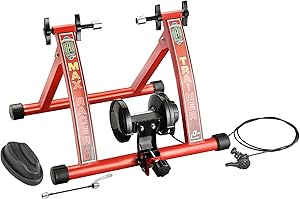
-
Resistance Levels: 7 levels of smooth magnetic resistance
-
Frame: Heavy-duty steel construction for stability
-
Compatibility: Fits most 26″–28″ & 700c wheel sizes
-
Noise: Relatively quiet with progressive resistance design
The RAD Cycle Products Max Racer offers a simple yet effective solution for indoor cycling training. It is designed with seven adjustable levels of magnetic resistance, which allows riders to simulate varying terrains and intensify their workouts. The heavy-duty steel frame provides stability, ensuring that the trainer remains firm even during long sessions. It is compatible with most standard road and mountain bikes, making it versatile for riders who own multiple bikes.
In terms of performance, the resistance is smooth and progressive, though not as advanced as high-end smart trainers. It’s a great option for beginners or recreational cyclists who want to keep their fitness routine consistent indoors. The setup is straightforward, and its foldable design makes it easy to store when not in use. While it’s not whisper-quiet, the noise level is manageable for apartment use.
Pros:
-
Affordable and beginner-friendly
-
Seven resistance levels for varied workouts
-
Sturdy frame for stability
-
Easy to set up and store
Cons:
-
Not a smart trainer (no app connectivity)
-
Noise level higher than premium models
2. Wahoo Fitness KICKR
-
Resistance Type: Electromagnetic, automatic adjustment
-
Power Accuracy: ±1% measurement precision
-
Connectivity: ANT+, Bluetooth, and Wi-Fi compatible
-
Max Simulated Grade: 20% incline, 2,200 watts resistance
The Wahoo Fitness KICKR is considered one of the gold standards in indoor cycling trainers. It provides professional-level accuracy with its ±1% power measurement and automatically adjusts resistance to match virtual routes on platforms like Zwift or TrainerRoad. With a maximum resistance of 2,200 watts and the ability to simulate up to a 20% incline, it is built for serious cyclists aiming to replicate outdoor challenges indoors.
The sturdy construction and realistic road feel make it an immersive choice for indoor training. Unlike basic trainers, the KICKR is whisper-quiet and provides seamless integration with training apps. It is designed for durability, handling high-intensity sessions without compromise. Though it comes at a premium price, its advanced features and precision make it a worthy investment for performance-driven riders.
Pros:
-
Extremely accurate power readings
-
App connectivity with automatic resistance adjustment
-
High wattage and incline simulation
-
Very quiet operation
Cons:
-
Expensive compared to non-smart trainers
-
Requires compatible devices and apps for full functionality
3. CXWXC Bike Trainer
-
Resistance Levels: Magnetic with 6 adjustable settings
-
Compatibility: Fits 26″–29″ & 700C bikes
-
Accessories: Includes quick-release skewer and front wheel riser block
-
Frame: Durable steel construction with foldable design
The CXWXC Magnetic Bike Trainer is a budget-friendly option that delivers a solid indoor cycling experience. With six levels of resistance, it allows riders to tailor their training intensity to suit endurance, interval, or recovery rides. The included riser block and quick-release skewer make it convenient to set up and adjust. Its foldable design also means it won’t take up too much space when not in use.
Performance-wise, the resistance is adequate for casual to intermediate riders, though it lacks the sophistication of smart trainers. It is relatively quiet but can produce more noise with knobby mountain bike tires. Still, for its price, it offers stability, ease of use, and good compatibility with most bike types. This makes it a reliable entry-level indoor cycling trainer.
Pros:
-
Affordable and easy to use
-
Adjustable resistance levels for varied workouts
-
Compact and foldable for storage
-
Includes necessary setup accessories
Cons:
-
Not compatible with training apps
-
Noise level depends on tire type
4. ThinkRider X2Max Smart Trainer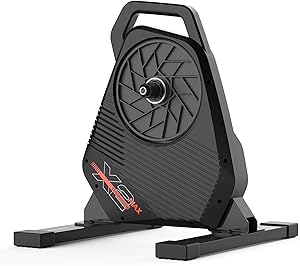
-
Resistance Type: Electromagnetic with auto-adjustment
-
Connectivity: ANT+ & Bluetooth Smart compatible
-
Max Simulated Slope: 18% incline
-
Noise Level: Quiet operation, under 58 dB
The ThinkRider X2Max is a mid-range smart bike trainer that offers impressive features at a competitive price. With electromagnetic resistance and a simulated slope of up to 18%, it provides a challenging and realistic training environment. Its compatibility with ANT+ and Bluetooth allows seamless integration with popular training apps like Zwift, Rouvy, and TrainerRoad.
Cyclists will appreciate the quiet design, making it suitable for home or apartment use. The resistance adjusts automatically to match virtual routes, enhancing the realism of indoor cycling. While not as refined as top-tier trainers like the Wahoo KICKR, the X2Max delivers great value with its performance, durability, and portability. It’s an excellent choice for riders who want smart features without breaking the bank.
Pros:
-
Affordable smart trainer option
-
Quiet operation under load
-
Automatic resistance adjustment with apps
-
Realistic incline simulation up to 18%
Cons:
-
Power accuracy not as precise as premium models
-
Build quality slightly less robust than high-end trainers
5. Saris H3 Smart Trainer
-
Noise Level: 59 decibels at 20 mph (quietest in class)
-
Connectivity: ANT+ FE-C, Bluetooth FTMS, and USB connection
-
Power Accuracy: ±2% measurement
-
Compatibility: Works with 12-speed drivetrains and most training apps
The Saris H3 is known for its quiet performance, making it one of the most discreet smart trainers available. With a noise level of just 59 dB, it allows riders to train without disturbing others in the household. It provides automatic resistance control and ±2% power accuracy, ensuring precise feedback for structured workouts. The H3 also includes a subscription to a virtual training app, helping users get started immediately.
Its sturdy frame and compatibility with most drivetrains make it versatile for a wide range of cyclists. While it’s slightly heavier and bulkier than some competitors, it’s extremely stable and durable for long-term use. This makes it a favorite among cyclists who value a quiet, accurate, and immersive indoor training experience.
Pros:
-
Extremely quiet compared to most trainers
-
Accurate power measurement
-
Compatible with major training platforms
-
Durable and stable design
Cons:
-
Bulkier than some smart trainers
-
Higher price point
6. Sportneer Bike Trainer
-
Resistance Levels: 6 adjustable magnetic settings
-
Compatibility: Fits 26″–28″ & 700C bikes
-
Accessories: Includes front wheel riser block and quick-release lever
-
Frame: Foldable stainless-steel construction
The Sportneer Magnetic Bike Trainer is a popular choice for cyclists who want an affordable yet reliable indoor trainer. With six resistance levels, it allows users to adjust intensity easily, simulating different riding conditions. The included riser block ensures proper bike positioning, and its foldable design makes it convenient for storage.
While it doesn’t offer smart connectivity, the trainer provides a stable and consistent ride feel. Noise levels are moderate, especially when using road tires, making it suitable for home use. It’s a practical choice for casual riders, beginners, or those who simply want to stay active indoors without investing in a high-end trainer.
Pros:
-
Cost-effective option for indoor training
-
Adjustable resistance for versatile workouts
-
Easy to set up and fold away
-
Includes accessories for better positioning
Cons:
-
No smart features or app connectivity
-
Noise level may be noticeable with certain tires
7. Saris Mag & Mag Plus Trainer
-
Resistance Type: Magnetic with adjustable settings
-
Compatibility: Works with most road and mountain bikes
-
Connectivity: Compatible with Zwift and other virtual apps (Mag Plus version)
-
Frame: Compact and foldable design
The Saris Mag and Mag Plus trainers offer a simple yet reliable indoor cycling solution. The Mag model provides steady magnetic resistance, while the Mag Plus adds a remote shifter for easier adjustment during rides. Both are compatible with virtual platforms like Zwift, making them more versatile than many basic trainers.
These trainers are compact, easy to set up, and durable enough for regular indoor use. They don’t provide the advanced simulation features of smart trainers but are more affordable and suitable for riders who want straightforward functionality. The resistance is smooth and consistent, though not as challenging as higher-end trainers. Overall, they provide a balance between affordability and utility.
Pros:
-
Budget-friendly with Zwift compatibility
-
Remote shifter option on Mag Plus
-
Compact and portable
-
Reliable magnetic resistance
Cons:
-
Limited resistance range compared to smart trainers
-
Louder than fluid or high-end trainers
How to Choose the Best Budget Cycling Trainers
Cycling is one of the most effective and enjoyable ways to stay fit, but when weather conditions or busy schedules keep you from hitting the road, indoor cycling trainers become the next best solution. A cycling trainer allows you to mount your own bike and ride indoors, simulating outdoor cycling without leaving your home. While high-end smart trainers can be expensive, many budget-friendly options offer excellent performance, durability, and features for beginners and casual riders. Choosing the best budget cycling trainer requires balancing cost with performance, compatibility, and personal needs.
This guide will walk you through the key factors to consider when shopping for an affordable cycling trainer so you can make a smart investment.
1. Understand the Different Types of Cycling Trainers
Cycling trainers come in various designs, and even budget models can differ widely in how they provide resistance and mimic road cycling. Knowing the types available will help you decide which fits your goals:
a. Magnetic Trainers
These are the most common and budget-friendly trainers. They use magnetic resistance to create drag on your rear wheel.
-
Pros: Affordable, durable, simple to set up, quiet enough for most homes.
-
Cons: Limited resistance adjustability compared to fluid or smart trainers, sometimes feels less like real road cycling.
b. Fluid Trainers
Fluid trainers use a liquid chamber for resistance, offering smoother and more realistic pedaling.
-
Pros: More natural road-like feel, progressive resistance (harder pedaling equals more resistance).
-
Cons: Slightly pricier than magnetic trainers, potential for fluid leaks over time.
c. Rollers
Rollers let you ride your bike on three rotating cylinders, requiring balance and control.
-
Pros: Excellent for improving balance, pedal stroke, and core stability.
-
Cons: Steeper learning curve, less practical for beginners wanting casual training.
d. Smart Trainers (Entry-Level Models)
Smart trainers connect to apps like Zwift or TrainerRoad via Bluetooth/ANT+. Even at the budget level, some provide virtual rides and performance data.
-
Pros: Interactive, engaging, supports structured workouts.
-
Cons: Still pricier than basic trainers, may exceed a strict budget if advanced features are desired.
If you’re aiming for affordability with practicality, magnetic trainers are usually the go-to option for beginners.
2. Set Your Budget Range
Budget cycling trainers can range from as low as $80 to around $300, depending on the type and brand. Setting your price range in advance helps narrow options:
-
Under $100: Expect basic magnetic trainers, often with manual resistance adjustment. Good for casual fitness.
-
$100–$200: Better build quality, smoother ride feel, and often included accessories like riser blocks.
-
$200–$300: Entry-level smart trainers or higher-quality fluid trainers. Ideal for those who want more realistic resistance or virtual ride compatibility.
Always consider what features matter most to you before deciding where to invest within your budget.
3. Resistance Levels and Adjustability
Resistance is the most important feature when choosing a trainer because it determines how challenging your ride will be. Budget trainers typically offer:
-
Fixed resistance: Some trainers provide only one resistance setting, which can get boring.
-
Adjustable resistance: Allows you to control intensity manually, either through a handlebar-mounted lever or changing gears.
For effective indoor training, go for models that offer adjustable resistance—this ensures variety in your workouts, from light spinning to high-intensity intervals.
4. Stability and Build Quality
Indoor trainers must withstand repeated pedaling force without wobbling. Even budget models vary in sturdiness:
-
Frame design: Wider base frames offer better stability, especially during intense workouts.
-
Material: Steel frames tend to last longer than cheaper alloys.
-
Maximum weight capacity: Ensure the trainer supports your weight plus your bike’s weight.
A shaky trainer can be frustrating and unsafe. Always prioritize stability, even if it means spending slightly more.
5. Noise Level
Noise is often overlooked, but it matters a lot—especially if you live in an apartment or share a home.
-
Magnetic trainers: Moderate noise, often louder at high speeds.
-
Fluid trainers: Quieter, making them great for indoor use.
-
Rollers: Can be noisy depending on the tire type.
If noise is a concern, consider pairing your trainer with a smooth road tire designed for indoor use, which reduces vibrations and wear.
6. Compatibility with Your Bike
Not every trainer fits all bike types. Before purchasing, check:
-
Wheel size support: Most budget trainers fit 26–29″ wheels or 700c road bike wheels.
-
Axle compatibility: Many trainers include quick-release skewers, but you may need adaptors for thru-axle bikes.
-
Tire clearance: Mountain bikes with wide tires may not fit unless the trainer supports them.
Buying a trainer that’s incompatible with your bike can waste both time and money, so double-check specs.
7. Ease of Setup and Storage
Budget trainers are generally simpler to set up than advanced smart models, but convenience still matters.
-
Look for quick-release clamps that hold your bike securely and let you mount/dismount quickly.
-
If you have limited space, a foldable trainer is worth considering—it makes storage much easier.
This is especially helpful for people living in small apartments where space is at a premium.
8. Extra Features and Accessories
Even budget trainers sometimes include add-ons that improve your experience:
-
Front wheel riser block: Keeps your bike level while riding.
-
Resistance control unit: Mounted on handlebars for quick adjustments.
-
Training mats: Protect floors from sweat and reduce noise.
While not always essential, these extras can increase the overall value of your purchase.
9. Consider Your Training Goals
The “best” trainer depends on how you plan to use it:
-
For casual fitness: A magnetic trainer with adjustable resistance is affordable and effective.
-
For improving cycling performance: A fluid trainer or entry-level smart trainer offers smoother, progressive resistance.
-
For interactive virtual riding: Look for budget smart trainers that work with Zwift or similar apps.
-
For skill development: Rollers are ideal if you want to refine your balance and pedal technique.
Match your choice with your goals to avoid overspending on features you may not use.
10. Popular Budget-Friendly Options
To give you a head start, here are a few well-regarded budget cycling trainers:
-
RAD Cycle Max Racer: Affordable magnetic trainer with adjustable resistance.
-
CXWXC Magnetic Bike Trainer: Compact and stable design with riser block included.
-
Kinetic Road Machine (entry-level fluid): A smooth ride feel at a moderate price.
-
ThinkRider X2Max (budget smart trainer): Offers app compatibility without the premium price tag.
Reading reviews and comparing real-world experiences from other cyclists can help you choose confidently.
Final Thoughts
Choosing the best budget cycling trainer doesn’t mean sacrificing quality or performance. The key is identifying your needs—whether it’s casual fitness, serious training, or engaging virtual rides—and then finding a trainer that balances those requirements with your budget.
Magnetic trainers remain the most cost-effective and beginner-friendly, fluid trainers provide a smoother ride at a slightly higher cost, while entry-level smart trainers bring technology into the picture without breaking the bank. By considering resistance, stability, noise, compatibility, and training goals, you’ll be able to pick a trainer that keeps you consistent with your cycling routine—all while staying within budget.
With the right choice, you can enjoy year-round cycling, regardless of weather or time constraints, without emptying your wallet.