Best Cycling Shoes for Flat Feet of 2025
Finding the right cycling shoes can be hard for people with flat feet. Good shoes give support and reduce pain during long rides. They also help you pedal smoothly and stay comfortable. This guide shares the best cycling shoes for flat feet. It also explains key features you should look for. You will learn which shoes offer strong arch support and stability. These choices suit beginners and experienced cyclists who need extra comfort. This article helps you choose supportive shoes that keep your feet stable and comfortable on long rides.
1. SHIMANO CT and EX Series Cycling Shoes
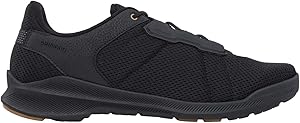
- Cleat Compatibility: Cleat-ready with midfoot placement for reduced calf strain.
- Midsole: Cushioned EX midsole to soften impacts.
- Upper: Breathable, sporty sneaker-style construction.
- Best For: Multi-use city touring and everyday comfort.
For cyclists with flat feet seeking a versatile, clip-in capable shoe, the Shimano EX300 (successor to the CT-500) is a compelling hybrid option. Its sneaker-style profile doesn’t scream “cycling shoe,” making it great for commuting or running errands off the bike. The key feature for flat feet is the cushioned midsole, which provides a comforting layer of impact absorption, a welcome relief where arch support might otherwise create pressure points. The breathable upper adds to the all-day wearability.
The midfoot cleat placement is a notable engineering choice, designed to improve pedaling comfort at moderate cadences and reduce strain on the calf muscles. This can be beneficial for riders who experience foot fatigue. However, it’s important to note that the shoe is not specifically marketed with structured arch support, so those with significant overpronation may need to pair it with their own custom insoles. The sleek design and light, airy feel make it an excellent choice for urban adventurers who value style and function.
- Pros: Very comfortable for walking; stylish, casual appearance; cushioned midsole aids comfort; midfoot cleat can reduce fatigue.
- Cons: Lacks aggressive arch support; may not be stiff enough for high-performance road cycling.
2. Giro Tracker Fastlace Flat-Pedal Bike Shoe

- Closure: High-friction Fastlace system with cord lock.
- Outsole: Full-length molded Tack rubber lugged sole.
- Footbed: Molded Die-Cut with medium arch support.
- Midsole: Optimized dual-layer EVA for cushioning.
The Giro Tracker Fastlace shoe is a strong contender for flat-footed riders who prioritize a secure, supportive fit right out of the box. The inclusion of a molded footbed with medium arch support is a significant benefit, offering a foundational level of structure that can help stabilize the foot on the pedal. The dual-layer EVA midsole builds on this by providing enhanced cushioning, which helps dampen trail vibrations—a common source of discomfort for those without natural arches.
Giro’s Fastlace closure system is a highlight, allowing for quick, micro-adjustable tension and excellent heel hold without loose ends. The Tack rubber outsole delivers confident grip on flat pedals, and the Gramma Tread is optimized for pedal pins. The reinforced toe and heel add durability for rugged use. While the medium arch support is a plus, riders with extremely low arches or who require orthotics should be prepared to swap the footbed. The breathable mesh upper keeps things cool on long adventures.
- Pros: Helpful medium arch support footbed; easy-to-adjust Fastlace system; grippy, durable outsole; good cushioning.
- Cons: Arch support may not be sufficient for severe flat feet; not compatible with clip-in pedals.
3. Crankbrothers Stamp Lace Flat Shoes

- Outsole Rubber: MC2 compound for superior grip and durability.
- Midsole: Cushioned EVA for shock absorption.
- Protection: TPU-reinforced areas and padded tongue.
- Walkability: Directional, angled lugs and ramped toe.
Crankbrothers Stamp Lace shoes focus on creating a precise, grippy interface with flat pedals, which can be a boon for flat-footed riders seeking control. The MC2 rubber compound and specific Stamp tread pattern are engineered to maximize pedal contact and securely absorb pedal pins. For comfort, the cushioned EVA midsole provides essential shock absorption, helping to mitigate the impact that can travel up a foot with low arches during rough descents.
The shoe offers thoughtful features like a breathable mesh upper, hidden eyelets for durability, and a lace pocket. The walkability is excellent thanks to the lug pattern and ramped toe. From a flat-foot perspective, the shoe does not come with a structured arch support footbed, placing its comfort focus on overall cushioning and protection. This makes it a great platform shoe; riders can easily install their own custom orthotics or supportive insoles to achieve the perfect, stable fit for their foot morphology without sacrificing the shoe’s excellent pedal feel and durability.
- Pros: Outstanding pedal grip; protective and durable build; comfortable EVA cushioning; excellent for hiking.
- Cons: No included arch support footbed; may require aftermarket insoles for flat feet.
4. Giro Deed Flat-Pedal Bike Shoes
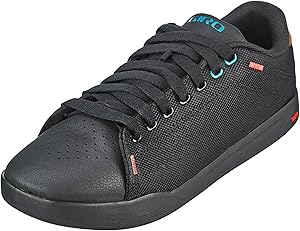
- Midsole Tech: Proprietary Mute Foam for vibration damping.
- Closure: Traditional tubular woven lace system.
- Tread: Gamma tread design optimized for pedal pins.
- Upper: Fast-drying textile and microfiber.
The Giro Deed is marketed as a “quiver-killer” flat pedal shoe, aiming for all-day comfort and grip. Its standout feature for riders with flat feet is the innovative Mute Foam midsole. This nanofoam is designed with slow rebound characteristics to act like suspension, damping trail chatter and bumps. This can significantly improve comfort for flat feet, which often lack the natural shock-absorbing structure of an arch, by preventing vibration fatigue.
The shoe uses a reliable lace closure for a customizable, natural feel across the foot. The Gamma tread provides solid grip on pedals. Like the Giro Tracker, it includes a die-cut footbed, though the specific arch support level isn’t detailed. The fast-drying upper is a practical touch. The Deed’s primary advantage is its focus on a plush, damped ride from the Mute Foam. For flat-footed riders, this targeted cushioning is a major pro, but it may need to be combined with a supportive insole for those who also require pronounced medial arch structure to control overpronation while pedaling.
- Pros: Excellent vibration-damping Mute Foam midsole; comfortable, customizable lace fit; grippy outsole; fast-drying materials.
- Cons: Arch support level of included footbed is unclear; traditional laces may be less convenient than a Fastlace system.
5. Fizik Unisex-Adult Gravita Versor Flat

- Outsole Rubber: Vibram XS Trek Evo sticky compound.
- Outsole Design: Zonal lug pattern, widened for pedal contact.
- Fit: Performance-oriented precision last.
- Best For: Aggressive gravity riding (Downhill/Enduro).
The Fizik Gravita Flat is a race-ready gravity shoe where protection, control, and fit are paramount. For the flat-footed downhill or enduro rider, its strengths are a mixed bag. On the positive side, the widened, supple flat outsole is designed for maximum contact with wide-platform pedals, promoting an evenly spread load which can alleviate pressure points. The precision fit is engineered to eliminate wasted power transfer, which translates to a secure, locked-in feel that can help stabilize the foot.
The sticky Vibram outsole offers legendary grip. However, this is a performance shoe first. It does not highlight specific arch support or exceptional cushioning in its midsole. The focus is on a direct, controlled connection to the pedal and robust protection. Riders with flat feet may find the fit too aggressive or lacking in longitudinal support for long pedaling stages, and will likely need to use their own supportive insoles to complement the shoe’s excellent pedal interface and protective features for a comfortable, all-day race setup.
- Pros: Incredibly grippy Vibram outsole; excellent power transfer and fit; widened platform spreads load; protective and durable.
- Cons: High-performance fit may not suit all foot shapes; no mention of arch support; premium price point.
6. Crankbrothers Stamp Speed

- Outsole Rubber: MC2 grip compound with Stamp tread pattern.
- Midsole: Cushioned EVA for optimal shock absorption.
- Breathability: Ventilated mesh windows and perforated tongue.
- Features: Hidden eyelets, lace pocket, heel dots.
The Crankbrothers Stamp Speed shares the core technology of the Stamp Lace but potentially in a lighter or more streamlined package (as suggested by the “Speed” name). For flat-footed riders, the analysis is similar: this shoe provides a top-tier pedal connection via its MC2 rubber and pin-absorbing lugs, coupled with a cushioned EVA midsole for shock absorption. The breathability features are excellent for keeping feet cool on strenuous climbs.
Once again, the shoe serves as a superb, neutral platform. It does not include an arch-supportive footbed, prioritizing instead a direct feel and overall cushioning. This is ideal for riders who have already invested in custom orthotics or have a specific aftermarket insole they prefer. Simply remove the stock footbed and insert your own to create a shoe that offers both superior pedal grip and personalized foot support. The attention to detail with the lace pocket, heel grip dots, and protective elements makes it a well-rounded, high-quality choice for the rider who knows their specific support needs.
- Pros: Best-in-class pedal grip; great shock absorption; very breathable; thoughtful details for durability and safety.
- Cons: No built-in arch support; stock footbed is basic; premium pricing.
7. O’NEAL Flat Pedal Shoes
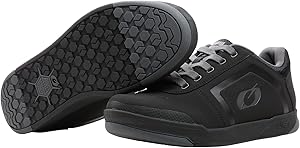
- Outsole: Proprietary Honey Rubber Hexagon sole.
- Closure: Traditional lace-up system.
- Protection: Reinforced toe cap.
- Design: Casual aesthetic for riding and walking.
The O’Neal Flat Pedal Shoes represent a value-oriented entry into the market, with a unique honeycomb hexagon outsole designed to balance grip and the ability to reposition the foot. For flat-footed riders on a budget, this shoe offers a comfortable, casual fit with a reinforced toe for basic protection. The lace closure allows for a snug fit, which is important for stability.
Technical details on midsole cushioning or arch support are minimal in the provided information. The honey rubber sole is the highlighted feature, promising a good grip. For those with flat feet, the lack of mentioned support or advanced cushioning means these shoes likely serve as a blank canvas. They are a practical choice if you plan to use them primarily with high-quality, supportive aftermarket insoles. Straight out of the box, they may lack the structured support and impact damping of more expensive models, but they provide a durable, grippy base to customize for your specific comfort needs without a large initial investment.
- Pros: Affordable price point; unique grippy outsole pattern; casual style; reinforced toe for protection.
- Cons: Lacks detailed support or cushioning specs; likely requires aftermarket insoles for flat feet; fewer performance features.
How to Choose Cycling Shoes for Flat Feet
Selecting the right cycling shoes is crucial for comfort, power transfer, and injury prevention—especially if you have flat feet. Because flat arches can lead to overpronation, discomfort, and fatigue, choosing the right pair of cycling shoes becomes an essential part of your riding experience. This guide will help you understand the key features to look for, how to assess fit, and what factors matter most when choosing cycling shoes for flat-footed riders.
Understanding Flat Feet and Cycling Needs
What Are Flat Feet?
Flat feet occur when the arches of your feet collapse or appear lower than normal. Instead of forming a natural upward curve, the foot sits closer to the ground. This can create misalignment, improper weight distribution, and added stress during pedaling.
Why Flat Feet Need Specialized Cycling Shoes
Cycling requires repeated motion and constant foot pressure on the pedals. If the arch isn’t supported:
- Power transfer decreases.
- Knees and ankles experience strain.
- Feet may go numb or develop hot spots.
- Long rides become uncomfortable.
Key Features to Look for in Cycling Shoes for Flat Feet
Arch Support
Proper arch support is the most important feature for flat-footed cyclists.
- Built-in Arch Support: Some cycling shoes come with contoured footbeds to stabilize the arch.
- Custom or Aftermarket Insoles: Brands like Superfeet, Specialized Body Geometry, or G8 allow personalized support.
Stiff Sole
A stiff sole helps evenly distribute pressure, reducing fatigue.
- Carbon Soles: The stiffest and best for power transfer.
- Nylon or Composite Soles: Slightly flexible but still supportive, ideal for beginners or casual riders.
Wide Toe Box
Flat feet often need more room in the forefoot.
- Look for shoes labeled as wide fit or high volume.
- A spacious toe box prevents pinching and encourages natural toe splay.
Secure Closure System
The closure system affects stability and comfort.
- BOA Dial: Offers precise, adjustable tightening.
- Velcro Straps: Affordable and customizable.
- Ratchet Buckles: Provide strong mid-foot hold.
Choose a system that allows micro-adjustments for a secure fit without pressure points.
Breathability and Cushioning
While stiffness is important, the shoe should still be breathable and slightly cushioned for all-day comfort.
- Mesh panels enhance airflow.
- Padded interior liners reduce friction and irritation.
Matching Shoes with Your Cycling Style
Road Cycling Shoes
Road shoes prioritize stiffness for efficiency.
- Best for long distances and speed-focused riding.
- Choose carbon soles and supportive insoles.
- Ensure a snug mid-foot fit to prevent rolling inward.
Mountain Biking (MTB) Shoes
MTB shoes emphasize durability and grip.
- Stiffer than sneakers, but more flexible than road shoes.
- Two-bolt cleat systems offer walkability.
- Good for riders who need stability on uneven terrain.
Indoor / Spin Class Shoes
Designed for comfort and breathability.
- Often compatible with SPD cleats.
- Lightweight and cushioned.
- A great option if you only ride indoors and want moderate support.
Urban / Commuter Cycling Shoes
These shoes blend cycling performance with casual style.
- Recessed cleats for easy walking.
- Good for everyday riders who want comfort both on and off the bike.
Considering Insoles for Additional Support
Why Insoles Matter
Even with supportive shoes, flat feet may still need corrective insoles for proper alignment. Insoles help:
- Reduce knee strain.
- Prevent arch collapse.
- Improve pedaling efficiency.
Types of Insoles for Flat Feet
- Orthotic Insoles: Provide medical-grade support and help with severe overpronation.
- Sports Insoles: Designed for dynamic motion, offering shock absorption.
- Custom-Fitted Insoles: Tailored to your foot shape but more expensive.
Getting the Right Fit
Measuring Your Feet Correctly
Before buying, measure your foot length and width. Flat feet often require:
- A half-size up for comfort.
- Wide-fit options to prevent lateral compression.
Trying Shoes On Properly
Always test shoes with your riding socks. When trying them:
- Ensure your heel doesn’t lift.
- Check that your toes can move freely.
- Make sure there are no pressure points.
Testing Pedal Compatibility
Cycling shoes work with different cleat systems:
- SPD (2-hole): Common for MTB and indoor cycling.
- SPD-SL (3-hole): Typical for road cycling.
- Look Systems: Popular for road riders wanting maximum stiffness.
Choose shoes that match your preferred pedal type to avoid alignment issues.
Tips to Prevent Pain and Discomfort
Strengthening Foot Muscles
Exercises like toe curls, arch raises, and calf stretches can reduce discomfort and improve cycling performance for flat-footed riders.
Adjusting Cleat Position
Cleat alignment is crucial for preventing strain.
- Position cleats under the ball of the foot.
- Keep them slightly angled to support a natural pedaling motion.
Gradually Increasing Ride Duration
If you are new to cycling shoes or insoles:
- Break them in gradually.
- Increase ride length slowly to avoid pain.
Top Mistakes to Avoid When Choosing Cycling Shoes
Ignoring Arch Support
Even if the shoe fits well, lack of proper arch structure can cause long-term discomfort.
Choosing Shoes Too Small
Cyclists often pick a tight fit, but flat feet need space to accommodate widening during riding.
Overlooking Cleat Compatibility
Buying the wrong cleat system can lead to improper posture and wasted energy.
Skipping Insole Replacement
Most stock insoles are thin and unsupportive. Upgrading them can significantly improve comfort.
Final Thoughts
Choosing the right cycling shoes for flat feet involves focusing on arch support, comfort, fit, and compatibility with your riding style. Whether you’re a road cyclist, mountain biker, commuter, or indoor rider, the right pair of shoes can make a dramatic difference in performance and overall riding experience. With supportive features like stiff soles, wide toe boxes, and adjustable closures—combined with the right insoles—you can ride comfortably and efficiently without worrying about foot pain. Taking time to consider these factors will help ensure your cycling adventures remain enjoyable and pain-free.