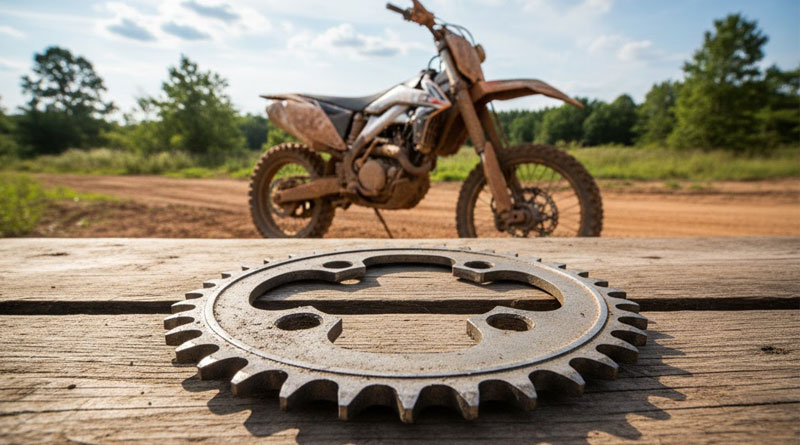
Best Dirt Bike Sprockets of 2025
Choosing the best dirt bike sprockets can make a big difference in your ride. The right sprocket improves speed, control, and power. It helps you handle tough trails with more confidence. Sprockets come in different sizes and materials, each offering unique performance. Whether you want faster acceleration or smoother rides, the right choice matters. In this guide, we’ll explore the best dirt bike sprockets available. You’ll learn what makes each one special and how to choose the perfect fit for your bike.
1. HIAORS 428 17T 17mm Motorcycle Front Engine Sprocket
- Tooth Count: 17 teeth (428 chain compatible)
- Inner Diameter: 17mm bore size
- Material: Hardened steel for enhanced wear resistance
- Compatibility: Fits 50cc–160cc dirt bikes (TaoTao, Roketa, Coolster, Lifan, Sunl)
The HIAORS 17T Front Engine Sprocket is built for durability and precision, offering a reliable solution for improving your dirt bike’s power transmission. Its hardened steel design ensures longevity, even under aggressive riding conditions. The 17-tooth configuration helps increase top speed while maintaining smooth gear transitions, making it ideal for both street and off-road use.
Installation is simple, thanks to its precise 17mm center bore that matches most common small-displacement dirt bikes. The sprocket meshes seamlessly with 428 chains, ensuring reduced friction and efficient power delivery. It’s a cost-effective upgrade for riders looking to optimize gear ratios without compromising strength.
Pros:
- Durable and long-lasting steel construction
- Smooth and efficient chain engagement
- Suitable for a wide range of bike models
- Excellent value for money
Cons:
- May require a retainer clip on some bikes
- Not ideal for extreme high-torque setups
2. Windance 420 35T 76mm Rear Sprocket
- Tooth Count: 35 teeth (420 chain)
- Center Hole Diameter: 76mm
- Material: Heat-treated alloy steel
- Compatibility: Fits 50cc–190cc pit bikes, scooters, and ATVs
The Windance 35T Rear Sprocket provides excellent torque control and reliability for dirt and pit bikes. Its heat-treated alloy steel construction resists wear and maintains chain alignment over time. The 35-tooth design favors higher speed while still delivering sufficient acceleration, ideal for riders who enjoy smoother cruising.
This sprocket’s 76mm center hole and precise bolt pattern make installation quick and secure. Its lightweight yet strong design ensures consistent performance even on rugged trails. Perfect for those seeking a balance between durability and performance, the Windance sprocket stands out for its consistency and affordability.
Pros:
- Strong and wear-resistant alloy steel build
- Improves speed and ride smoothness
- Easy to install on multiple models
- Great balance between strength and weight
Cons:
- Less torque for steep inclines
- Chain tension may need minor adjustment
3. Saihisday 428 Chain Sprocket 12T 17mm Front Engine Sprocket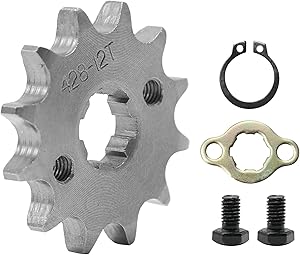
- Tooth Count: 12 teeth for high torque output
- Inner Diameter: 17mm bore
- Chain Type: 428 chain compatible
- Material: Carbon steel construction for durability
The Saihisday 12T Front Sprocket is designed for riders prioritizing acceleration and torque. Its compact 12-tooth setup offers quicker take-offs, making it perfect for off-road terrains and tight trail riding. The high-quality carbon steel ensures it can withstand repeated stress without deforming or wearing prematurely.
This sprocket’s compatibility with 50cc–160cc dirt and ATV models makes it a versatile replacement part. It provides smooth power delivery and excellent traction control. For riders seeking better low-end torque or those who frequently ride on uneven trails, the Saihisday sprocket is a dependable, performance-focused choice.
Pros:
- Great for torque and quick acceleration
- Durable carbon steel design
- Simple to install on most dirt bikes
- Affordable and efficient upgrade
Cons:
- Reduces top speed slightly
- Not suitable for high-speed racing
4. YD-PS001 41 Teeth 420 Rear Chain Sprocket
- Tooth Count: 41 teeth
- Center Hole Diameter: 76mm
- Chain Type: 420 chain compatible
- Material: High-strength forged steel
The YD-PS001 41T Rear Sprocket strikes a good balance between acceleration and top speed, suitable for a wide range of small dirt bikes and ATVs. Its forged steel build offers exceptional toughness, ensuring reliable performance over extended use. The sprocket’s precision machining reduces vibration and chain slippage, delivering smoother rides.
With its standard 76mm center hole, this sprocket fits most 50cc–150cc dirt bikes without modification. It’s ideal for everyday riders who want consistent, smooth acceleration with enhanced chain grip. The YD-PS001 delivers dependable performance at a budget-friendly price.
Pros:
- Strong and reliable construction
- Smooth, balanced power delivery
- Fits various dirt bike and ATV models
- Long-lasting wear resistance
Cons:
- Slightly heavier than aluminum sprockets
- May require minor bolt alignment adjustments
5. MRELC Ultimate 420 Chain & Sprocket Set
- Includes: 420 chain (120 links), 13T front, and 35T rear sprockets
- Material: Reinforced steel with anti-corrosion coating
- Compatibility: Fits 50cc–170cc dirt bikes, ATVs, and go-karts
- Design: Pre-matched gearing for optimal performance
The MRELC Ultimate 420 Set offers a complete drive solution with chain and sprockets included. Designed for reliability and easy installation, this set provides ideal gear balance—combining a 13T front and 35T rear sprocket for steady acceleration and improved speed. The steel components are heat-treated for strength and longer lifespan.
This set’s 420 chain provides smooth engagement and reduced noise, while the pre-matched sprockets ensure seamless compatibility. Perfect for CRF150, SSR, Coolster, and other models, it’s a one-stop upgrade that enhances overall performance and drivetrain efficiency.
Pros:
- Complete set for quick replacement
- Excellent value for durability and performance
- Smooth chain operation
- Compatible with multiple bike models
Cons:
- Chain may need resizing for smaller bikes
- Slightly heavier than aluminum alternatives
6. ZTDZZH 53 Tooth Rear Chain Sprocket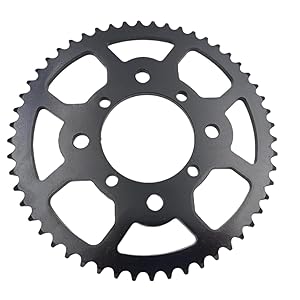
- Tooth Count: 53 teeth for high torque
- Center Hole Diameter: 76mm
- Chain Type: 420 standard
- Material: Heat-treated carbon steel
The ZTDZZH 53T Rear Sprocket is made for riders who crave torque and control. With 53 teeth, it significantly boosts acceleration, making it ideal for uphill or off-road terrain. The carbon steel build ensures durability and resistance against wear, even under high chain tension.
Installation is straightforward due to its universal 76mm center hole and standard bolt pattern. This sprocket is great for pit bikes, ATVs, and small dirt bikes needing more low-end pulling power. It offers excellent grip, consistency, and performance for tough rides.
Pros:
- Exceptional torque improvement
- Strong steel design for long use
- Smooth chain operation
- Ideal for rough terrain and steep climbs
Cons:
- Reduces top-end speed
- Slightly heavier than stock sprockets
7. Generic DJ-Motor #35-60T Rear Sprocket
- Tooth Count: 60 teeth (#35 chain)
- Outer Diameter: 37.5mm profile design
- Material: High-tensile black steel
- Compatibility: Fits Motovox, Baja, Doodle Bug, and mini bikes
The Generic DJ-Motor 60T Rear Sprocket is built for maximum torque and strong acceleration. Its large tooth count gives superior pulling power, perfect for mini bikes, go-karts, and drift trikes. The high-tensile black steel design resists bending, rust, and chain wear.
This sprocket’s consistent tooth profile ensures smooth chain engagement and minimal vibration. It’s particularly suited for riders who need powerful starts or ride on variable terrain. The black finish adds both durability and style to your bike’s rear assembly.
Pros:
- Great torque for mini bikes and trikes
- Heavy-duty construction with sleek design
- Smooth and quiet chain engagement
- Excellent fit for multiple small vehicles
Cons:
- Decreases maximum speed
- May require precise chain adjustment
How to Choose Dirt Bike Sprockets
Choosing the right dirt bike sprockets is one of the most effective ways to fine-tune your bike’s performance. Whether you want more acceleration, better top speed, or smoother power delivery, sprockets play a major role in achieving it. They determine your bike’s gearing ratio, directly influencing how power is transmitted from the engine to the rear wheel. In this guide, we’ll explain how to choose the best dirt bike sprockets based on your riding style, terrain, and performance goals.
Understanding Dirt Bike Sprockets
Dirt bike sprockets are circular gears connected by the chain, forming the drivetrain that transfers engine power to the rear wheel. There are two sprockets on every dirt bike: the front sprocket (attached to the engine) and the rear sprocket (mounted on the rear wheel). Together, they determine your bike’s final drive ratio, which affects acceleration and top speed.
Front vs. Rear Sprocket
The front sprocket (also called the countershaft sprocket) has fewer teeth and spins faster. Changing its size has a more noticeable impact on gearing. The rear sprocket has more teeth and rotates slower but with more torque. Adjusting their sizes allows you to control how your bike performs under different conditions.
How Gearing Ratios Work
The gearing ratio is calculated by dividing the number of teeth on the rear sprocket by the number of teeth on the front sprocket. This ratio determines how many times the engine turns for one rotation of the rear wheel.
- Higher ratio (larger rear sprocket or smaller front sprocket): More acceleration but less top speed.
- Lower ratio (smaller rear sprocket or larger front sprocket): Higher top speed but slower acceleration.
Understanding this relationship is crucial before making any sprocket changes.
Key Factors to Consider When Choosing Sprockets
1. Riding Style and Terrain
Your riding environment and purpose heavily influence sprocket selection.
- Motocross (MX): Motocross tracks require quick acceleration for short bursts. A larger rear sprocket or smaller front sprocket helps the bike launch faster out of corners.
- Enduro or Trail Riding: Trail riders face varied terrain, so a balanced gearing setup is ideal. Too much acceleration gearing can make the bike jerky in tight sections.
- Desert or High-Speed Riding: For open terrain or desert racing, a smaller rear sprocket helps achieve higher top speeds and smoother throttle control.
2. Front Sprocket Changes
The front sprocket is small but powerful in terms of gearing effect. Changing one tooth on the front can make a significant difference.
- Adding a Tooth: Increases top speed, reduces acceleration.
- Removing a Tooth: Increases acceleration, reduces top speed.
Even a one-tooth change can alter your bike’s behavior noticeably, so adjust carefully.
3. Rear Sprocket Changes
The rear sprocket allows for finer tuning since it has more teeth.
- Adding Teeth: Increases torque and acceleration.
- Removing Teeth: Boosts top-end speed but reduces low-end power.
Many riders experiment with one or two teeth differences on the rear sprocket until they find the perfect setup.
4. Material and Durability
Sprockets come in different materials, each with pros and cons depending on usage and budget.
- Steel Sprockets: Known for durability and longevity. They are heavier but ideal for riders who prioritize endurance over weight.
- Aluminum Sprockets: Lightweight and popular among racers. However, they wear out faster, especially in muddy or sandy conditions.
- Hybrid Sprockets: Combine a steel outer ring with an aluminum core, offering the best balance between strength and weight.
If you ride frequently or in rough terrains, a steel or hybrid sprocket is usually the smarter long-term choice.
5. Chain Compatibility
When changing sprockets, always consider your chain size. Common dirt bike chain sizes include 420, 428, 520, and 525.
Each chain type has a specific pitch and width, so make sure your sprockets match your chain type. Mismatched components can cause premature wear and even damage the drivetrain.
6. Tooth Profile and Design
Sprockets come in various designs that impact performance and maintenance.
- Standard Tooth Design: Suitable for everyday use and general riding.
- Mud-Relief Design: Features cutouts that allow mud and debris to escape, preventing clogging.
- Self-Cleaning Sprockets: Have specially designed holes or grooves to reduce buildup and friction.
If you often ride in muddy or sandy conditions, go for a mud-relief or self-cleaning sprocket design to maintain efficiency.
7. Weight vs. Strength
Weight reduction improves acceleration and handling, especially for racing. However, lightweight sprockets tend to wear out faster.
For casual riders, the weight difference may not be significant enough to justify shorter lifespan, but for racers, every gram counts. Striking a balance between weight and strength is key.
8. Brand and Quality
Well-known brands use advanced manufacturing techniques and stronger materials. Trusted brands like Renthal, Supersprox, JT Sprockets, and Sunstar produce durable, precision-engineered products.
Cheaper sprockets may save money upfront but often wear out quickly or cause uneven chain wear. Investing in quality saves maintenance costs in the long run.
How to Match Sprockets for Optimal Performance
Check Stock Gearing
Before making changes, note your bike’s stock sprocket sizes. Manufacturers design them for balanced performance. Start by changing one sprocket at a time and observe the results before altering both.
Calculate Gear Ratio Changes
Use a gear ratio calculator or simple math: divide the rear sprocket teeth by the front sprocket teeth. Small adjustments (±1 tooth front or ±2 teeth rear) can significantly change riding dynamics.
Maintain Proper Chain Tension
Changing sprocket sizes affects chain length and tension. You might need to adjust the wheelbase or install a new chain. Always maintain proper tension to prevent slippage and wear.
Align the Chain and Sprockets
Proper alignment ensures smooth power transfer and prevents premature wear. Use a straight edge or alignment tool to verify the chain runs perfectly along the sprocket teeth.
Maintenance Tips for Longevity
- Clean Regularly: Dirt and mud accelerate wear. Clean sprockets and chain after every ride.
- Lubricate the Chain: Proper lubrication reduces friction and extends sprocket life.
- Inspect for Wear: Check for hooked or sharp teeth and chain stretch. Replace parts promptly if worn.
- Replace as a Set: Always replace the chain and both sprockets together to maintain even wear and performance.
Cost Considerations
The cost of dirt bike sprockets varies depending on material and brand.
- Steel Sprockets: $25–$60
- Aluminum Sprockets: $40–$90
- Hybrid Sprockets: $80–$150
It’s usually worth investing in higher-quality sprockets if you ride often. They last longer and maintain consistent performance.
Common Mistakes to Avoid
- Changing both sprockets drastically without testing.
- Ignoring chain wear when installing new sprockets.
- Using mismatched chain and sprocket sizes.
- Forgetting to recheck alignment after installation.
Avoiding these mistakes ensures better power delivery, smoother rides, and longer component life.
Final Thoughts
Selecting the right dirt bike sprockets can completely transform your ride’s performance. By understanding gearing ratios, material options, and your riding needs, you can fine-tune your bike for the perfect balance between power and speed. Always start with small adjustments, ensure proper chain compatibility, and invest in quality parts. With the right sprocket setup, your dirt bike will deliver sharper acceleration, smoother control, and a riding experience that matches your terrain and style perfectly.