Best Motorcycle Engine Cleaners of 2025
Keeping your motorcycle engine clean is important for performance and looks. Dirt, grease, and oil can build up over time. This can affect how your engine works. Regular cleaning helps maintain engine health and extend its life. The right cleaner removes stubborn grime without harming engine parts. It can also make future cleaning easier. Motorcycle engine cleaners are made to handle heat, grease, and tough buildup. They are simple to use and give quick results. Choosing the best one saves time and effort. In this guide, we review top engine cleaners. You will find options for different needs and budgets.
1. Chemical Guys Signature Series Orange Degreaser
-
Volume: 16 fl oz
-
Formula: Concentrated citrus-based heavy-duty cleaner
-
Applications: Engines, tires, undercarriages, machinery, tools
-
Action: Breaks down grease, oil, dirt, and grime at a molecular level
The Chemical Guys Signature Series Orange Degreaser is a versatile, professional-strength cleaner designed to tackle the toughest build-up on motorcycle engines. Its citrus-based formula not only smells refreshing but also penetrates deep into layers of grease and grime, loosening them for quick removal. When diluted appropriately, it can be used safely across different surfaces without harming paint or metal parts.
Motorcycle owners will appreciate how effortlessly it cleans hard-to-reach engine areas, restoring a like-new finish with minimal scrubbing. The concentrated nature of the cleaner means you can adjust its strength depending on the severity of the dirt. Whether it’s stubborn oil stains or months of road grime, this degreaser delivers reliable results without leaving residue.
Pros
-
Highly concentrated and economical
-
Fresh citrus scent
-
Works on multiple surfaces
-
Cuts through tough grease quickly
Cons
-
Requires dilution before most uses
-
Can strip wax if over-applied
2. Akfix A115 Engine Cleaner and Degreaser
-
Volume: 16.9 oz per bottle (Pack of 2)
-
Type: Spray application
-
Action: Removes oil, grease, and heavy dirt
-
Compatibility: Engines, automotive parts, and machinery
The Akfix A115 Engine Cleaner is designed for users seeking quick, visible cleaning results. Its ready-to-use spray bottle allows direct application to oily and greasy engine parts, making the cleaning process straightforward. With a formulation that penetrates and lifts contaminants, this cleaner is effective on both fresh spills and older build-up.
Motorcycle owners will find it especially useful for maintaining a clean engine bay without disassembling parts. The cleaner leaves a bright, refreshed finish, improving the overall appearance and performance of your engine. Its convenient twin-pack ensures you have enough supply for repeated use, whether for maintenance or deep cleaning.
Pros
-
Ready-to-use spray format
-
Fast cleaning action
-
Brightens engine components
-
Value pack for multiple uses
Cons
-
Not as concentrated as some competitors
-
Strong smell may require ventilation
3. BullSnot! RidABull Engine Degreaser
-
Volume: 16 oz spray bottle
-
Action: Heavy-duty cleaning for automotive and motorcycle engines
-
Safe for: Engine bays, mechanical parts, and accessories
-
Formula: Solvent-based grease and grime remover
BullSnot! RidABull Engine Degreaser is a premium cleaning solution built for tough jobs. It penetrates stubborn oil, grease, and gunk, making it ideal for both professional mechanics and motorcycle enthusiasts. Its solvent-based formula works quickly, allowing you to rinse away contaminants without excessive scrubbing.
The spray nozzle provides even coverage, ensuring you can reach tight spaces around engine components. Regular use helps prevent grime build-up, potentially extending the life of your motorcycle’s engine parts. It’s especially useful before performing maintenance, as it leaves the engine clean and easy to work on.
Pros
-
Quick-acting solvent formula
-
Easy spray application
-
Effective on stubborn grime
-
Suitable for motorcycles and cars
Cons
-
Requires thorough rinsing to avoid residue
-
Strong chemical odor
4. KRAKEN BOND Engine Cleaner Spray
-
Volume: 12.3 fl oz per can (Pack of 2)
-
Type: Aerosol spray degreaser
-
Action: Removes gunk, oil, and grime from engines
-
Designed for: Motorcycles, cars, machinery
The KRAKEN BOND Engine Cleaner Spray offers powerful cleaning action in a convenient aerosol form. Designed to dissolve grease and oil quickly, it makes engine bay cleaning a less labor-intensive process. Its spray pattern allows easy targeting of specific areas without over-saturating sensitive parts.
Motorcycle riders will appreciate how the formula clings to vertical and hard-to-reach surfaces, breaking down contaminants effectively. It’s a time-saver for those performing regular maintenance or preparing their bike for detailing. The twin-pack ensures extended use and good value for frequent cleaners.
Pros
-
Effective cling formula for vertical surfaces
-
Easy-to-use aerosol can
-
Good value with two-pack option
-
Fast cleaning results
Cons
-
Smaller can size compared to some competitors
-
Can be harsh on delicate finishes if over-applied
5. Dr. Wack S100 Engine Brightener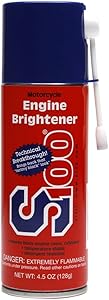
-
Volume: 4.5 oz aerosol
-
Type: Engine brightener and restorer
-
Application: Restores color to faded engine parts
-
Safe for: Painted and unpainted metal, plastic, and rubber
Dr. Wack S100 Engine Brightener isn’t just a cleaner—it’s a restorer for motorcycle engines. Designed to rejuvenate faded black engine components, it leaves a like-new satin finish. This makes it perfect for older bikes that have lost some of their visual appeal due to sun exposure and heat.
The compact aerosol can makes application precise, avoiding overspray on areas you don’t want treated. It’s especially effective for show bikes or post-cleaning detailing, giving the engine bay a professional, showroom-ready look.
Pros
-
Restores faded surfaces beautifully
-
Easy, precise spray application
-
Enhances overall bike aesthetics
-
Works on multiple materials
Cons
-
Small can size
-
Not intended for heavy-duty cleaning
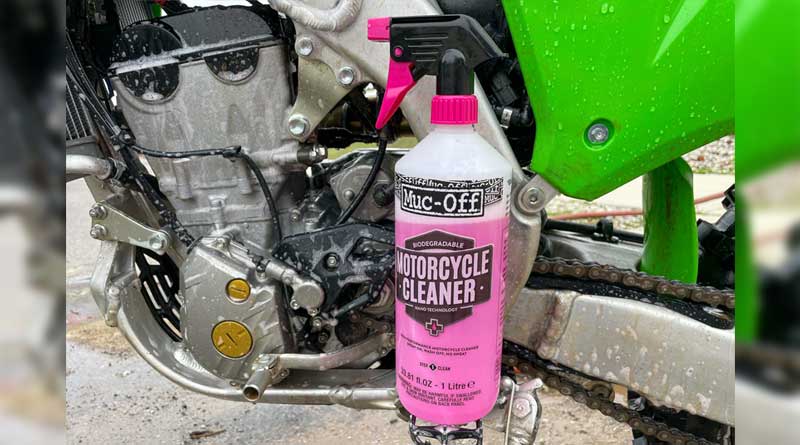
6. Muc Off Nano-Tech Motorcycle Cleaner
-
Volume: 1 liter spray bottle
-
Formula: Biodegradable, nano-technology cleaner
-
Safe for: All motorcycle surfaces, including metal, plastic, rubber, and paint
-
Action: Breaks down dirt at a molecular level
Muc Off Nano-Tech Motorcycle Cleaner is a favorite among riders for its eco-friendly formula and outstanding cleaning performance. Using advanced nano-technology, it penetrates and lifts grime without the need for harsh scrubbing. Its biodegradable nature means it’s safe for both your bike and the environment.
This cleaner is perfect for complete motorcycle washes, including the engine. It removes road dirt, grease, and bugs while being gentle enough for regular use. Riders who prioritize both performance and sustainability will find this cleaner ticks all the boxes.
Pros
-
Eco-friendly and biodegradable
-
Safe on all surfaces
-
Large 1-liter size for multiple uses
-
Requires minimal scrubbing
Cons
-
Not a specialized degreaser for heavy oil build-up
-
Pink color may stain porous materials if left too long
7. Pig Spit PSO Spit Original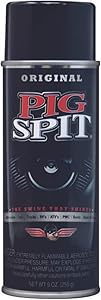
-
Volume: 9 oz aerosol can
-
Purpose: Enhances and protects black plastic, vinyl, and engine surfaces
-
Finish: Restores deep black color
-
Application: Spray-on, no buffing required
Pig Spit PSO Spit Original is designed to bring faded black surfaces back to life. While it’s not a heavy-duty cleaner, it excels as a finishing product after cleaning your motorcycle’s engine and surrounding parts. The spray adds a rich, deep black sheen, giving the bike a fresh-off-the-showroom appearance.
It’s ideal for plastic engine covers, vinyl parts, and rubber trim. Motorcycle owners will appreciate the easy, no-buff application that leaves a protective layer to help resist fading from UV exposure.
Pros
-
Restores deep black color instantly
-
Quick spray application
-
Protects against UV damage
-
Works on multiple materials
Cons
-
Not for removing heavy grease or grime
-
Small can for the price
How to Choose Motorcycle Engine Cleaners
A motorcycle’s engine is its heart, and keeping it clean not only ensures better performance but also extends its life. Over time, engines accumulate grease, oil residue, dirt, and carbon deposits that can affect cooling, efficiency, and even aesthetics. A good motorcycle engine cleaner can make the difference between a smooth, well-maintained machine and one that struggles with heat and grime buildup. However, with so many products on the market, knowing how to choose the right cleaner for your bike is essential.
This guide will walk you through the factors to consider, the types of cleaners available, and tips for getting the most out of your engine-cleaning routine.
1. Understand Why Engine Cleaning Matters
Before selecting a cleaner, it’s worth understanding why engine cleaning is important:
-
Improved Cooling: Dirt and grease insulate engine surfaces, trapping heat. A clean engine cools more effectively.
-
Better Performance: Removing carbon deposits and sludge helps maintain proper airflow and fuel combustion.
-
Longer Engine Life: Oil leaks or residue can corrode components over time. Cleaning prevents long-term damage.
-
Aesthetic Appeal: For riders who take pride in their bike’s look, a shiny, grime-free engine adds to its charm.
2. Identify the Type of Dirt and Grime
The first step in choosing the right motorcycle engine cleaner is identifying what you’re dealing with:
-
Grease and Oil Residue: Common in older engines or after oil leaks; needs a strong degreaser.
-
Carbon Buildup: Usually found on cylinder heads and exhaust ports; requires specialized cleaners.
-
Dust and Road Grime: More common in off-road or dusty environments; mild cleaners are enough.
-
Corrosion or Rust: Needs a cleaner with rust-removing agents or inhibitors.
Knowing the exact contaminants will help you choose a cleaner with the right chemical formulation.
3. Choose Between the Types of Motorcycle Engine Cleaners
Motorcycle engine cleaners come in several formulations, each suited for specific cleaning needs.
a. Solvent-Based Cleaners
-
Best for: Heavy grease, oil, and carbon buildup.
-
How They Work: Break down oil-based contaminants so they can be rinsed away.
-
Pros: Highly effective for stubborn grime.
-
Cons: Can be harsh on paint, rubber, or plastics; requires careful application.
b. Water-Based Degreasers
-
Best for: General cleaning without damaging sensitive surfaces.
-
How They Work: Use surfactants to lift dirt without strong solvents.
-
Pros: Eco-friendly, safe for most finishes, low odor.
-
Cons: May require more scrubbing for tough deposits.
c. Foaming Cleaners
-
Best for: Reaching hard-to-access areas.
-
How They Work: Foam clings to vertical surfaces, dissolving dirt before rinsing.
-
Pros: Good coverage and reduced runoff.
-
Cons: May not be as strong as liquid degreasers.
d. Spray-On/Rinse-Off Formulas
-
Best for: Quick maintenance cleaning.
-
How They Work: Simple spray application, followed by rinsing with water.
-
Pros: Fast, convenient, minimal scrubbing.
-
Cons: Less effective on baked-on grime.
4. Check for Material Compatibility
Not all cleaners are safe for all engine components. Always check the label for compatibility with:
-
Aluminum: Some acidic cleaners can etch aluminum surfaces.
-
Painted Areas: Strong solvents may dull or strip paint.
-
Rubber Seals & Hoses: Avoid products that cause drying or cracking.
-
Plastic Covers: Some cleaners can cloud or discolor plastics.
If you’re unsure, test the cleaner on a small hidden spot first.
5. Consider Safety and Environmental Impact
Engine cleaners vary in their safety profile for both users and the environment.
-
Non-Toxic Formulas: Look for biodegradable, non-corrosive products to reduce health risks.
-
Low VOCs (Volatile Organic Compounds): Minimizes harmful fumes, especially if working in enclosed spaces.
-
Protective Gear: Even with eco-friendly options, gloves and eye protection are recommended.
If you ride in environmentally sensitive areas, choosing an eco-friendly cleaner is both a responsible and legal choice.
6. Evaluate Ease of Application
Different cleaners require different levels of effort:
-
Ready-to-Use Sprays: No dilution needed; best for casual users.
-
Concentrates: Must be diluted with water; more cost-effective for frequent cleaning.
-
Brush vs. No-Brush Application: Some cleaners work without scrubbing, while others need agitation for best results.
If you value convenience, a spray-and-rinse product is ideal. For thorough deep cleaning, a brush-friendly degreaser is better.
7. Check Temperature Recommendations
Some engine cleaners work best when the engine is slightly warm, helping loosen grime. Others should only be applied when the engine is completely cool to avoid chemical reactions or streaking.
Always read the product instructions — using a cleaner at the wrong temperature can reduce effectiveness or damage surfaces.
8. Compare Brand Reputation and Reviews
With so many brands available, it’s wise to check customer reviews and motorcycle forums for real-world feedback. Pay attention to:
-
Cleaning Power: How well does it remove tough grime?
-
Surface Safety: Are there reports of damage to paint, plastic, or rubber?
-
Ease of Rinsing: Some cleaners leave a residue if not rinsed properly.
Reputable brands like Motul, WD-40 Specialist, S100, and Gunk often have specialized motorcycle engine cleaners with proven track records.
9. Price vs. Performance
While budget-friendly cleaners can work for light dirt, investing in a premium product may save time and effort, especially for heavily used motorcycles. Consider:
-
Cost per Use: Concentrates may seem expensive but last longer.
-
Frequency of Cleaning: If you clean often, a mid-range cleaner is economical.
-
Special Requirements: High-performance engines or show bikes may justify higher-end cleaners.
10. Tips for Using Motorcycle Engine Cleaners
Once you’ve chosen the right cleaner, proper use ensures the best results:
-
Prep the Bike: Make sure the engine is cool unless the cleaner specifies otherwise.
-
Cover Sensitive Parts: Protect electrical components, air intakes, and exhaust openings with plastic or foil.
-
Apply Generously: Spray or apply the cleaner evenly over dirty areas.
-
Let It Dwell: Give the product time to break down grime (check the label for recommended duration).
-
Agitate If Needed: Use a soft brush for stubborn spots.
-
Rinse Thoroughly: Use low-pressure water to avoid forcing moisture into seals.
-
Dry the Engine: Use a microfiber towel or compressed air to prevent rust and streaks.
-
Inspect and Repeat: For heavy buildup, a second application may be necessary.
11. Common Mistakes to Avoid
-
Using Harsh Household Cleaners: These may be too abrasive or corrosive for motorcycle engines.
-
Skipping Rinse Steps: Residual cleaner can cause spotting or corrosion.
-
Overusing the Product: Excessive use may damage protective coatings.
-
Ignoring Safety Precautions: Always work in a ventilated area and wear protection.
Final Thoughts
Choosing the right motorcycle engine cleaner involves balancing cleaning power, material safety, environmental responsibility, and ease of use. Whether you ride daily in city traffic, tackle off-road trails, or maintain a showpiece bike, there’s a cleaner suited to your needs.
By understanding the type of grime you’re dealing with, checking for compatibility, and following best practices, you’ll keep your engine not only running efficiently but also looking its best. A well-maintained engine isn’t just about performance—it’s about pride of ownership.