Best Motorcycle Engine Paints of 2025
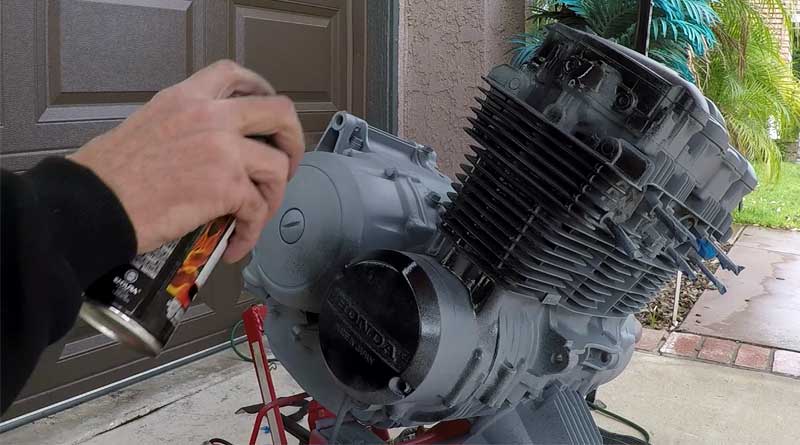
Painting your motorcycle engine is a simple way to improve its look and protect it. A good engine paint can handle high heat and resist fading. It also protects the surface from rust, dirt, and road grime. Choosing the right paint makes your bike look fresh and professional. There are many options, so picking the right one can be tricky. Some paints offer extra shine, while others give a matte finish. You can find options for quick touch-ups or complete makeovers. This guide will help you choose the best motorcycle engine paints. We will look at durability, finish, and heat resistance.
1. Dupli-Color BUN0090
-
Type: Universal Black Metallic Filler spray paint
-
Volume: 8 oz. aerosol can
-
Application: EZ Touch 360° nozzle
-
Finish: Metallic black, high gloss
The Dupli-Color BUN0090 is a dependable option for restoring or touching up a motorcycle engine’s black metallic finish. It’s designed to match many OEM shades while delivering a sleek, professional look. The paint bonds well to primed surfaces and resists fading, making it ideal for long-term use.
Its “EZ Touch” nozzle ensures even application, even on complex engine shapes. While it’s not marketed solely as high-temp paint, it holds up well under normal engine heat when paired with a primer. A great choice for achieving a clean, metallic black finish without professional equipment.
Pros
-
OEM-style metallic finish
-
Smooth, even spray coverage
-
Fade-resistant color
-
Easy to control nozzle
Cons
-
Smaller can size for large jobs
-
Best results only with primer
2. Seymour EN-41
-
Type: High-temp enamel spray paint
-
Color: Chrome Aluminum
-
Volume: 12 oz. aerosol can
-
Heat Resistance: 300°F (149°C)
Seymour EN-41 gives motorcycle engines a sharp chrome-aluminum finish that stands out. The enamel formula resists oil, gasoline, and rust, offering both aesthetic appeal and lasting protection. It’s well-suited for side covers and engine casings, where temperatures stay moderate.
The spray nozzle design reduces overspray and offers good control. While the 300°F heat limit may not withstand extreme exhaust temperatures, for most engine parts, it maintains its shine and adhesion remarkably well.
Pros
-
Attractive metallic appearance
-
Oil, gas, and rust resistant
-
Even application with low overspray
-
Long-lasting color retention
Cons
-
Not suitable for extreme heat zones
-
Needs careful surface prep
3. VHT SP148
-
Type: Engine enamel primer
-
Color: Light Gray Gloss
-
Volume: 11 oz. aerosol can
-
Heat Resistance: 550°F (288°C)
VHT SP148 is a light gray primer built for high-heat engine painting. It creates a strong base layer that improves topcoat adhesion and enhances paint vibrancy. The 550°F heat rating makes it reliable for most motorcycle engine areas.
It also offers corrosion resistance, preventing rust formation over time. When paired with VHT’s enamel paints, it delivers a smooth, durable finish that can handle heat and exposure.
Pros
-
High heat tolerance
-
Boosts paint adhesion
-
Rust-preventive formula
-
Smooth, even coverage
Cons
-
Needs compatible topcoat for best results
-
Extra drying time required before painting
4. Rust-Oleum 248903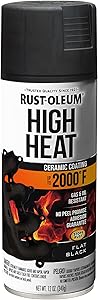
-
Type: High-heat spray paint
-
Color: Flat Black
-
Volume: 12 oz. aerosol can
-
Heat Resistance: 2000°F (1093°C)
Rust-Oleum 248903 is built for extreme heat applications, making it an excellent choice for motorcycle engines and exhaust systems. The flat black finish gives a sleek, stealthy look while protecting against rust, oil, and moisture damage. It’s formulated to resist chipping and peeling under high heat cycles.
Its 2000°F heat tolerance means it can handle the hottest parts of the motorcycle, including exhaust manifolds. Application is smooth, though it’s best to apply multiple thin coats for maximum durability. This paint is ideal for riders seeking both performance and a low-reflective appearance.
Pros
-
Exceptional heat resistance
-
Strong rust protection
-
Matte, non-reflective finish
-
Works well on exhaust parts
Cons
-
Flat finish may show dirt more easily
-
Requires thin multiple coats for best results
5. PJ1 16-SAT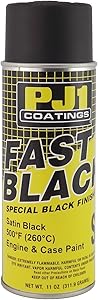
-
Type: Satin black engine spray paint
-
Color: Black Satin
-
Volume: 12 oz. aerosol can
-
Heat Resistance: 500°F (260°C)
PJ1 16-SAT delivers a refined satin black finish perfect for motorcycle engine cases and frames. The heat-resistant formula can handle up to 500°F, making it reliable for most engine areas. It’s resistant to oil, fuel, and chemicals, ensuring the finish stays intact over time.
The satin finish strikes a nice balance between glossy and matte, giving a subtle, professional appearance. Application is straightforward, with good coverage in fewer coats compared to some alternatives. It’s particularly good for restoration projects where an OEM-like finish is desired.
Pros
-
Durable satin finish
-
Oil and fuel resistant
-
Smooth, even coverage
-
Ideal for restoration work
Cons
-
Not for extreme heat zones like headers
-
Limited color options
6. Raptor Engine Primer
-
Type: Engine enamel primer spray
-
Color: Gray
-
Volume: Standard aerosol can
-
Protection: High heat and corrosion resistant
Raptor Engine Enamel Primer is designed to prepare motorcycle engines for topcoat application while offering strong high-heat protection. Its formulation ensures maximum adhesion for the paint layer, helping the finish last longer under heat and vibration.
This primer also provides a corrosion-resistant barrier, protecting engine metal from rust and moisture. The gray base coat enhances color depth for the top layer, making it ideal for riders seeking a vibrant, professional finish. Application is consistent, with minimal runs when applied in thin coats.
Pros
-
Strong adhesion for topcoats
-
High heat tolerance
-
Corrosion protection
-
Enhances topcoat color depth
Cons
-
Requires follow-up coat for full protection
-
Needs careful surface prep
7. ERA Paints 2K Clear Coat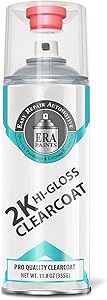
-
Type: 2K high gloss clear coat spray
-
Volume: Aerosol can
-
Finish: High gloss, UV resistant
-
Durability: Professional-grade hardness
ERA Paints 2K Clear Coat is a professional-quality top layer that delivers a deep gloss finish while protecting motorcycle engine paint from UV rays, chemicals, and abrasion. The 2K formula cures to a hard, durable surface, offering superior longevity compared to standard clear coats.
Its high-gloss effect enhances the underlying paint, making colors appear richer and more vibrant. While not a high-temp coating itself, it works well over heat-resistant base coats in areas that don’t exceed moderate engine temperatures. Application is easy with an even spray pattern and fast curing time.
Pros
-
Deep, glossy finish
-
UV and chemical protection
-
Long-lasting hardness
-
Enhances paint vibrancy
Cons
-
Not suitable for extreme heat zones
-
Once activated, must be used quickly
How to Choose Motorcycle Engine Paints
When it comes to giving your motorcycle a fresh, sleek look or restoring an old classic, the right engine paint plays a bigger role than most riders realize. Beyond just appearance, engine paints protect the metal from rust, withstand high temperatures, and resist damage from chemicals like fuel and oil. But with so many options on the market, choosing the right motorcycle engine paint can be confusing.
This guide will walk you through everything you need to know before buying engine paint—covering temperature resistance, durability, color, application type, and more.
1. Why Engine Paint Matters
Motorcycle engines are exposed to extreme heat, road debris, oil splashes, and weather changes. Regular paint will blister, peel, or discolor quickly under these conditions.
Engine paints are specifically designed to:
-
Withstand high temperatures (often 500°F to 2000°F, depending on the product)
-
Protect metal surfaces from corrosion and rust
-
Resist chemical spills from oil, coolant, or fuel
-
Maintain color without fading or yellowing over time
So, engine paint isn’t just for looks—it’s also about longevity and protection.
2. Determine Your Temperature Requirements
The first step is knowing how hot your engine gets. Motorcycle engines, depending on type, can reach 300°F–600°F at the cylinder head, with exhaust headers going much higher.
-
For most standard motorcycle engines → Look for paint rated at 500°F to 650°F.
-
For high-performance or air-cooled engines → Opt for 800°F or more.
-
For exhaust pipes and headers → You’ll need specialized high-temp header paint rated up to 2000°F.
Tip: Don’t just pick the highest temperature rating—choose one suited to your application. Higher temperature paints may have a more limited color selection.
3. Choose the Right Finish
Engine paints come in various finishes, and the choice depends on your bike’s style and personal preference:
-
Gloss → Shiny and reflective; ideal for custom builds or show bikes.
-
Matte → Sleek, understated look; hides dirt and imperfections better.
-
Satin → Balanced sheen; popular for OEM-style restorations.
-
Metallic → Adds sparkle; good for modern sport bikes or custom projects.
Note: Gloss finishes tend to show scratches more, while matte hides them but can be harder to clean.
4. Look for Rust and Corrosion Resistance
Motorcycles are often exposed to rain, humidity, and road salt, which can quickly corrode unprotected metal. Choose a paint with built-in rust inhibitors.
Many high-quality engine paints come with:
-
Anti-rust additives
-
Chemical-resistant properties to handle oil, fuel, and brake fluid
-
Moisture-sealing technology
If you’re painting bare metal, you may also need a high-heat primer to ensure maximum adhesion and rust protection.
5. Decide Between Aerosol vs. Brush-On
Aerosol Spray Paint
-
Pros: Easy to apply, even finish, faster drying.
-
Cons: Requires masking off surrounding areas, may need multiple coats.
-
Best For: Full engine repaint or touching up large areas.
Brush-On Paint
-
Pros: Better control, less overspray, works well for small touch-ups.
-
Cons: Can leave brush marks if not applied carefully.
-
Best For: Detailed restoration, small parts, or avoiding overspray in tight spaces.
6. Color Selection and Matching
Engine paints are available in a wide variety of factory-matched OEM colors, as well as custom shades.
Tips for choosing colors:
-
Classic restorations: Match the original factory color.
-
Custom builds: Choose a color that complements your bike’s bodywork.
-
Contrast approach: Black engine with chrome covers, or silver engine with dark frame for a bold look.
For example:
-
Black: Timeless, hides dirt well, works for almost any motorcycle style.
-
Silver/Aluminum: Gives a clean, classic metallic look.
-
Custom colors (red, blue, gold): Perfect for highlighting performance builds.
7. Check Drying and Curing Requirements
High-temp paints often require heat curing to fully harden and become resistant. This can be done in two ways:
-
Air curing: Letting it dry for 24–48 hours before running the engine.
-
Heat curing: Following a specific heat cycle—running the engine at low idle to gradually bake the paint.
Always check the manufacturer’s curing instructions, as improper curing can lead to peeling or bubbling.
8. Popular Brands to Consider
Some trusted engine paint brands include:
-
VHT – Known for high-temp performance and durable finishes.
-
Dupli-Color – Offers a wide color range and good adhesion.
-
Seymour – Industrial-grade durability and rust protection.
-
Rust-Oleum High Heat – Affordable and easy to find.
9. Application Tips for Best Results
A great paint job is 90% preparation and 10% application. Here’s a step-by-step:
-
Clean Thoroughly – Remove all grease, oil, and dirt. Degreasers work best.
-
Sand Lightly – Use fine-grit sandpaper to remove old paint or rust and improve adhesion.
-
Mask Off Surrounding Areas – Protect parts you don’t want painted.
-
Apply Primer (if needed) – Use high-temp primer for bare metal.
-
Spray Light Coats – 2–3 light coats are better than one heavy coat.
-
Allow Drying Time – Follow manufacturer guidelines between coats.
-
Cure the Paint – Either air dry or heat cure per instructions.
Pro Tip: Never rush the curing process—it’s the difference between a finish that lasts years and one that peels in months.
10. Common Mistakes to Avoid
-
Skipping surface prep – Leads to poor adhesion.
-
Overapplying paint – Causes runs and uneven texture.
-
Painting on a dirty or oily surface – Paint won’t bond properly.
-
Not wearing safety gear – Always use gloves and a respirator mask.
-
Ignoring heat cycles – Paint may blister if not cured correctly.
11. Budget Considerations
Motorcycle engine paints typically cost $10–$25 per can for aerosols and $15–$30 for brush-on paints.
Higher-priced paints usually:
-
Have better color retention
-
Provide stronger rust resistance
-
Offer longer-lasting durability
Remember, it’s cheaper to spend a little more upfront on quality paint than to redo the job in a year.
Final Thoughts
Choosing the right motorcycle engine paint is about balancing heat resistance, durability, color, and application method. Whether you’re restoring a vintage cruiser, customizing a sport bike, or just protecting your engine, the right paint will keep it looking sharp and performing well for years.
If you prepare the surface correctly, choose a quality high-temp paint, and follow proper curing steps, you’ll end up with a finish that can handle the heat—literally.