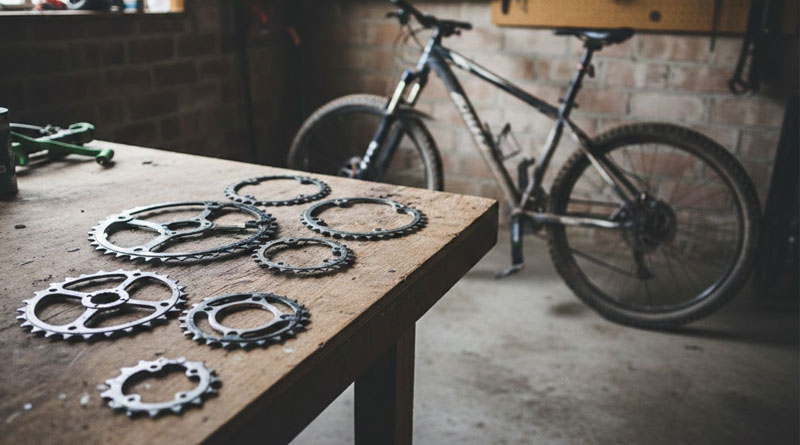
Best Mountain Bike Chainrings of 2025
Finding the right chainring for your mountain bike can change your riding experience. A good chainring improves speed, control, and efficiency. It helps you climb hills easier and ride smoother on rough trails. Mountain bike chainrings come in different sizes, materials, and designs. Choosing the best one depends on your riding style and bike setup. This guide will help you understand what to look for. You will learn which features matter most and how to pick a chainring that fits your needs perfectly.
1. YBEKI Pro-Grade 104BCD Chainring (30-52T)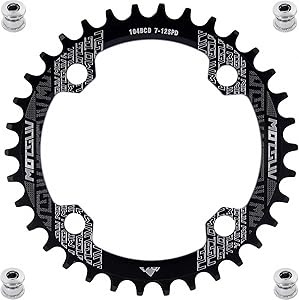
-
Material: CNC 7075-T6 Aluminum
-
Compatibility: Shimano/SRAM 8-11 Speed
-
Design: Narrow-Wide, Round/Oval options
-
Strength: 573MPa tensile strength
The YBEKI Pro-Grade 104BCD Chainring is a versatile and durable option for both MTB and road bikes. Its CNC machined 7075-T6 aluminum ensures lightweight performance without sacrificing strength. The narrow-wide tooth profile improves chain retention, reducing the risk of chain drops on rough trails. Available in both round and oval shapes, it allows riders to choose a cadence style that suits their riding preference.
Installation is straightforward thanks to its 104BCD mounting pattern, compatible with most cranksets. The chainring performs smoothly under high stress, whether climbing steep trails or sprinting on flat roads. It resists wear and maintains rigidity even during intense rides, making it a reliable upgrade for enthusiasts who demand both performance and longevity.
Pros:
-
Lightweight yet strong
-
Excellent chain retention
-
Multiple size and shape options
-
Durable CNC finish
Cons:
-
Slightly higher price than generic chainrings
-
Limited color options
2. BUCKLOS 64/104 BCD Bike Chainring Set
-
Material: Steel CNC Alloy
-
Compatibility: 8/9/10 Speed
-
Bolt Pattern: 4 Bolt
-
Sizes: Multiple (22T, 24T, 26T, 32T, 38T, 42T, 44T)
The BUCKLOS 64/104 BCD Chainring Set is ideal for riders looking for a versatile, multi-chainring setup. Made of CNC alloy steel, it provides excellent durability and wear resistance. Its double and triple chainring options cover a wide range of gears for climbing, sprinting, and all-terrain riding. The precise CNC machining ensures smooth chain engagement and reduces the risk of slipping during rides.
This set is compatible with most 8, 9, and 10-speed MTB cranksets, offering excellent adaptability. Installation is simple due to the standard 4-bolt configuration. Riders will appreciate the solid performance under heavy loads, as these chainrings handle rough trails without deforming. Overall, BUCKLOS provides a cost-effective yet reliable option for serious mountain bikers.
Pros:
-
Strong steel construction
-
Multiple gear options
-
Compatible with multiple speeds
-
Smooth chain engagement
Cons:
-
Heavier than aluminum chainrings
-
Not ideal for single-speed setups
3. Boao Chainring 104 BCD Narrow Wide 32T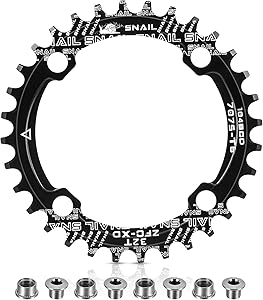
-
Material: Aluminum Alloy
-
Compatibility: Road Bikes, MTB, BMX
-
Mounting: 104 BCD with 4 Sprocket Bolts
-
Design: Narrow-Wide tooth for 1x setups
Boao’s 104 BCD Chainring offers a simple yet effective solution for riders running single-chainring setups. Made from durable aluminum, it balances lightweight performance with strength. Its narrow-wide tooth design helps keep the chain secure during aggressive riding. The 32T size is ideal for cross-country trails and technical MTB routes, providing smooth pedaling and responsive acceleration.
Installation is quick and hassle-free using the included sprocket bolts. Boao’s chainring maintains excellent chain stability and reduces the risk of drops on bumpy terrain. Its clean design suits both road and off-road bikes, making it a flexible choice for riders who want reliability without overcomplicating gear setups.
Pros:
-
Lightweight and durable
-
Great chain retention
-
Easy installation
-
Compatible with multiple bike types
Cons:
-
Only one size option
-
Limited color choices
4. DJC Bike Chainring 104BCD Narrow Wide
-
Material: CNC Aluminum Alloy
-
Compatibility: 7-12 Speed MTB
-
Sizes: 30T to 52T
-
Design: Narrow-Wide, Round/Oval Options
The DJC 104BCD Chainring is perfect for riders seeking a lightweight and customizable chainring solution. With a wide size range from 30T to 52T, it fits different riding styles, from climbing steep trails to fast-paced downhill tracks. Its CNC aluminum construction ensures durability while remaining lightweight, ideal for competitive and recreational cyclists alike.
This chainring offers both round and oval options, catering to different pedaling preferences. Its narrow-wide teeth improve chain retention significantly, reducing the chances of dropped chains on technical terrain. Overall, DJC provides a highly adaptable chainring suitable for almost any MTB configuration, delivering smooth and consistent performance.
Pros:
-
Wide range of sizes
-
Lightweight CNC aluminum
-
Excellent chain retention
-
Compatible with multiple speeds
Cons:
-
Slightly expensive
-
Limited color options
5. CYSKY 104 BCD Narrow Wide Chainring
-
Material: Aluminum Alloy
-
Sizes: 30T to 52T
-
Mounting: Includes Sprocket Bolts
-
Compatibility: 1x setups, MTB, Road, BMX, Gravel, E-Bike
CYSKY’s 104 BCD Narrow Wide Chainring is designed for versatility across multiple bike types. Its aluminum construction keeps it lightweight without compromising strength, and the narrow-wide tooth profile enhances chain retention. This chainring is perfect for single-chainring setups, ideal for gravel, BMX, and MTB enthusiasts seeking smooth pedaling under demanding conditions.
The included sprocket bolts simplify installation and ensure a secure fit. CYSKY chainrings handle rough terrain and maintain performance during high torque applications. Riders looking for an adaptable, reliable chainring for everyday riding or competitive use will appreciate its combination of durability, performance, and ease of use.
Pros:
-
Lightweight and strong
-
Excellent chain retention
-
Wide size range
-
Easy installation
Cons:
-
Only suited for 1x setups
-
Limited aesthetic options
6. YBEKI 110BCD Chainring
-
Material: CNC 7075-T6 Aluminum
-
Sizes: 36T to 58T
-
Compatibility: 8-12 Speed
-
Design: Narrow-Wide, Anti-Drop
YBEKI’s 110BCD Chainring is an ultra-lightweight option for road and MTB riders seeking precision and performance. Machined from 7075-T6 aluminum, it combines strength with minimal weight. Its narrow-wide tooth design ensures optimal chain retention, while the anti-drop feature adds extra security on aggressive rides. With sizes ranging from 36T to 58T, riders can choose the perfect gear ratio for climbing or sprinting.
Installation is easy, thanks to the standard 110BCD mounting. The chainring performs exceptionally well under high torque and maintains smooth pedaling. Its durable CNC finish resists wear and keeps the chainring looking new even after extended use. YBEKI 110BCD is perfect for riders who demand both style and performance.
Pros:
-
Ultra-lightweight CNC aluminum
-
Anti-drop design
-
Wide size range
-
Compatible with multiple speeds
Cons:
-
Higher price point
-
Limited color options
7. EVOSID Mountain Bike Chainring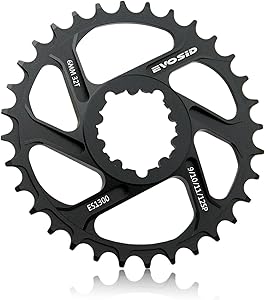
-
Material: CNC 7075 Aluminum Alloy
-
Sizes: 32T, 34T, 36T, 38T
-
Offset: 6mm
-
Compatibility: SRAM GXP, 8-12 Speed
The EVOSID Mountain Bike Chainring offers a reliable, high-performance upgrade for SRAM GXP cranksets. Its 6mm offset design ensures proper chain alignment, reducing wear on the drivetrain. CNC machined from 7075 aluminum, it is lightweight yet extremely durable, ideal for aggressive trail riding or cross-country racing. The narrow-wide teeth prevent chain drops and improve pedaling efficiency.
Installation is straightforward, and the chainring maintains performance under heavy load and rough terrain. The multiple size options allow riders to tailor their gearing to specific trails or riding styles. EVOSID combines durability, precision, and functionality into a cost-effective chainring that meets the needs of serious MTB enthusiasts.
Pros:
-
Lightweight and strong
-
Excellent chain retention
-
Multiple sizes available
-
Proper offset for SRAM GXP
Cons:
-
Limited to SRAM GXP compatibility
-
Only 4 size options
How to Choose Mountain Bike Chainrings
Choosing the right mountain bike chainrings is essential for a smooth riding experience. Chainrings directly affect your bike’s performance, gear range, and pedaling efficiency. Whether you are a beginner or an experienced rider, understanding the different types of chainrings and how they match your riding style is crucial. This guide will help you make an informed choice.
Understanding Chainrings
What is a Chainring?
A chainring is the round, toothed component attached to your bike’s crankset. It engages with the chain to transfer your pedaling power to the rear wheel. Chainrings come in various sizes and designs, which influence speed, torque, and overall bike handling.
The Role of Chainrings in Mountain Biking
Chainrings determine your gear ratios. Larger chainrings provide higher speed on flat terrain but require more effort on climbs. Smaller chainrings make climbing easier but limit your top speed. Selecting the right chainring size is key to matching your bike’s performance to your riding style.
Types of Mountain Bike Chainrings
Single (1x) Chainrings
A 1x setup has only one chainring at the front. It is popular for simplicity and weight reduction. Riders benefit from a lighter drivetrain with less maintenance.
Pros:
-
Lightweight
-
Less maintenance
-
Simpler shifting
Cons:
-
Limited gear range
-
May require a wider rear cassette
Double (2x) Chainrings
A 2x setup has two chainrings at the front. It offers a wider gear range, making it easier to handle both climbs and descents.
Pros:
-
Greater gear range
-
Smooth transitions between gears
Cons:
-
More complex setup
-
Slightly heavier
Triple (3x) Chainrings
A 3x setup has three chainrings. This is ideal for riders needing maximum gear options, especially for steep climbs or touring.
Pros:
-
Maximum gear versatility
-
Good for steep terrain
Cons:
-
Heavier
-
More maintenance required
Chainring Sizes and Gear Ratios
Measuring Chainrings
Chainrings are measured by the number of teeth. For example, a 32T chainring has 32 teeth. The number of teeth influences pedaling ease and speed.
Smaller chainrings (22–32 teeth): Easier to pedal uphill.
Medium chainrings (32–38 teeth): Balanced for mixed terrain.
Larger chainrings (38–50 teeth): Better for flat trails and high-speed riding.
Choosing Based on Terrain
-
Steep Trails: Prefer smaller chainrings for easier climbing.
-
Flat or Rolling Trails: Medium or larger chainrings provide better speed.
-
Mixed Terrain: Consider 2x setups for flexibility.
Material and Durability
Aluminum Chainrings
Aluminum is lightweight and commonly used in mountain biking. It provides good strength for everyday riding but may wear faster on aggressive trails.
Pros: Lightweight, cost-effective
Cons: Less durable under extreme use
Steel Chainrings
Steel chainrings are heavier but extremely durable. They are ideal for downhill riding or heavy riders who need longevity over speed.
Pros: Highly durable, strong
Cons: Heavier, slower acceleration
Titanium Chainrings
Titanium offers a balance between lightweight performance and durability but comes at a premium price.
Pros: Lightweight, long-lasting
Cons: Expensive
Bolt Circle Diameter (BCD)
Understanding BCD
BCD is the diameter of the circle that goes through the chainring bolts. It determines which chainrings fit your crankset. Common sizes include 104mm, 110mm, and 130mm.
Choosing the Correct BCD
-
Check your crankset’s manufacturer specifications.
-
Ensure compatibility with your desired chainring size.
-
Incorrect BCD may prevent proper installation.
Narrow-Wide Chainrings
What is Narrow-Wide?
Narrow-wide chainrings alternate narrow and wide teeth to improve chain retention. They are especially useful for 1x setups.
Benefits:
-
Reduced chain drops
-
Better performance on rough terrain
-
Minimal need for chain guides
Weight Considerations
Lightweight vs. Durability
-
Lightweight chainrings improve acceleration and reduce overall bike weight.
-
Durable, heavier chainrings are better for aggressive riding or downhill biking.
Balancing Weight and Strength
Choose a chainring that fits your riding style. Cross-country riders may prefer aluminum or titanium for light weight, while downhill riders may prioritize steel for durability.
Maintenance and Replacement
Cleaning and Lubrication
Regular cleaning prevents wear and maintains smooth gear shifting. Wipe off mud and debris and lubricate the chain frequently.
Signs You Need Replacement
-
Worn teeth or sharp edges
-
Chain slipping
-
Difficulty shifting
Budget Considerations
Entry-Level Chainrings
Affordable chainrings are typically aluminum. They are sufficient for casual or beginner riders.
Mid-Range Options
Offer a balance of weight, durability, and performance. Suitable for regular riders on varied terrain.
Premium Chainrings
Made from titanium or high-end aluminum alloys. Ideal for competitive riders seeking performance and longevity.
Compatibility with Your Bike
Checking Crankset Compatibility
Ensure the chainring matches your crankset’s BCD, mounting style, and gear configuration.
Rear Derailleur and Cassette Considerations
Consider the rear cassette’s range to match your chosen chainring. A 1x setup often requires a wide-range cassette for optimal gear coverage.
Popular Brands and Models
Some well-known chainring brands include Shimano, SRAM, Race Face, and Wolf Tooth. Each offers different designs, materials, and price points. Reading user reviews can help identify the best options for your needs.
Final Thoughts
Selecting the right mountain bike chainring depends on terrain, riding style, and personal preference. Consider the number of chainrings, size, material, BCD, and compatibility with your bike. Whether you prioritize speed, climbing ability, or durability, the right chainring can dramatically improve your riding experience. Take your time to research and invest in a chainring that enhances both performance and enjoyment on the trails.