
Best Mountain Bike Rims of 2025
Choosing the right mountain bike rims can improve your ride on any trail. Good rims offer strength, control, and smooth handling over rough ground. They also reduce the risk of damage during fast or technical rides. Many riders feel confused by the many rim types and materials available. This guide explains the best options for different riding styles and budgets. You will learn what matters most when picking safe and reliable rims. This will help you choose confidently.
1. Hiland Alloy Bike Rim
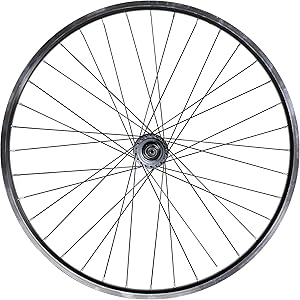
- Diameter: 26 inch
- Material: 6061 Aluminum
- Brake Compatibility: Disc Brake
- Spokes: Heavy Duty
The Hiland Alloy Bike Rim presents itself as a versatile and durable option for riders seeking a reliable 26-inch wheelset. Its construction from 6061 aluminum promises exceptional durability and resistance to the wear and tear of regular use, making it a solid choice for various biking conditions. The inclusion of heavy-duty spokes is a significant plus, as they are built to provide additional strength and enhance the overall resilience of the wheel, which is crucial for rugged performance. Furthermore, the precision-machined hubs are designed to promote smooth rotation and reduce friction, contributing to a better overall riding experience.
Ease of installation is another key highlight of this product. The user-friendly design, coupled with clear instructions and compatibility with standard bike components, means that both novice and experienced mechanics can fit these rims without significant hassle. This focus on accessibility, combined with the rim’s versatile compatibility with tires ranging from 1.75 to 2.125 inches in width, makes it a well-rounded option for those looking for a balance between stability and maneuverability on their bike.
- Pros: Durable 6061 aluminum construction; Heavy-duty spokes for added strength; Precision hubs for smooth rotation; Easy installation process.
- Cons: Limited to 26-inch bikes; Specific tire width compatibility may not suit all preferences.
2. CyclingDeal MTB Bicycle Double Wall Rims

- Rim Material: Alloy 6061-T6
- Rim Wall: Double Wall
- Internal Width: 18 mm
- Hub Brand: JOYTECH
The CyclingDeal MTB Bicycle Double Wall Rims are a thoughtfully designed wheelset that emphasizes a balance between light weight and strength. Crafted from Alloy 6061-T6, the double-wall construction offers a significant performance advantage over single-wall rims, providing enhanced durability without a substantial weight penalty. This makes the wheelset strong enough for daily riding and suitable for a range of 26-inch bikes. The package is comprehensive, including both front and rear wheels, quick releases, rim tape, and a pre-installed 6-speed freewheel, which adds considerable value and simplifies the upgrade process.
This wheelset is specifically compatible with 6-speed systems and caliper rim brakes, which positions it perfectly for entry-level or touring bikes. The quality JOYTECH hubs and CNC-machined braking surface are notable features that contribute to reliable performance and consistent stopping power. While the 36-hole configuration with ED black steel spokes and brass nipples ensures a robust build, the specific compatibility might limit its appeal to riders with more modern, multi-speed drivetrains or disc brake setups.
- Pros: Light yet strong double-wall construction; Includes freewheel and rim tape; Quality JOYTECH hubs; Backed by a 2-year warranty.
- Cons: Limited to 6-speed and rim brakes; Not for use with disc brakes or wider tire trends.
3. CyclingDeal Mountain Bike Wheelset

- Freewheel Compatibility: 5-8 Speed
- Brake Compatibility: V-brakes only
- Construction: Hand-built with double-wall alloy rim
- Weight: 4.4 lbs (2019g)
This CyclingDeal Mountain Bike Wheelset stands out for its broader compatibility and hand-built quality. Designed to work with 5 to 8-speed screw-on freewheels and V-brakes, it offers more flexibility for upgrading older or mid-range mountain bikes. The sturdy double-wall rim, made from quality alloy aluminum, provides a clear performance and durability benefit over single-wall alternatives, ensuring the wheels can handle the rigors of trail riding. A significant selling point is the hand-building process, where attention to spoke tension and truing results in a wheel that is round, strong, and reliable straight out of the box.
Weighing in at 4.4 pounds, the set is reasonably light for its class and build. The package is fully assembled, which includes hubs, spokes, and rim tape, making installation a relatively straightforward task. The use of brass nipples and a CNC braking surface further enhances the longevity and consistent performance of the brakes. The primary limitation is its exclusivity to rim brakes, which may deter riders looking to upgrade to a modern disc brake system.
- Pros: Broad 5-8 speed freewheel compatibility; Hand-built for superior trueness and strength; Lightweight double-wall construction; Includes a 2-year warranty.
- Cons: Not compatible with disc brakes; Bolt-on hubs may not be preferred by all.
4. Wheel Master 29er Alloy Mountain Disc Double Wall

- Wheel Size: 29in (ISO 622)
- Rim Model: WEI XM280 Disc
- Hub Model: W/M MT-2000
- Spoke Count: 36H
The Wheel Master 29er Alloy Mountain Disc Double Wall wheel is a no-frills, functional front wheel designed for the modern mountain biker. Its 29-inch size is the current standard for many mountain bikes, offering improved roll-over capability and momentum on trails. The WEI XM280 double-wall rim is a reliable and common choice, known for its strength and durability, which is essential for handling the impacts of off-road riding. The wheel is specifically built for disc brakes, featuring a 6-bolt rotor mount, making it a suitable choice for riders who require the consistent, powerful stopping power that disc systems provide, especially in wet or muddy conditions.
This is a front wheel only, which is important for buyers to note, as a matching rear wheel would need to be purchased separately. The 36-hole configuration paired with the W/M MT-2000 hub suggests a build focused on robustness and reliability over shaving grams. It’s a practical replacement or upgrade wheel for riders who need a dependable, disc-compatible 29er front wheel without excessive complexity or cost.
- Pros: Modern 29-inch size for better trail performance; Double-wall rim for durability; Disc brake compatible (6-bolt); Robust 36-hole build.
- Cons: Sparse product information provided; This is a front wheel only, not a set.
5. TdiriNar MTB Bicycle Double Wall Rims

- Load Capacity: Approximately 441 lbs
- Brake System: Dual six-hole brake discs
- Bearings: Sealed (2 front, 4 rear)
- Spoke Material: No.45 Steel
The TdiriNar MTB Bicycle Double Wall Rims are engineered with a strong focus on safety and load-bearing capacity. With an impressive claimed weight limit of approximately 441 pounds, this wheelset is designed to accommodate a wide range of riders and cargo setups, providing peace of mind for heavier cyclists or those who carry gear. The use of dual six-hole brake discs on both front and rear wheels enhances braking safety and reliability, a crucial factor for mountain biking. The sealed bearing system, with two bearings in the front and four in the rear hub, is a standout feature that improves transmission efficiency and dramatically reduces contamination from dust and dirt, thereby extending the wheel’s service life.
Constructed from anodized aluminum alloy with spokes made from durable No.45 steel, the wheelset is built to resist corrosion and rust. The anodizing process also helps maintain the wheel’s appearance over time. The manufacturer states that the wheelset comes pre-adjusted, requiring only the installation of tires, flywheel, and washers, which simplifies the setup process. This combination of high load capacity, sealed bearings, and easy installation makes it a compelling, high-value option for the practical cyclist.
- Pros: Very high weight capacity; Effective sealed bearing system; Durable anodized aluminum and steel construction; Easy installation process.
- Cons: Specific wheel size not explicitly stated in provided info; Heavier build due to robust components.
6. Treliamd Mountain Bike Wheel Set
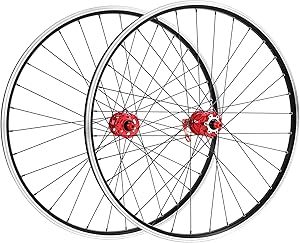
- Wheel Size: 29 Inch
The product listing for the Treliamd Mountain Bike Wheel Set provides very limited information, stating only that it is a 29-inch mountain bike wheel set. The 29-inch size is a popular choice for modern mountain bikes, offering advantages in overcoming obstacles and maintaining speed on rough terrain. However, the lack of detailed specifications such as rim material, brake compatibility, hub type, or spoke count makes it difficult to provide a thorough assessment of its quality, intended use, and performance characteristics.
Without key details, potential buyers are left with significant questions. It is unclear whether the set is designed for disc or rim brakes, what the weight limit might be, or if it includes both front and rear wheels. The image may provide some visual clues, but a comprehensive understanding of the product’s value and suitability is not possible. Customers interested in this wheelset would need to seek out additional information from the seller or product reviews before making a purchasing decision.
- Pros: Modern 29-inch wheel size.
- Cons: Extremely limited product information; Unknown brake compatibility, construction, and component quality.
7. WheelMaster Mountain Disc Double Wall
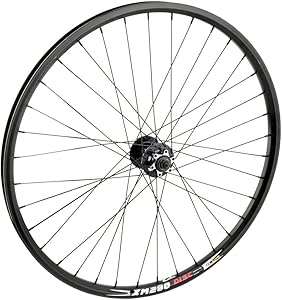
- Wheel Size: 26in (ISO 559)
- Rim Model: WEI XM280 Disc
- Hub Model: W/M MT-2000
- Spoke Count: 36H
The WheelMaster Mountain Disc Double Wall wheel is a straightforward and robust 26-inch front wheel. The classic 26-inch size remains a popular choice for many mountain bikes, especially those with smaller frames or for riders who prefer quicker handling. The wheel features the dependable WEI XM280 double-wall rim, which provides a good balance of strength and reasonable weight, making it capable of withstanding the demands of trail riding. It is specifically designed for disc brakes with a 6-bolt rotor mount, offering the reliable, all-weather stopping power that is essential for serious off-road cycling.
This is a single front wheel, not a complete set, which is a critical detail for shoppers to be aware of. The build, with its 36-hole drilling and W/M MT-2000 hub, prioritizes durability and longevity over ultra-light weight. It serves as a practical and affordable replacement option for riders with 26-inch mountain bikes who are looking to maintain or upgrade to a disc brake system without a significant investment.
- Pros: Proven 26-inch size for agile handling; Strong double-wall rim construction; Disc brake compatible; Durable 36-hole build.
- Cons: Limited information available; This is a front wheel only.
How to Choose Mountain Bike Rims
Choosing the right mountain bike rims is crucial for performance, safety, and enjoyment. Rims are not just a cosmetic part of the bike—they affect weight, strength, traction, and overall ride quality. With countless options available in the market, understanding the factors that influence rim selection can make a significant difference in your riding experience. This guide will help you navigate through the essential considerations when selecting mountain bike rims.
Understanding Rim Material
Aluminum Rims
Aluminum rims are the most common choice for mountain bikes. They offer a balance of durability, weight, and affordability. Aluminum rims resist corrosion and provide decent stiffness, which is ideal for cross-country and trail riding. They are easier to repair compared to carbon fiber and often handle rough terrain without significant damage.
Carbon Fiber Rims
Carbon fiber rims are lighter and stiffer than aluminum, which enhances acceleration and climbing efficiency. They offer better shock absorption and allow for a smoother ride. However, they are more expensive and can be more vulnerable to impact damage. Carbon rims are preferred for racing and serious mountain biking enthusiasts who prioritize performance.
Rim Width Considerations
Internal Width
The internal width of a rim directly affects tire performance. Narrow rims (19–25mm) are lighter and suited for cross-country bikes with narrower tires. Wider rims (30–35mm) provide better support for fat tires, improving traction, stability, and control, especially on rough terrain or during downhill rides.
External Width
External width impacts the tire’s shape and how it contacts the trail. Wider rims allow tires to maintain a rounder profile, which increases grip. If you ride aggressively on rocky trails, opting for a wider rim can reduce the risk of tire burping or rim damage.
Rim Diameter
Standard Sizes
Mountain bike rims typically come in three standard diameters: 26-inch, 27.5-inch, and 29-inch.
-
26-inch: Historically popular, lighter, and highly maneuverable. Best for technical trails or riders seeking agility.
-
27.5-inch: Offers a balance between speed, traction, and agility. Suitable for all-mountain and trail riding.
-
29-inch: Provides smoother roll-over on obstacles and improved traction. Ideal for cross-country and endurance riding but slightly less nimble in tight corners.
Matching Tires
Choosing the correct diameter ensures compatibility with your tires and brakes. Always check tire recommendations for your rim size to avoid fitment issues.
Rim Depth and Profile
Shallow Rims
Shallow rims (20–30mm) are lighter and more flexible, ideal for cross-country riders focusing on climbing efficiency. They absorb trail vibrations well and provide a more forgiving ride.
Deep Rims
Deeper rims (30–50mm) are stiffer and more aerodynamic, often preferred for downhill and enduro bikes. They improve high-speed stability but can increase rotational weight, affecting acceleration.
Rim Strength and Durability
Number of Spoke Holes
Rims come with varying spoke counts, commonly ranging from 28 to 36 holes. More spokes increase strength and load distribution, making them suitable for heavier riders or aggressive downhill riding. Fewer spokes reduce weight, ideal for lighter riders and cross-country racing.
Rim Construction
Tubeless-ready rims offer better puncture resistance and allow running lower tire pressures for improved grip. Double-walled rims are more durable than single-walled rims, resisting dents and impacts during rough rides.
Weight Considerations
Lightweight Rims
Light rims improve climbing, acceleration, and handling. They are ideal for cross-country and trail riders who value efficiency. However, extremely light rims can compromise durability on rugged trails.
Heavy-Duty Rims
Heavier rims provide better strength and impact resistance. These rims are suitable for downhill and enduro riders who encounter rock gardens, jumps, and technical terrain frequently.
Compatibility and Bike Type
Frame and Fork Clearance
Ensure the rims fit your bike’s frame and fork. Wider rims may require more clearance, while certain deep-profile rims might interfere with suspension components. Check manufacturer specifications for maximum tire width and rim compatibility.
Brake Type
Mountain bike rims are designed for either disc brakes or rim brakes. Disc brake-compatible rims have a reinforced hub area to withstand braking forces, whereas rim brake rims feature smooth braking surfaces. Choosing incompatible rims can compromise braking efficiency and safety.
Budget and Brand Considerations
Cost vs Performance
Rims range from budget-friendly aluminum options to premium carbon fiber models. Higher-priced rims often offer better weight savings, stiffness, and durability. Balance your budget with your riding style and performance expectations to find the optimal rim.
Trusted Brands
Selecting rims from reputable brands ensures quality, warranty, and compatibility with other components. Brands like DT Swiss, Stan’s NoTubes, and Race Face are known for producing reliable mountain bike rims suitable for different riding styles.
Maintenance Tips
Regular Inspection
Check rims for cracks, dents, or warping, especially after heavy rides or impacts. Inspect spoke tension to ensure consistent performance and prevent wheel failure.
Cleaning and Care
Clean rims regularly to remove mud, dirt, and debris. For disc brake rims, avoid contaminating the rotor surface to maintain braking efficiency. Proper care extends the lifespan of your rims and preserves riding safety.
Conclusion
Choosing the right mountain bike rims involves understanding materials, width, diameter, weight, and compatibility with your bike. Whether you prioritize lightweight performance, durability, or aggressive trail control, selecting the appropriate rims can enhance your riding experience and safety. By considering your riding style, terrain, and budget, you can make an informed decision that maximizes both comfort and performance on the trails.