Best Mountain Bikes for Bikepacking of 2026
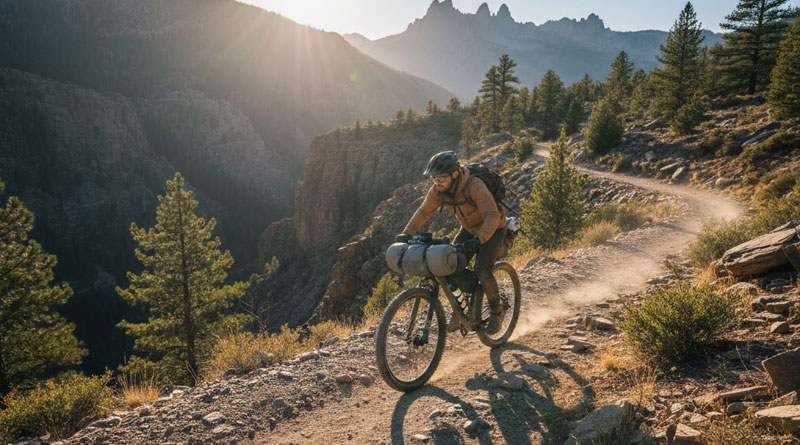
Ready to swap traffic for trails? Bikepacking combines mountain biking with overnight camping, letting you explore remote places on two wheels. But you need the right bike for the job. We have tested the latest models to find the best mountain bikes for bikepacking. Whether you are on a budget or seeking high-end performance, here are our top picks for your next adventure.
1. Co-op Cycles DRT 1.1

- Frame: 6061 aluminum
- Gears: 16-speed Shimano Altus/Tourney
- Brakes: Tektro hydraulic disc
- Fork: SR Suntour SF23-XCM32 (100mm travel)
The Co-op Cycles DRT 1.1 serves as an excellent entry point for aspiring trail riders who want a reliable machine without breaking the bank. The 6061 aluminum frame provides a sturdy yet lightweight foundation that feels responsive on winding paths. Having a 2×8 drivetrain is a smart choice here, offering a simplified gear range that still tackles steep climbs effectively while reducing mechanical complexity for newer riders.
One of the standout features at this price point is the inclusion of Tektro hydraulic disc brakes, which offer superior stopping power and modulation compared to mechanical versions. The SR Suntour fork provides enough travel to soak up roots and small rocks, making for a much more comfortable off-road experience. It is a versatile bike that feels just as comfortable on a light local trail as it does on a gravel path.
Pros: Powerful hydraulic brakes, reliable Shimano components, and a lightweight aluminum frame.
Cons: The 2×8 gearing might feel limited for high-speed road sections.
2. WEIZE Mountain Bike
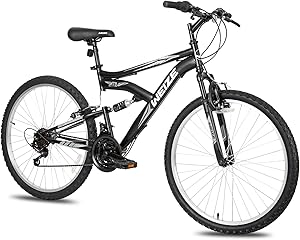
- Frame: Durable steel dual suspension
- Speeds: 18-speed twist shifters
- Brakes: Front and rear linear pull
- Tires: 26-inch all-terrain
The WEIZE Mountain Bike is designed for riders looking for a budget-friendly way to enjoy dual-suspension comfort. The steel frame is incredibly rugged, built to withstand the rigors of daily use by youth or adult riders. By incorporating both a front suspension fork and a rear coil shock, this bike aims to smooth out the vibrations and impacts found on bumpy neighborhood paths or light woodland trails.
Equipped with an 18-speed twist shifting system, the bike allows for quick cadence adjustments when transitioning from flats to moderate inclines. While the linear pull brakes are simpler than disc systems, they provide consistent stopping power for casual recreational use. The 26-inch tires offer a classic mountain bike feel that is easy to maneuver, making it a solid choice for teens and beginners who value a cushioned ride.
Pros: Dual suspension for extra comfort, very affordable, and includes assembly tools.
Cons: Heavier steel frame and basic linear pull brakes compared to disc options.
3. Cannondale Trail 2

- Frame: SmartForm C3 alloy with internal routing
- Gears: 9-speed Shimano CUES U4000
- Brakes: Tektro M275 hydraulic disc
- Wheel Size: Size-specific (27.5 or 29 inches)
The Cannondale Trail 2 is a high-quality hardtail that brings professional-level frame technology to a wider audience. The SmartForm C3 alloy frame features sophisticated SAVE micro-suspension zones that help dampen vibrations without the weight of a rear shock. With its internal cable routing and dropper-post compatibility, this bike is built for riders who might want to upgrade their components as their skills progress on more technical terrain.
Performance is driven by the modern Shimano CUES 9-speed drivetrain, which utilizes a wide-range 11-46T cassette to conquer even the most daunting hills. The hydraulic disc brakes ensure you stay in control during steep descents, providing confidence-inspiring bite in all weather conditions. It is a refined, well-balanced machine that excels in agility and climbing efficiency, making it a top contender for serious cross-country and trail enthusiasts.
Pros: Premium lightweight frame, modern wide-range drivetrain, and dropper-post ready.
Cons: Fewer gears than traditional setups, though the range remains excellent.
4. Huffy Stone Mountain Mountain Bike
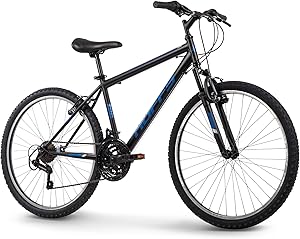
- Frame: Matte black steel hardtail
- Speeds: 21-speed Shimano twist
- Suspension: Front suspension fork
- Wheels: 26-inch all-terrain
The Huffy Stone Mountain is a stylish and functional option for those who need a bike that handles both daily commutes and weekend adventures. The sleek matte black finish gives it a premium look that masks its rugged steel construction. It features a 21-speed Shimano twist shifting system, which provides a massive range of gears to help riders maintain a steady pace regardless of the elevation changes on their route.
To improve rider comfort, Huffy has included a front suspension fork that does a great job of absorbing the “chatter” from uneven pavement and gravel. The padded saddle is specifically designed for longer sessions, ensuring you do not feel the fatigue of the road. With its 26-inch knobby tires, this bike offers plenty of traction on dirt paths while remaining efficient enough for sidewalk riding, making it a versatile all-rounder.
Pros: Beautiful matte aesthetics, very comfortable saddle, and wide 21-speed gear range.
Cons: Steel frame is heavier than alloy and assembly may require some fine-tuning.
See the Huffy Stone Mountain Mountain Bike
5. Schwinn High Timber Mountain Bike
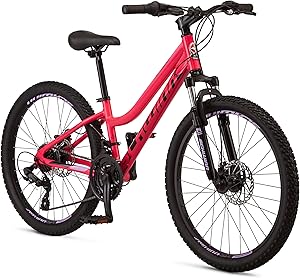
- Frame: 12-inch lightweight aluminum
- Speeds: Twist shifters with rear derailleur
- Crank: Alloy mountain crank
- Wheels: 24-inch with all-terrain tires
The Schwinn High Timber is an ideal transition bike for younger or shorter riders who are ready to take on more challenging trails. By using a lightweight aluminum frame, Schwinn has made the bike much easier to handle and maneuver than traditional steel models. The 24-inch wheels provide a lower center of gravity, which helps newer riders maintain their balance when navigating tight turns or obstacles in the neighborhood or on local paths.
This model focuses on ease of use, featuring intuitive twist shifters that make gear changes feel natural and quick. The alloy crank is a nice touch, as it provides smooth power transfer and requires less maintenance over time. Whether it is for riding to school or exploring dirt trails, the wide knobby tires provide the necessary grip to keep the rider stable in various weather conditions, including rain and light mud.
Pros: Lightweight aluminum construction, easy-to-adjust seat post, and great for smaller riders.
Cons: 24-inch wheel size limits use for taller adults.
See the Schwinn High Timber Mountain Bike
6. Mongoose Grafton Mountain Bike

- Frame: Aluminum with modern geometry
- Speeds: 21-speed trigger shifters
- Brakes: Mechanical disc brakes
- Tires: 2.3-inch wide knobby
The Mongoose Grafton brings a bit of “dirt-born” heritage to the youth and adult mountain bike category. The aluminum frame is designed with modern geometry, providing a balanced riding position that increases confidence on singletrack trails. Unlike many entry-level bikes that use twist shifters, the Grafton features trigger shifters, which many riders find more precise and satisfying when clicking through the 21 available gear combinations during a climb.
The extra-wide 2.3-inch tires are a standout feature, providing a larger contact patch for superior grip on loose dirt and rocky surfaces. Coupled with mechanical disc brakes, the bike offers reliable stopping power that is far more effective than traditional rim brakes in wet or muddy environments. It is a robust, well-engineered bicycle that encourages riders to push their limits on off-road terrain while maintaining a clean, streamlined look.
Pros: Precise trigger shifters, very wide tires for grip, and effective disc brakes.
Cons: Mechanical discs require more frequent adjustment than hydraulic ones.
See the Mongoose Grafton Mountain Bike
7. Dynacraft Magna Echo Ridge

- Frame: Alloy Steel
- Speeds: 1-speed (Single speed)
- Suspension: Dual (Front fork and rear shock)
- Brakes: Front and rear linear pull
The Dynacraft Magna Echo Ridge is a unique entry in the mountain bike world, focusing on extreme simplicity and comfort. While most mountain bikes feature complex gearing, this model utilizes a single-speed drivetrain. This makes it an excellent choice for casual riders who want to enjoy the outdoors without worrying about derailleur adjustments or shifting issues. The dual suspension system works to iron out bumps, making for a plush ride on paved paths.
Safety is handled by front and rear linear pull brakes, which are easy to maintain and provide enough stopping force for cruising around the park or neighborhood. The inclusion of a quick-release seat post allows for instant height adjustments, which is perfect for growing teens. It is a straightforward, no-nonsense bike that prioritizes a smooth ride and low maintenance over technical trail performance, making it a stress-free option for recreational cycling.
Pros: Low maintenance single-speed design, dual suspension comfort, and easy seat adjustment.
Cons: Not suitable for steep hills or technical off-road trails due to lack of gears.
See the Dynacraft Magna Echo Ridge
8. Ktaxon Mountain Bike

- Frame: High-carbon steel
- Speeds: 21-speed transmission
- Suspension: Dual suspension with lock-out fork
- Brakes: Mechanical dual disc
The Ktaxon Mountain Bike is a heavy-duty machine built to conquer tough environments like gravel and rocky roads. Its high-carbon steel frame is designed for maximum durability, ensuring it stays rigid and strong under pressure. One of the highlights is the 21-speed shifting system, which allows riders to fine-tune their effort across various terrains. The dual shock absorption system, featuring a thickened front fork, provides a significant reduction in impact during rougher descents.
A notable technical feature is the lock-out suspension fork, which allows you to “turn off” the suspension for better efficiency when riding on flat, smooth pavement. The lightweight aluminum alloy wheels are paired with specially designed spokes to reduce wind resistance, helping you maintain speed with less effort. With mechanical dual disc brakes, the bike ensures a sensitive and powerful response, making it a very capable choice for riders seeking a mix of strength and utility.
Pros: Lock-out fork for versatility, durable carbon steel, and dual disc brakes.
Cons: Steel frame adds weight; 15% assembly and tuning required by user.
9. MarKnig Mountain Bike

- Frame: Carbon Steel with upgraded paint
- Speeds: 7-speed gear system
- Brakes: V-brake style
- Suspension: Front fork suspension
The MarKnig Mountain Bike stands out for its user-friendly approach and reinforced design. With a focus on longevity, the carbon steel frame features an upgraded waterproof paint finish that protects against the elements while maintaining a sharp look. The 7-speed gear system is simple enough for beginners to master quickly while providing enough flexibility to handle moderate inclines and varied road conditions found during everyday commutes or park rides.
Stability is a priority here, as the front fork suspension works alongside non-slip, wear-resistant tires to provide traction on diverse surfaces. The assembly process is particularly impressive, with 90% of the bike pre-installed, significantly reducing the setup time for the user. It is a practical, sturdy bike designed for those who want a reliable mode of transportation that can occasionally veer off the pavement onto light dirt paths without any hesitation.
Pros: Very easy 90% pre-assembly, durable waterproof paint, and simple 7-speed shifting.
Cons: V-brakes are less powerful in wet mud compared to disc brakes.
10. AVASTA Earth

- Frame: Aluminum alloy frame and rims
- Speeds: 21-speed derailleur
- Brakes: Disc brakes
- Fork: Switchable suspension fork
The AVASTA Earth is a modern, lightweight mountain bike that offers a high degree of customization for the rider. The aluminum alloy construction for both the frame and the rims keeps the bike agile and easy to handle, which is a major advantage for climbing and long-distance riding. One of its best features is the switchable suspension fork, which lets you adjust the ride comfort based on whether you are on a bumpy trail or a smooth road.
With a 21-speed derailleur system, you have plenty of options for finding the right cadence, while the disc brakes provide the necessary stopping power for technical sections. The bike also offers flexibility in tire choice, accommodating both 26-inch and 27.5-inch all-terrain tires with quick-release hubs for easy maintenance. It is a well-rounded package that includes thoughtful extras like a bell and tool kit, making it ready for adventure right out of the box.
Pros: Lightweight alloy build, adjustable suspension fork, and included tool kit.
Cons: 75% assembly means a bit more work is required during initial setup.
How to Choose the Perfect Mountain Bike for Bikepacking
Bikepacking is the adventurous marriage of mountain biking and minimalist camping. Unlike traditional bicycle touring, which often sticks to paved roads and utilizes heavy panniers, bikepacking takes you deep into the backcountry, onto singletrack trails, and across rugged terrain. Because you are carrying your gear—tents, sleeping bags, and food—on the bike itself, the choice of your steed becomes the most critical decision in your preparation. The right mountain bike will not only carry the load efficiently but will also ensure that the riding remains fun rather than a grueling chore.
When selecting a mountain bike for bikepacking, you must balance durability, comfort, and the ability to mount bags. While you can technically bikepack on almost any bike, certain geometries and features make the experience significantly better. In this guide, we will explore the nuances of frame materials, suspension types, and wheel sizes to help you find the ultimate backcountry companion.
Understanding the Core Bike Categories
Not all mountain bikes are created equal when it comes to hauling gear over long distances. Generally, bikepackers look at three main categories: rigid, hardtail, and full-suspension bikes. Each offers a different trade-off between comfort on the trail and efficiency on the flats.
Rigid Mountain Bikes
Rigid bikes have no suspension at all. While this might sound punishing, they are a favorite among “dirt touring” enthusiasts and long-distance racers. The primary advantage is the massive amount of space inside the front triangle for a large frame bag. Without a rear shock or a moving fork, there are fewer mechanical parts to fail in the middle of a desert or forest. To compensate for the lack of suspension, many rigid bikepacking bikes use “plus-sized” tires to provide natural cushion.
Hardtail Mountain Bikes
The hardtail—featuring a suspension fork in the front and a solid frame in the back—is widely considered the “goldilocks” of bikepacking. It offers a great balance of comfort by soaking up front-end impacts while maintaining a large enough frame triangle for storage. Hardtails are typically lighter and more efficient at climbing than full-suspension bikes, which is a major benefit when your bike is loaded down with an extra 20 to 30 pounds of gear.
Full-Suspension Mountain Bikes
If your bikepacking route involves technical singletrack and rocky descents, a full-suspension bike is the best choice for saving your body from fatigue. However, they present the biggest challenge for gear storage. The rear shock usually eats up a significant portion of the frame triangle, forcing riders to use smaller bags or specialized racks. If you choose this route, look for “short-travel” cross-country or trail bikes that prioritize pedaling efficiency.
Frame Materials: Strength vs. Weight
The material of your frame dictates how the bike feels under a heavy load and how it handles the vibrations of the trail. There are four primary materials to consider: aluminum, steel, carbon fiber, and titanium.
Steel
Steel is the traditional choice for bikepacking. It is incredibly durable, and if the frame happens to crack in a remote area, it can often be welded back together by a local shop. Steel has a natural “spring” to it, which helps absorb road buzz, making it very comfortable for 10-hour days in the saddle. The only downside is that it is the heaviest of the four materials.
Aluminum
Aluminum frames are lightweight, stiff, and affordable. Most entry-level to mid-range mountain bikes are made of aluminum. While it doesn’t offer the same vibration-dampening qualities as steel, modern hydroforming techniques have made aluminum frames much more comfortable than they used to be. It is an excellent choice for riders on a budget who want a responsive, light bike.
Carbon Fiber
For the weight-conscious racer, carbon fiber is king. It allows for incredibly complex frame shapes and is the lightest material available. However, carbon can be sensitive to “bag rub.” If you use a carbon frame, you must be diligent about using protective tape where straps meet the frame to prevent the fabric from sanding down the resin. It is also the most difficult material to repair in the backcountry.
Wheel and Tire Considerations
Your wheels are where the rubber meets the dirt, and in bikepacking, tire volume often trumps tread aggressiveness. The goal is to find a tire that provides stability and comfort without creating excessive rolling resistance.
Wheel Size: 29er vs. 27.5
Most modern bikepacking bikes use 29-inch wheels. They roll over obstacles more easily and maintain momentum better than smaller wheels, which is vital when the bike is heavy. 27.5-inch wheels (650b) are often preferred by smaller riders or those who prioritize agility and a lower center of gravity on extremely tight, technical trails.
Tire Width and Plus Tires
A standard mountain bike tire is usually between 2.2 and 2.4 inches wide. For bikepacking, “Plus” tires (2.6 to 3.0 inches) are highly popular. The extra air volume allows you to run lower tire pressures, which increases traction and acts as a form of micro-suspension. This is especially helpful on sandy or loose gravel routes where standard tires might sink or slide.
Mounting Points and Geometry
A bike’s ability to carry gear is just as important as how it rides. When shopping, look for “braze-ons” or mounting bolts. Ideally, a bikepacking bike will have triple-boss mounts on the fork blades (often called “anything cage” mounts) and multiple bottle cage mounts on the frame. Some modern bikes even have top tube mounts for “gas tank” bags.
Geometry-wise, you want a bike that is “stable” rather than “twitchy.” This usually means a slightly longer wheelbase and a more upright riding position. A bike that feels incredibly fast and aggressive in a 90-minute race might feel twitchy and exhausting when you are tired on day four of a journey. A more relaxed geometry allows you to look around at the scenery and stay comfortable for hundreds of miles.
The Importance of Gearing
When you add 25 pounds of camping gear to a bike, your climbing ability changes drastically. The “granny gear” that felt easy on your local unloaded trail will suddenly feel much harder. For bikepacking, you want a drivetrain with a very wide range. A 1×12 system with a 10-52T cassette is the gold standard, but the front chainring should be smaller than usual—often a 28T or 30T—to ensure you can keep the pedals turning on steep, loaded climbs.
Conclusion
Choosing a mountain bike for bikepacking is a personal journey that depends entirely on where you plan to go. If your dreams involve the Great Divide Mountain Bike Route, a rigid 29er with plus tires might be your best bet. If you want to explore the technical singletrack of the Colorado Trail, a lightweight hardtail or full-suspension bike will serve you better.
The best bike is ultimately the one that fits you well and makes you want to explore. Start with what you have, learn what gear works for you, and over time, you can refine your setup into the perfect backcountry expedition machine.