Best Road Bike Chainrings of 2025
Choosing the right chainring can change your riding experience completely. Road bike chainrings affect speed, efficiency, and comfort. A good chainring helps you pedal smoothly and tackle hills with ease. There are many sizes and materials available, each suited for different riding styles. Picking the best one can be confusing for beginners. This guide will help you understand what to look for. We will cover sizes, materials, and compatibility. By the end, you will know how to choose a chainring that fits your road bike perfectly.
1. YBEKI Pro-Grade 104BCD Chainring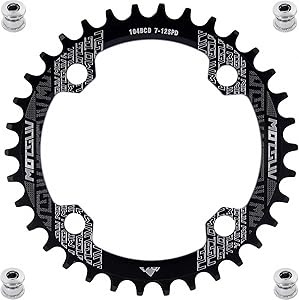
-
Material: CNC 7075-T6 Aluminum
-
Compatibility: Shimano/SRAM 8-11 Speed
-
Teeth Options: 30-52T
-
Strength: 573MPa
The YBEKI Pro-Grade 104BCD Chainring is designed for riders who demand precision and performance. Its CNC 7075-T6 aluminum construction makes it extremely durable while keeping it lightweight for aggressive riding. The narrow-wide tooth design ensures optimal chain retention, reducing the chance of chain drops during intense pedaling. Its compatibility with Shimano and SRAM drivetrains from 8 to 11 speed makes it a versatile upgrade for both road and MTB setups.
This chainring is available in multiple vibrant colors including black, red, and blue, allowing riders to customize their bikes aesthetically. The round and oval options also cater to personal preferences in pedaling dynamics, making climbing and sprinting smoother and more efficient. Whether for daily commuting, road racing, or mountain trails, the YBEKI Pro-Grade chainring maintains performance and reliability.
Pros:
-
Lightweight yet extremely durable
-
Excellent chain retention with narrow-wide design
-
Multiple colors and shape options
-
Wide compatibility with popular drivetrains
Cons:
-
Pricier than some entry-level options
-
Oval option may require adjustment for some setups
2. DJC Bike Chainring 130BCD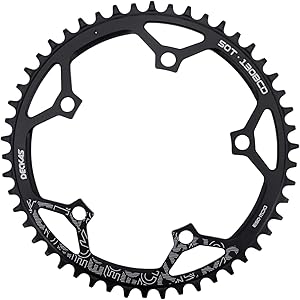
-
Material: CNC Aluminum Alloy
-
Compatibility: 7-12 Speed Road and Folding Bikes
-
Teeth Options: 40T-58T
-
Bolt Circle Diameter: 130BCD
The DJC Bike Chainring 130BCD is a versatile solution for road and folding bike enthusiasts seeking smooth and efficient pedaling. Built from CNC aluminum, it is lightweight yet sturdy enough to endure long rides and intensive training. The chainring features a narrow-wide tooth profile, reducing chain slips and improving overall drivetrain efficiency. Its 130BCD standard ensures easy installation across a wide range of cranksets, making it a convenient upgrade for most riders.
This chainring offers multiple teeth options ranging from 40T to 58T, providing flexibility for both climbing and sprinting. Its lightweight design reduces rotational mass, making acceleration faster and more responsive. Additionally, the precision machining gives a sleek finish, enhancing the bike’s overall aesthetics. Ideal for riders who want a reliable and smooth shifting experience without compromising on durability.
Pros:
-
Wide compatibility for 7-12 speed bikes
-
Lightweight CNC aluminum design
-
Smooth shifting with narrow-wide teeth
-
Multiple teeth options for climbing or sprinting
Cons:
-
Limited color choices
-
Not suitable for extreme off-road MTB use
3. YBEKI 130BCD Chainring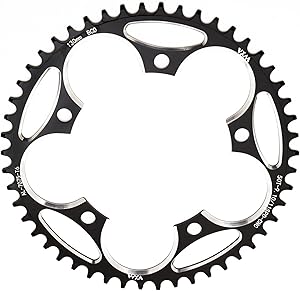
-
Material: CNC 7075-T6 Aluminum
-
Compatibility: 8-12 Speed Road Bikes
-
Teeth Options: 38-60T
-
Design: Anti-Drop Narrow-Wide
The YBEKI 130BCD Chainring is engineered for serious road cyclists who demand lightweight, efficient, and reliable components. The CNC 7075-T6 aluminum construction provides excellent strength-to-weight ratio, allowing riders to push harder without extra drag. Its narrow-wide tooth pattern ensures consistent chain retention and reduces the likelihood of chain drops during rapid pedaling or high torque applications. This chainring supports a wide range of speeds from 8 to 12, making it compatible with most modern road bikes.
Offering teeth sizes from 38T to 60T, this chainring caters to riders looking for high-speed flat riding as well as climbing efficiency. The ultra-lightweight design helps reduce rotational mass, improving acceleration and pedaling responsiveness. Its precise machining also adds a polished look to the bike, combining performance with aesthetic appeal. This chainring is ideal for both competitive racing and casual road rides.
Pros:
-
Ultra-lightweight design
-
Strong CNC 7075-T6 aluminum construction
-
Anti-drop narrow-wide teeth
-
Broad teeth options for various riding styles
Cons:
-
Higher cost than entry-level chainrings
-
May require compatibility check for older cranksets
4. BUCKLOS 110BCD Chainring Set
-
Material: Aluminum Alloy
-
Compatibility: 8-11 Speed Chains
-
Configuration: Double Round 5 Bolts
-
Teeth Options: 34T-53T
The BUCKLOS 110BCD Chainring Set is perfect for road riders looking to upgrade both their large and small chainrings simultaneously. Crafted from high-quality aluminum alloy, the chainrings are lightweight yet durable, ensuring years of dependable performance. The 5-bolt design allows for secure mounting while maintaining a consistent power transfer. With teeth options from 34T to 53T, riders can choose the perfect setup for climbing, cruising, or sprinting.
This set is compatible with 8 to 11-speed chains and fits most standard road bike cranksets. Its precision-machined design offers smooth pedaling and improved drivetrain efficiency. Additionally, the chainring set provides a clean aesthetic upgrade, complementing modern road bikes. Ideal for both casual riders and competitive cyclists who want a reliable, versatile chainring solution.
Pros:
-
Lightweight and durable aluminum construction
-
Wide range of teeth options
-
Smooth power transfer
-
Fits multiple 8-11 speed setups
Cons:
-
Requires proper installation alignment
-
Not suitable for extreme off-road use
5. BUCKLOS 110 BCD Road Bike Chainring
-
Material: 7075-T651 Aluminum
-
Compatibility: R7000, R8000, R9100, R9200 Series
-
Teeth Options: 34T, 36T, 39T, 50T, 52T, 53T
-
Bolt Configuration: 4 Bolts
The BUCKLOS 110 BCD Road Bike Chainring is engineered for high-performance Shimano cranksets, providing a smooth and responsive pedaling experience. Made from 7075-T651 aluminum, it offers superior strength while remaining lightweight, allowing for efficient power transfer. Its narrow-wide tooth profile reduces the chance of chain drops, making it ideal for competitive road cycling. The 4-bolt setup ensures a secure fit, maintaining stability even under heavy loads.
With a variety of teeth options from 34T to 53T, this chainring caters to both climbing and flat-terrain performance. Its precise CNC machining ensures smooth shifting and reduced drivetrain noise. Cyclists seeking a reliable, durable, and performance-focused chainring for their Shimano setups will find the BUCKLOS 110 BCD chainring a perfect choice.
Pros:
-
Durable and lightweight aluminum design
-
Excellent chain retention
-
Multiple teeth options for different terrains
-
Compatible with popular Shimano series
Cons:
-
Limited to specific cranksets
-
Slightly expensive for casual riders
6. KTKEET 110/130 BCD Chainring
-
Material: Aluminum Alloy
-
Compatibility: 9-11 Speed Road Bikes
-
Teeth Options: 36T-60T
-
Bolt Configuration: 5 Screws
The KTKEET 110/130 BCD Chainring is a versatile solution for road and folding bikes, providing lightweight performance and reliable chain retention. Constructed from high-grade aluminum alloy, this chainring balances durability and weight savings. Its narrow-wide tooth design keeps the chain secure during aggressive pedaling, while multiple BCD options ensure compatibility with a wide range of cranksets.
With teeth ranging from 36T to 60T, the KTKEET chainring is suitable for climbing, sprinting, or casual road riding. Its precise CNC machining and smooth surface finish make it both functional and visually appealing. Riders seeking a high-performance, lightweight, and flexible chainring will find this option highly adaptable to their cycling needs.
Pros:
-
Lightweight and strong aluminum construction
-
Wide teeth range for varied terrain
-
Reliable chain retention
-
Compatible with 110 and 130 BCD cranksets
Cons:
-
May require precise installation
-
Limited color options
7. PETiB Road Bike Single Chainring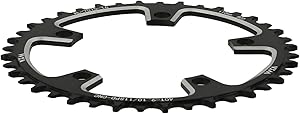
-
Material: Aluminum Alloy
-
Compatibility: 9-11 Speed Road Bikes
-
Teeth Options: 36T, 38T, 40T
-
Bolt Circle Diameter: 110BCD
The PETiB Road Bike Single Chainring is designed for simplicity and performance, focusing on reliable chain retention and lightweight construction. Made from aluminum alloy, it provides strength while minimizing weight for better acceleration and efficiency. Its narrow-wide tooth design prevents chain drops, which is ideal for road riders seeking a smooth and consistent pedaling experience.
With teeth options of 36T, 38T, and 40T, this chainring works well for various riding styles, including flat roads and mild climbs. The 110BCD mounting standard ensures easy installation on most modern cranksets. PETiB’s precision CNC machining provides a polished finish and smooth operation, making it an excellent choice for riders looking for an efficient, reliable, and affordable chainring.
Pros:
-
Lightweight and durable aluminum design
-
Anti-drop narrow-wide teeth
-
Simple installation with 110BCD
-
Affordable performance option
Cons:
-
Limited teeth options
-
Only single chainring configuration
How to Choose Road Bike Chainrings
Choosing the right chainring for your road bike is more than just picking a piece of metal that fits your crankset. Your chainring affects your pedaling efficiency, gear range, and overall riding experience. Whether you’re a casual rider, a competitive cyclist, or someone looking to upgrade, understanding the factors that influence chainring selection will help you make an informed choice. This guide will walk you through everything you need to know.
Understanding Chainrings
What is a Chainring?
A chainring is the toothed wheel attached to your bike’s crankset that engages with the chain to transfer power to the rear wheel. It determines how easy or hard it is to pedal and plays a key role in your bike’s gearing system.
Types of Road Bike Chainrings
-
Standard Chainrings: Typically 53/39 teeth for racing and high-speed cycling. They offer a high gear range for flat roads and fast descents.
-
Compact Chainrings: Usually 50/34 teeth. These are ideal for climbing and endurance rides, providing easier gears for hills.
-
Semi-Compact Chainrings: Around 52/36 teeth. These offer a balance between climbing efficiency and top-end speed.
Material Matters
Aluminum
Aluminum chainrings are the most common. They are lightweight, durable, and relatively affordable. High-quality aluminum chainrings can last thousands of miles and are perfect for most riders.
Steel
Steel chainrings are heavier but extremely durable. They are often found on entry-level or touring bikes. Steel handles wear and tear well, but it comes at the cost of extra weight.
Carbon or Titanium
High-end chainrings may use carbon fiber or titanium. These materials offer ultra-lightweight performance and stiffness but come with a higher price tag. They are best suited for competitive cyclists who prioritize weight savings and efficiency.
Tooth Count and Gear Ratios
How Tooth Count Affects Performance
The number of teeth on your chainring determines how hard or easy it is to pedal.
-
More teeth: Higher speed, harder to pedal, suitable for flat terrain.
-
Fewer teeth: Easier pedaling, better for climbing hills or long endurance rides.
Choosing the Right Gear Ratio
Your gear ratio is the combination of your front chainring teeth and rear cassette sprockets. For example, a 50/34 chainring with an 11-28 cassette provides a wide range suitable for both flats and climbs. Consider your riding terrain and style when choosing your chainring size.
Bolt Circle Diameter (BCD)
What is BCD?
BCD is the diameter of the circle formed by the chainring bolts. It determines what chainrings are compatible with your crankset. Common BCD sizes for road bikes include 110mm (compact) and 130mm (standard).
How to Measure BCD
Measure the distance between two adjacent chainring bolts or refer to your crankset specifications. Ensuring correct BCD is crucial because an incompatible chainring won’t fit your bike.
Chainring Compatibility
Crankset Type
Check whether your crankset uses a 2x (double) or 3x (triple) setup. Most modern road bikes use double chainrings, while some touring or older models might use triple.
Drivetrain Compatibility
Your chainring should match your bike’s drivetrain in speed and brand. A 10-speed chainring should not be paired with an 11-speed chain. Mismatched components can lead to poor shifting and premature wear.
Front Derailleur
The front derailleur has limits on the size and range of chainrings it can handle. Ensure your chainring choice falls within the derailleur’s specified range to maintain smooth shifting.
Weight Considerations
Why Weight Matters
Lighter chainrings reduce overall bike weight, making climbing and acceleration easier. However, extremely light chainrings may compromise durability.
Balancing Weight and Durability
For recreational riders, standard aluminum chainrings offer a good balance. Competitive riders may opt for carbon or titanium to save every gram. Consider your priorities before making a decision.
Shifting Performance
Tooth Profiles and Ramps
Modern chainrings have specially designed ramps and pins that improve shifting. These features allow the chain to move smoothly from one chainring to another.
Narrow-Wide Chainrings
Some riders use narrow-wide chainrings to prevent chain drops, especially in single-chainring setups. They have alternating wide and narrow teeth to hold the chain securely.
Maintenance and Longevity
Chainring Wear
Check your chainrings regularly for signs of wear such as shark-tooth shaped teeth or poor shifting. Worn chainrings can damage the chain and cassette.
Cleaning and Lubrication
Keep your chain and chainrings clean and lubricated to extend their life. Dirt and grime accelerate wear and reduce performance. Regular maintenance ensures smoother rides and longer component life.
Budget Considerations
Entry-Level Options
Basic aluminum chainrings are affordable, durable, and suitable for casual riders. Expect to pay less than $50 for most standard options.
Mid-Range Options
High-quality aluminum or lightweight alloy chainrings offer better shifting performance and slightly reduced weight, ranging from $50 to $150.
High-End Options
Carbon and titanium chainrings can cost $200 or more. These are designed for competitive cyclists who need the best performance with minimal weight.
Personal Riding Style
Casual Riding
If you ride mainly for fitness or leisure, a compact chainring with moderate tooth count is ideal. It offers comfort on climbs without sacrificing too much speed.
Competitive Cycling
Racers often prefer standard or semi-compact chainrings for maximum speed and efficiency on flats and moderate climbs.
Touring and Endurance
For long-distance rides or touring, durability and gear range matter more than weight. Compact or semi-compact chainrings paired with a wide-range cassette are best.
Final Tips
When choosing road bike chainrings, consider your terrain, riding style, and component compatibility. Ensure proper BCD, check your crankset and derailleur limits, and pick a material that balances weight and durability. Don’t forget that chainring size affects gear ratios and pedaling efficiency. Regular maintenance will prolong chainring life and keep your bike shifting smoothly. By understanding these key factors, you can choose a chainring that enhances your riding experience and matches your cycling goals perfectly.