Best Road Bike Disc Brakes of 2025
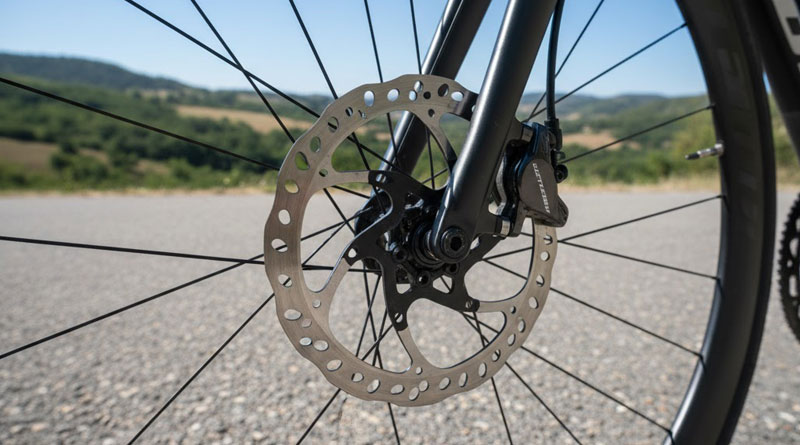
Road bike disc brakes give you strong and steady stopping power in all conditions. They work well in rain and rough roads. Many riders choose them because they feel safe and confident. But not all disc brakes perform the same. Some stop faster. Some last longer. Others are easier to adjust. This guide will help you understand the best options. It will show you what features matter most. It will also help you pick brakes that match your riding style.
1. TOBWOLF Hydraulic Disc Brake Set
-
Brake Type: Hydraulic disc brakes
-
Rotor Size: 160mm stainless-steel rotors
-
Hose Length: Left front 81cm, right rear 147cm
-
Material: Aluminum alloy calipers and levers
The TOBWOLF Hydraulic Disc Brake Set is designed for riders who want smooth, consistent stopping power without constant adjustments. The aluminum calipers and levers feel solid, and the hydraulic system responds quickly even during long rides. The kit includes pre-bled lines, which makes installation easier and ensures the brakes perform well right out of the box. Whether you ride on paved roads, gravel paths, or light trails, the braking force stays predictable and reliable.
These brakes also stand out for their compatibility across different bikes, including road bikes, mountain bikes, fat bikes, and e-bikes. The modulation is noticeably better than most mechanical systems, giving you more control on downhills and sharp turns. The 160mm rotors are stiff enough to deliver stable performance without overheating quickly. Overall, this set is a great upgrade for riders who want improved stopping power without paying premium prices.
Pros
-
Strong and responsive hydraulic braking
-
Pre-bled system for easy installation
-
Works with several bike types
-
Smooth modulation and consistent power
Cons
-
Hose length may require adjustment on some bikes
-
Not ideal for very aggressive downhill riding
2. TOBWOLF Mechanical Disc Brake Kit (Dual Piston – Red)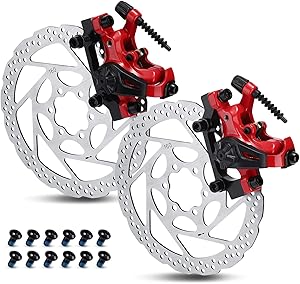
-
Brake Type: Dual-piston mechanical disc brakes
-
Rotor Size: 160mm
-
Compatibility: MTB, BMX, and road bikes
-
Color: Red anodized finish
The TOBWOLF Dual-Piston Mechanical Disc Brake Kit offers a reliable braking solution for riders who prefer easy maintenance over hydraulic setups. Its dual-piston design ensures even pressure from both sides of the rotor, giving smoother stops compared to single-piston mechanical brakes. The red anodized finish adds a stylish touch, especially for bikes with a sportier look. Installation is straightforward, and cable adjustments are minimal once dialed in properly.
During rides, these brakes provide stable and predictable stopping performance. While not as powerful as hydraulic systems, they offer more than enough braking force for daily commuting, recreational riding, and moderate trail use. The 160mm rotors are solid and handle heat well, reducing brake fade on longer rides. Overall, this kit is an excellent choice for cyclists looking to upgrade from basic V-brakes or low-end mechanical sets without spending too much.
Pros
-
Dual-piston design improves stopping balance
-
Easy to install and maintain
-
Stylish red finish
-
Versatile compatibility
Cons
-
Requires more hand force than hydraulic brakes
-
Not ideal for high-speed downhill routes
3. RUJOI Bike Disc Brake Kit
-
Brake Type: Mechanical disc brakes
-
Rotor Size: 160mm stainless-steel rotor
-
Material: Full aluminum alloy levers and calipers
-
Adjustment: Tool-free pad adjuster
The RUJOI Disc Brake Kit is a practical option for riders who want dependable performance and simple adjustability. Its tool-free pad adjuster makes it easy to fine-tune brake clearance on the go. The aluminum alloy levers and calipers feel sturdy and lightweight, giving the kit a premium touch compared to many entry-level mechanical brakes. Installation is manageable even for beginners, thanks to its universal compatibility with most road and mountain bikes.
In real-world use, these brakes offer steady power for commuting, weekend rides, and fitness cycling. The 160mm rotor provides sufficient stopping force without adding bulk. Although mechanical brakes typically require more frequent adjustments, the tool-free system keeps that inconvenience minimal. The braking performance remains consistent in dry conditions, and the aluminum build prevents rust. Overall, RUJOI delivers a solid, user-friendly brake kit at an affordable price.
Pros
-
Tool-free pad adjustment
-
Lightweight aluminum build
-
Easy to install
-
Good value for money
Cons
-
Performance drops slightly in wet conditions
-
Requires regular cable tension checks
4. Fat-Cattie Front & Back Disc Brake Kit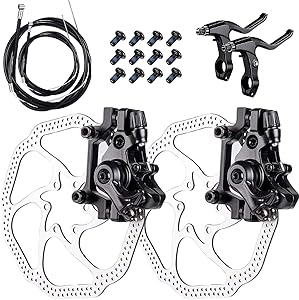
-
Brake Type: Mechanical disc brake system
-
Rotor Size: Two 160mm stainless-steel rotors
-
Included Parts: Cables, brake levers, screws
-
Compatibility: Road, MTB, and fat bikes
The Fat-Cattie Disc Brake Kit is a complete package designed for those upgrading or rebuilding their bike’s braking system. With calipers, rotors, cables, levers, and screws included, it eliminates the need for extra purchases. The 160mm rotors offer reliable stopping power, and the mechanical calipers are easy to install and adjust. This kit is particularly convenient for riders working on older bikes that need a full braking overhaul.
On the road, these brakes perform well for everyday riding and light trail use. The braking response is consistent, and the included levers provide a comfortable grip. While mechanical systems require more frequent maintenance than hydraulic ones, their simplicity makes them beginner-friendly. The overall build quality is dependable for the price, making the Fat-Cattie kit a worthwhile replacement or upgrade for budget-conscious cyclists.
Pros
-
Complete kit with all necessary parts
-
Easy to install and maintain
-
Suitable for various bike types
-
Good value for full replacement projects
Cons
-
Not as strong as hydraulic brakes
-
Cables may stretch and require tightening
5. Fat-Cattie Hydraulic Disc Brake Set (Red)
-
Brake Type: Hydraulic disc brakes
-
Rotor Size: 160mm rotors
-
Brake Orientation: Right front, left rear
-
Compatibility: MTB, e-bikes, fat bikes, and road bikes
The Fat-Cattie Hydraulic Disc Brake Set brings strong, smooth braking performance for cyclists who want improved control on all terrains. The hydraulic system delivers consistent pressure without requiring constant adjustments. Its red finish adds a bold look to the bike, and the lightweight calipers and levers feel well-built. Installation is straightforward for anyone familiar with hydraulic setups, and the pre-bled design boosts convenience.
During rides, these brakes offer impressive stopping power and modulation. The 160mm rotors handle heat effectively, which is useful for long descents or heavier riders. The right-front and left-rear orientation may differ from traditional setups, but many riders appreciate this configuration once adapted. Overall, the Fat-Cattie hydraulic kit is a strong upgrade for those seeking better performance without paying premium brand prices.
Pros
-
Strong hydraulic braking performance
-
Attractive red finish
-
Pre-bled and easy to install
-
Great for both road and off-road riding
Cons
-
Non-standard brake orientation
-
Requires basic hydraulic maintenance skills
6. Farbetter Bike Disc Brake Ki
-
Brake Type: Mechanical disc brakes
-
Rotor Size: 160mm rotors
-
Adjustment: Tool-free pad adjuster
-
Compatibility: MTB, road, BMX, fixed-gear bikes
The Farbetter Disc Brake Kit is a versatile option suitable for a wide range of bikes, from road cycles to BMX and fixed-gear models. Its mechanical setup is simple and reliable, and the tool-free pad adjuster lets you fine-tune braking performance quickly. The 160mm rotors provide dependable stopping force, while the calipers are durable enough for daily use. Installation is easy, making it ideal for beginners or casual riders.
On the road, these brakes deliver predictable braking power and smooth modulation. They perform best in dry conditions, offering a strong grip without squeal when properly aligned. Although mechanical brakes require routine adjustments, the Farbetter system makes this process less time-consuming. For riders on a budget who want better control than V-brakes, this kit is an excellent value.
Pros
-
Quick tool-free adjustment
-
Widely compatible
-
Easy installation
-
Good everyday performance
Cons
-
Not ideal for heavy downhill use
-
Performance may dip in rain
7. Generic Mechanical Disc Brake Kit
-
Brake Type: Mechanical disc brakes
-
Rotor Size: 160mm rotors
-
Compatibility: Mountain, folding, and road bikes
-
Material: Durable steel rotors and alloy calipers
The Generic Mechanical Disc Brake Kit offers an affordable braking solution for riders looking to replace or upgrade their bike’s old system. The 160mm rotors provide reasonable stopping power for commuting and recreational riding. The mechanical calipers are straightforward to install and work with standard brake cables. This makes the kit especially appealing for folding bikes and older mountain or road bikes.
In daily use, the brakes deliver stable performance once properly adjusted. The calipers maintain good pad alignment, and the rotors resist warping under normal riding conditions. While mechanical brakes naturally require more hand force and occasional cable tightening, they remain a dependable choice for budget-minded cyclists. Overall, this kit is a simple, effective upgrade that improves safety without stretching your budget.
Pros
-
Budget-friendly choice
-
Easy setup for beginners
-
Works on several bike styles
-
Reliable for everyday riding
Cons
-
Less powerful than hydraulic systems
-
Requires periodic adjustment
How to Choose Road Bike Disc Brakes
Choosing the best road bike disc brakes is essential for riders who want reliable stopping power, consistent performance in all weather, and better control during fast descents. With so many options on the market, selecting the right disc brakes can feel overwhelming. This guide will help you understand the types, features, and performance factors that matter most so you can make an informed choice based on your riding style, budget, and needs.
Types of Road Bike Disc Brakes
Hydraulic Disc Brakes
Hydraulic disc brakes use brake fluid to transfer force from the brake lever to the caliper. They offer excellent modulation, powerful stopping performance, and reduced hand fatigue. Many road cyclists prefer hydraulics because they deliver smooth braking and consistent reliability even in wet conditions.
Mechanical Disc Brakes
Mechanical disc brakes rely on a cable to pull the caliper. They are easier to maintain, more affordable, and simpler to adjust. Although they do not provide the same strength or smoothness as hydraulic systems, improved mechanical dual-piston options have increased performance significantly.
Rotor Size and Compatibility
140mm Rotors
A 140mm rotor is lightweight and ideal for flat terrain or lighter riders. It provides sufficient stopping power for casual road riding and endurance cycling where sudden steep descents are less common.
160mm Rotors
A 160mm rotor offers more braking surface, greater heat dissipation, and stronger stopping power. This size is recommended for heavier riders, racing, hilly terrain, or those who demand maximum braking efficiency during descents.
Brake Pad Materials
Resin Brake Pads
Resin pads are quiet, soft, and provide excellent sensitivity and modulation. They work well for everyday cyclists, especially those who ride in dry conditions. However, they wear down faster and perform less effectively in extreme heat.
Metallic Brake Pads
Metallic pads are durable and resistant to heat buildup, making them ideal for aggressive riders, racing, and steep mountain descents. They tend to be noisier and require a longer break-in period but last significantly longer.
Modulation and Braking Power
What Is Modulation?
Modulation refers to how smoothly a brake transitions from light pressure to full stopping force. Better modulation means more precise control, which is especially important on technical descents.
Power and Responsiveness
Hydraulic brakes typically deliver stronger stopping power with minimal lever effort. Mechanical brakes depend more on hand strength, so they may feel less responsive. If you value immediate braking with minimal pull, hydraulic systems are the better choice.
Brake Lever and Caliper Design
Ergonomic Lever Design
A well-designed brake lever improves comfort, especially on long rides. Look for levers that offer reach adjustability so you can tailor the setup to your hand size and riding position.
Two-Piston vs. Four-Piston Calipers
Two-piston calipers are common on road bikes and offer balanced performance with low weight. Four-piston calipers deliver stronger stopping power and superior heat management, ideal for performance riders or those tackling steep descents.
Heat Management and Performance on Long Descents
Heat Dissipation
Disc brakes generate heat during prolonged braking. Rotors with reinforced cooling fins, vented designs, or thicker construction help maintain consistent performance.
Fade Resistance
Brake fade occurs when braking power decreases due to overheating. Hydraulic brakes generally resist fade better because they distribute heat more efficiently.
Maintenance and Ease of Adjustment
Hydraulic Brake Maintenance
Hydraulic brakes require occasional bleeding to remove air bubbles and maintain consistency. Although they need more technical skill, they offer long-term reliability when maintained properly.
Mechanical Brake Maintenance
Mechanical brakes are easy to adjust with basic tools. Cable tension changes over time, so you may need to tune them regularly. They are ideal for riders who prefer simple DIY maintenance.
Weight Considerations
Lightweight Options
If you prioritize speed and climbing efficiency, consider lightweight brake systems with smaller rotors, two-piston calipers, and minimalist designs. Many race-level brakes are optimized for low weight without sacrificing performance.
Durability vs. Weight
Heavier systems often offer better strength and heat resistance. Riders who cycle in mountain regions or rough conditions may prefer slightly heavier brakes for added reliability.
Budget and Performance Balance
Entry-Level Options
Mechanical disc brakes are usually more budget-friendly and still offer solid performance for recreational riders. They are a great choice for those upgrading older bikes or looking for affordable reliability.
Mid-Range and High-End Options
Hydraulic systems dominate the performance category. Mid-range brakes offer excellent value with strong modulation, while high-end carbon-lever or four-piston systems are tailored for serious cyclists and competitive riders.
Weather and Riding Conditions
Wet Weather Performance
Hydraulic brakes perform exceptionally well in wet conditions because they remain consistent and powerful. Rotors with special surface patterns or rust-resistant finishes also help improve wet braking.
Dry and Dusty Conditions
In dry climates, both mechanical and hydraulic brakes perform well. Resin pads are quiet and smooth, while metallic pads stay reliable even in dusty environments.
Brand Reliability and Replacement Parts
Well-Known Brands
Brands like Shimano, SRAM, Tektro, and TRP offer reliable braking systems with excellent performance backing. Choosing a reputable brand ensures you can find parts, pads, and rotors easily.
Availability of Spares
Before choosing a brake system, make sure replacement pads and rotors are easily available in your region. This ensures lower long-term costs and minimal downtime.
Final Thoughts
Choosing the best road bike disc brakes depends on your riding style, terrain, budget, and preferences. Hydraulic brakes offer the highest performance, while mechanical brakes provide affordability and easy maintenance. Consider rotor size, pad materials, modulation, heat management, and brand reliability before making your final choice. With the right disc brake setup, you’ll enjoy safer rides, greater confidence on descents, and enhanced overall cycling performance. Let your needs guide you, and choose a system that balances power, control, and long-term reliability.