
Best Road Bike Shifters of 2025
Shifting gears can completely change your road biking experience. Smooth shifters give you control, comfort, and speed on every ride. A good set feels natural, like an extension of your hands. Whether you are climbing steep hills or racing down flat roads, shifters make the difference. But not all shifters are the same. Some are built for beginners who want ease and reliability. Others are designed for cyclists chasing precision and performance. Finding the right one depends on how and where you ride. In this guide, we explore the best road bike shifters. You will discover which suits your style and makes riding more enjoyable.
1. WEEROCK L-TWOO Road Bike Shift Lever 2X7
-
Speed compatibility: 2 x 7 (14-speed system)
-
Integrated brake + shifter levers
-
Compatible with Shimano drivetrain systems
-
Ergonomic lever design with clear indexing
The WEEROCK L-TWOO 2×7 shift lever is designed for entry-level and mid-range road cyclists looking for a cost-effective yet reliable solution. With smooth shifting across 14 gears, it provides a functional balance for both city commuting and light touring. The levers are intuitive to use, and their integration with braking gives riders an efficient two-in-one control system.
Its Shimano compatibility ensures it can be installed on a wide range of road bikes without difficulty. Riders will appreciate the crisp gear changes and comfortable grip design, particularly on long rides. While it may not rival high-end Shimano or SRAM levers, the value it offers for its price point makes it an excellent choice for budget-conscious cyclists.
Pros:
-
Affordable entry-level option
-
Reliable gear shifting and braking
-
Shimano-compatible design
-
Comfortable lever ergonomics
Cons:
-
Limited to 2×7 setup
-
Not as durable as premium models
2. THALOUS Bicycle Gear Shift Lever 3×7
-
Speed compatibility: 3×7 (21-speed system)
-
Thumb shifter style with gear indicators
-
Suitable for road, MTB, and tricycles
-
Lightweight plastic and alloy build
The THALOUS 3×7 thumb shifter is a versatile option, designed for riders who want a straightforward gear system without the complexity of integrated brake levers. The inclusion of a gear indicator is especially handy for beginners, ensuring riders can easily keep track of their shifting. With its wide compatibility across road bikes, MTBs, and tricycles, it stands out as a flexible choice.
Performance-wise, the shifting action is smooth, with distinct clicks that inspire confidence during gear changes. It is more utilitarian than stylish, but its simple installation and user-friendly operation make it appealing. While it may not offer the streamlined aesthetics of STI levers, it delivers consistent performance for recreational and commuter cyclists.
Pros:
-
Gear indicator is beginner-friendly
-
Fits multiple bike types
-
Affordable price point
-
Easy to install
Cons:
-
Not integrated with brake levers
-
Bulkier compared to STI designs
3. Micronew STI Shifters 3X7 SB-R473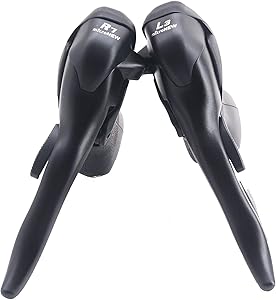
-
Speed compatibility: 3×7 (21-speed system)
-
Integrated brake and shifter levers
-
Compatible with Shimano ST-A070 setups
-
Ergonomic drop-bar design
The Micronew STI SB-R473 shifters bring a practical solution for cyclists seeking Shimano-style shifting on a budget. With 3×7 gearing capability, it’s well-suited for a wide variety of road setups, from casual touring to urban commuting. The levers combine braking and shifting into one streamlined design, giving riders enhanced control without cluttering the cockpit.
In use, shifting feels precise and predictable, though slightly heavier than premium Shimano groupsets. Riders upgrading from basic thumb shifters will immediately notice the improvement in ride experience. Build quality is solid for the price range, but long-term durability may not match high-end levers. Still, it offers excellent value and functional performance for those seeking a more professional riding feel at an affordable cost.
Pros:
-
Affordable Shimano alternative
-
Smooth, reliable shifting
-
Integrated design for road bikes
-
Good ergonomics for long rides
Cons:
-
Slightly heavier lever feel
-
Durability lower than Shimano equivalents
4. WEEROCK L-TWOO Road Bike Shift Lever 2X9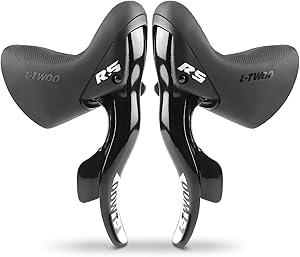
-
Speed compatibility: 2×9 (18-speed system)
-
Integrated brake and shifter design
-
Shimano drivetrain compatibility
-
Sturdy alloy construction
This 2×9 version of the WEEROCK L-TWOO shifters offers an upgraded range of gears compared to its 2×7 sibling, making it a better fit for performance-oriented road riders. The shifting action is crisp and efficient, and its Shimano compatibility ensures it can be easily installed on a wide range of modern bikes. Riders upgrading from 7-speed systems will enjoy the added flexibility in cadence and climbing performance.
The ergonomic lever design allows for smooth braking and shifting even during longer rides. While it’s still targeted at budget-conscious cyclists, the 18-speed capability makes it competitive with mid-tier offerings. Although not on par with Shimano’s higher-end groupsets, it offers great functionality and value for those not looking to break the bank.
Pros:
-
Wider 2×9 gear range
-
Affordable upgrade option
-
Comfortable lever ergonomics
-
Shimano-compatible design
Cons:
-
Not as refined as Shimano/SRAM shifters
-
Best suited for budget and mid-level bikes
5. Liteprobike Road Bike Shifter 2/3X7–11
-
Speed compatibility: 2/3×7/8/9/10/11 (multiple setups)
-
Integrated shifter + brake lever system
-
Universal Shimano compatibility
-
Lightweight, durable alloy construction
The Liteprobike shifters stand out for their wide compatibility across different drivetrain setups, ranging from 14-speed all the way up to 22-speed bikes. This flexibility makes them an excellent choice for riders who want a versatile option, or for those who frequently switch between different bikes. The levers are responsive and comfortable to operate, giving riders reliable performance across various terrains.
Performance-wise, shifting is smooth and intuitive, though riders may notice a slight difference in refinement compared to top-tier Shimano levers. The design is well-balanced, combining durability with affordability. Its greatest strength lies in its versatility, making it ideal for cyclists who value adaptability in their components.
Pros:
-
Works with multiple drivetrain setups
-
Strong and lightweight design
-
Cost-effective for versatility
-
Shimano-compatible
Cons:
-
Not as precise as high-end levers
-
May require careful installation for best results
6. SHIMANO 105 ST-R7000 STI Levers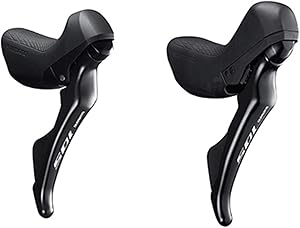
-
Speed compatibility: 2×11 (22-speed system)
-
Dual-control lever design
-
Crisp and responsive mechanical shifting
-
Lightweight and durable alloy construction
The SHIMANO 105 ST-R7000 shifters are a benchmark in mid-range road cycling performance, offering professional-level features at a relatively affordable price. With their 2×11 drivetrain compatibility, they deliver a wide range of gears suited for competitive road cycling, long-distance rides, and climbing efficiency. The shifting is incredibly smooth and precise, making it feel effortless under load.
Ergonomically, the levers fit comfortably in the hand, with a refined shape that enhances grip and control. Riders will immediately appreciate the difference in responsiveness compared to entry-level levers. Durability is also top-notch, with Shimano’s trusted engineering ensuring long-lasting performance. For serious riders or those upgrading their setup, these shifters are one of the best investments in the mid-tier segment.
Pros:
-
Smooth and precise shifting
-
Professional-grade performance
-
Comfortable ergonomic design
-
Durable and long-lasting
Cons:
-
Higher cost compared to budget options
-
Requires compatible 11-speed drivetrain
7. Micronew SB-R472 Double 2X7
-
Speed compatibility: 2×7 (14-speed system)
-
Integrated shifter + brake lever
-
Compatible with Shimano drivetrains
-
Lightweight alloy body with black finish
The Micronew SB-R472 is a budget-friendly shifter set designed for riders who want the look and feel of STI levers without the steep price tag. With its 2×7 gearing, it’s suitable for entry-level road bikes and casual cycling. The integrated brake-shifter design keeps the cockpit clean and functional, while providing reliable gear changes during rides.
In practice, the levers perform well for their price, offering smooth enough shifts and responsive braking. While they may lack the refined feel of Shimano’s offerings, they are more than capable for daily commuting, training rides, or weekend cycling. For beginners or budget-conscious riders, they offer a solid step-up from basic thumb shifters.
Pros:
-
Affordable price point
-
Integrated brake and shifter design
-
Shimano compatibility
-
Lightweight construction
Cons:
-
Limited to 2×7 drivetrain
-
Less refined shifting feel than premium brands
How to Choose Road Bike Shifters
When it comes to enhancing performance, comfort, and overall riding experience, road bike shifters play an essential role. They are the interface between you and your bike’s drivetrain, allowing you to change gears smoothly, tackle varying terrains efficiently, and maintain your preferred cadence. Whether you are a beginner cyclist buying your first road bike or an experienced rider considering an upgrade, choosing the right road bike shifters can make a significant difference. This guide covers everything you need to know about road bike shifters—their types, compatibility, features, and buying tips—so you can make an informed choice.
Understanding Road Bike Shifters
Road bike shifters are mechanisms that control the derailleurs on your bike, moving the chain across gears on the front chainrings and rear cassette. They are usually integrated with brake levers (commonly known as STI: Shimano Total Integration or similar systems by SRAM and Campagnolo). This integration allows you to brake and shift without moving your hands from the handlebars, making road cycling more efficient and safer.
Modern road bike shifters combine precision engineering, lightweight design, and advanced ergonomics, but they differ across brands and groupsets. To choose the right one, you’ll need to understand their types and compatibility with your bike’s drivetrain.
Types of Road Bike Shifters
1. Integrated Brake/Shift Levers (STI, DoubleTap, Ergopower)
These are the most common type of shifters on modern road bikes. They combine brake levers and gear shifters in one unit.
-
Shimano STI: Uses separate small levers or paddles behind the brake lever for upshifts and downshifts.
-
SRAM DoubleTap: Employs a single lever with two motions—short push for upshift, long push for downshift.
-
Campagnolo Ergopower: Uses a thumb button and lever system, known for its distinct feel and ergonomics.
Best for: Road cyclists who prioritize efficiency, seamless shifting, and integration.
2. Bar-End Shifters
Mounted at the end of the handlebars, bar-end shifters are simple, durable, and often used in time trial (TT) or touring setups. They can be indexed (click for each gear) or friction (continuous movement).
Best for: Touring cyclists or triathletes who need reliability and simplicity.
3. Downtube Shifters
Found on older or vintage road bikes, downtube shifters are mounted on the bike frame. They require the rider to move a hand away from the handlebars to change gears.
Best for: Riders who prefer a retro style or restoring vintage bikes.
4. Electronic Shifters (Di2, eTap, EPS)
High-end shifters that use electronic signals instead of cables to move the derailleurs.
-
Shimano Di2: Wired or semi-wireless, precise, and customizable.
-
SRAM eTap AXS: Fully wireless, sleek, and easy to set up.
-
Campagnolo EPS: High-performance electronic shifting with Italian design.
Best for: Competitive cyclists seeking ultimate precision, reliability, and minimal maintenance.
Key Factors to Consider When Choosing Road Bike Shifters
1. Compatibility with Drivetrain
Not all shifters work with every drivetrain. You must match the shifter to your drivetrain brand, speed, and derailleurs.
-
Speed compatibility: A 10-speed shifter works only with a 10-speed cassette.
-
Brand compatibility: Shimano, SRAM, and Campagnolo are not cross-compatible due to different cable pull ratios and designs.
-
Front derailleur type: Double vs. triple cranksets may require different shifters.
2. Mechanical vs. Electronic Shifting
-
Mechanical shifters: Use cables and housing. They are affordable, easy to repair, and widely available.
-
Electronic shifters: Offer fast, precise, and effortless shifting but come at a higher cost and require batteries or charging.
Choose mechanical if you’re budget-conscious or prefer simplicity, and electronic if you’re seeking advanced performance.
3. Ergonomics and Comfort
Shifters should feel comfortable in your hand position. Modern integrated levers are designed with varying hand sizes in mind, with adjustable reach for the brake levers.
-
Test different brands to see which lever shape fits your hands best.
-
Consider grip texture and positioning if you ride long distances.
4. Weight
For competitive cyclists, every gram matters. High-end shifters are made from carbon fiber and lightweight alloys to reduce weight without sacrificing durability. However, the difference may not be noticeable for casual riders.
5. Budget
Road bike shifters vary widely in price depending on the type and level:
-
Entry-level mechanical STI (Shimano Claris, Sora, or SRAM Apex): Affordable and reliable.
-
Mid-range (Shimano 105, SRAM Rival, Campagnolo Centaur): Great balance of price and performance.
-
High-end mechanical (Shimano Ultegra, SRAM Force, Campagnolo Chorus): Lightweight, smoother, and highly durable.
-
Top-tier electronic (Shimano Dura-Ace Di2, SRAM Red eTap AXS, Campagnolo Super Record EPS): Premium performance for professional use.
Mechanical vs. Electronic: Which Should You Choose?
-
Mechanical Shifters are perfect if you’re just starting out, riding recreationally, or touring. They’re easier to service on the go and less expensive.
-
Electronic Shifters are ideal if you race, ride long distances, or want the convenience of flawless shifting without worrying about cable stretch or wear.
Tips for Choosing the Right Shifters
-
Match Your Riding Goals
-
Recreational riders can choose entry-level mechanical shifters.
-
Endurance cyclists may benefit from mid-range shifters with smoother action.
-
Racers should look into high-end or electronic shifting for precision and speed.
-
-
Test Different Brands
Each brand has a unique shifting mechanism and lever feel. Try Shimano, SRAM, and Campagnolo before making a choice. -
Consider Future Upgrades
If you plan to upgrade your bike later, invest in shifters compatible with modern drivetrains (e.g., 11- or 12-speed). -
Don’t Overlook Serviceability
Mechanical systems are easier to service yourself, while electronic requires specific tools and sometimes professional setup. -
Factor in Total Groupset Cost
Shifters are often sold as part of a groupset. Sometimes it’s more cost-effective to upgrade the entire groupset rather than just the shifters.
Common Mistakes to Avoid
-
Mixing brands or speeds: Ensure exact compatibility with your drivetrain.
-
Ignoring ergonomics: A poorly fitting shifter can cause hand fatigue and discomfort on long rides.
-
Overpaying for unused features: If you’re not racing, you may not need the most advanced electronic shifters.
-
Neglecting maintenance: Even the best shifters need occasional servicing and adjustment.
Final Thoughts
Road bike shifters may seem like a small component, but they define how you interact with your bike. Choosing the right shifters means smoother gear changes, better control, and a more enjoyable ride. Start by identifying your riding style, budget, and drivetrain requirements. Then, decide between mechanical and electronic options while keeping ergonomics and long-term upgrades in mind.
Whether you settle on entry-level mechanical shifters for affordability, mid-range models for a balance of performance and value, or high-end electronic systems for cutting-edge precision, the right choice will elevate your cycling experience.