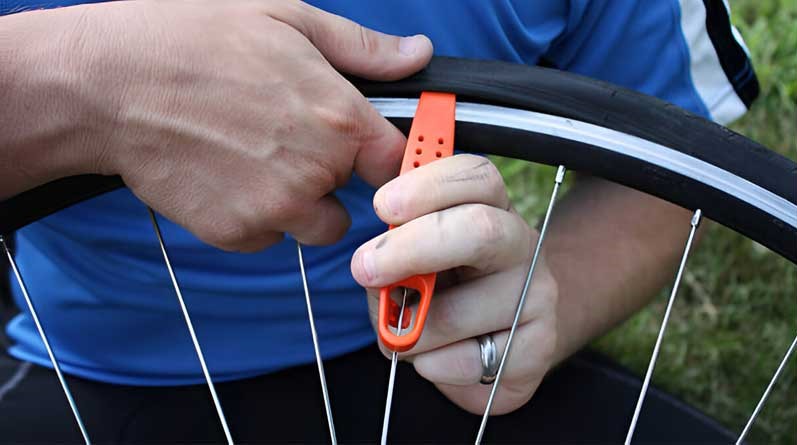
Best Road Bike Tire Levers 2025
Changing a bike tire can be tough without the right tools. That’s where tire levers come in. They help remove the tire from the rim quickly. A good set of levers saves time and effort. They are small, lightweight, and easy to carry. Road bike tires are often tight, so strong levers are important. Some levers even have extra features like rim protection. Others are designed to work better with tubeless tires. In this article, we’ll show you the best road bike tire levers. We’ll compare their features, pros, and cons. Whether you’re a beginner or pro, the right lever can make a big difference. Let’s get started.
1. Tragoods Premium Bicycle Tire Lever
-
Material: High-strength stainless steel with polished finish
-
Length: 4.1 inches (compact and portable)
-
Quantity: Set of 3 tire levers
-
Tip Design: Curved spoon tip with reinforced edges
The Tragoods Premium Bicycle Tire Lever is a reliable tool built for durability and precision. Constructed from polished stainless steel, this lever has a smooth finish that reduces rim damage while enhancing grip on tight tire beads. The spoon-shaped tip is curved optimally for easier access under the tire, and the sturdy design means it doesn’t bend under pressure. Whether you’re changing a flat on a road bike or replacing a tube on a commuter bike, this tool offers a hassle-free experience.
What stands out is its solid build and rust-resistant coating. The size is just right—not too long to be bulky, yet long enough to provide adequate leverage. The three-lever pack allows you to work around stiff tire beads, especially for tubeless or tight-fitting tires. Ideal for home mechanics and road riders who prefer metal over plastic for strength and longevity, Tragoods makes tire repairs feel less like a chore.
Pros:
-
Extremely durable stainless steel
-
Smooth finish prevents rim scratching
-
Set of 3 levers adds versatility
-
Compact and easy to carry
Cons:
-
Heavier than plastic levers
-
May be too rigid for very delicate rims
2. Tensor Tool Talon Tire Levers
-
Design: Dual-ended for removing and installing tires
-
Material: High-strength composite plastic
-
Compatibility: Road bike-specific size and curvature
-
Length: 4.5 inches with ergonomic curve
Tensor Tool’s Talon Tire Levers stand out with their unique dual-function design—one end removes the tire while the other installs it. This reduces the need to carry multiple tools and makes roadside repairs significantly quicker. Tailored for road bikes, the levers are curved to match narrow tire profiles, minimizing effort during bead separation and re-seating.
The levers are constructed from high-quality composite plastic, offering a lightweight alternative to steel without compromising performance. The ergonomic design ensures a solid grip, while the tool’s curvature reduces the chance of pinching the tube. For riders who deal with frequent flats or tire swaps, this innovative tool is a worthwhile upgrade from standard levers.
Pros:
-
Dual-purpose tip for installation/removal
-
Lightweight yet strong composite
-
Tire-specific design improves efficiency
-
Compact for saddlebag storage
Cons:
-
Less effective on thicker mountain tires
-
May wear faster than metal options
3. SCHWALBE Bicycle Tire Levers
-
Material: High-impact resistant plastic
-
Dimensions: 2.4 x 0.4 x 3.9 inches
-
Quantity: Set of 3 blue levers
-
Features: Interlocking design for easy storage
SCHWALBE’s Bicycle Tire Levers are a top pick among cyclists for their trusted brand quality and smart design. Made of high-impact plastic, these blue levers are lightweight and compact, making them ideal for road-side repairs. Their unique interlocking design keeps them neatly stacked and easy to pack, a welcome addition to any cyclist’s tool kit.
Functionally, they strike a great balance between durability and rim protection. These levers slide easily under tight tire beads and provide enough leverage for most modern road bike tires. Though not suitable for extremely tight mountain bike tires, they perform admirably in their intended context. Riders looking for brand reliability and convenience will find this set more than satisfactory.
Pros:
-
Lightweight and compact design
-
Trusted SCHWALBE brand durability
-
Interlocking for easy organization
-
Plastic material safe on rims
Cons:
-
Too short for high-tension tire beads
-
Not suitable for large or stiff MTB tires
4. Lofrcin Stainless Steel Tire Levers
-
Material: Heavy-duty stainless steel
-
Quantity: Set of 3 tire levers
-
Tip Shape: Angled spoon with tapered edges
-
Use Case: Suitable for road and mountain bikes
Lofrcin Bike Tire Levers offer a robust solution for cyclists who demand strength and performance. These stainless steel levers are ideal for removing even the tightest tire beads without bending or snapping. The tapered spoon tip allows easy insertion under the tire, and the angled shape offers great leverage during bead removal.
While they’re slightly heavier than plastic alternatives, the trade-off is unmatched strength and durability. These levers are ideal for both road and mountain bikes and are a great choice for garage mechanics and frequent riders. The set of three ensures you’re never caught short-handed during a tough tire job.
Pros:
-
Heavy-duty build handles tight tires
-
Excellent for home or shop use
-
Doesn’t flex under pressure
-
Suitable for multiple bike types
Cons:
-
Heavier than average
-
May damage delicate carbon rims
5. Boenoea Stainless Steel Tire Lever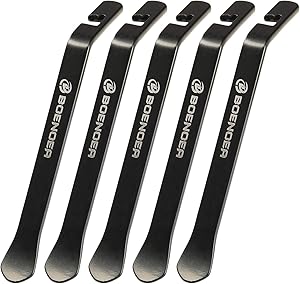
-
Material: Stainless steel
-
Size: 4.2 inches in length
-
Design: Wide handle with curved end for leverage
-
Ideal for: Road and hybrid bike tire repair
The Boenoea Bicycle Tire Lever is another steel option aimed at users who prioritize longevity. This single-piece, forged lever boasts a wide grip handle and a curved end that comfortably slides under tight beads. It’s ideal for road bike tire changes where strength and precision matter.
While basic in design, its functionality is spot-on. The steel construction is extremely resistant to bending and wear, and the curvature of the tip makes it easy to maneuver under stiff beads. Though it may feel a bit overbuilt for thin road tires, those who value tool reliability will appreciate its rugged nature.
Pros:
-
Durable and long-lasting build
-
Good leverage with wide handle
-
Compact yet sturdy
-
Excellent for stubborn tire beads
Cons:
-
Not rim-friendly for carbon wheels
-
Can feel bulky for lightweight kits
6. WOTOW 16-in-1 Multitool with Tire Levers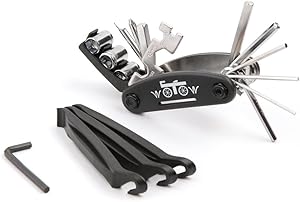
-
Tool Count: 16 functions including tire levers
-
Material: Alloy steel and reinforced plastic
-
Includes: Allen wrenches, spoke wrench, screwdrivers
-
Tire Levers: 2 plastic levers with ergonomic design
The WOTOW 16-in-1 Bicycle Multitool is a comprehensive solution for on-the-go cyclists. It includes a wide array of tools—from Allen keys and screwdrivers to spoke wrenches—plus two plastic tire levers. The multitool is compact and folds into a palm-sized unit, making it great for long rides and emergency repairs.
The tire levers themselves are basic but functional. They’re plastic, so they won’t scratch your rims, and they’re stiff enough to handle most road tires. While not as effective as standalone levers for particularly stubborn beads, their inclusion in a full toolset adds immense value for touring cyclists and commuters.
Pros:
-
All-in-one solution for quick repairs
-
Compact and portable
-
Includes two useful tire levers
-
Affordable and well-built
Cons:
-
Tire levers are thinner than dedicated ones
-
Tools can be hard to unfold with gloves
7. Generic Professional Bike Tire Levers
-
Material: High-strength polycarbonate (PC)
-
Design: Non-slip ergonomic grip
-
Feature: Rounded edges to protect rims
-
Quantity: Set of 3
This Generic set of Professional Bike Tire Levers combines practical design with solid performance. Crafted from high-strength PC material, these levers provide enough flex to work efficiently without risking rim damage. The ergonomic grip and rim-safe rounded tips make them suitable for road and mountain bikes alike.
Despite being plastic, they feel robust in hand. The levers snap under the tire bead smoothly and provide just enough resistance to pull it over the rim edge. They’re especially handy for cyclists who frequently swap tires or tubes and want something lightweight but reliable. A great balance of performance and rim protection.
Pros:
-
Non-slip grip ensures control
-
Lightweight and rim-safe
-
Stronger than average plastic levers
-
Affordable and beginner-friendly
Cons:
-
May not hold up against very tight beads
-
Less durable than metal counterparts
How to Choose Road Bike Tire Levers: A Complete Guide for Cyclists
When it comes to road bike maintenance, one of the most underrated yet essential tools in your kit is the tire lever. Whether you’re swapping tires, fixing a flat, or installing new tubes, a good set of tire levers can save time and prevent damage to your wheel or inner tube. Despite being small and inexpensive, choosing the right tire levers can make a big difference in the ease and efficiency of your repair work. In this guide, we’ll walk you through everything you need to know about how to choose the best road bike tire levers for your needs.
What Are Tire Levers?
Tire levers are tools designed to help remove and install bicycle tires from rims. Most road bike tires are tightly fitted, making it difficult to remove them by hand. A tire lever acts as a pry tool to lift the tire bead off the rim, allowing for easier access to the tube inside.
Usually, tire levers come in sets of two or three and are small enough to carry in a saddlebag, jersey pocket, or repair kit.
Why Are Tire Levers Important for Road Bikers?
Unlike mountain or commuter bikes, road bikes often use high-pressure, tight-fitting tires. The narrow profile and strong bead make them harder to work with, especially on carbon or aluminum rims. Trying to remove or install these tires with bare hands can result in pinched tubes, damaged rims, or sore fingers.
Using quality tire levers reduces the risk of:
-
Pinching or puncturing the inner tube during installation
-
Damaging the rim, especially carbon wheels
-
Breaking the tire bead
-
Extended roadside delays due to difficult tire changes
Key Features to Consider When Choosing Tire Levers
1. Material
Tire levers are commonly made from three materials: plastic, composite, and metal.
-
Plastic Levers
These are lightweight, affordable, and gentle on rims. However, they can bend or snap under pressure with tight tires. -
Composite Levers
Made from a blend of plastic and fiberglass or nylon, composite levers are stronger than standard plastic without being as harsh on rims as metal. They’re an ideal middle ground for most cyclists. -
Metal Levers (Steel or Aluminum)
These are extremely durable and rarely break. However, they can scratch or damage rims, especially if used carelessly. They are more suited to mechanics or extreme cases.
Pro Tip: If you ride with carbon rims, avoid pure metal levers unless they are rim-friendly or coated.
2. Design and Shape
The shape of a tire lever affects how well it works and how easy it is to use.
-
Curved Profile
A slight curve fits naturally between the rim and tire bead, providing better leverage. -
Flat Tips
A flat or spoon-like tip makes it easier to wedge under the tire without harming the tube. -
Hooked Ends
Many tire levers have a hook at the end to latch onto a spoke, allowing the lever to stay in place while you use another to continue working around the tire. -
Ergonomic Grip
A good grip or textured surface prevents slippage during use, especially when your hands are cold or wet.
3. Size and Portability
Compact levers are great for carrying during rides, while longer levers provide more leverage for tough tire beads. Some tire levers are designed to snap together or stack neatly, saving space in your tool kit or saddlebag.
4. Compatibility with Tire Types
Certain levers are optimized for specific tire types like tubeless, tight-fitting road tires, or even plus-sized gravel tires. Look for manufacturer recommendations or reviews that mention the type of tire they’re best for.
5. Brand Reliability
Brands like Park Tool, Pedro’s, Lezyne, Topeak, and Crankbrothers are known for producing quality tire levers. Investing in reputable brands often means better durability, ergonomics, and customer support.
Top Picks: Popular Road Bike Tire Levers
-
Park Tool TL-1.2
Lightweight, plastic levers with a strong reputation among road cyclists. Durable enough for daily use and gentle on rims. -
Pedro’s Tire Levers
Made from composite materials, they’re extremely tough and virtually unbreakable. A favorite in professional bike shops. -
Lezyne Power Lever XL
These are longer than average, offering excellent leverage. Great for riders who struggle with tight beads. -
Crankbrothers Speedier Lever
A single-lever system that simplifies tire removal and installation. Ideal for those looking for quick roadside fixes. -
Topeak Shuttle Lever 1.2
Sleek and robust with a good balance of leverage and rim safety.
Tips for Using Tire Levers Effectively
-
Don’t force it: If you’re using excessive force, try working around the bead or deflating the tube completely before attempting removal again.
-
Use two levers: Insert one to lift the bead, then use the second to slide around the rim.
-
Avoid pinching the tube: Especially during installation, ensure the tube is tucked safely inside before reseating the bead.
-
Lube helps: A small amount of soapy water can make stubborn tires easier to mount or dismount.
When to Replace Tire Levers
Over time, even the best tire levers can wear out. Look for these signs that it’s time to replace them:
-
Cracked or warped plastic
-
Worn-down tips
-
Loss of structural strength
-
Bent metal or chipped coating
Keeping a spare set in your kit ensures you’re never caught unprepared during a ride.
Final Thoughts
Tire levers may seem like a small detail, but the right set can significantly improve your biking experience—whether you’re a weekend warrior, a daily commuter, or a competitive cyclist. The ideal tire lever is one that balances strength, rim protection, ease of use, and portability.
Start with a quality brand, choose the material that suits your riding style, and always carry a reliable set on every ride. Because when you’re miles from home with a flat tire, the last thing you want is to fight your equipment.