Best Road Bike Tire Pumps 2025
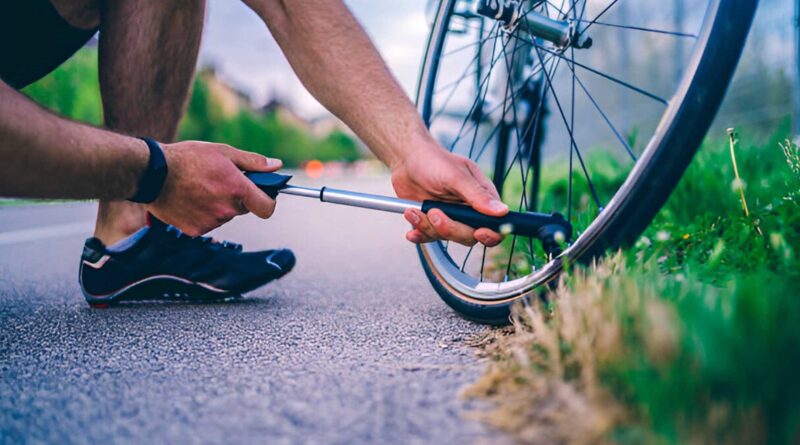
Every road bike rider needs a good tire pump. It helps keep the tires firm and ready for the ride. A reliable pump can save you from getting stuck with a flat tire. It also helps your tires last longer. There are many types of pumps available today. Some are small and easy to carry. Others are bigger but pump faster. Choosing the best one depends on your needs and budget. This guide will help you find the best road bike tire pumps. We will look at their features, pros, and cons. Whether you’re a daily rider or a weekend cyclist, there’s a perfect pump for you here.
1. Vibrelli Mini Bike Pump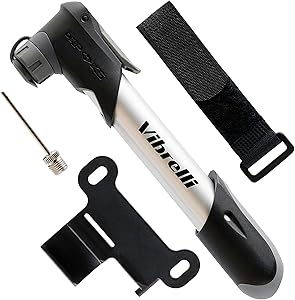
-
Max Pressure: 120 PSI
-
Valve Compatibility: Presta & Schrader (no switching needed)
-
Mounting Bracket: Included
-
Material: Aluminum alloy
The Vibrelli Mini Bike Pump is a compact, versatile inflator built for convenience and road-readiness. Its standout feature is the ability to switch between Presta and Schrader valves without any manual adjustments, which makes it perfect for mixed-bike households or those switching between road and MTB. It includes a mounting bracket that attaches easily to the bike frame, and its slim aluminum body adds durability without bulk.
In use, the Vibrelli pump delivers reliable inflation up to 120 PSI, though it requires some elbow grease at higher pressures. The T-handle improves grip, and the flexible hose extension reduces stress on valve stems—a thoughtful feature many mini pumps lack. While it’s not meant for full replacements of floor pumps, it’s a solid emergency inflator or for topping off air mid-ride.
Pros:
-
No need to switch valves
-
Compact and lightweight
-
Includes mounting bracket
-
Good hose design protects valve stem
Cons:
-
Can be slow for full inflation
-
Not ideal for tubeless setup pressures
2. CYCPLUS Electric Air Compressor
-
Max Pressure: 150 PSI
-
Power Source: Rechargeable battery
-
Valve Compatibility: Presta & Schrader
-
Features: Auto shut-off, digital display
The CYCPLUS Electric Air Compressor is a portable, smart air pump that’s ideal for cyclists who want ease, speed, and accuracy in one package. This compact unit features a digital pressure gauge and automatic shut-off when the target PSI is reached, taking the guesswork out of inflation. It works with a rechargeable battery and is compatible with Presta and Schrader valves, making it a versatile tool beyond just bikes—perfect for cars and balls too.
With a 150 PSI capacity, this pump inflates road tires quickly and efficiently. Its interface is user-friendly, and the included hose attachment makes it easy to get a secure fit on any valve. Though it’s bulkier than a manual mini pump, the time and energy saved—especially on high-pressure tires—make it a worthwhile trade-off for many cyclists.
Pros:
-
Fast, automated inflation
-
Easy to use digital controls
-
Accurate pressure reading
-
Works for cars, bikes, and more
Cons:
-
Heavier than manual mini pumps
-
Needs regular charging
3. Fanttik X9 Ace Mini Pump
-
Max Pressure: 150 PSI
-
Inflation Speed: 32 seconds (average)
-
Valve Compatibility: Presta & Schrader
-
Built-in Pressure Gauge: Yes
The Fanttik X9 Ace is an electric mini pump tailored for performance and portability. It’s sleek and modern with an intuitive display, delivering impressive power in a compact form. The 150 PSI capacity ensures it’s more than sufficient for road bike tires, while its quick-inflate feature brings tires to full pressure in about 30 seconds. A built-in gauge ensures you’re never left guessing.
This pump is a great companion for road cyclists and e-bike users who want a no-fuss inflation experience. The interface is clear, and the digital display shows real-time pressure, making it easy to dial in your desired PSI. It also shuts off automatically, which is helpful for avoiding over-inflation. It is slightly pricier than others, but the added convenience justifies the cost.
Pros:
-
Super-fast inflation
-
Precise digital PSI display
-
Automatically shuts off
-
Sleek and durable design
Cons:
-
Expensive compared to manual pumps
-
Bulkier for small saddle bags
4. Tiakia Mini Bike Pump
-
Max Pressure: 260 PSI
-
Valve Compatibility: Presta, Schrader & Woods
-
Material: CNC Aluminum Alloy
-
Size: Compact, frame-mountable
The Tiakia Mini Bike Pump is a powerhouse in a small package. With an impressive 260 PSI capacity, this pump is built for high-performance road bikes that demand serious pressure. Its aluminum construction is tough and durable, while the three-valve compatibility ensures it works with virtually any bike. Despite the high pressure, it remains lightweight and small enough to clip to a bike frame.
In real-world use, the Tiakia performs exceptionally well for emergency inflation or high-pressure top-offs. It takes effort to get above 100 PSI, but it does the job with fewer strokes than typical mini pumps. The ergonomic design, sturdy handle, and smooth pumping action make it user-friendly even when under pressure (literally).
Pros:
-
Very high pressure capacity
-
Durable CNC aluminum build
-
Works with all common valve types
-
Compact and easy to mount
Cons:
-
Hard effort needed above 120 PSI
-
No pressure gauge included
5. West Biking Mini Pump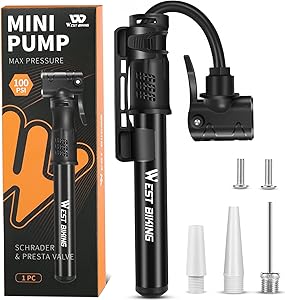
-
Max Pressure: ~120 PSI
-
Valve Compatibility: Presta & Schrader
-
Material: Aluminum Alloy
-
Features: Ball needle included
The West Biking Mini Pump is a budget-friendly inflator designed for portability and multi-functionality. It handles Presta and Schrader valves with ease, and even comes with a ball needle for inflating sports balls. The pump is constructed with aluminum alloy, striking a good balance between strength and lightness, and features a compact shape ideal for travel.
In practice, this pump is great for topping up tires or dealing with mid-ride flats. It’s not the fastest option, especially for larger-volume tires, but it’s dependable and gets the job done. The valve lock works securely, and the compact handle is comfortable enough for short pumping sessions. For occasional riders or those wanting a backup pump, it’s a practical choice.
Pros:
-
Affordable and functional
-
Works with balls and bike tires
-
Lightweight and compact
-
Secure valve connection
Cons:
-
No pressure gauge
-
Slower inflation for higher pressures
6. Pro Bike Tool Mini Pump
-
Max Pressure: 100+ PSI
-
Valve Compatibility: Presta & Schrader
-
Design: CNC Machined Aluminum
-
Includes: Mounting bracket
Pro Bike Tool’s Mini Pump is one of the most reliable and stylish compact inflators on the market. Designed with CNC aluminum, it’s built to withstand rough rides and long trips. It’s compatible with both Presta and Schrader valves and features an integrated hose that cleverly fits inside the pump when not in use. The ergonomic design helps provide consistent pressure with minimal effort.
In actual use, this pump provides quick, smooth inflation up to 100+ PSI—perfect for road bikes. The hose gives you better leverage and prevents valve stem damage. It’s small enough to stash in a jersey pocket or mount with the included bracket. While it lacks a pressure gauge, its performance makes up for the absence.
Pros:
-
Sleek and durable design
-
Hose protects valve stem
-
Lightweight and travel-friendly
-
Great build quality
Cons:
-
No built-in pressure gauge
-
Requires more strokes for high PSI
7. GIYO GM043 Mini Pump
-
Max Pressure: 80 PSI
-
Valve Compatibility: Presta & Schrader
-
Construction: All Metal CNC Aluminum
-
Features: Telescopic barrel, valve lock
The GIYO GM043 is a rugged and reliable pump designed for efficient on-the-go use. It’s made in Taiwan with CNC-machined aluminum and includes a telescopic barrel for enhanced pumping capacity. Though capped at 80 PSI, it’s more than adequate for many riders, especially those focused on MTB or hybrid bikes. It fits both Presta and Schrader valves and features a secure locking system for leak-free inflation.
This pump feels solid in hand and delivers surprisingly smooth strokes for a mini pump. The telescopic barrel increases volume per pump, helping inflate tires faster without adding bulk. While it doesn’t reach the high pressures needed by some road cyclists, it’s a great fit for urban or off-road riders who value portability and build quality.
Pros:
-
Sturdy and well-made
-
Fast inflation for low-to-mid pressure
-
Compact and portable
-
Secure valve locking
Cons:
-
Limited to 80 PSI
-
No pressure gauge
How to Choose the Best Road Bike Tire Pumps
Maintaining optimal tire pressure is essential for road bikers aiming for smooth rides, improved speed, and reduced risk of flats. A good bike pump is not just a garage essential — it’s a cyclist’s best friend. However, choosing the best road bike tire pump can be confusing due to the variety of options available. From floor pumps to mini pumps and CO₂ inflators, each has its own advantages depending on your biking needs.
In this guide, we’ll walk you through everything you need to know about selecting the best road bike tire pump — including types, features, compatibility, and budget considerations.
Need a reliable road bike tire pump? Our expert guide helps you choose the right one based on performance, portability, and price.1. Understand the Types of Bike Pumps
Before making a choice, it’s crucial to understand the different types of pumps available and what they’re best suited for:
a. Floor Pumps (Track Pumps)
These are large, stable, and designed for high-volume inflation. Floor pumps are ideal for home use and can easily inflate road bike tires to high pressures (100–160 PSI).
Pros:
-
High-pressure output
-
Easy to use
-
Built-in pressure gauge
Cons:
-
Not portable
-
Occupies storage space
b. Mini Pumps (Hand Pumps)
Compact and lightweight, mini pumps are designed for emergency roadside repairs. They fit in backpacks or attach to the bike frame.
Pros:
-
Portable
-
Lightweight
-
Good for emergency use
Cons:
-
Takes more time and effort
-
May not reach high PSI levels easily
c. CO₂ Inflators
These use compressed carbon dioxide cartridges to quickly inflate a tire. They’re compact and excellent for racing or time-critical scenarios.
Pros:
-
Extremely fast inflation
-
Ultra-portable
Cons:
-
Limited to one-time use per cartridge
-
No pressure gauge
-
Not environmentally friendly
2. Check Valve Compatibility
Road bikes usually use Presta valves, which are narrower and longer than Schrader valves (commonly found on mountain bikes and cars). Not all pumps are compatible with both.
When choosing a pump:
-
Look for dual valve heads or adjustable nozzles compatible with both Presta and Schrader valves.
-
Some pumps come with smart or automatic heads that detect valve type and adjust accordingly.
3. Consider Maximum Pressure Output
Road bike tires typically require 80–130 PSI, depending on tire width and rider weight. Ensure the pump you choose:
-
Can deliver at least 120 PSI comfortably.
-
Has an accurate pressure gauge if you need precision, especially if you race or commute regularly.
Tip: Digital pressure gauges are more precise than analog ones, but also more expensive.
4. Evaluate Build Quality and Durability
A well-built pump should last years. Here’s what to look for:
-
Metal barrels (aluminum or steel) are more durable than plastic.
-
Sturdy base and handle offer better grip and leverage.
-
Reinforced hose connections reduce the risk of leakage or breakage.
For mini pumps:
-
Check if the pump head attaches securely to the valve.
-
Some models include a flexible hose to prevent valve stem damage during inflation.
5. Look at Size and Portability
Where and how you ride determines the pump size you need:
-
For at-home maintenance, a floor pump is ideal due to its stability and ease of use.
-
For long-distance rides, invest in a lightweight mini pump or CO₂ inflator that can be mounted on the bike frame or stowed in a jersey pocket or saddle bag.
6. Gauge Accuracy and Visibility
A pressure gauge is essential, especially for road cyclists who need precise inflation. Consider:
-
Floor pumps often include larger, easy-to-read gauges.
-
Mini pumps may lack a gauge, or have small, less accurate ones.
-
Digital gauges, while pricier, offer the most accuracy.
7. Extra Features That Add Value
Modern pumps may come with added features that improve usability:
-
Bleed valve to release excess pressure
-
Locking lever on the pump head for a secure fit
-
Swappable pump heads for Presta/Schrader
-
Mounting bracket (for mini pumps)
-
Hose storage clip (keeps the hose tucked away neatly)
8. Set a Budget – But Don’t Compromise on Quality
Bike pumps range from $10 to $100+, depending on the type and features. Here’s a rough breakdown:
-
Mini pumps: $15–$40
-
CO₂ inflators: $20–$50 (plus cartridges)
-
Floor pumps: $30–$100+
Don’t skimp on a pump if you ride frequently. A well-built pump ensures consistent performance and longer lifespan.
9. Consider Brand Reputation and Reviews
Trusted brands like Lezyne, Topeak, Bontrager, SKS, Specialized, Pro Bike Tool, and Park Tool have a strong reputation in the cycling world. Before purchasing:
-
Check user reviews on sites like Amazon or cycling forums.
-
Look for warranty information.
-
Read expert reviews that test pumps under real cycling conditions.
10. Choose Based on Your Riding Style
Here’s a quick guide based on your road cycling needs:
| Cyclist Type | Recommended Pump Type |
|---|---|
| Daily commuter | Floor pump + mini pump |
| Recreational rider | Floor pump |
| Long-distance tourer | Floor pump + mini pump |
| Competitive racer | Floor pump + CO₂ inflator |
| Casual weekend cyclist | Floor pump |
Final Thoughts
The best road bike tire pump for you depends on how often you ride, your desired convenience level, and your budget. A reliable floor pump is a must-have for regular maintenance, while a mini pump or CO₂ inflator is invaluable for on-the-go fixes. Focus on valve compatibility, PSI capacity, build quality, and portability to make an informed decision.
Investing in a high-quality pump not only protects your tires but also enhances your cycling experience by keeping every ride smooth, efficient, and stress-free.
Happy Cycling!