Best Winter Cycling Overshoes of 2026
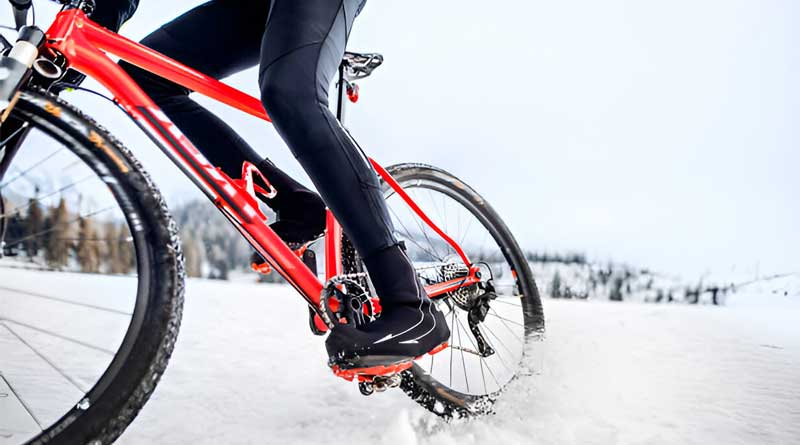
Cold feet can ruin even the best winter ride. Overshoes are the secret to staying warm and dry. They act like armor for your shoes, shielding against wind, rain, and icy roads. The right pair adds comfort without slowing you down. Some focus on warmth, others on water resistance, and a few balance both. Picking the right overshoes means matching them with your riding style and conditions. With proper gear, winter cycling feels less like a struggle and more like freedom. In this guide, we explore the best winter cycling overshoes that keep you protected and pedaling strong.
1. GripGrab RaceThermo X Waterproof Winter Overshoes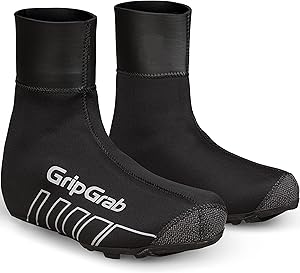
- Material: 4 mm waterproof neoprene with IntelliSeal™ technology
- Closure: Zipper-free design for aerodynamic fit
- Compatibility: Suited for gravel, MTB, and road cycling shoes
- Temperature Rating: Effective down to -10°C
The GripGrab RaceThermo X Waterproof Overshoes are designed for riders who don’t want freezing conditions to stop their training. Built with durable neoprene, these covers provide superior water resistance and insulation, ensuring your feet stay warm in rain, sleet, or snow. The standout feature is the IntelliSeal™ technology, which strengthens the seams and provides a smooth transition to your shoe, preventing water ingress. Riders who often face mud, slush, and wet gravel trails will appreciate how these overshoes handle tough terrain.
Comfort is another strong point. The zipper-free design ensures a snug, aerodynamic fit that reduces irritation and pressure points. Unlike bulky overshoes, they remain flexible enough for long rides while still offering reliable insulation. Whether you’re a gravel enthusiast or a commuter braving winter mornings, these overshoes strike a fine balance between performance and durability.
Pros
- Excellent waterproofing and insulation
- Zipper-free design avoids pressure points
- Works well for gravel and MTB rides
- Durable IntelliSeal™ seam construction
Cons
- Can be difficult to put on initially
- Slightly premium priced compared to alternatives
2. DexShell Waterproof Winter Cycling Overshoes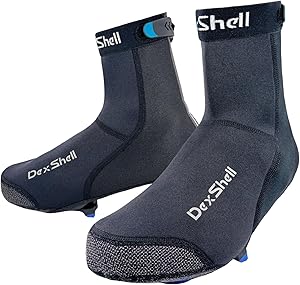
- Material: PU coating with neoprene inner layer
- Closure: Hook-and-loop fastening with rear zipper
- Waterproof Rating: 100% windproof and waterproof membrane
- Reflective Elements: For visibility in low light
The DexShell Cycling Shoe Covers deliver strong protection against wet and windy winter rides. The waterproof PU coating combined with a thermal neoprene lining ensures your feet remain both warm and dry. These covers are ideal for road cyclists who face heavy rain and icy winds, providing a barrier that keeps moisture out without compromising pedal efficiency. The reflective detailing is particularly useful for safety during dark, winter commutes.
Practicality is a core feature of the DexShell overshoes. The hook-and-loop fasteners and rear zipper make them easier to put on compared to some neoprene-only models. The snug fit ensures minimal heat loss while still allowing flexibility around the ankles. Overall, these are dependable covers for riders who prioritize weatherproofing and visibility during harsh conditions.
Pros
- 100% waterproof and windproof
- Easy to put on with rear zipper design
- Reflective safety elements included
- Reliable warmth retention
Cons
- Slightly bulkier compared to minimalist overshoes
- Zipper durability could be improved
3. ROCKBROS Thermal Waterproof Overshoes (Model 1)
- Material: PU fabric with fleece lining
- Closure: Rear zipper with elastic cuff design
- Water Resistance: Water-repellent outer layer
- Temperature Suitability: Cold weather and mild snow conditions
The first ROCKBROS winter cycling shoe cover option offers a good mix of affordability and solid protection. Constructed with PU fabric and lined with fleece, it ensures reliable insulation while maintaining a relatively lightweight structure. The water-resistant surface repels light rain and road spray effectively, making them well-suited for both commuting and recreational winter riding.
Comfort is enhanced by the elastic cuff design and rear zipper closure, which allow for quick wearing and removal. Riders will also appreciate the balance of warmth and breathability, as the fleece lining prevents cold feet without causing overheating. These overshoes are a practical choice for riders looking for a budget-friendly yet functional option for winter cycling.
Pros
- Affordable price point
- Good insulation with fleece lining
- Easy to wear with zipper and elastic cuff
- Lightweight design for daily rides
Cons
- Not fully waterproof under heavy rain
- Durability may not match premium brands
4. ROCKBROS Warm Bike Shoe Covers (Model 2)
- Material: Neoprene outer with thermal fleece lining
- Closure: Hook-and-loop with rear zipper system
- Weather Resistance: Windproof and water-resistant
- Compatibility: Suitable for both MTB and road cycling shoes
The second ROCKBROS winter overshoe option offers upgraded insulation and weather protection. With a neoprene exterior and warm fleece interior, these overshoes handle sub-zero temperatures better than the lighter model. They provide a snug, windproof fit that minimizes cold air penetration, making them suitable for long-distance winter rides.
Their design includes both hook-and-loop and zipper closures for improved stability during pedaling. Riders who value warmth will appreciate how these covers retain heat without feeling excessively bulky. While not as premium as high-end models, they strike a good balance between warmth, weather protection, and affordability.
Pros
- Stronger insulation for colder rides
- Secure fit with dual closure system
- Suitable for both MTB and road bikes
- Good value for money
Cons
- Bulkier than lightweight models
- Water resistance not ideal for heavy downpours
5. Fizik Waterproof Winter Overshoes
- Material: Laminated PU with waterproof membrane
- Closure: Sealed rear zipper with reflective piping
- Insulation: Thermal inner layer for warmth
- Fit: Aerodynamic cut for road cycling efficiency
The Fizik Waterproof Winter Overshoes bring premium craftsmanship to winter riding gear. Designed specifically for road cyclists, they combine waterproof laminated PU with a thermal lining that keeps your feet warm and dry in the harshest conditions. The aerodynamic design ensures minimal drag while still offering superior weather protection.
These overshoes excel in terms of fit and finish. The sealed rear zipper prevents water leakage, and the reflective piping adds a visibility advantage for low-light riding. With their sleek profile, they feel less bulky than many alternatives, which makes them an excellent choice for performance-focused cyclists who don’t want to compromise speed for comfort.
Pros
- High-quality waterproof construction
- Sleek aerodynamic design
- Reflective elements for added safety
- Premium feel and durability
Cons
- Higher price point
- Designed mainly for road cycling, less versatile for MTB
6. CXWXC Neoprene Winter Cycling Overshoes
- Material: 3 mm neoprene with reinforced Kevlar sole
- Closure: Back zipper with wide Velcro strap
- Weather Resistance: Waterproof and windproof outer layer
- Use Case: Road, gravel, and MTB compatibility
CXWXC’s Neoprene Winter Overshoes provide a versatile option for cyclists tackling all terrains. The 3 mm neoprene ensures excellent insulation, while the reinforced Kevlar sole improves durability when walking off the bike. Their waterproof and windproof design makes them suitable for rain, slush, and cold winds, making them a solid choice for mixed-weather riders.
These covers are particularly comfortable for long rides, thanks to their flexible neoprene construction. The zipper and Velcro strap combination keeps them securely in place, even during intense pedaling. For riders looking for robust protection without breaking the bank, these overshoes are a practical and versatile solution.
Pros
- Strong all-weather protection
- Reinforced Kevlar sole for durability
- Flexible and comfortable neoprene build
- Suitable for road, gravel, and MTB
Cons
- Zipper can be stiff in cold weather
- Bulkier than race-specific overshoes
7. HomDSim Winter Cycling Overshoes
-
Material: Windproof PU with inner fleece insulation
-
Closure: Rear zipper with elastic cuff
-
Weather Protection: Waterproof outer coating
-
Fit: Universal sizing for MTB and road shoes
HomDSim’s Winter Cycling Overshoes are a budget-friendly choice for riders seeking reliable warmth and waterproofing. Made with PU-coated fabric and fleece lining, these covers effectively block wind and moisture, making them suitable for everyday commuting and casual winter cycling. They also feature a practical rear zipper for easy on-and-off use.
Despite being inexpensive, they perform well in cold and wet conditions. The insulation is sufficient for moderate winter rides, and the waterproof coating works well against rain and road spray. While they may not last as long as premium models, they provide a decent balance of warmth, protection, and affordability for riders on a budget.
Pros
- Affordable price tag
- Good waterproofing for daily rides
- Warm fleece lining adds comfort
- Easy to wear with zipper design
Cons
- Durability may be limited
- Fit can be slightly loose on slim shoes
How to Choose Winter Cycling Overshoes
When temperatures dip and roads turn wet, a good pair of winter cycling overshoes can be the difference between a confident ride and a miserable one. Overshoes (aka shoe covers or booties) wrap around your cycling shoes to add insulation, block wind, and keep out rain and road spray. But not all pairs are created equal. Here’s a clear, no-nonsense guide to picking the best winter cycling overshoes for your conditions, bike, and budget.
Start with your conditions: wet, cold, or both?
-
Dry but cold (0–8°C / 32–46°F): Prioritize insulation and windproofing. Thick neoprene or lined softshell overshoes are ideal.
-
Wet and windy (2–10°C / 36–50°F): Waterproof or highly water-resistant fabrics with taped seams and tall cuffs to seal out spray.
-
Freezing and wet (≤0°C / 32°F): Look for multi-layer construction (outer waterproof shell + thermal lining), snug seals, and consider pairing with merino socks or waterproof socks for a belt-and-braces approach.
Tip: Many brands quote temperature ranges. Use them as a guide, not gospel—they assume steady efforts and average metabolisms.
Key materials and what they mean
-
Neoprene (2–4 mm): Superb wind block and insulation. It’s water-resistant by nature, but seams and zips define how long you stay dry. Thicker neoprene = warmer but less breathable and more bulk.
-
PU-coated or membrane softshell (e.g., “waterproof/breathable” fabrics): Better for persistent rain and road spray, usually lighter than neoprene, with improved breathability. Check for taped seams.
-
Fleece or brushed linings: Trap warm air next to the foot—great for dry cold or under a waterproof shell.
-
Reinforcements (Kevlar/Cordura): Added to toe and heel to resist abrasion from walking, curbs, and toe overlap.
Compatibility: road vs MTB (and cleats)
Soles are cut differently:
-
Road overshoes have a large cleat opening and a smaller heel hole. They’re sleek and aero, but less walkable.
-
MTB/gravel overshoes have wider tread cutouts to suit lugs and allow off-bike traction. Some include a replaceable under-strap.
If you clip in with SPD-SL/Look (road), pick a road-specific pattern. For SPD (MTB) or platform pedals, choose an MTB/gravel model. A poor match will either flap or tear quickly.
Height and cuff design
-
Ankle height (low–mid): Easier to put on, decent for cool, dry rides.
-
Mid-calf height: Best winter all-rounder—overlaps your tights, blocks spray, and holds warmth.
-
Tall storm cuffs: Pair with silicone grippers or elasticated cuffs to seal against your tights/leg warmers. Look for minimal gap to prevent the “chimney” effect of water wicking down your leg.
Closure systems: secure and serviceable
-
Back zips (YKK recommended): Common and quick. Look for a zipper garage at the top and an internal storm flap behind the zip to reduce water ingress.
-
Velcro (hook-and-loop): Adjustable and glove-friendly; can lose grip over time if packed with grit.
-
BOA/dial or stretchy pull-on designs: Sleek and snug with fewer seams; great for aero and weather but check you can still get them over your shoe’s buckles or dials.
Whatever the closure, it should be easy to operate with cold hands and not rub your crank.
Fit and sizing (don’t guess!)
Overshoes run tighter than you think. Check the brand’s chart, but also consider:
-
The bulk of your shoe (winter shoes are often bigger).
-
Extra socks you plan to wear.
-
Your cleat placement—overshoes should sit flat without pulling the toe opening forward.
A good fit is snug with no baggy material to catch wind or snag the chainring. Too tight and you’ll compress insulation and restrict blood flow (instant cold feet).
Waterproofing is more than fabric
True waterproof performance comes from the system, not just the fabric:
-
Seams: Taped or welded seams leak far less than stitched ones.
-
Under-foot interface: Open soles let water splash up; closed soles with a tough under-strap resist spray better but may be warmer (and less walkable).
-
Cuffs and overlaps: Tuck the overshoe under your tights in heavy rain to reduce wicking; in dry cold, you can wear tights over the cuff for comfort.
If you ride in consistent rain, prioritize taped seams, a storm cuff, and a well-sealed zip.
Warmth vs breathability: find your balance
Feet sweat even in winter. If your rides are high intensity or >60 minutes:
-
Choose breathable membranes or lighter neoprene to reduce moisture build-up.
-
Consider merino socks that retain warmth when damp.
-
For sub-zero days, a breathable overshoe plus a thin vapor barrier liner (like a plastic bag or VB sock) can be a hack—but it’s sweaty; reserve for extreme cold.
Durability matters
Overshoes get abused—walkways, grit, heel strikes. Look for:
-
Toe/heel reinforcements and bonded edges.
-
Robust under-straps (replaceable is a plus).
-
Reflective panels that are bonded rather than printed (last longer).
Treat them like a consumable, but pick features that extend life if you commute daily.
Visibility and safety
Winter means dark commutes. Reflective logos are nice; large reflective zones at the heel and outer ankle are better—exactly where motorists see your pedaling motion. If you ride rural roads, bright or hi-viz colors can add passive safety.
Maintenance and care
-
Rinse after gritty rides; salt and sand destroy fabric and zips.
-
Air-dry away from direct heat; high heat can delaminate membranes.
-
Reproof DWR (durable water repellent) coatings periodically with spray-on treatments.
-
Lube zips lightly with silicone or zip wax for smoother operation.
Proper care keeps them waterproof and extends their lifespan.
Budget tiers: what you get
-
Entry-level: 2–3 mm neoprene, basic zip, minimal seam sealing. Good for cool, mostly dry rides.
-
Mid-range: Thicker neoprene or softshell with fleece lining, better zips, some taped seams, reinforced toe/heel. Solid for most winter riders.
-
Premium: Waterproof/breathable membranes, fully taped seams, tall storm cuffs, dial closures, extensive reinforcement. Best for daily commuters or long, wet winters.
You don’t need the most expensive pair if your winters are mainly dry and cold. Spend where your weather punishes you most.
Alternatives and complements
-
Toe covers: Great for cool shoulder seasons or pairing with aero overshoes. Not enough for deep winter alone.
-
Waterproof socks: A lifesaver in persistent rain or if your shoes are very ventilated.
-
True winter cycling boots: If you routinely ride below freezing, boots + light overshoes (for splash) can outperform any single overshoe.
Common mistakes to avoid
-
Sizing down “for aero.” Cold, numb feet are slower than a tiny aero gain.
-
Ignoring the sole cutout. Road covers on MTB shoes (or vice versa) tear quickly.
-
Expecting dry feet from untaped seams. Water finds every stitch.
-
Neglecting sock choice. Cotton stays wet and cold; choose merino or technical synthetics.
-
Forgetting ankle gaps. A 1 cm gap is a highway for rain and wind.
Quick selection checklist
-
Typical ride temps and precipitation?
-
Road or MTB cleats?
-
Preferred height and cuff seal?
-
Closure you can manage with gloves?
-
Taped seams and storm flaps for wet rides?
-
Reinforced toe/heel and reflective zones?
-
True-to-size fit with your winter socks?
Choosing the best winter cycling overshoes is about matching material, sealing, and fit to your weather and riding style. Get those three right, and you’ll keep your feet warm, drier, and happier—so winter riding feels less like survival and more like cycling.