Best Winter Mountain Bike Gloves of 2026
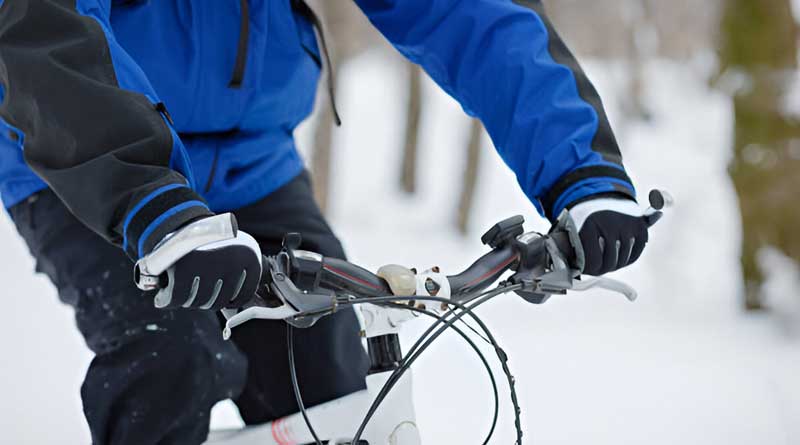
Winter rides test more than your endurance; they challenge your comfort and control. Cold air bites, snow numbs, and trails demand focus. If your hands freeze, shifting gears and braking becomes harder. That is where winter mountain bike gloves make the real difference. They are not just warm covers but tools that keep your grip strong and reactions quick. Good gloves let you explore icy paths without constant discomfort.
1. MOREOK Riding Gloves

- Insulation: 200g 3M Thinsulate.
- Waterproofing: Dual-layer TPU waterproof membrane.
- Material: Windproof outer fabric.
- Closure: Adjustable buckle wrist strap with an elastic cuff.
The MOREOK Riding Gloves are a robust solution for harsh winter conditions. Combining 200g 3M Thinsulate with a double-waterproof TPU membrane, these gloves keep hands incredibly warm and dry without sacrificing breathability. The moisture-wicking velvet lining ensures comfort during activities like cycling or hiking, while the extended cuffs effectively seal out biting winds and snow.
Functionality is excellent, featuring sensitive touchscreen compatibility and a nitrile rubber palm for a firm grip. The integrated terry cloth thumb is a thoughtful addition for wiping goggles. While the fit is notably snug to maximize thermal efficiency, the ergonomic design prevents excessive bulk. These gloves offer a professional-grade balance of protection, durability, and tactile control for various outdoor pursuits.
Pros
- Exceptional warmth with 3M Thinsulate.
- Highly effective double-waterproof protection.
- Sensitive touchscreen compatibility.
Cons
- Snug fit may require careful sizing.
- Extended cuffs can be bulky under sleeves.
2. INBIKE Mountain Bike Gloves for Men
- Material: Breathable polyester with microfiber leather palm
- Protection: Hard knuckle guards with reinforced padding
- Closure: Adjustable hook-and-loop wrist strap
- Special Feature: Anti-slip palm with touchscreen compatibility
The INBIKE Mountain Bike Gloves are a strong option for riders who need both safety and comfort in winter riding conditions. Built with hard knuckle protection, these gloves are ideal for mountain biking, motocross, or dirt bike adventures where falls or debris might pose risks. The breathable polyester outer layer helps maintain airflow while the microfiber leather palm adds grip security. Their adjustable Velcro strap ensures a snug fit that keeps cold air out while allowing flexibility for extended rides.
Riders who value functionality will appreciate the anti-slip palm and touchscreen-friendly fingertips. This makes handling smartphones or GPS devices easier without removing gloves in freezing weather. However, the gloves are slightly bulkier due to the hard knuckle design, which may not suit those preferring a lighter, more flexible glove. Still, the balance between durability and comfort makes them reliable for mountain bikers who ride in rugged terrain and variable weather conditions.
Pros
- Excellent knuckle protection for safety
- Breathable yet warm fabric
- Secure grip with anti-slip palm
- Touchscreen functionality adds convenience
Cons
- Slightly bulky for casual rides
- May run small, requiring size adjustment
3. BYKR All-Weather Motorcycle Gloves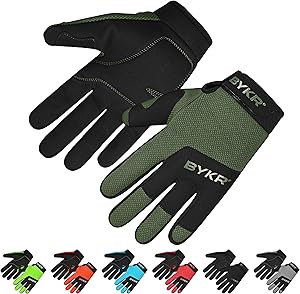
-
Material: Multi-layer fabric with synthetic leather reinforcement
-
Protection: Armored knuckle guards and padded palm
-
Closure: Adjustable Velcro wrist strap
-
Special Feature: Water-resistant outer shell for all-weather riding
The BYKR All-Weather Gloves are designed for versatility, catering to mountain bikers, dirt bike riders, and even ATV enthusiasts. With a water-resistant shell, these gloves perform well in rain, light snow, and mud, ensuring hands remain dry and comfortable. The armored knuckle guards and reinforced palms provide ample protection, making them suitable for more aggressive riding styles.
Comfort has been balanced with durability in this design. Riders benefit from adjustable Velcro straps that create a secure fit, while padded palms reduce vibrations during long rides. While the water resistance is reliable, the gloves may feel too warm during milder weather, limiting their versatility outside of cold or wet conditions. Still, they serve as a dependable companion for riders facing unpredictable environments.
Pros
- Excellent weather protection with water-resistant design
- Strong knuckle and palm protection
- Adjustable closure ensures fit security
- Durable for multiple riding styles
Cons
- Can feel too warm in mild climates
- Slightly stiff during initial use
4. Mountain Made Warm Gloves
- Material: Fleece-lined fabric with spandex for flexibility
- Protection: Anti-slip silicone grip on palm and fingers
- Closure: Upgraded zipper for snug fit
- Special Feature: Touchscreen-compatible fingertips
Mountain Made Warm Gloves are a versatile option for cycling, running, and outdoor sports. They prioritize comfort and flexibility, featuring a spandex-blend design that allows full hand movement while maintaining warmth. The fleece lining makes them cozy for winter use, while the anti-slip silicone grip ensures reliable control of handlebars in wet or icy conditions.
One standout feature is the upgraded zipper closure, which creates a tighter fit and helps trap heat during long rides. The gloves are also touchscreen-compatible, a practical benefit for cyclists using smartphones or GPS devices. However, these gloves lean more towards lightweight winter use, meaning they may not provide sufficient insulation for extreme cold or prolonged high-speed riding. Overall, they are ideal for recreational cyclists who value comfort and usability over heavy-duty protection.
Pros
- Flexible and lightweight with spandex blend
- Warm fleece lining for comfort
- Touchscreen-compatible for convenience
- Zipper closure offers secure fit
Cons
- Limited insulation in extreme cold
- Less protective compared to armored gloves
5. ROCKBROS Winter Cycling Gloves
-
Material: Water-resistant polyester with thermal lining
-
Protection: Shock-absorbing palm padding
-
Closure: Elastic wrist cuff with pull-on design
-
Special Feature: Touchscreen-compatible fingertips
ROCKBROS Winter Cycling Gloves combine warmth, weather resistance, and functionality, making them an excellent choice for mountain bikers. Built with a water-resistant polyester shell and thermal lining, they keep hands warm and dry in cold, damp conditions. The shock-absorbing padding reduces vibrations on rough trails, adding to rider comfort.
These gloves also excel in versatility. The touchscreen fingertips let cyclists use their devices without removing gloves, while the elastic cuff ensures a snug but flexible fit. They strike a good balance between lightweight comfort and protective insulation, although they may not provide the same heavy-duty protection as armored gloves. Their water resistance is suitable for light to moderate rain but may falter in heavy downpours. For most winter cycling needs, however, they remain a dependable and cost-effective option.
Pros
- Warm and water-resistant for winter rides
- Shock-absorbing palm padding reduces fatigue
- Touchscreen functionality
- Lightweight and comfortable fit
Cons
- Not fully waterproof in heavy rain
- Lacks armored knuckle protection
6. Fox Racing Ranger Fire Mountain Bike Glove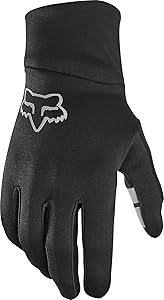
- Material: Fleece interior with water-resistant outer layer
- Protection: Silicone grip palm with reinforced fingertips
- Closure: Adjustable hook-and-loop wrist strap
- Special Feature: Low-profile design with insulation for cold-weather riding
The Fox Racing Ranger Fire Gloves are built for riders who need dependable cold-weather gear without sacrificing performance. The fleece interior provides warmth, while the water-resistant exterior shields hands against light rain and cold winds. The low-profile design ensures that the gloves don’t feel bulky, which helps riders maintain precise handlebar control.
Fox has integrated reinforced fingertips and silicone grip patterns, ensuring both durability and strong handling even in slippery conditions. These gloves are best suited for mountain bikers who ride aggressively in colder seasons, offering warmth and dexterity. However, their water resistance is not fully waterproof, and in extreme conditions, insulation may feel limited. Still, they are an excellent option for riders who value comfort, style, and functional winter performance.
Pros
- Warm fleece interior with water resistance
- Low-profile yet durable design
- Enhanced grip with silicone patterns
- Comfortable for long rides
Cons
- Not fully waterproof
- Insulation may be insufficient in extreme cold
7. 100% BRISKER Cold Weather MTB Gloves
- Material: Insulated soft-shell fabric with moisture-wicking lining
- Protection: Light foam palm padding
- Closure: Adjustable wrist closure with TPR strap
- Special Feature: Silicone print on palm and fingers for enhanced grip
The 100% BRISKER Cold Weather Gloves for adults build upon the youth version, delivering a warmer and more performance-driven option for serious riders. With a soft-shell insulated outer layer and breathable inner lining, they effectively balance warmth with moisture control. The TPR wrist strap allows a secure closure, helping keep out wind and cold air.
These gloves excel in grip and handling, thanks to silicone-printed palms that maintain control even in wet or frosty conditions. The foam padding on the palm adds light shock absorption without making the gloves bulky. While they are great for cold-weather riding, they are not designed for extreme sub-zero conditions and may require liners for added insulation in harsher climates. For most riders, however, these gloves strike an ideal balance between warmth, performance, and grip security.
Pros
- Excellent grip control with silicone print
- Warm yet breathable for winter rides
- Secure wrist closure keeps cold out
- Lightweight and comfortable fit
Cons
- Not insulated enough for extreme cold
- Limited protective padding for aggressive trails
How to Choose Winter Mountain Bike Gloves
When the crisp air of winter sets in, many riders swap their mountain bikes for indoor training sessions. But for those who refuse to let the cold stop them, the right gear makes all the difference. Among all winter cycling apparel, gloves are one of the most crucial items. Cold, numb hands can ruin a ride and even put you at risk if you lose your grip on the handlebars. Choosing the best winter mountain bike gloves is not just about comfort—it’s about safety, performance, and durability.
In this guide, we’ll walk you through the key factors to consider so you can confidently select the perfect pair for your riding style and winter conditions.
1. Why Winter Mountain Bike Gloves Matter
Mountain biking in cold weather poses challenges that summer gloves can’t handle. Winter gloves are designed to:
-
Keep hands warm: They provide insulation to maintain dexterity and grip in freezing temperatures.
-
Protect against wind and moisture: Cold winds, rain, and snow can sap body heat quickly. Gloves act as a barrier.
-
Enhance grip and control: Even in slippery or icy conditions, gloves should maintain strong traction on handlebars and brakes.
-
Prevent numbness: Prolonged cold exposure can cause tingling or numb hands, making riding unsafe.
Without the right gloves, even the most skilled rider can find winter rides uncomfortable or risky.
2. Insulation: Balancing Warmth and Dexterity
The core purpose of winter gloves is insulation. However, the challenge lies in finding a balance between warmth and flexibility.
-
Light Insulation: Great for cool (but not freezing) rides, usually in temperatures between 40°F–55°F (4°C–12°C). These gloves prioritize dexterity, making it easier to shift gears and brake.
-
Medium Insulation: Suitable for typical winter riding (30°F–45°F or -1°C–7°C). These gloves combine warmth and mobility, making them the most versatile option.
-
Heavy Insulation: Designed for sub-freezing rides, these gloves keep hands warm even in extreme conditions. However, they may feel bulkier and reduce fine motor control.
Tip: Match insulation with your local winter climate. Riders in milder climates may need only lightly insulated gloves, while those in snowy, freezing regions should invest in heavier models.
3. Materials: What Your Gloves Are Made Of Matters
Different materials determine warmth, durability, and comfort. The most common are:
-
Softshell Fabric: Offers windproofing and water resistance while maintaining breathability. Great for most winter conditions.
-
Neoprene: Known for its water resistance, neoprene gloves excel in wet and slushy rides. They’re flexible but not as breathable.
-
Leather or Synthetic Leather Palms: Provide durability and superior grip on handlebars.
-
Fleece Linings: Add softness and warmth without much bulk.
-
Insulation Layers (Thinsulate, PrimaLoft): Trap heat efficiently without making gloves too bulky.
A good winter mountain bike glove often combines multiple materials for performance across various conditions.
4. Waterproofing and Windproofing
Moisture and wind are two of the biggest culprits for frozen fingers. Gloves with waterproof and windproof membranes are essential if you ride in harsh winter weather.
-
Waterproof Gloves: Ideal for rainy or snowy rides. Look for gloves with a DWR (durable water repellent) coating or built-in waterproof membranes like Gore-Tex.
-
Windproof Gloves: Protect against wind chill, which can make temperatures feel much colder.
Keep in mind that fully waterproof gloves may sacrifice breathability, leading to sweaty hands. Breathable but water-resistant gloves may be more comfortable for dry winter conditions.
5. Grip and Control
In mountain biking, grip is non-negotiable. Winter gloves should allow you to maintain a firm hold even when trails are muddy, snowy, or icy.
-
Silicone Grips: Many gloves feature silicone prints on the palms and fingertips for added traction on handlebars and brake levers.
-
Articulated Fingers: Designed to mimic natural hand positions, making it easier to grip handlebars without stiffness.
-
Thin Palm Padding: Provides comfort without compromising handlebar feel. Too much padding can reduce control.
Pro Tip: Test your gloves with your actual bike. A glove that feels warm and comfortable off the bike might feel bulky when you’re trying to shift gears or brake.
6. Touchscreen Compatibility
Most riders use smartphones or GPS devices on their rides. Removing gloves in freezing weather just to check directions or capture a photo is frustrating and risky. Look for winter gloves with touchscreen-compatible fingertips, usually on the index finger and thumb.
7. Fit and Comfort
Fit is one of the most overlooked aspects of glove selection. Poorly fitting gloves can cause discomfort, limit movement, or let in cold air.
-
Snug but Not Tight: Gloves should fit close to your hands to retain warmth but still allow natural movement.
-
Cuff Design: Extended cuffs or adjustable Velcro closures help seal out cold air and snow. Some gloves fit under jacket sleeves for a tighter seal.
-
Liner Options: Some gloves come with removable liners, offering flexibility for different weather conditions.
Remember: gloves that are too tight can restrict blood circulation, making your hands feel colder.
8. Breathability and Moisture Management
Even in freezing weather, your hands sweat while riding. Without breathable gloves, moisture builds up inside, leaving your hands clammy and cold. Look for gloves that balance insulation with ventilation.
-
Breathable Membranes: Materials like Gore-Tex Infinium offer windproofing while allowing sweat vapor to escape.
-
Moisture-Wicking Liners: Pull sweat away from the skin, keeping hands dry.
If you ride long distances, this feature becomes especially important.
9. Durability and Protection
Mountain biking often involves rough terrain, tree branches, and occasional falls. Winter gloves should provide not only warmth but also protection.
-
Reinforced Palms: Improve durability in high-wear areas.
-
Knuckle Protection: Some gloves come with padded or armored knuckles for extra safety.
-
Double Stitching: Extends the life of gloves under heavy use.
Investing in durable gloves ensures they’ll last multiple seasons instead of wearing out after one winter.
10. Extra Features to Consider
Modern winter mountain bike gloves often include thoughtful extras:
-
Reflective Details: Improve visibility on early morning or evening rides.
-
Nose Wipe Panels: Soft fabric on the thumb for wiping sweat or runny noses.
-
Pull Tabs: Make gloves easier to take on and off.
-
Convertible Mitt Covers: Some gloves have an extra cover that can turn them into mittens for added warmth.
11. Price vs. Value
Winter mountain bike gloves range from budget-friendly to premium. Price often reflects materials, insulation, and durability.
-
Budget Gloves ($20–$40): Good for mild winters, usually less durable and less weatherproof.
-
Mid-Range Gloves ($40–$70): Offer a balance of insulation, weather resistance, and durability. Ideal for most riders.
-
Premium Gloves ($70+): Feature advanced waterproofing, breathable membranes, and premium insulation. Best for extreme conditions or riders who bike daily in winter.
Think about your riding frequency and climate before deciding how much to spend.
12. Testing and Personal Preference
Ultimately, the “best” glove depends on your specific needs. If possible, try gloves on before buying. Test grip, flexibility, and warmth. If shopping online, read customer reviews to see how gloves perform in real-world conditions.
Conclusion
Choosing the best winter mountain bike gloves comes down to balancing warmth, protection, grip, and comfort. The ideal pair should keep your hands warm and dry without sacrificing control of your bike. Consider insulation levels, materials, waterproofing, breathability, and fit based on your riding conditions.
Winter riding is challenging, but with the right gloves, it becomes an adventure instead of a struggle. Whether you’re tackling snowy trails, muddy paths, or chilly morning rides, the perfect gloves will keep your hands safe, warm, and ready to grip the handlebars with confidence.