Best Winter Mountain Bike Pants of 2026
Winter trails are wild, cold, and full of surprises. One moment you are riding through frost, the next through mud. Regular pants just cannot handle that. You need gear that fights the chill and moves with your body. That is where winter mountain bike pants step in. They block wind, shed water, and keep your muscles warm. They are not bulky, yet tough enough for any trail. The right pair can change your ride completely. No more frozen legs or soggy rides. In this guide, we highlight the best winter mountain bike pants to help you stay fast, warm, and ready.
1. Roadbox Thermal Fleece Pants

- Material: Fleece-lined polyester softshell
- Weather Protection: Windproof and waterproof outer layer
- Fit System: Adjustable waistband with ankle zippers
- Visibility: Reflective tire-tread prints
The Roadbox Thermal Fleece Pants are built for riders who refuse to let winter conditions limit their trail time. The fleece-lined interior traps body heat efficiently, delivering consistent warmth during cold-weather rides without feeling bulky. Its waterproof and windproof outer shell does an excellent job of blocking rain, snow, and biting wind, helping you stay dry and comfortable on long mountain bike sessions. Despite the protective construction, the fabric allows free movement, making it suitable for aggressive riding and extended climbs.
Comfort and practicality are key strengths of these pants. Reinforced knees with 3D ergonomic tailoring provide excellent mobility while improving durability against abrasion. Utility zippered pockets keep essentials secure even on rough descents, and the angled design ensures easy access without interfering with pedaling. The adjustable waistband allows a personalized fit, while ankle zippers accommodate boots and prevent chain snags. Reflective prints enhance visibility during low-light rides, making these pants a reliable option for cycling, hiking, climbing, and other winter outdoor adventures.
- Pros: Excellent weather protection, warm fleece lining, secure pockets, durable knee design
- Cons: Slightly heavy for mild temperatures, limited ventilation for high-output rides
See the Roadbox Thermal Fleece Pants
2. ROCKBROS Winter Cycling Pants

- Insulation: Thermal fleece interior
- Wind Protection: Windproof front panel
- Storage: Two deep zippered pockets
- Visibility: Reflective logo and stripes
The ROCKBROS Winter Cycling Pants are designed to keep riders warm and focused during cold-weather commutes and winter trail rides. The fleece-lined interior holds heat effectively, while the windproof front panel shields your legs from icy gusts. This balance makes them particularly suitable for early-morning rides or winter mountain biking when temperatures drop sharply. The overall construction feels solid and dependable, offering warmth without overly restricting movement.
Fit and functionality are thoughtfully executed. An elastic waistband with drawstrings allows easy adjustment, ensuring comfort during long rides. The flexible back panel enhances mobility, letting you pedal freely while the insulated front maintains warmth. Two deep zippered pockets provide secure storage for essentials like phones and keys, even on bumpy terrain. Reflective details improve visibility in low-light conditions, adding an important safety element for night or dawn rides. These pants also perform well beyond cycling, making them a practical choice for winter running or casual outdoor use.
- Pros: Warm fleece lining, good wind protection, secure pockets, reflective safety features
- Cons: Asian sizing runs small, limited water resistance
See the ROCKBROS Winter Cycling Pants
3. baleaf Fleece Pants
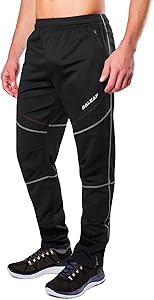
- Insulation: Soft fleece lining
- Wind Resistance: Wind-blocking fabric
- Fit Adjustment: Elastic waistband with drawcord
- Leg Opening: Zippered ankle cuffs
The baleaf Fleece Pants are a versatile winter option for mountain bikers who want warmth and simplicity. The soft fleece lining delivers consistent insulation, making these pants comfortable in cold and windy conditions. The fabric effectively blocks wind, helping maintain body heat during steady rides or long outdoor sessions. The relaxed fit makes them suitable for riders who prefer a less restrictive feel while still benefiting from winter protection.
Practical features enhance everyday usability. Zippered front pockets keep small items secure, while the elastic waistband with an inner drawcord allows easy adjustment for a personalized fit. The zippered ankle cuffs are especially useful, letting you widen the leg opening over boots or tighten it to prevent interference with the drivetrain. Special knee stitching improves flexibility, ensuring smooth pedaling motion. Reflective elements add visibility in low-light environments, and the overall design works well for cycling, hiking, running, skiing, and other winter activities.
- Pros: Comfortable fleece warmth, adjustable ankle cuffs, versatile use, secure pockets
- Cons: Loose fit may not suit performance riders, limited water resistance
4. baleaf Thermal Tights – Women’s

- Temperature Range: 40–60°F cold weather riding
- Padding: 4D silicone-enhanced cushion
- Waist Design: High-rise contoured waistband
- Storage: Two side pockets and one back pocket
The baleaf Thermal Tights for women are purpose-built for winter cycling comfort and performance. The soft, stretchy fabric keeps legs warm in cool to cold conditions while remaining breathable and comfortable. Light water resistance protects against road spray and light rain, making these tights reliable for winter road or trail rides. The thermal construction strikes a good balance between insulation and flexibility, supporting longer rides without overheating.
The standout feature is the advanced 4D padded cushion, designed to reduce pressure and improve comfort during extended cycling sessions. Silicone reinforcement in key areas enhances protection and minimizes discomfort, even after several hours in the saddle. The high-rise waistband offers excellent coverage and support without feeling restrictive, while reflective calf details improve visibility. Multiple pockets provide practical storage for phones and essentials. Stylish yet functional, these tights suit both beginners and experienced riders seeking winter-ready performance.
- Pros: Excellent padding comfort, warm yet flexible fabric, flattering fit, useful pockets
- Cons: Best for moderate cold only, padding may feel bulky off the bike
See the baleaf Thermal Tights – Women’s
5. 4ucycling Mountain Bike Pants
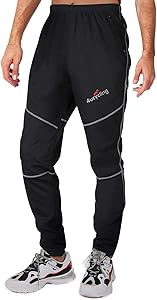
- Insulation: Thermal fleece lining
- Wind Protection: Full windproof shell
- Mobility: Articulated knees and gusseted crotch
- Extras: Zippered pockets and reflective details
The 4ucycling Mountain Bike Pants are designed for riders tackling freezing temperatures and demanding trails. A windproof outer shell combined with a thermal fleece lining locks in heat while blocking cold air effectively. This construction keeps you comfortable during long winter rides, whether climbing or descending. Despite the warmth, the pants remain breathable enough for changing activity levels.
Ergonomic features set these pants apart. Articulated knees and a gusseted crotch allow unrestricted movement, making technical riding feel natural and fluid. Moisture-wicking fabric pulls sweat away from the skin, preventing chill during rest periods. Zippered hand pockets secure valuables, and adjustable ankle cuffs fit easily over boots. Reflective details enhance safety in low-light conditions. Beyond cycling, their durable yet soft build makes them suitable for hiking, snowshoeing, or casual winter wear.
- Pros: Excellent wind protection, great mobility, moisture-wicking comfort, versatile use
- Cons: Limited ventilation, slightly bulky for mild weather
See the 4ucycling Mountain Bike Pants
6. INBIKE Winter Cycling Pants
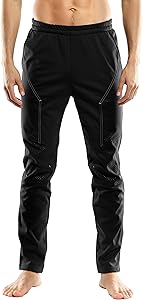
- Material: 100% polyester fleece
- Weather Resistance: Windproof and water resistant
- Waistband: High-elastic wide waistband
- Safety: Reflective logo and stripes
The INBIKE Winter Cycling Pants offer a comfortable and affordable solution for cold-weather riding. The fleece-lined polyester fabric provides reliable warmth while remaining stretchy and breathable. Windproof and mildly waterproof properties help protect against cold breezes and light moisture, making these pants suitable for fall and winter outdoor activities.
Comfort is enhanced by a wide, elastic waistband that adapts easily to different body shapes without feeling restrictive. The quick-dry, moisture-wicking fabric helps keep sweat under control during active rides. Reflective details improve visibility during low-light conditions, adding a layer of safety. The simple, patched design keeps the pants lightweight and versatile, making them useful for cycling, jogging, fishing, or casual winter outings.
- Pros: Lightweight warmth, stretchy comfort, reflective safety, good value
- Cons: Minimal storage, limited insulation for extreme cold
See the INBIKE Winter Cycling Pants
7. Souke Sports Winter Cycling Pants

- Construction: Three-layer softshell design
- Weather Protection: Windproof and water resistant
- Ventilation: Breathable back panel with thigh vents
- Fit: Elastic waistband with drawstring
The Souke Sports Winter Cycling Pants are engineered for harsh winter conditions and high-performance riding. The three-layer softshell construction blocks wind effectively while the fleece-lined interior minimizes heat loss. Water resistance keeps you dry in light rain or snow, making these pants dependable for unpredictable winter weather.
Thoughtful design details improve comfort and flexibility. Articulated knees allow natural movement, while the tapered lower legs prevent chain interference. Breathable panels and venting zippers regulate airflow, reducing overheating during intense efforts. Multiple pockets offer ample storage, and reflective trim boosts visibility in low-light conditions. These pants remain snug even with extra layers underneath, making them versatile for cycling, running, hiking, skiing, or camping.
- Pros: Excellent wind protection, good ventilation, flexible fit, multi-sport use
- Cons: Snug fit may feel tight for casual wear, vents add slight bulk
See the Souke Sports Winter Cycling Pants
How to Choose Winter Mountain Bike Pants
Riding a mountain bike in winter is a completely different experience compared to the warmer months. The crisp air, frosty trails, and the challenge of unpredictable weather can make the ride both exciting and demanding. But to truly enjoy the adventure and stay safe, having the right gear is essential—and one of the most important items is a good pair of winter mountain bike pants.
Choosing the best winter mountain bike pants isn’t just about warmth. They need to balance insulation, breathability, flexibility, and weather protection, all while ensuring comfort for long rides. In this guide, we’ll explore the key factors to consider, the types of winter bike pants available, and tips for making the best choice for your riding style and climate.
Why Winter Mountain Bike Pants Matter
Unlike summer riding shorts or lightweight tights, winter bike pants are designed to handle extreme conditions. They keep your muscles warm, protect against windchill, and repel rain, snow, or mud. Without proper pants, you risk:
- Muscle stiffness and fatigue due to cold exposure.
- Reduced performance from discomfort or restricted movement.
- Health issues such as colds, frostbite, or hypothermia in extreme cases.
- More cleaning hassle if mud and slush soak through ordinary clothes.
The right pants help you stay warm, dry, and agile—so you can focus on the trail instead of the temperature.
Key Features to Look For
When shopping for winter mountain bike pants, here are the most important factors to evaluate:
1. Material and Fabric Technology
- Softshell fabrics: Offer a good balance of wind resistance, warmth, and stretch.
- Waterproof membranes (like Gore-Tex): Provide maximum rain and snow protection, though sometimes less breathable.
- Fleece lining: Adds insulation and comfort, especially useful for sub-zero rides.
- Ripstop nylon or polyester: Durable and resistant to tears from branches or crashes.
The ideal pants use a combination—water-resistant outer shells with breathable panels and a light fleece interior.
2. Weather Protection
Mountain biking in winter often means unpredictable conditions. Look for:
- Water resistance or waterproofing to handle snow, rain, and splashes.
- Windproof panels to shield against chilling breezes on downhill rides.
- Mud resistance so you’re not carrying extra weight after a messy trail.
A durable water-repellent (DWR) coating is a must-have.
3. Insulation vs. Breathability
Finding the right balance is crucial.
- Heavier insulation keeps you warm on very cold days but may overheat during climbs.
- Breathable fabrics allow sweat to escape, preventing clamminess.
- Zippered vents give you control—open them while climbing, close them on descents.
Choose according to your local winter climate. For mild winters, breathability matters more; for freezing ones, prioritize insulation.
4. Fit and Flexibility
Cycling pants should not feel restrictive. Look for:
- Articulated knees that follow your pedaling motion.
- Stretch panels for flexibility and ease of movement.
- Tapered leg openings to prevent fabric from catching in your chain.
- Adjustable waistbands or Velcro straps for a snug fit without digging in.
Comfort and mobility are non-negotiable.
5. Layering Compatibility
Some riders prefer layering tights under a looser outer shell. If that’s your style:
- Ensure the pants have enough room for base layers.
- Avoid pants that are too bulky—layering should still allow free movement.
A versatile design lets you adapt to changing weather.
6. Durability
Winter riding can be harsh on gear. Look for reinforced areas on:
- Knees (for falls and frequent bending).
- Seat/inner thighs (high friction zones).
- Ankles (to resist chain rub and mud splashes).
Durability ensures your investment lasts more than one season.
7. Pockets and Practical Features
Small details make a big difference.
- Zippered pockets keep essentials like keys or snacks secure.
- Reflective accents improve visibility during dark winter rides.
- Ankle zips or adjustable cuffs make it easier to fit pants over boots.
Practical design equals convenience.
Types of Winter Mountain Bike Pants
Not all winter pants are the same—here are the common categories:
- Softshell Pants
- Great for moderately cold conditions.
- Offer good breathability and water resistance.
- Comfortable for all-day rides.
- Waterproof Shell Pants
- Ideal for wet, snowy, or muddy trails.
- Usually worn over a base layer.
- Less breathable but provide maximum weather protection.
- Insulated Pants
- Best for extreme cold.
- Often fleece-lined or padded.
- Warmer but heavier, suited for short or very cold rides.
- Convertible Pants
- Feature zip-off sections (thigh or knee) to adjust insulation levels.
- Versatile for changing weather, though less common in MTB gear.
How to Choose Based on Riding Conditions
Your choice should match your local climate and riding style:
- Cold and Dry Winters (10–30°F / -12–0°C)
→ Opt for insulated softshell pants with fleece lining. - Wet and Mild Winters (30–50°F / -1–10°C)
→ Go for waterproof shells layered over breathable tights. - Snowy Alpine Conditions
→ Heavy-duty waterproof insulated pants with full coverage. - Mixed Trails with Climbs and Descents
→ Look for breathable pants with vents to regulate heat.
Sizing and Fit Tips
- Try pants with the same layers you’d wear while riding.
- Make sure they don’t restrict your pedaling movement.
- Check leg openings fit securely around your shoes/boots.
- If you ride with knee pads, ensure there’s enough room to fit them underneath.
Proper fit enhances performance and avoids distractions.
Budget vs. Premium Options
- Budget Pants ($40–$80)
- Good for casual riders or beginners.
- May lack advanced waterproofing or breathability.
- Still better than using everyday trousers.
- Mid-Range Pants ($80–$150)
- Best balance of performance and affordability.
- Often softshell with water resistance and good durability.
- Premium Pants ($150–$300+)
- Advanced fabrics like Gore-Tex.
- Highly breathable, durable, and weatherproof.
- Ideal for frequent or hardcore riders.
Choose based on how often and intensely you ride.
Care and Maintenance
To extend the lifespan of your pants:
- Wash them according to manufacturer instructions.
- Reapply DWR coating when water stops beading off.
- Avoid fabric softeners that reduce breathability.
- Dry them properly before storage to prevent mildew.
Well-maintained pants perform better and last longer.
Final Thoughts
Winter mountain biking is an exhilarating challenge, but only if you’re dressed right. The best winter mountain bike pants should keep you warm, dry, flexible, and comfortable without weighing you down. Consider your local climate, riding style, and layering preferences when choosing.
Investing in quality pants is not just about comfort—it’s about safety, performance, and making sure you enjoy every winter ride instead of dreading it. Whether you’re tackling snow-covered trails, muddy forest tracks, or windy mountain descents, the right pants can make all the difference.