Best All-Weather Motorcycle Tires of 2026
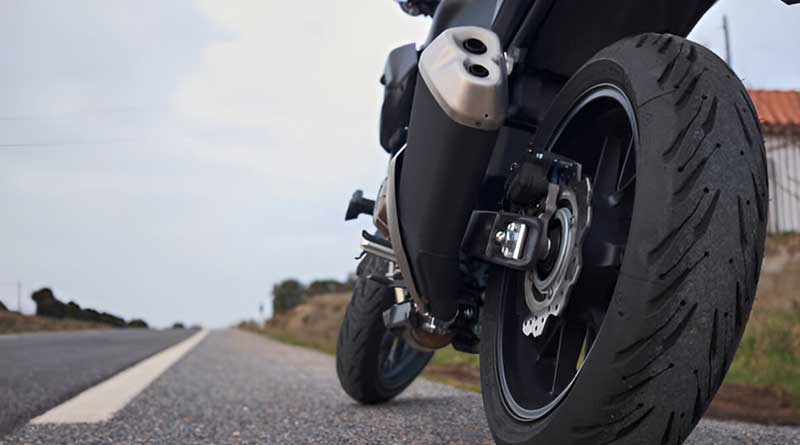
Rain or shine, heat or cold—if you ride year-round, you need all-weather motorcycle tires. These tires are designed to handle wet roads, dry pavement, and changing temperatures without losing grip. They use special rubber compounds and tread patterns that channel water away while staying flexible in cooler weather. With the right set, you ride safer in any condition. Here’s our guide to the best all-weather motorcycle tires for dependable performance every day.
1. Michelin Pilot Street
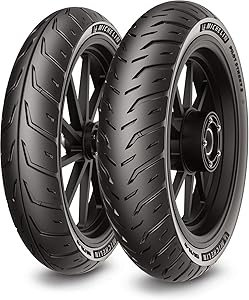
- Rim Size: 17 Inches
- Section Width: 110 Millimeters
- Load Capacity: 450 Pounds
- Speed Rating: S
If you are navigating chaotic city streets on a daily basis, this rubber is designed to handle the urban grind without breaking a sweat. It brings dependable stability to smaller-displacement bikes, ensuring you can lean into corners with a bit more confidence during your morning commute. The deep grooves handle wet pavement efficiently, keeping you grounded when a sudden downpour tries to ruin your day.
Longevity is the name of the game here, as the tread compound resists premature squaring off even after miles of straight-line riding. While it will not transform your lightweight ride into a track weapon, it delivers predictable manners and reliable grip where you need it most. It is a practical, no-nonsense choice for riders who value daily utility over aggressive, knee-dragging performance.
Pros:
- Great wet-weather water evacuation
- Durable compound for daily commuting
- Predictable handling characteristics
Cons:
- Low speed rating not meant for fast highway cruising
- Limited performance on larger sportbikes
2. Dunlop Sportmax GPR-300
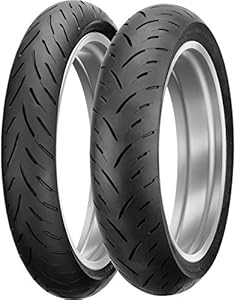
- Tire Aspect Ratio: 70.0
- Rim Size: 17 Inches
- Speed Rating: W
- Tread Depth: 5 32nds
This sport tire targets riders who want agile handling without draining their bank accounts for a weekend canyon carve. It warms up relatively quickly, offering a reassuring sense of grip right out of the garage so you can enjoy nimble steering responses immediately. The profile encourages quick transitions from side to side, making tight twists and technical backroads a whole lot more entertaining.
While the spec sheet shows a quirky load capacity calculation, this tire is fundamentally built for lightweight to middleweight sport machines seeking balanced performance. It strikes a fine middle ground between aggressive cornering grip and decent commuter mileage, making it a favorite for budget-conscious riders. Just do not expect it to haul heavy touring loads across the continent.
Pros:
- Very nimble and quick steering transitions
- Fast warm-up time in normal conditions
- Highly budget-friendly sport performance
Cons:
- Listed load capacity is unusually low
- Tread wears quickly under highly aggressive riding
See the Dunlop Sportmax GPR-300
3. Pirelli Night Dragon

- Section Width: 5.1 Inches
- Load Index: 65.00
- Speed Rating: H
- Tread Type: Directional
Cruiser riders who are tired of loose, vague handling when twisting the throttle will find a lot to like with this aggressive option. Engineered specifically to handle the massive torque of heavy V-twins, it keeps your bike glued to the tarmac when accelerating hard out of corners. The directional pattern gives a custom look while keeping the contact patch stable under pressure.
It rejects the old notion that cruiser tires have to feel lazy and heavy when entering a sharp bend. Instead, it injects a welcome dose of sporty feedback into heavy custom bikes and baggers, making the whole riding experience feel sharper. It is a performance-first cruiser tire that prioritizes traction over pure high-mileage endurance.
Pros:
- Excellent traction under heavy V-twin acceleration
- Sportier handling characteristics for heavy cruisers
- Aggressive, stylish directional tread pattern
Cons:
- Shorter tread life than high-mileage touring tires
- Mix of metric and imperial spec measurements
4. Dunlop D404 [Front]
![Dunlop D404 [Front]](https://m.media-amazon.com/images/I/51T5CIz5SaS._AC_SL300_.jpg)
- Size: 100/90-19
- Rim Size: 19 Inches
- Maximum Pressure: 57 Pound per Square Inch
- Speed Rating: H
A traditional choice for classic cruisers, this front option brings a predictable and time-tested feel to your front end. It is built to replicate the riding dynamics of vintage machinery, offering straightforward tracking on long, straight highways and gentle sweeping roads. The compound focuses heavily on evening out tread wear so you can enjoy a smooth ride over many miles.
The tread design is built to bias toward stability rather than extreme lean angles, fitting right in with relaxed cruising mentalities. It handles grooved pavement and highway seams without feeling overly twitchy, keeping your hands relaxed on the bars. It remains a reliable staple for keeping older or traditional metric cruisers moving down the road.
Pros:
- Very stable tracking on straight highways
- Well-suited for classic and metric cruiser geometry
- Long-lasting tread compound minimizes frequent replacements
Cons:
- Not designed for aggressive sport-touring corners
- Tread type designation can be somewhat ambiguous
5. MICHELIN Commander III [Rear]
![MICHELIN Commander III [Rear]](https://m.media-amazon.com/images/I/51w8O0wRSlL._AC_SL300_.jpg)
- Tread Depth: 6 Millimeters
- Load Index: 81
- Load Capacity: 1019 Pounds
- Tread Type: Directional
This heavy-duty rear tire is built for the long haul, targeting touring riders who live to pack bags and disappear for weeks. It boasts an incredible load capacity that handles a fully loaded bagger, passenger, and gear without showing signs of stress. The directional tread features a high-density compound formulated to deliver class-leading mileage before needing a swap.
Wet weather performance gets a serious boost here, giving you peace of mind when crossing mountain passes during a storm. It tracks straight and true, resisting the urge to follow road grooves, which reduces rider fatigue over long days in the saddle. It is a premium investment for serious mileage junkies.
Pros:
- Massive load capacity for fully loaded touring
- Exceptional tread longevity over long distances
- Reassuring grip on wet and slick asphalt
Cons:
- Higher price point than basic cruiser options
- Ride can feel quite firm when unladen
See the MICHELIN Commander III [Rear]
6. Pirelli Diablo Rosso II [Rear]
![Pirelli Diablo Rosso II [Rear]](https://m.media-amazon.com/images/I/71I8dqF1OML._AC_SL300_.jpg)
- Size: 180/55ZR17
- Load Index: 73
- Speed Rating: W
- Tread Depth: 7 32nds
If your weekends revolve around finding the twistiest roads in the county, this rear sport option wants to be your companion. It utilizes a dual-compound zone that places high-grip rubber on the shoulders for massive cornering confidence and harder rubber down the center. This layout means you can drive hard out of corners without instantly squaring off the tire.
The carcass structure offers great feedback, letting you feel exactly how much traction you have left while leaning deep into a turn. It is designed for high-performance street sportbikes that demand quick responses and stable mid-corner behavior. It trades away long-distance touring comfort to give you pure, unadulterated sports performance.
Pros:
- Dual-compound design balances grip and longevity
- Exceptional cornering traction at high lean angles
- High speed rating matches modern sportbikes
Cons:
- Dislikes cold or icy road surfaces
- Total mileage life is limited compared to sport-touring tires
See the Pirelli Diablo Rosso II [Rear]
7. Pirelli Angel ST

- Tire Aspect Ratio: 70.0
- Load Index: 58
- Speed Rating: ZR
- Tread Type: Directional
Sport-touring riders want it all: agility, wet grip, and the ability to cross state lines without wearing the center down to the cords. This option delivers exactly that balance by offering a profile that feels sporty without being twitchy on the highway. The directional tread works hard to clear water away, ensuring your road trip does not stop for rain.
It adapts beautifully to changing temperatures, giving you reliable grip on chilly mornings and hot afternoons alike. It serves as an excellent upgrade for riders who want to add a bit of sportiness to their daily commuter or touring machine. It is a well-rounded road warrior through and through.
Pros:
- Excellent versatile performance across sport and touring
- Confident water dispersal in wet conditions
- Consistent grip across a wide temperature range
Cons:
- Will not match pure track-day tires for extreme grip
- Front and rear sizes must be matched carefully
8. Dunlop D404 [Rear]
![Dunlop D404 [Rear]](https://m.media-amazon.com/images/I/51nlluk9w-L._AC_SL300_.jpg)
- Rim Size: 15 Inches
- Tread Type: Symmetrical
- Load Capacity: 908 Pounds
- Rim Width: 17 Millimeters
Designed to hold up the back end of substantial cruiser motorcycles, this rear tire brings a classic symmetrical look and dependable performance. It features a hefty load capacity that easily supports the weight of heavy cruiser frames along with an extra passenger. The bias-ply construction is tuned to absorb harsh bumps, delivering a plush and forgiving ride quality.
It keeps things straightforward with a tread pattern that tracks cleanly and resists the wandering feeling common on grooved highways. While it skips the fancy multi-compound tech found on pricier tires, it focuses on delivering predictable behavior and steady mileage. It is a solid, classic workhorse for relaxed open-road cruising.
Pros:
- Plush ride quality over bumpy road surfaces
- Symmetrical pattern provides uniform wear characteristics
- High load capacity easily handles cruiser weights
Cons:
- 15-inch rim fitment is highly specific to certain bikes
- Slower steering response compared to modern radial designs
9. Dunlop D402 [Front]
![Dunlop D402 [Front]](https://m.media-amazon.com/images/I/61ZkQYUGaoL._AC_SL300_.jpg)
- Tire Aspect Ratio: 40
- Load Index: 90.0
- Tread Depth: 5 32nds
- Section Width: 5 Inches
Specifically built for large touring rigs, this heavy-duty front option is engineered to handle massive front-end weight with total composure. The unique aspect ratio and profile provide a stable footprint that keeps big touring bikes tracking dead straight at highway speeds. It features a robust internal construction to resist the uneven cupping wear that plagues heavy tourers.
The directional grooves work continuously to channel water out of the way, giving you solid feedback when braking in wet conditions. It offers a very stable, deliberate steering feel that inspires confidence when maneuvering a massive bike through parking lots or traffic. It is built for stability and long-distance touring endurance.
Pros:
- Exceptionally high load index for heavy touring rigs
- Resists tread cupping under heavy front braking
- Solid, dependable tracking at high highway speeds
Cons:
- Very stiff carcass makes manual installation difficult
- Steering feel is heavy and deliberate, not fast
10. Pirelli Diablo Rosso III

- Size: 110/70ZR17 160/60ZR17
- Speed Rating: W
- Tread Depth: 0.19 Inches
- Load Index: 1.00
This option brings racetrack-derived technology directly to the street, catering to aggressive sport riders who live for maximum cornering velocity. The lightning-bolt tread pattern looks sharp while ensuring there is plenty of slick rubber on the shoulders for deep lean angles. It transitions into corners with effortless speed, making your sportbike feel instantly more responsive.
Though the recorded load data seems a bit strange on paper, its real-world performance on mid-sized sportbikes is absolutely undeniable. It heats up very rapidly, allowing you to attack corners safely right from the start of your ride. It sacrifices total mileage to give you sticky, uncompromising cornering traction.
Pros:
- Rapid heat-up times for immediate cornering confidence
- Light, quick steering response into sharp bends
- Excellent dry grip levels mimicking track tires
Cons:
- Shallow initial tread depth limits overall lifespan
- Listed load index data appears highly irregular
See the Pirelli Diablo Rosso III
11. MICHELIN Road 6 [Rear]
![MICHELIN Road 6 [Rear]](https://m.media-amazon.com/images/I/61BZ1ByRDjL._AC_SL300_.jpg)
- Tread Type: Asymmetrical
- Tread Depth: 0.25 Inches
- Speed Rating: W
- Load Capacity: 800 Pounds
This premium rear tire is a tech-heavy masterpiece designed for all-weather sport-touring riders who refuse to let rain stop their journeys. It uses an innovative asymmetrical design alongside advanced siping technology to slice through standing water like a knife. The wet-weather traction is industry-leading, giving you sports-car levels of confidence when the roads turn into rivers.
Even with its incredible wet grip, it manages to deliver spectacular mileage thanks to high-tech silica compounds in the center tread. It tracks smoothly through corners, offering a progressive lean feel that never surprises the rider. It sits at the top tier of all-weather street tires for modern motorcycles.
Pros:
- Industry-leading grip on wet and slippery roads
- Great tread life despite high traction levels
- Progressive and smooth cornering feel
Cons:
- Premium pricing requires a larger upfront investment
- Asymmetrical styling looks distinct and unconventional
See the MICHELIN Road 6 [Rear]
12. Continental ContiMotion [Front]
![Continental ContiMotion [Front]](https://m.media-amazon.com/images/I/51n4JXevaAL._AC_SL300_.jpg)
- Rim Size: 17 Inches
- Maximum Pressure: 42 Pound per Square Inch
- Load Capacity: 739 Pounds
- Tread Type: Directional
If you need to refresh your sport-touring machine’s front end without emptying your wallet, this wallet-friendly option steps up to the plate. It provides basic, predictable handling that does exactly what you expect during daily commutes and casual weekend rides. The directional tread works well to clear water away, ensuring a stable front contact patch.
It focuses heavily on offering solid value, giving riders a reliable entry point into radial tire performance without the premium cost. The ride is comfortable and absorbs daily road imperfections well, making it an excellent match for budget-focused commuters. It is a practical, dependable tire that gets the everyday job done.
Pros:
- Highly affordable entry into radial sport-touring tires
- Predictable, safe handling for daily commuting
- Comfortable ride quality on imperfect city roads
Cons:
- Lacks the extreme grip of top-tier sport tires
- Tread wears faster when pushed hard on heavy bikes
See the Continental ContiMotion [Front]
13. Shinko 777 [Front]
![Shinko 777 [Front]](https://m.media-amazon.com/images/I/51nEydd6BdL._AC_SL300_.jpg)
- Size: 100/90-19
- Tread Type: Symmetrical
- Maximum Pressure: 61 Pound per Square Inch
- Load Capacity: 908 Pounds
This front cruiser option hits a sweet spot for riders who want sticky grip on a budget, trading away extreme mileage for confidence-inspiring traction. The soft compound sticks to the road wonderfully, making your heavy cruiser feel much more planted when carving through tight, twisty canyons. The symmetrical design ensures consistent tracking and reliable braking performance.
It handles high inflation pressures well, allowing you to fine-tune your front-end feel depending on how heavily your bike is loaded. It is a fantastic choice for riders who care more about absolute grip and low initial cost than hitting high mileage numbers. It injects fun back into heavy cruiser handling.
Pros:
- Very sticky compound offers excellent cornering grip
- High maximum pressure capacity allows fine-tuning
- Budget-friendly price point for cruiser riders
Cons:
- Softer compound means faster overall tread wear
- Symmetrical pattern looks very basic and utilitarian
14. Michelin Commander II

- Tire Aspect Ratio: 65.0
- Load Index: 81.0
- Tread Depth: 0.25 Inches
- Load Capacity: 1000 Pounds
Legendary among long-distance cruiser enthusiasts, this tire built its massive reputation on delivering almost unbelievable tread longevity without sacrificing total safety. The dense carcass construction keeps the tire incredibly stable when pulling a heavy load down the interstate at cruising speeds. It resists flattening out in the center, maintaining its round profile over thousands of miles.
The deep initial tread depth means you can head out on cross-country road trips without worrying about tire wear mid-journey. It delivers a firm, stable ride that tells you exactly what is happening beneath your wheels at all times. It remains a legendary benchmark for pure cruising endurance.
Pros:
- Legendary tread life that outperforms basic cruiser tires
- Huge weight capacity handles heavy tourers easily
- Maintains a round profile over high highway mileage
Cons:
- Firm carcass transmits more road bumps to the rider
- Wet traction is good but eclipsed by newer versions
How to Choose All-Weather Motorcycle Tires
Choosing the right motorcycle tires is crucial to ensuring both safety and performance on the road. For riders who use their motorcycles year-round, regardless of the season or changing weather conditions, investing in all-weather motorcycle tires is a wise decision. These tires are specifically designed to perform well in diverse environments—hot, cold, wet, and dry—making them ideal for everyday commuting, touring, or adventure riding. But with so many options on the market, how do you select the best set for your needs?
This guide will walk you through the most important factors to consider when choosing all-weather motorcycle tires, including understanding tire types, tread design, rubber compounds, durability, performance ratings, and more.
1. Understanding What “All-Weather” Really Means
All-weather motorcycle tires are engineered to offer reliable grip, comfort, and safety in a wide range of conditions. Unlike summer or winter-specific tires, they strike a balance between soft and hard rubber compounds and incorporate tread patterns that handle both wet and dry surfaces effectively.
However, it’s important to distinguish between “all-weather” and “all-season” tires. While both are versatile, all-weather tires are usually better suited for extreme conditions like heavy rain, light snow, or sudden temperature shifts. If you’re riding in an area with mild winters, all-weather tires can potentially replace the need for seasonal tire swaps.
2. Know Your Riding Style and Usage
Your riding habits significantly impact the type of tire you should choose. Ask yourself the following:
- Do you ride daily or occasionally?
- Do you primarily ride in urban settings, highways, or off-road?
- Do you encounter wet roads, snow, or muddy surfaces frequently?
- Do you prefer aggressive cornering or a smooth touring experience?
For instance, a commuter in a rainy city will need different tire characteristics than a weekend adventure rider. Understanding your riding style helps narrow down the options to what truly suits your needs.
3. Tread Pattern: The Backbone of Performance
Tread design plays a crucial role in how a tire handles different weather conditions:
- Deep grooves and siping allow water to be dispersed efficiently, preventing hydroplaning.
- Blocky or knobby patterns provide better traction on dirt or snow-covered roads.
- Slicker or less aggressive treads are optimized for dry pavement and performance riding.
For all-weather riding, look for tires with multi-directional sipes and moderate tread depth, offering a balance of water displacement and dry grip. Radial symmetry in tread design can also improve stability in mixed weather conditions.
4. Rubber Compounds: The Science of Grip
Tire rubber hardness affects grip and wear:
- Soft compounds offer excellent traction but wear out faster, especially in hot climates.
- Hard compounds last longer but may not perform as well in wet or cold conditions.
All-weather motorcycle tires typically use a dual or multi-compound construction, where the center is harder for durability, and the sides are softer for enhanced cornering grip. This configuration offers long-lasting performance across different riding scenarios.
5. Tire Construction: Bias-Ply vs. Radial
Motorcycle tires come in two major constructions:
- Bias-ply tires feature layers of fabric crisscrossing over each other, providing strong sidewalls and load capacity—suitable for cruisers and touring bikes.
- Radial tires use cords arranged at 90 degrees to the direction of travel, offering better heat dissipation and grip at higher speeds—ideal for sport bikes and performance riders.
For most all-weather needs, radial tires are often preferred due to their superior handling and temperature adaptability. However, for heavier touring bikes, bias-ply options may still be appropriate.
6. Size and Fitment: Always Match Manufacturer Recommendations
It might seem obvious, but always choose tires that match your motorcycle’s OEM (Original Equipment Manufacturer) specifications. These include:
- Tire width
- Aspect ratio
- Rim diameter
- Load and speed ratings
Installing the wrong size tire can lead to handling issues, reduced braking performance, and even safety hazards.
Check your owner’s manual or consult with a trusted mechanic to confirm compatibility before purchasing.
7. Wet Weather Performance and Aquaplaning Resistance
One of the key reasons to invest in all-weather tires is their performance in wet conditions. Good all-weather tires feature:
- Silica-infused rubber compounds for improved wet grip.
- Wider circumferential grooves to channel water away.
- Micro-siping for extra biting edges in light snow or rain.
These features combine to provide better traction, shorter braking distances, and increased confidence during downpours.
8. Cold Weather Readiness
Unlike regular tires that harden and lose grip in low temperatures, quality all-weather tires remain pliable in the cold. While they’re not a substitute for full winter tires in harsh snow, they are suitable for temperatures down to about 0°C (32°F) and can manage light snowfall or icy patches better than typical summer tires.
If you live in areas with sudden winter spells or moderate snowfall, all-weather tires can eliminate the need for seasonal switching while maintaining safety.
9. Durability and Mileage
All-weather tires are built to withstand a variety of road surfaces and environmental stresses, making them generally more durable than weather-specific alternatives. Look for:
- Treadwear ratings
- Warranty coverage
- Reinforced sidewalls
- Puncture-resistant layers
Leading brands offer tires that last between 8,000 to 15,000 miles, depending on usage and maintenance. Regular inspections and proper inflation are essential to maximize tire life.
10. Brand Reputation and User Reviews
Stick to reputable manufacturers that are known for quality control and innovation in tire design. Some top-rated brands for all-weather motorcycle tires include:
- Michelin (e.g., Road 6)
- Pirelli (e.g., Angel GT)
- Metzeler (e.g., Roadtec 01 SE)
- Bridgestone (e.g., Battlax T32)
- Continental (e.g., ContiRoad or ContiMotion)
Online user reviews and professional tests can give you real-world insights into tire performance in different climates and terrains.
11. Price vs. Performance Balance
While all-weather tires can be more expensive than single-season ones, the cost-per-mile tends to be lower due to year-round usage and reduced need for seasonal replacements. Avoid going for the cheapest option, as poor quality tires can compromise both safety and durability.
That said, there are mid-range options that offer excellent value without sacrificing key performance metrics.
Final Thoughts
Choosing the best all-weather motorcycle tires is about balancing your specific riding needs with tire features like tread design, compound quality, and construction type. Whether you’re a daily commuter, long-distance tourer, or an all-year adventure seeker, the right set of tires can dramatically enhance your riding experience while ensuring your safety in every season.
Before making a purchase, take time to read reviews, talk to local mechanics or fellow riders, and assess your usual riding conditions. With the right choice, you’ll be ready to face the road—come rain, shine, or snow—with confidence.