Best Carbon MTB Handlebars of 2026
Choosing the right handlebars can change how your mountain bike feels on every ride. Carbon MTB handlebars are popular for their strength and light weight. They help reduce vibration on rough trails. This makes long rides more comfortable. Good handlebars also improve control and steering accuracy. They come in different widths, rises, and shapes. Each option suits a different riding style. In this article, we review the best carbon MTB handlebars. We focus on comfort, durability, performance, and value. Our guide helps riders choose the right bar for their trails.
1. RXL SL Full Carbon Fiber MTB Handlebars

- Material: T700 Full Carbon Fiber, UD Matte finish.
- Clamp Diameter: 31.8mm; Bar End Diameter: 22.2mm.
- Geometry: Riser version: 18mm rise, 8° backsweep, 3° upsweep. Flat version: 5° backsweep, 0° upsweep.
- Torque Specification: Install with 4Nm maximum tightening torque.
This handlebar represents a significant upgrade from standard aluminum alloy options, primarily through its use of T700 carbon fiber. The material claims are impressive, promising a lighter weight, stronger, and more shock-absorbent bar that can instantly elevate a bike’s performance and aesthetics. The ergonomic design is intended to provide efficient leverage and control for the front end, making steering inputs feel precise and connected.
Installation requires careful attention, which is a crucial point for carbon components. The manufacturer strongly emphasizes using a torque wrench and adhering to the 4Nm limit to avoid creating cracks from overtightening. The inclusion of both riser and flat geometry specs suggests a versatile product, but the lack of stated width options in the provided info is a notable omission for buyers trying to choose the right fit for their riding style.
- Pros: High-quality T700 carbon construction; Lighter and stronger than aluminum.
- Cons: Requires precise, low-torque installation; Specific widths not listed in key specs.
2. RXL SL Carbon Handlebars (Flat Bar)
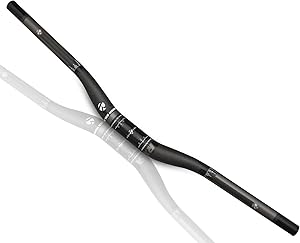
- Material: High-strength carbon fiber with anodized finish.
- Type: Flat handlebar for an upright riding position.
- Clamp Diameter: 31.8mm (must match stem).
- Key Features: Stiff, lightweight, non-slip, and excellent shockproofing.
The RXL SL Carbon Flat Bar is marketed heavily towards rider comfort and control. Its design promotes an upright riding posture, which the manufacturer states reduces stress on the back, arms, and neck. This makes it an appealing option for recreational riders, commuters, or those seeking a more comfortable cockpit setup. The flat profile also simplifies the mounting of accessories and provides ample space for hand positioning.
These handlebars are described as being easy to control, even for beginners, due to the increased handgrip a flat bar offers. The carbon fiber construction aims to provide a firm, responsive feel while filtering out trail buzz. However, the product description is quite generic and lacks specific technical data like sweep angles, width options, or weight, which makes direct comparison with other bars difficult for a detail-oriented buyer.
- Pros: Promotes a comfortable, upright riding posture; Good for beginners.
- Cons: Lacks specific geometry details (sweep, width); Generic product description.
3. RXL SL Carbon Handlebars (Alternate Model)

- Material: High-strength carbon fiber with anodized finish.
- Type: Flat mountain bike handlebar.
- Clamp Diameter: 31.8mm.
- Key Benefit: Designed for easy control and a comfortable upright position.
This entry appears to be another variant of the RXL SL flat carbon bar, with an identical textual description to product #2 but a different product image and ASIN. It reiterates the core benefits of a carbon flat bar: a lightweight and stiff structure that provides shock absorption for safety and comfort. The emphasis is again on achieving an upright riding position to alleviate strain on the rider’s body during long or rough rides.
The description mentions good flexibility and ease of exerting force, which seems contradictory to claims of “maximum firmness” and “stiffness” made elsewhere. This ambiguity could confuse buyers about the actual ride feel. As with the previous model, the critical omission is any specific measurement for width, backsweep, or upsweep, leaving potential customers to guess about the fit and handling characteristics of the bar.
- Pros: Carbon fiber construction for weight savings and damping; Aims to reduce rider fatigue.
- Cons: Specifications are vague and repetitive; No listed width or sweep angles.
4. Yccyctrek Carbon Fiber MTB Handlebars

- Options: Available in 3K Glossy or Matte, Flat or Riser (18mm rise).
- Sizes: Multiple widths from 680mm to 760mm (Riser up to 760mm).
- Geometry: Riser: 8° backsweep, 3° upsweep. Flat: 5° backsweep, 0° upsweep.
- Installation: 4Nm torque (5Nm max), use of carbon grip paste recommended.
The Yccyctrek handlebar stands out for providing a very clear and comprehensive set of specifications. Offering both flat and riser styles in a wide range of widths and two finishes, it gives riders the ability to fine-tune their cockpit choice. The detailed geometry specs allow for an informed decision based on preferred sweep and rise, which directly impacts comfort and control. The carbon fiber is touted to absorb high-frequency vibration while handling larger impacts.
A strong focus is placed on proper installation, with explicit torque values and the smart recommendation to use carbon assembly paste to prevent slippage without overtightening. The review distinguishes between the flat bar’s “flexible” control for speed and the riser’s “stable” feel. This level of detail inspires more confidence than vaguer listings, making it a serious contender for riders who value specific fit.
- Pros: Extensive width and style options; Clear geometry specifications.
- Cons: Brand is less established.
5. PNW Components The Loam Carbon Handlebar

- Construction: Premium pre-preg UD Carbon with Patent Pending CBD Layup.
- Durability Rating: Strong enough for e-bikes and Downhill (DH) riding.
- Geometry: 5° Upsweep, 10° Backsweep.
- Brand: PNW Components, a well-regarded aftermarket brand.
PNW Components enters the carbon handlebar market with The Loam Bar, making a bold statement on durability. The “CBD Layup” (presumably Control, Balance, Damping) is a patented process aimed at optimizing strength and ride quality, and the bar is explicitly rated for the high stresses of e-bike and downhill use. This gives it instant credibility for aggressive trail, enduro, and e-mtb riders seeking a reliable carbon option.
The geometry is distinctly modern, with a 10° backsweep and 5° upsweep designed for a comfortable, neutral wrist position in aggressive riding stances. The listing is concise and lacks typical marketing fluff, focusing instead on key, verifiable engineering claims. The major drawback for buyers is the lack of provided information on width options, rise, or clamp diameter, requiring them to seek out the full specs from the manufacturer’s website or other listings.
- Pros: Premium brand with strong reputation; Rated for demanding e-bike/DH use.
- Cons: Provided info lacks critical specs (width, rise, clamp diameter).
6. RXL SL Carbon MTB Handlebar (Wide Variant)

- Sizes: Available in wide lengths from 760mm to 820mm for both Flat and Riser.
- Riser Geometry: 25mm rise, 9° backsweep.
- Flat Geometry: 15mm rise, 9° backsweep.
- Installation: Torque value of 4Nm (5Nm max), use of carbon paste suggested.
This RXL SL model caters to the modern trend toward wider handlebars, offering substantial widths up to 820mm for both riser and flat styles. The geometry is interesting, featuring a consistent 9° backsweep across types but different rises (25mm vs 15mm), allowing riders to choose based on their need for cockpit height. The wide profile promises greater control and stability on technical descents, which is a key selling point for trail and enduro enthusiasts.
The product description blends generic comfort claims with these more useful specific numbers. It includes some of the best installation advice in the list, explaining a practical tightening procedure and recommending carbon paste. However, the upsweep angle is conspicuously absent from the listed specs, which is an important comfort metric. The very wide sizes may also require cutting down to fit smaller riders or specific preferences.
- Pros: Offers modern, very wide handlebar options; Clear rise and backsweep specifications.
- Cons: Does not list upsweep angle; Extreme widths may not suit all riders or XC disciplines.
7. DELVOYE MTB Handlebar

- Size Range: Extensive width options from 580mm to 760mm.
- Material: 100% Pure Carbon Fiber.
- Clamp Diameter: 31.8mm; Bar End: 22.2mm.
- Compatibility: For MTB, BMX, Downhill, Cross-Country, Freeride.
The DELVOYE handlebar’s most notable feature is its exceptionally broad range of width options, catering to everyone from cross-country riders preferring narrow bars (580mm) to downhillers seeking wide control (760mm). This versatility is a significant advantage, allowing a precise fit based on riding style and body size. The manufacturer provides sensible advice, noting that handlebar width is a personal choice related to terrain, not just wheel size.
It makes the standard carbon fiber claims of being lighter, stronger, and more vibration-dampening than aluminum. The handlebar is described as ergonomic and non-slip for better control. However, the listing fails to provide any information about sweep angles (backsweep/upsweep) or rise, which are critical to how the bar actually feels in the rider’s hands. This omission makes it difficult to assess its ergonomic fit despite the good width selection.
- Pros: Unusually wide range of width choices; Clearly explains width selection based on riding style.
- Cons: No sweep or rise angles provided in specs.
How to Choose Carbon MTB Handlebars
Mountain biking demands precision, control, and comfort, and one of the most important contact points between rider and bike is the handlebar. Carbon MTB handlebars have become increasingly popular due to their lightweight nature, vibration-damping qualities, and sleek appearance. However, choosing the right carbon handlebar is not as simple as picking the lightest one on the shelf. Several technical and personal factors must be considered to ensure performance, safety, and comfort. This guide will walk you through everything you need to know before buying carbon MTB handlebars.
Understanding Carbon MTB Handlebars
What Are Carbon MTB Handlebars?
Carbon MTB handlebars are made from carbon fiber composites instead of traditional aluminum or steel. Carbon fibers are layered and molded to create a structure that is both strong and lightweight. The material allows manufacturers to tune stiffness and flex in specific areas, which is especially beneficial for mountain biking where terrain can be rough and unpredictable.
Why Choose Carbon Over Aluminum?
Compared to aluminum handlebars, carbon options are generally lighter and better at absorbing trail vibrations. This can reduce hand and arm fatigue on long rides. Carbon also does not permanently deform like aluminum; instead of bending, it tends to fail suddenly, which is why quality and correct installation are crucial. While carbon handlebars are usually more expensive, many riders feel the performance benefits justify the cost.
Handlebar Width and Rider Control
Importance of Handlebar Width
Handlebar width has a significant impact on bike control and riding posture. Wider bars offer more leverage, making it easier to control the bike on technical descents and rough trails. Narrower bars, on the other hand, can feel more agile and are sometimes preferred for tight trails or riders with smaller shoulders.
How to Choose the Right Width
Most modern MTB handlebars range from 740mm to 800mm or more. A good starting point is to choose a width that roughly matches your shoulder width plus a few extra centimeters for leverage. Many carbon handlebars can be trimmed, but you should only cut them within the manufacturer’s specified limits to avoid compromising strength.
Rise, Sweep, and Geometry
Handlebar Rise Explained
Rise refers to how much the handlebar lifts upward from the center clamp area. A higher rise can provide a more upright riding position, which may be more comfortable for trail and all-mountain riders. A lower rise promotes an aggressive, forward-leaning position, often preferred by cross-country racers.
Backsweep and Upsweep
Backsweep is the angle at which the handlebar bends back toward the rider, while upsweep is the upward angle of the grips. These angles affect wrist alignment and comfort. A backsweep of 7–9 degrees is common and suits most riders, while upsweep typically ranges from 4–6 degrees. Choosing the right sweep helps reduce wrist strain and improves overall control.
Diameter and Compatibility
Clamp Diameter Options
Carbon MTB handlebars usually come in clamp diameters of 31.8mm or 35mm. The 31.8mm standard offers a bit more flex, which can enhance comfort, while 35mm bars are generally stiffer and provide precise steering. Your choice should depend on your riding style and personal preference.
Stem and Component Compatibility
Before purchasing, ensure that your stem is compatible with the handlebar’s clamp diameter. Also check compatibility with controls like shifters, brakes, and grips. Carbon bars often require specific torque settings and may need carbon assembly paste to prevent slipping without overtightening.
Strength, Durability, and Safety
Understanding Strength Ratings
Reputable manufacturers test carbon handlebars to meet specific safety standards. Look for bars that are certified for your riding discipline, whether it’s cross-country, trail, enduro, or downhill. Each discipline places different stress levels on the handlebar.
Proper Installation and Maintenance
Carbon handlebars must be installed carefully using a torque wrench. Over-tightening can crush the carbon fibers, while under-tightening may cause slipping. Regularly inspect your handlebar for cracks, unusual noises, or surface damage, especially after a crash. Even minor damage can compromise structural integrity.
Weight vs. Performance
Does Lighter Always Mean Better?
While carbon handlebars are known for being lightweight, chasing the lowest possible weight is not always the best idea. Extremely light bars may sacrifice durability or stiffness. For most riders, a balance between weight, strength, and comfort is more important than saving a few grams.
Matching the Bar to Your Riding Style
Cross-country riders may prioritize weight savings, while trail and enduro riders should focus more on strength and vibration damping. Downhill riders typically need the strongest bars available, even if they weigh slightly more. Always choose a handlebar designed for your specific type of riding.
Price and Brand Considerations
Understanding the Price Range
Carbon MTB handlebars can vary widely in price. Higher prices often reflect better materials, advanced manufacturing processes, and extensive testing. However, that doesn’t mean you need the most expensive option. Many mid-range carbon bars offer excellent performance and reliability.
Choosing a Trusted Brand
Stick to well-known brands with a strong reputation in mountain biking. Trusted manufacturers provide clear specifications, warranty support, and safety testing information. Avoid unbranded or suspiciously cheap carbon handlebars, as poor-quality carbon can be dangerous.
Final Thoughts
Choosing the right carbon MTB handlebars is a combination of understanding technical specifications and knowing your own riding needs. Factors such as width, rise, sweep, clamp diameter, and strength rating all play a role in comfort and control on the trail. While carbon handlebars offer excellent vibration damping and weight savings, they require careful installation and regular inspection to remain safe and effective. By balancing performance, durability, and budget—and by choosing a reputable brand—you can confidently select carbon MTB handlebars that enhance your riding experience and help you perform at your best on any terrain.