Best Budget Motorcycle Tires of 2025
Finding the right motorcycle tires on a budget can be tricky. You want good quality without spending too much. Tires affect your bike’s grip, comfort, and safety. The right set can improve performance and make rides smoother. Budget tires don’t mean poor quality. Many affordable options offer great value and long-lasting performance. In this article, we’ll guide you through the best budget motorcycle tires. We’ll look at features, durability, and what makes them stand out. Whether you ride daily or occasionally, there’s something for you. We’ll help you choose tires that match your bike and riding style. Let’s find the perfect balance between price and performance.
1. Dunlop D404 Rear 130/90-16 67H
- Tire Size: 130/90-16
- Load Index: 67 (Max load: 677 lbs)
- Speed Rating: H (Up to 130 mph)
- Construction: Bias-ply
The Dunlop D404 is designed for cruiser riders looking for a solid mix of performance, durability, and comfort. It delivers smooth handling and a predictable grip across varying road surfaces. Thanks to its bias-ply construction, it enhances load-carrying capacity and shock absorption, making it ideal for long-distance rides. The specially formulated compound offers a balance between grip and tread life.
This rear tire performs well in both wet and dry conditions, providing consistent contact with the road. While it’s not built for aggressive sport riding, it’s more than capable for daily use and touring. The wide tread pattern also assists in channeling water away, improving wet-weather handling and safety.
Pros:
- Good grip and stability
- Long-lasting tread
- Excellent shock absorption
- Reliable for touring and daily rides
Cons:
- Not suitable for high-performance sports bikes
- Road noise can increase with wear
2. Shinko SR777 HD Black Wall Bias Front Tire – 120/70-21 68V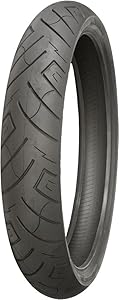
- Tire Size: 120/70-21
- Load Index: 68 (Max load: 694 lbs)
- Speed Rating: V (Up to 149 mph)
- Reinforced carcass for heavy motorcycles
The Shinko SR777 HD is built for heavyweight motorcycles and offers enhanced durability and stability. With a reinforced carcass, it stands up to the extra load and provides excellent traction on both dry and slightly wet roads. It fits perfectly with cruisers and custom bikes, especially those looking for a tall front profile.
Riders appreciate the way this tire handles under weight, especially when touring with a passenger or loaded gear. Its tread pattern is optimized for even wear and provides a smooth, comfortable ride. Though performance in heavy rain isn’t its strongest suit, it holds up well under most conditions.
Pros:
- Strong build for heavy bikes
- Stable and smooth ride
- Looks great on custom builds
- Even tread wear
Cons:
- Limited performance in wet conditions
- Slightly stiff when cold
3. MMG Tire 130/70-18 Rear Street Sport Touring Motorcycle – Tubeless 63P
- Tire Size: 130/70-18
- Load Index: 63 (Max load: 600 lbs)
- Speed Rating: P (Up to 94 mph)
- Type: Tubeless, bias-ply construction
MMG’s 130/70-18 rear tire is a budget-friendly option tailored for street and sport touring motorcycles. It delivers solid performance for urban commuting and light touring. Its tubeless design makes installation easier and helps minimize the risk of pinch flats. The tread pattern is engineered for balanced traction in both dry and light wet conditions.
While not a high-speed performer, this tire is ideal for riders looking for reliability on a budget. The compound wears evenly and offers enough grip for everyday use. The MMG tire may not be flashy, but it’s a dependable and affordable workhorse for casual riders.
Pros:
- Economical price point
- Easy tubeless installation
- Good for light touring and commuting
- Durable tread life
Cons:
- Limited wet grip performance
- Lower speed rating
4. Continental ContiMotion Sport/Touring Motorcycle Tire Front 120/70-17
- Tire Size: 120/70-17
- Speed Rating: W (Up to 168 mph)
- Construction: Radial
- Purpose: Sport touring
The Continental ContiMotion is a sport-touring front tire that combines excellent value with high-speed capabilities. Designed with a radial construction, it provides superior stability and comfort, especially during high-speed cornering and longer rides. It’s best suited for riders who want sporty handling without sacrificing touring durability.
Its silica-infused compound offers outstanding wet traction, making it a safe choice for unpredictable weather. Riders praise its consistent grip, long tread life, and smooth ride quality. Whether you’re commuting or taking a spirited ride on twisty roads, the ContiMotion doesn’t disappoint.
Pros:
- High-speed stability
- Great wet traction
- Excellent value for sport-touring
- Smooth ride and handling
Cons:
- Slightly noisy over time
- May wear faster under aggressive riding
5. Shinko 777 Front H.D. Motorcycle Tire 130/90B-16 (73H) Black Wall
- Tire Size: 130/90B-16
- Load Index: 73 (Max load: 805 lbs)
- Speed Rating: H (Up to 130 mph)
- Heavy-duty bias-ply construction
This Shinko 777 H.D. front tire is purpose-built for heavy cruiser motorcycles. Its robust construction and deep tread grooves ensure a comfortable and controlled ride. Designed with longevity and strength in mind, this tire performs well under heavy loads, making it perfect for touring setups.
Its performance remains steady across various road surfaces, and it handles corners confidently for a tire in its category. The black wall adds a classic touch to cruiser aesthetics. While not a sport tire, it meets the expectations of those looking for comfort, durability, and dependable traction.
Pros:
- Ideal for heavy cruisers
- Deep tread for longevity
- Smooth ride on highways
- Classic black wall look
Cons:
- Limited grip on very wet surfaces
- Heavier feel in low-speed maneuvers
6. Kenda Kruz K673 Motorcycle Street Rear Tire – 170/80H-15
- Tire Size: 170/80-15
- Speed Rating: H (Up to 130 mph)
- Load Range: Bias-ply, 6-ply rated
- Designed for cruisers and touring bikes
The Kenda Kruz K673 is an affordable cruiser rear tire known for its long tread life and comfortable ride quality. It’s engineered for a smooth cruising experience and maintains consistent performance over thousands of miles. The tread design helps in improving traction and water dispersion, giving it decent performance in moderate rain.
Built with a 6-ply casing, it resists deformation under load and provides a stable ride. The Kruz excels in terms of value for money and is often preferred by budget-conscious touring riders who still demand reliability. Its reinforced build handles weight well without compromising comfort.
Pros:
- Long-lasting tread
- Strong 6-ply construction
- Good water evacuation
- Stable on highways
Cons:
- Not designed for high-speed sport handling
- Can feel firm on rough surfaces
7. Michelin Pilot Street Radial Rear Tire (130/70R-17)
- Tire Size: 130/70R-17
- Speed Rating: H (Up to 130 mph)
- Construction: Radial
- Best for: Commuting and light sport use
Michelin’s Pilot Street Radial is crafted for smaller sport bikes and daily commuters who want a mix of performance and durability. The radial design ensures excellent flexibility and contact with the road, offering superior grip in both dry and wet conditions. Its tread compound and groove pattern are designed to improve traction and enhance drainage.
This tire is a favorite for urban riders who need predictable cornering and responsive feedback. It’s not just about grip—it also offers impressive mileage for its class. Whether zipping through traffic or taking weekend joyrides, the Pilot Street Radial brings both fun and safety.
Pros:
- Strong wet and dry grip
- Reliable for city riding
- Long tread life
- Smooth and stable performance
Cons:
- Not suitable for high-performance sports
- Slight road noise at higher speeds
How to Choose the Best Budget Motorcycle Tires
Choosing the right motorcycle tires is one of the most critical decisions a rider can make. Tires affect not only your bike’s performance but also your safety, comfort, and fuel economy. For riders on a budget, the challenge becomes even greater—balancing cost without compromising on essential features like grip, durability, and ride quality. This guide will help you understand the key factors to consider when choosing the best budget motorcycle tires, so you get the best value for your money.
Why Motorcycle Tires Matter
Motorcycle tires are your only point of contact with the road. They absorb shocks, provide traction, and influence handling and braking. A poor-quality or worn-out tire can lead to loss of control, especially in wet or off-road conditions. Therefore, even if you’re shopping on a budget, it’s essential to be informed about the options available and what truly matters in a tire.
1. Know Your Motorcycle Type
Different motorcycles require different types of tires. Choosing the wrong type, even if it’s within budget, can reduce performance or damage your bike. Here are the basic categories:
-
Sport Bikes: Require high-performance tires with excellent grip for cornering at speed.
-
Cruisers & Touring Bikes: Need durable tires with comfort and long tread life for long-distance travel.
-
Adventure/Dual-Sport Bikes: Should be equipped with versatile tires that handle both pavement and off-road terrain.
-
Commuter/Mopeds: Focus on affordability, fuel economy, and daily use durability.
Always check your motorcycle’s manual for recommended tire sizes and specs.
2. Understand Tire Specs
Every motorcycle tire has information printed on its sidewall. A typical tire might be labeled like this: 120/70 ZR17 M/C (58W). Understanding this code helps you buy the right fit:
-
120 – Tire width in millimeters.
-
70 – Aspect ratio (sidewall height as a % of width).
-
ZR – Tire construction and speed rating.
-
17 – Rim diameter in inches.
-
M/C – Motorcycle tire.
-
58W – Load and speed rating.
For budget buyers, stick to the manufacturer’s recommended size to avoid irregular wear or handling issues.
3. Bias-Ply vs Radial: What’s Better for Budget?
-
Bias-Ply Tires: These are generally cheaper and are suitable for cruisers and some commuter bikes. They have a stiffer sidewall and good load-carrying capability.
-
Radial Tires: Offer better heat dissipation, grip, and performance at high speeds. They are more common on sport and touring bikes.
For budget-conscious riders, bias-ply tires can be a great choice if you’re not riding aggressively or at high speeds.
4. Tread Pattern and Compound
The tread pattern determines how well the tire grips the road, especially in wet conditions.
-
Slick or Semi-Slick: Designed for dry pavement and high-speed cornering (less suitable for wet or off-road).
-
Grooved/All-Weather: Offers better water dispersion, ideal for rain or mixed conditions.
-
Knobby Tread: Best for off-road and adventure bikes.
Rubber compound also matters:
-
Hard compound: Lasts longer but may provide less grip.
-
Soft compound: Offers superior grip but wears faster.
For budget tires, a medium or hard compound is preferable because of its longer life.
5. Longevity and Mileage
Budget doesn’t mean buying the cheapest tire available. Instead, look at cost-per-mile. A slightly more expensive tire that lasts twice as long will save you money in the long run.
-
Touring tires often last 10,000–20,000 miles.
-
Sport tires may wear out within 3,000–7,000 miles.
-
Commuter tires typically fall in between, offering 5,000–12,000 miles.
Always read user reviews and check for average mileage performance.
6. Performance in Weather Conditions
If you ride in varying climates or all year round, invest in tires with all-weather performance. Wet grip is especially critical for safety. Look for:
-
Siping patterns for water evacuation.
-
Silica compounds which maintain grip in the cold.
-
M+S (Mud and Snow) ratings if you occasionally ride in rough terrain or cold climates.
For fair-weather or occasional riders, dry-performance tires might be more budget-friendly.
7. Brand Matters—But Not Always
Well-known tire brands like Michelin, Pirelli, Bridgestone, and Dunlop offer premium quality, but they’re not always budget-friendly. However, many budget brands have stepped up their game, offering impressive performance at lower costs.
Recommended budget-friendly brands:
-
Shinko – Known for value and decent performance.
-
Kenda – Affordable with solid durability.
-
IRC – Great for scooters and light motorcycles.
-
Avon – A balance of price and touring capabilities.
Look for brands that offer a warranty or satisfaction guarantee—a good sign of quality control.
8. Tire Age: Don’t Buy Old Stock
Tires degrade with time, even if unused. A tire older than 5 years may have hardened rubber and micro-cracks. Always check the DOT code on the sidewall:
-
Example: DOT 2319 = Manufactured in the 23rd week of 2019.
Avoid buying tires older than 3 years, especially when on sale. Fresh rubber ensures better grip and safety.
9. Tube vs Tubeless Tires
-
Tubeless tires are more modern and offer better puncture resistance and lower rolling resistance.
-
Tube-type tires are common in older models or off-road bikes.
If your rim supports tubeless tires, you’ll often get more convenience and less maintenance in the long run—even on a budget.
10. Where to Buy Budget Motorcycle Tires
-
Online retailers (RevZilla, Amazon, Cycle Gear) offer deals, customer reviews, and return policies.
-
Local dealerships may offer installation packages or discounts on bundles.
-
Used tires are not recommended—you never know their internal condition.
Always factor in installation costs when comparing prices.
Final Tips: Get the Most from Your Budget Tire
-
Maintain Proper Air Pressure – Increases lifespan and safety.
-
Inspect Regularly – Check for cracks, wear, or embedded debris.
-
Avoid Overloading – Follow your bike’s load rating.
-
Ride Smoothly – Hard braking and acceleration wear tires faster.
Conclusion
Choosing the best budget motorcycle tires doesn’t mean settling for inferior quality. It means understanding your needs, knowing what features are non-negotiable, and shopping smart. With so many reliable budget options on the market, there’s no reason to sacrifice safety or performance. Make an informed decision, and your tires will repay you with miles of safe and enjoyable riding.