Best Budget Motorcycle Tires of 2026
If you love riding but don’t love high costs, budget motorcycle tires are a smart choice. They won’t always match the lifespan of premium options, but they offer solid grip, safe handling, and reliable performance for everyday riding—without breaking the bank. Whether you commute or ride for fun on weekends, affordable tires can still keep you safe. Here’s our guide to the best budget motorcycle tires for great value on a budget.
1. Pirelli Angel ST

- Size: 120/70ZR17 180/55ZR17
- Rim Size: 17 Inches
- Load Capacity: 520 Pounds
- Tread Type: Directional
The Pirelli Angel ST is a phenomenal sport touring tire designed for riders who demand longevity without sacrificing cornering performance. It adapts brilliantly to changing weather conditions, providing consistent grip and stability on both daily commutes and spirited weekend rides.
Its innovative directional tread pattern maximizes water dispersal, which significantly boosts rider confidence on wet pavement. This tire delivers a smooth, predictable ride quality that enhances overall handling and extends the lifespan of your motorcycle rubber.
Pros:
- Excellent wet weather traction
- Extended tread life for touring
Cons:
- Not ideal for aggressive track use
- Slightly stiffer ride than pure sport tires
2. Pirelli Diablo Rosso II [Rear]
![Pirelli Diablo Rosso II [Rear]](https://m.media-amazon.com/images/I/71I8dqF1OML._AC_SL300_.jpg)
- Size: 180/55ZR17
- Section Width: 180 Millimeters
- Load Index: 73
- Speed Rating: W
The Pirelli Diablo Rosso II Rear tire is engineered specifically for sportbikes and naked motorcycles that crave aggressive lean angles. Featuring a dual-compound architecture, it provides an optimal blend of high mileage in the center and exceptional grip on the shoulders.
This tire warms up rapidly, offering immediate feedback and stability when powering out of tight corners. The specialized directional tread layout ensures efficient water drainage while maximizing the rubber contact patch on dry asphalt surfaces.
Pros:
- Superb cornering grip and stability
- Quick warm-up time
Cons:
- Shorter lifespan than touring tires
- Reduced traction in heavy downpours
See the Pirelli Diablo Rosso II [Rear]
3. Dunlop D404 [Rear]
![Dunlop D404 [Rear]](https://m.media-amazon.com/images/I/51nlluk9w-L._AC_SL300_.jpg)
- Size: 170/80-15
- Tire Aspect Ratio: 80.0
- Load Capacity: 908 Pounds
- Tread Type: Symmetrical
The Dunlop D404 Rear tire is a classic choice tailored for cruiser and custom motorcycles, delivering an authentic look and dependable performance. Its heavy-duty construction is built to support heavier payloads, making it an excellent option for long-distance touring riders.
The symmetrical tread design promotes even wear over time, minimizing cupping and extending the overall utility of the tire. It offers a smooth, comfortable ride on highways, effectively absorbing minor road imperfections for enhanced comfort.
Pros:
- High load capacity for cruisers
- Smooth and comfortable highway ride
Cons:
- Limited grip for sport riding
- Tread pattern looks dated on modern bikes
4. Shinko 777 [Front]
![Shinko 777 [Front]](https://m.media-amazon.com/images/I/51nEydd6BdL._AC_SL300_.jpg)
- Size: 100/90-19
- Rim Size: 19 Inches
- Speed Rating: H
- Maximum Pressure: 61 Pound per Square Inch
The Shinko 777 Front tire is explicitly developed for cruiser and V-twin motorcycles looking for a perfect balance of affordability and traction. It features a sticky compound that inspires confidence during sudden braking maneuvers and sharp turns on urban streets.
The symmetrical tread configuration helps maintain straight-line tracking, reducing hunting on grooved highways. It offers a very compliant ride, ensuring that front-end feedback remains clear and predictable across various road surfaces.
Pros:
- Excellent value for the price
- Sticky compound gives great grip
Cons:
- Wears out faster than premium brands
- Requires precise pressure monitoring
5. MICHELIN Commander III [Rear]
![MICHELIN Commander III [Rear]](https://m.media-amazon.com/images/I/51w8O0wRSlL._AC_SL300_.jpg)
- Size: 180/65B-16 (81H)
- Section Width: 180 Millimeters
- Tread Depth: 6 Millimeters
- Tread Type: Directional
The MICHELIN Commander III Rear tire sets a high standard for luxury touring and cruiser motorcycles that require extreme durability. Utilizing specialized rubber compounds, this tire achieves remarkable longevity without compromising on wet-weather safety or cornering handling qualities.
Its sophisticated directional tread features high-density grooving to evacuate water efficiently, minimizing the risk of hydroplaning. The tire provides premium stability under heavy loads, ensuring your bike stays planted during long highway journeys.
Pros:
- Industry-leading tread longevity
- Superior wet surface traction
Cons:
- Premium pricing profile
- Stiffer sidewall affects initial comfort
See the MICHELIN Commander III [Rear]
6. Michelin Commander II

- Size: 180/65B-16 (81H)
- Tire Aspect Ratio: 65.0
- Load Capacity: 1000 Pounds
- Tread Depth: 0.25 Inches
The Michelin Commander II is a legendary cruiser tire celebrated for its incredible mileage capabilities on heavy touring machines. Engineered with a rigid casing, it distributes stress evenly across the contact patch to prevent irregular tread wear over time.
This tire delivers unflinching stability at highway speeds, making it a favorite for transcontinental riders. The directional channels efficiently manage road water, ensuring you maintain a secure connection to the pavement despite sudden weather changes.
Pros:
- Incredible mileage performance
- Excellent stability under load
Cons:
- Wet grip is slightly below Commander III
- Firm ride quality on rough roads
7. Continental ContiMotion [Front]
![Continental ContiMotion [Front]](https://m.media-amazon.com/images/I/51n4JXevaAL._AC_SL300_.jpg)
- Size: 120/70-17
- Speed Rating: W
- Tread Type: Directional
- Maximum Pressure: 42 Pound per Square Inch
The Continental ContiMotion Front tire is an outstanding entry-level sport touring option that provides premium radial performance at an affordable price. It offers a balanced ride with predictable steering response, making it great for everyday commuting duties.
The directional tread pattern is optimized to give efficient water clearing and uniform wear patterns across its service life. It feels light and nimble in transitions, allowing sportbike riders to navigate urban traffic with ease.
Pros:
- Very budget-friendly radial tire
- Nimble and predictable steering
Cons:
- Moderate total mileage life
- Not meant for aggressive track days
See the Continental ContiMotion [Front]
8. MICHELIN Road 6 [Rear]
![MICHELIN Road 6 [Rear]](https://m.media-amazon.com/images/I/61BZ1ByRDjL._AC_SL300_.jpg)
- Rim Size: 18 Inches
- Load Index: 60
- Load Capacity: 800 Pounds
- Tread Type: Asymmetrical
The MICHELIN Road 6 Rear tire represents the pinnacle of sport touring technology, offering unparalleled wet grip and longevity. Featuring a unique asymmetrical tread design, it optimizes rubber distribution to handle differing cornering forces seamlessly.
Its cutting-edge compound remains pliable in cold, wet conditions while maintaining excellent structural integrity on hot summer asphalt. This tire gives sport touring enthusiasts ultimate confidence, allowing for crisp handling and short stopping distances anywhere.
Pros:
- Best-in-class wet surface grip
- Outstanding durability and wear
Cons:
- High financial investment required
- Asymmetrical look might displease purists
See the MICHELIN Road 6 [Rear]
9. Dunlop D402 [Front]
![Dunlop D402 [Front]](https://m.media-amazon.com/images/I/61ZkQYUGaoL._AC_SL300_.jpg)
- Size: 130/82R16
- Section Width: 5 Inches
- Tread Depth: 5 32nds
- Tread Type: Directional
The Dunlop D402 Front tire is a touring staple approved specifically for large Harley-Davidson cruising motorcycles. Built with a robust three-ply polyester casing fiberglass belt package, it supports heavy touring rigs effortlessly over long expanses.
The specialized directional tread computer-aided design ensures stable tracking on grooved pavement while maximizing water evacuation. It delivers a solid, traditional ride feel that touring riders look for during long days in the saddle.
Pros:
- Officially approved for heavy cruisers
- Stable tracking on grooved highways
Cons:
- Steering feels heavy in turns
- Slightly dated casing technology
10. Dunlop D404 [Front]
![Dunlop D404 [Front]](https://m.media-amazon.com/images/I/51T5CIz5SaS._AC_SL300_.jpg)
- Load Index: 57.000
- Speed Rating: H
- Tread Type: Either ‘Directional’ or ‘Asymmetrical’
- Maximum Pressure: 57 Pound per Square Inch
The Dunlop D404 Front tire is a versatile bias-ply choice built to fit a vast array of vintage and modern cruiser motorcycles. It provides an excellent blend of straight-line tracking stability and cornering predictability for daily use.
Its adaptable tread pattern channels water away from the contact patch smoothly, maintaining solid traction when weather conditions deteriorate. The tire ensures a comfortable ride quality, absorbing harsh road vibrations before they reach your handlebars.
Pros:
- Fits a wide range of older bikes
- Comfortable vibration damping
Cons:
- Lower load capacity than D402
- Bias-ply construction lacks radial sharpness
11. Tusk Waypoint Adventure
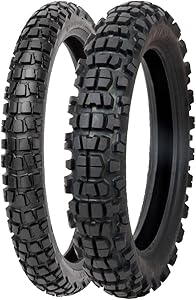
- Size: Tire Set 90/90-21 / 130/90-17
- Tread Depth: 9 Millimeters
- Tread Type: Non-Directional
- Rim Size: 18 Inches
The Tusk Waypoint Adventure tire set is built for dual-sport enthusiasts looking to explore rugged off-road trails and paved fire roads alike. The non-directional aggressive block pattern grips loose dirt and gravel exceptionally well while remaining usable on tarmac.
With a deep tread depth, these tires are built to withstand sharp rocks and harsh terrain conditions without puncturing easily. They provide adventure riders with the versatility required to explore remote backcountry trails with ultimate peace of mind.
Pros:
- Excellent traction on loose dirt
- Deep tread provides puncture resistance
Cons:
- Noisy on open paved highways
- Faster wear when ridden on asphalt
See the Tusk Waypoint Adventure
12. Dunlop American Elite AE2
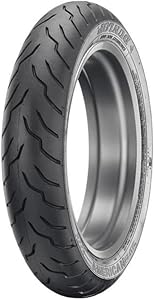
- Size: 130/60B-19
- Speed Rating: F
- Tread Type: Asymmetrical
- Rim Width: 19 Inches
The Dunlop American Elite AE2 tire is crafted for American-made touring motorcycles, offering enhanced handling characteristics and long-term mileage durability. Its asymmetrical tread design is tuned to deliver stable tracking and seamless cornering transitions on heavy tourers.
This tire compound delivers excellent grip in the wet, helping riders maintain full control during unexpected rainstorms on vacation. It offers a firm yet compliant feel that keeps large touring bikes tracking true through long sweeping highway curves.
Pros:
- Proudly designed for American cruisers
- Consistent handling through sweeps
Cons:
- Low speed rating limits fast riding
- Firm carcass reduces plushness
See the Dunlop American Elite AE2
How to Choose Budget Motorcycle Tires
Choosing the right motorcycle tires is one of the most critical decisions a rider can make. Tires affect not only your bike’s performance but also your safety, comfort, and fuel economy. For riders on a budget, the challenge becomes even greater—balancing cost without compromising on essential features like grip, durability, and ride quality. This guide will help you understand the key factors to consider when choosing the best cheap motorcycle tires, so you get the best value for your money.
Why Motorcycle Tires Matter
Motorcycle tires are your only point of contact with the road. They absorb shocks, provide traction, and influence handling and braking. A poor-quality or worn-out tire can lead to loss of control, especially in wet or off-road conditions. Therefore, even if you’re shopping on a budget, it’s essential to be informed about the options available and what truly matters in a tire.
1. Know Your Motorcycle Type
Different motorcycles require different types of tires. Choosing the wrong type, even if it’s within budget, can reduce performance or damage your bike. Here are the basic categories:
- Sport Bikes: Require high-performance tires with excellent grip for cornering at speed.
- Cruisers & Touring Bikes: Need durable tires with comfort and long tread life for long-distance travel.
- Adventure/Dual-Sport Bikes: Should be equipped with versatile tires that handle both pavement and off-road terrain.
- Commuter/Mopeds: Focus on affordability, fuel economy, and daily use durability.
Always check your motorcycle’s manual for recommended tire sizes and specs.
2. Understand Tire Specs
Every motorcycle tire has information printed on its sidewall. A typical tire might be labeled like this: 120/70 ZR17 M/C (58W). Understanding this code helps you buy the right fit:
- 120 – Tire width in millimeters.
- 70 – Aspect ratio (sidewall height as a % of width).
- ZR – Tire construction and speed rating.
- 17 – Rim diameter in inches.
- M/C – Motorcycle tire.
- 58W – Load and speed rating.
For budget buyers, stick to the manufacturer’s recommended size to avoid irregular wear or handling issues.
3. Bias-Ply vs Radial: What’s Better for Budget?
- Bias-Ply Tires: These are generally cheaper and are suitable for cruisers and some commuter bikes. They have a stiffer sidewall and good load-carrying capability.
- Radial Tires: Offer better heat dissipation, grip, and performance at high speeds. They are more common on sport and touring bikes.
For budget-conscious riders, bias-ply tires can be a great choice if you’re not riding aggressively or at high speeds.
4. Tread Pattern and Compound
The tread pattern determines how well the tire grips the road, especially in wet conditions.
- Slick or Semi-Slick: Designed for dry pavement and high-speed cornering (less suitable for wet or off-road).
- Grooved/All-Weather: Offers better water dispersion, ideal for rain or mixed conditions.
- Knobby Tread: Best for off-road and adventure bikes.
Rubber compound also matters:
- Hard compound: Lasts longer but may provide less grip.
- Soft compound: Offers superior grip but wears faster.
For budget tires, a medium or hard compound is preferable because of its longer life.
5. Longevity and Mileage
Budget doesn’t mean buying the cheapest tire available. Instead, look at cost-per-mile. A slightly more expensive tire that lasts twice as long will save you money in the long run.
- Touring tires often last 10,000–20,000 miles.
- Sport tires may wear out within 3,000–7,000 miles.
- Commuter tires typically fall in between, offering 5,000–12,000 miles.
Always read user reviews and check for average mileage performance.
6. Performance in Weather Conditions
If you ride in varying climates or all year round, invest in tires with all-weather performance. Wet grip is especially critical for safety. Look for:
- Siping patterns for water evacuation.
- Silica compounds which maintain grip in the cold.
- M+S (Mud and Snow) ratings if you occasionally ride in rough terrain or cold climates.
For fair-weather or occasional riders, dry-performance tires might be more budget-friendly.
7. Brand Matters—But Not Always
Well-known tire brands like Michelin, Pirelli, Bridgestone, and Dunlop offer premium quality, but they’re not always budget-friendly. However, many budget brands have stepped up their game, offering impressive performance at lower costs.
Recommended budget-friendly brands:
- Shinko – Known for value and decent performance.
- Kenda – Affordable with solid durability.
- IRC – Great for scooters and light motorcycles.
- Avon – A balance of price and touring capabilities.
Look for brands that offer a warranty or satisfaction guarantee—a good sign of quality control.
8. Tire Age: Don’t Buy Old Stock
Tires degrade with time, even if unused. A tire older than 5 years may have hardened rubber and micro-cracks. Always check the DOT code on the sidewall:
- Example: DOT 2319 = Manufactured in the 23rd week of 2019.
Avoid buying tires older than 3 years, especially when on sale. Fresh rubber ensures better grip and safety.
9. Tube vs Tubeless Tires
- Tubeless tires are more modern and offer better puncture resistance and lower rolling resistance.
- Tube-type tires are common in older models or off-road bikes.
If your rim supports tubeless tires, you’ll often get more convenience and less maintenance in the long run—even on a budget.
10. Where to Buy Budget Motorcycle Tires
- Online retailers (RevZilla, Amazon, Cycle Gear) offer deals, customer reviews, and return policies.
- Local dealerships may offer installation packages or discounts on bundles.
- Used tires are not recommended—you never know their internal condition.
Always factor in installation costs when comparing prices.
Final Tips: Get the Most from Your Budget Tire
- Maintain Proper Air Pressure – Increases lifespan and safety.
- Inspect Regularly – Check for cracks, wear, or embedded debris.
- Avoid Overloading – Follow your bike’s load rating.
- Ride Smoothly – Hard braking and acceleration wear tires faster.
Conclusion
Choosing the best inexpensive motorcycle tires doesn’t mean settling for inferior quality. It means understanding your needs, knowing what features are non-negotiable, and shopping smart. With so many reliable budget options on the market, there’s no reason to sacrifice safety or performance. Make an informed decision, and your tires will repay you with miles of safe and enjoyable riding.