Best Mini Pumps for Road Bikes of 2025
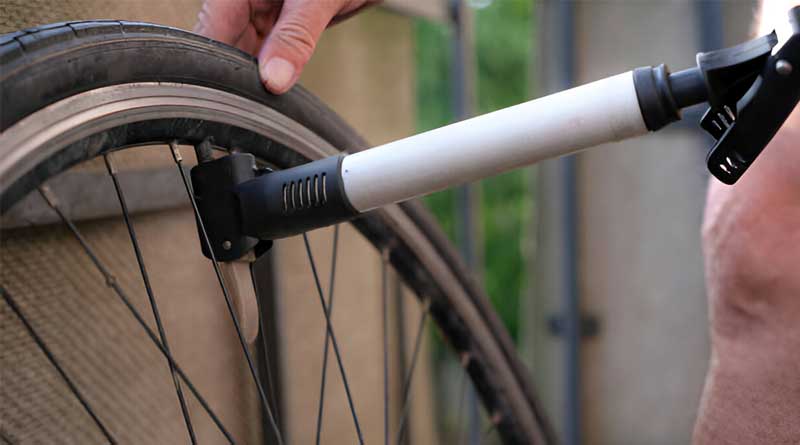
Riding a road bike feels amazing until a flat stops you. That’s where a mini pump saves the day. These tiny tools pack big power, giving you enough air to keep moving. They fit in pockets, bags, or clip onto your bike frame. No need to drag heavy pumps around. Just pull one out when trouble hits and get rolling again. Picking the right mini pump can feel tricky, with so many options available. But the good news is, the best ones mix speed, ease, and portability. In this article, we’ll share the best mini pumps for road bikes today.
1. BV Mini Bike Pump Portable Frame Pump
-
Compatible with Presta & Schrader valves (Smart Valve design).
-
Maximum pressure: 120 PSI.
-
Lightweight aluminum alloy body.
-
Includes ball pump needles for sports balls.
The BV Mini Bike Pump is a versatile and compact solution for cyclists who need a reliable inflator on the go. Its Smart Valve system eliminates the hassle of valve switching, making it user-friendly for both Presta and Schrader valves. The pump is built with a lightweight yet sturdy aluminum alloy body, ensuring durability without adding extra weight to your cycling gear. Plus, it doubles as a sports ball pump, making it a multi-functional tool to keep around.
For road cyclists, the 120 PSI pressure capability is more than sufficient to handle flats and quick top-ups. While it doesn’t feature the highest PSI range compared to some other pumps, it balances portability, performance, and ease of use quite well. Its frame-mountable design ensures that it won’t take up space in your bag, and the inclusion of ball needles makes it useful beyond cycling.
Pros:
-
Smart Valve design (no need for adapters).
-
Lightweight and easy to mount on bike frame.
-
Multipurpose use (bike + sports balls).
-
Affordable and reliable option.
Cons:
-
Maximum pressure is lower compared to some competitors.
-
No built-in pressure gauge.
2. Pro Bike Tool Mini Bike Pump
-
Compatible with both Presta and Schrader valves.
-
Maximum pressure: 160 PSI.
-
CNC machined aluminum alloy construction.
-
Length: 7.3 inches (compact and portable).
The Pro Bike Tool Mini Bike Pump is a favorite among serious cyclists thanks to its compact build and impressive inflation capacity of up to 160 PSI. Designed with CNC-machined aluminum, it offers strength and durability without adding unnecessary bulk. Its lightweight and small size make it an ideal companion for road cycling, where every ounce matters.
This pump is particularly well-suited for road bikes, delivering high-pressure inflation quickly and efficiently. The secure valve connection minimizes the risk of air leakage, which is essential during roadside repairs. While it doesn’t include a pressure gauge, its fast inflation and robust build make up for it. For those who value a sleek, high-performance tool, this pump stands out as one of the best in the market.
Pros:
-
High-pressure capability (up to 160 PSI).
-
Compact size, easy to carry in a jersey pocket.
-
Premium CNC-machined aluminum build.
-
Secure, leak-free valve connection.
Cons:
-
No pressure gauge included.
-
Slightly higher price point than basic models.
3. Vibrelli Mini Bike Pump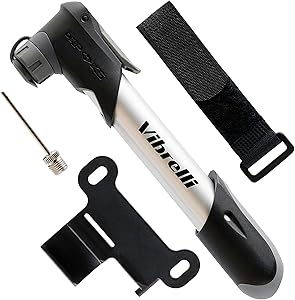
-
Maximum pressure: 120 PSI.
-
Auto-switch valve: compatible with Presta & Schrader.
-
Includes a glueless puncture repair kit.
-
Alloy barrel with ergonomic handle.
The Vibrelli Mini Bike Pump is a well-rounded option for both road and mountain bike riders. With its auto-switch valve system, it eliminates the need to manually adjust or switch between Presta and Schrader, making it straightforward to use in emergencies. The pump delivers up to 120 PSI, enough for road tires and MTB needs, while its ergonomic handle ensures comfort during use.
A standout feature is the included glueless puncture repair kit, which adds great value for cyclists who want an all-in-one emergency solution. While it doesn’t go as high as some high-pressure competitors, it’s reliable, compact, and efficient for most common cycling needs. Its combination of practicality and thoughtful extras makes it an appealing choice for everyday riders.
Pros:
-
Auto-switch valve for easy use.
-
Comes with a glueless puncture repair kit.
-
Compact and portable design.
-
Comfortable ergonomic handle.
Cons:
-
Maximum PSI is lower compared to elite pumps.
-
Inflation can take longer for high-volume tires.
4. Tiakia Mini Bike Pump
-
Maximum pressure: 260 PSI.
-
Fits Presta, Schrader & Woods valves.
-
Constructed from aluminum alloy.
-
Length: 7.8 inches, lightweight and portable.
The Tiakia Mini Bike Pump is an impressive high-pressure option designed for cyclists who need quick and efficient inflation. With a maximum PSI of 260, it stands out as one of the strongest pumps in its category. Its aluminum alloy construction offers durability and resistance to wear while keeping the pump light enough for everyday carrying.
This pump’s ability to handle Presta, Schrader, and Woods valves adds versatility, making it compatible with nearly all bike types. It’s particularly useful for road cyclists who run high-pressure tires, as it can reach levels that most compact pumps can’t achieve. The only drawback is that its high-pressure performance may require more effort for beginners to handle, but for seasoned cyclists, it’s a powerhouse tool worth investing in.
Pros:
-
Extremely high pressure capacity (260 PSI).
-
Durable aluminum alloy construction.
-
Versatile valve compatibility.
-
Lightweight and easy to carry.
Cons:
-
Requires more effort at higher pressures.
-
No pressure gauge included.
5. dwndpump Mini Electric Bike Pump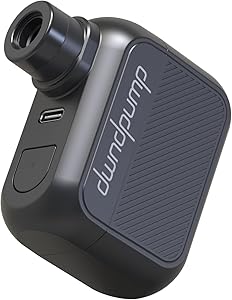
-
Electric pump with USB charging.
-
Maximum pressure: 100 PSI.
-
Compatible with Presta & Schrader valves.
-
Compact, pocket-sized design.
The dwndpump Mini Electric Bike Pump is a game-changer for those who prefer convenience over manual effort. With a rechargeable USB-powered system, it eliminates the need for hand-pumping altogether. Its compact, pocket-sized design makes it easy to carry, and it can reach up to 100 PSI, which is suitable for most road bike needs.
This pump is particularly attractive to cyclists who want a hassle-free inflation experience. However, the 100 PSI maximum pressure may not be sufficient for high-performance road cyclists who typically require 120–160 PSI. Despite this, for casual riders and commuters, the electric convenience, compactness, and portability outweigh its limitations.
Pros:
-
Fully automatic electric inflation.
-
USB rechargeable and eco-friendly.
-
Extremely portable and lightweight.
-
Ideal for quick, hassle-free use.
Cons:
-
Lower maximum PSI (100) compared to manual pumps.
-
Lacks a built-in pressure gauge.
6. Hycline Mini Bike Pump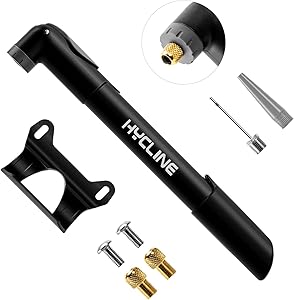
-
Maximum pressure: 120 PSI.
-
Compatible with Presta & Schrader valves.
-
Aluminum barrel with plastic handle.
-
Includes ball pump needles for multipurpose use.
The Hycline Mini Bike Pump is a solid all-purpose inflator suitable for road, MTB, and even sports equipment. It offers a maximum PSI of 120, making it well-suited for standard road and mountain bike inflation. Its compact design makes it easy to carry, while the dual-valve compatibility ensures it can handle different bike types.
Its biggest advantage is its versatility. With ball pump needles included, it’s useful for inflating soccer balls, basketballs, and other inflatables. While it doesn’t excel in high-pressure performance like some specialized pumps, it provides great value as a multi-functional, everyday option for both athletes and cyclists.
Pros:
-
Multipurpose use (bike + sports balls).
-
Lightweight and portable.
-
Easy to use with Presta & Schrader valves.
-
Affordable price point.
Cons:
-
PSI limit is lower than premium pumps.
-
No built-in gauge for precision.
7. West Biking Bicycle Pump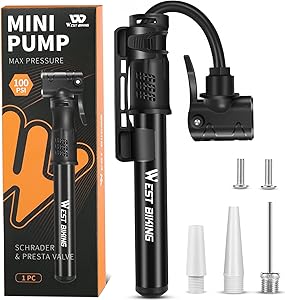
-
Maximum pressure: 120 PSI.
-
Fits Presta & Schrader valves.
-
Constructed with aluminum alloy.
-
Portable, lightweight design (under 6 oz).
The West Biking Bicycle Pump is a dependable and efficient option for riders seeking a simple, durable, and compact inflator. With its aluminum alloy construction, it balances strength and weight, making it easy to carry without compromising on performance. The 120 PSI capacity is adequate for most road and MTB riders, offering reliable inflation on the go.
This pump shines in its straightforward design. Its valve compatibility covers most bike tires, while its lightweight form makes it practical to attach to a bike frame or slip into a backpack. While it may not boast advanced features like ultra-high PSI or an electric motor, it provides dependable inflation at an affordable price, making it a smart choice for everyday cyclists.
Pros:
-
Durable aluminum construction.
-
Lightweight and easy to carry.
-
Reliable performance for road and MTB.
-
Affordable option for budget riders.
Cons:
-
Limited to 120 PSI (not ideal for elite riders).
-
No pressure gauge or repair extras.
How to Choose Mini Pumps for Road Bikes
A flat tire on a ride is never fun — but with the right mini pump, it’s only a minor detour. Mini pumps are small, lightweight, and designed to be carried on the bike or in a saddle pack so you can get back on the road quickly. Choosing the best pump for your road bike isn’t just about picking the lightest or prettiest one; it’s about matching pump performance, compatibility, and usability to your riding style. Here’s a practical guide to help you choose.
1. Know the basics: what a mini pump must do
A mini pump’s job is simple: move air from you into the tube or tubeless tyre fast enough and to a high enough pressure to safely ride home or to a repair shop. For road bikes that typically use higher pressures (80–120 psi for many clinchers), a pump that can comfortably reach those pressures without wearing you out is essential. Also important are a good valve head (Presta compatibility is a must for most road bikes), a secure attachment option, durable construction, and reasonable inflation speed.
2. Valve compatibility: Presta or Schrader?
Most road bikes use Presta valves. Before buying, confirm your valves. Many mini pumps are Presta-only (preferred), some are dual-head (Presta + Schrader), and a few ship with an adapter. Dual-head pumps add convenience if you sometimes help friends with different valve types, but they can be slightly bulkier or more fiddly. If you only ride a road bike, a Presta-specific pump is typically lighter and simpler.
3. Maximum pressure and efficiency
Road tyres require much higher pressure than mountain tyres. Check the pump’s maximum psi/bar. A pump that lists a max of 120 psi (8.3 bar) or higher is ideal for most road setups. But max pressure isn’t everything — efficiency (how much air you move per stroke) and how many strokes it takes to reach target pressure matter more in a stressful roadside situation. Pumps with longer barrels or clever mechanisms (fold-out handles, dual-action strokes) generally move more air per stroke, so you’ll pump fewer times.
4. Size, weight, and packability
Mini pumps trade airflow for portability. Decide where you’ll carry it:
-
On-bike mount (frame-mounted): Pumps that mount to the water-bottle bosses are convenient — they stay with the bike and are easy to reach. Look for secure mounting brackets and a pump profile that doesn’t slap your leg or pedal.
-
Saddle pack or jersey pocket: Smaller, lighter pumps fit here well. If you prefer a tidy setup or race regularly, prioritize minimal weight and compactness.
Typical mini pump weights range from about 80 g (very light) to 300 g (sturdier, more efficient). Choose according to how much weight you’re willing to carry and how often you ride.
5. Construction and durability
Aluminum bodies are common and offer a good strength-to-weight ratio. Plastic pumps can be lighter and cheaper, but may flex, making inflation harder or shortening the pump’s life. Look for pumps with:
-
Solid barrel construction (aluminum or reinforced composite).
-
A robust head and valve interface (metal bits where it matters).
-
Good seals and a well-fitted hose or shaft to avoid air loss.
A well-built mini pump might cost more but will last and perform better when you need it.
6. Pump head design and hose vs direct-head
Two main designs exist:
-
Direct head (pump attaches directly to valve): Simpler and very compact. But you’ll be holding the pump against the valve while pumping, which can be awkward.
-
Hose/head (small flexible hose between pump and valve): More comfortable and reduces stress on the valve stem while you pump. It can also make attaching easier in tight spaces.
If you value comfort and ease, choose a pump with a short hose or a fold-out head.
7. Pumping mechanisms and ergonomics
Look for features that reduce effort:
-
Longer stroke: Moves more air per pump — fewer strokes.
-
Fold-out T-handle or rotating handle: Improves leverage.
-
Dual-action: Pumps air on both push and pull strokes (rare in tiny pumps, but very efficient).
Ergonomics matter when you’ve just fixed a puncture and need to re-inflate quickly in cold/windy conditions. Test or inspect whether the handle will be comfortable while wearing gloves.
8. Gauge or no gauge?
Some mini pumps include a built-in pressure gauge (analog or digital). A gauge lets you reach precise pressure on the roadside without guessing — especially useful if you run specific pressures for training or racing. A tiny integrated gauge can add size and cost, but many riders find it worth it for accuracy. If the pump lacks a gauge, consider carrying a separate compact gauge or using a floor pump at home for top-ups.
9. Tubeless compatibility
If you run tubeless tyres, you may sometimes need a burst of high-volume air to seat the bead. Most mini pumps can’t supply a big enough blast for stubborn beads. For tubeless riders:
-
Consider a mini pump with higher volume per stroke, or
-
Carry a CO₂ inflator as a companion for quick bead seating, plus a mini pump for topping up pressure later.
Some hybrid pumps combine small CO₂ compatibility with manual pumping — a handy two-in-one solution.
10. Ease of mounting and security
If you mount the pump to your frame, pay attention to:
-
Mounting bracket quality: It should hold the pump snugly without rattling.
-
Quick-release or secured with a strap/bolt: Better security reduces theft risk and drop-offs.
-
Compatibility with bottle cage and frame geometry: Some wide pumps may collide with front derailleurs or interfere with your knee.
11. Price vs value
Mini pumps range from inexpensive basic models to high-end precision devices. Don’t buy only on price. Prioritize:
-
Reachable pressure for your tyres.
-
Durable materials.
-
Comfortable pumping experience.
-
Compatibility with your valve type and tubeless needs (if relevant).
12. Final checklist (quick)
-
Valve type: Presta (road) or dual-head?
-
Max pressure: ≥100–120 psi for most road use.
-
Efficiency: reasonable strokes to reach pressure (longer stroke or dual action preferred).
-
Size & weight: matches how you’ll carry it (frame vs saddle pack).
-
Construction: aluminum or reinforced body, good seals.
-
Head design: hose vs direct; comfortable to use.
-
Gauge: built-in or carry a separate gauge?
-
Tubeless: do you need CO₂ support?
-
Mounting: secure bracket and compatibility.
-
Budget: balance cost vs durability and performance.
Conclusion
The “best” mini pump is the one that suits your riding needs: a lightweight, compact pump if you race and want minimal weight; a slightly larger and more efficient pump if you frequently ride long routes where inflation speed matters; or a pump-plus-CO₂ setup if you run tubeless. Think practically: can you reach the pressure you ride with reasonable effort, will it fit on your bike or pack, and is it built to last? Choose with those priorities in mind and you’ll turn a roadside flat from a panic into a quick brake-and-go.
Happy riding — and may your next flat be the only time you ever see your mini pump in action. 🚴♀️