Best Mountain Bike Chest Protectors 2026
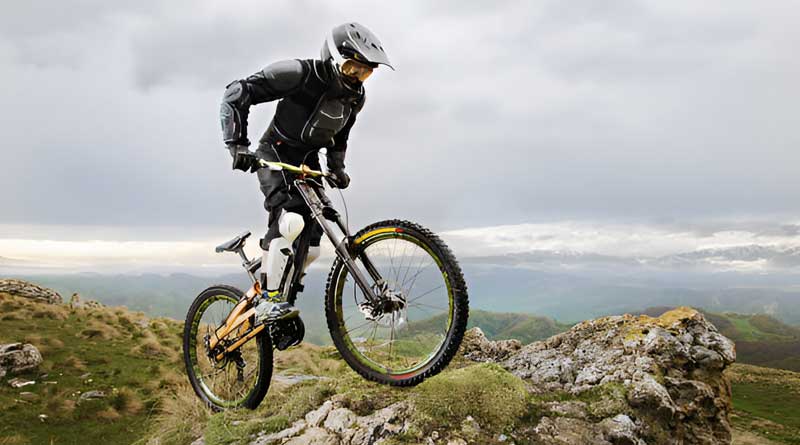
When you’re flying down a rocky trail on your mountain bike, a sudden fall can hurt—a lot. That’s where a chest protector comes in. It’s a tough, padded vest that guards your ribs, chest, and back from sharp hits. Whether you’re racing downhill or just exploring rough woods, this gear gives you the confidence to push harder. In this guide, we’ll break down the best mountain bike chest protectors to keep you safe and riding strong.
1. Leatt Chest Protector

- Safety Certification: EN14021 rated stone shield protection
- Ergonomic Build: 3D molded design for optimal anatomical fit
- Brace Compatibility: Integrated BraceOn neck brace fitting system
- Modular Assembly: Removable front and rear plates for custom setups
The Leatt Chest Protector stands out as a highly versatile piece of safety gear tailored for mountain bikers and off-road riders who prioritize both comfort and adaptability. Featuring an innovative 3D molded construction, it ensures a close, ergonomic fit that can seamlessly be worn either over or under your riding jersey without feeling excessively bulky on the trail.
Additionally, this protector integrates seamlessly with Leatt neck braces thanks to the specialized BraceOn system. Equipped with removable front and rear plates, it provides riders with customizable coverage and excellent ventilation. It serves as a dependable, lightweight shield against roost, heavy debris, and unexpected impact forces during intense rides.
Pros:
- Flawless integration with Leatt neck braces
- Comfortable and low-profile 3D design
Cons:
- Offers minimal protection on the sides
2. ONeal Holeshot Protector

- Safety Standard: Exceeds the EN14021 protective criteria
- Shoulder Support: Padded neoprene shoulder zones for added comfort
- Closure Mechanism: Integrated waist closure system for security
- Brace Fitting: Universally compatible with most modern neck braces
The ONeal Holeshot Protector is engineered to deliver robust protection that comfortably exceeds standard safety regulations for off-road riders. Designed with integrated neoprene shoulder padding, this guard minimizes chafing and pressure points, allowing you to focus entirely on your performance during long trail sessions.
Its streamlined profile is fully compatible with most neck braces, making it a reliable foundation for your comprehensive safety setup. The integrated waist closure system ensures a locked-in fit that prevents shifting while tackling rough terrain. This protector offers an optimal blend of durability, safety, and rider mobility.
Pros:
- Exceeds foundational safety baseline certifications
- Comfortable neoprene shoulder area padding
Cons:
- Waist closure adjustments can take time to dial in
See the ONeal Holeshot Protector
3. Fox Racing R3

- Armor Certification: CE EN 14021 certified stone shield protection
- Ventilation System: Fully perforated main body shell for continuous airflow
- Adjustability Features: Multi-point adjustable shoulder and waist straps
- Cup Profile: Sleek low-profile shoulder cups to minimize bulk
The Fox Racing R3 chest guard delivers exceptional race-form coverage while maintaining a high level of airflow on warm riding days. Its heavily ventilated main body shell maximizes breathability, keeping you cool while effectively blocking flying roost and trail debris from impacting your torso.
This guard is highly adjustable, featuring customizable shoulder and waist straps alongside an elastic slide-buckle closure that keeps the shield tight against your body. Low-profile shoulder cups ensure a sleek fit under or over gear, and the overall architecture accommodates a wide variety of neck braces easily.
Pros:
- Excellent ventilation performance throughout the shell
- Highly adjustable strap layout for a tailored fit
Cons:
- Elastic buckles can wear out with heavy usage
4. Alpinestars Bionic Action Chest Protector

- Shell Technology: Advanced cell-structured perforated plates for airflow
- Chassis Type: Thermoformed plush padded chassis for comfort
- Side Adaptability: Highly flexible side panels contouring to body movement
- Custom Componentry: Fully removable shoulder pads for personalized wear
The Alpinestars Bionic Action Chest Protector utilizes an all-new Cell Technology structure to maximize breathability without compromising on impact safety. The highly perforated shell allows a massive volume of cooling air to circulate, making it an excellent choice for intense hot-weather riding conditions.
Comfort is further enhanced by a thermoformed padded chassis that provides a plush, close-to-body fit. The flexible side zones adapt smoothly to the shape of the rider, while removable shoulder pads allow for easy customization. It delivers premium protection and top-tier ergonomics in a lightweight package.
Pros:
- Advanced cell architecture for cooling airflow
- Plush thermoformed lining cuts down on hot spots
Cons:
- White and light accents show trail dirt quickly
See the Alpinestars Bionic Action Chest Protector
5. PETA Motorcycle Armor Body Guard Vest

- Weight Optimization: Upgraded lightweight composite saving 0.2 pounds
- Dual Layering: Tough external shield combined with soft cotton lining
- Sizing Utility: Free-adjusting elastic straps for universal body sizes
- Shell Resilience: Impact-resistant outer shell guarding spine and chest
The PETA Motorcycle Armor Body Guard Vest features an updated material design that reduces weight by a noticeable fraction while enhancing overall structural flexibility. Shifting away from a completely rigid construction, this guard offers an intentional degree of toughness that moves naturally with your body during active cycling or off-road racing.
Protection is well-balanced through a dual-layer setup consisting of a sturdy exterior shell and a soft cotton interior lining. The inner fabric dampens impacts effectively, while adjustable elastic straps ensure a secure fit for riders of various sizes. It remains comfortable and breathable over extended wear periods.
Pros:
- Noticeably lighter build than older generations
- Flexible outer shell movements feel less restrictive
Cons:
- Interior cotton lining absorbs sweat on hot days
See the PETA Motorcycle Armor Body Guard Vest
6. CALOPET Chest Armor

- Material Grade: Toughened lightweight compound reducing armor weight by 0.2 lbs
- Core Defense: Sturdy exterior shell optimized for spine protection
- Interior Comfort: Soft shock-absorbing cotton lining material
- Strap System: Flexible elastic adjustment straps fitting all genders
The CALOPET Chest Armor provides a lightweight protective solution that incorporates upgraded materials to cut down on unnecessary bulk. This design trades the traditional brick-hard feel for a slightly flexible shell that enhances comfort, significantly reducing rider fatigue when worn for long durations on challenging outdoor trails.
Built with a resilient outer layer and cushioned cotton padding on the inside, it effectively absorbs impact energy while shielding your spine and chest from abrasions. Fully adjustable elastic bands allow men, women, and younger riders to quickly customize the sizing for a tight, reassuringly secure fit.
Pros:
- Lighter material compound helps reduce general rider fatigue
- Versatile sizing fits men, women, and boys
Cons:
- Lacks premium technical certifications like CE ratings
7. RIDBIKER Motorcycle Body Armor Vest

- Shell Material: Imported wear-resistant polypropylene outer shield
- Foam Interior: Shock-resistant EVA foam filler for impact dampening
- Comfort Fabric: Padded high foam combined with flexible Lycra fabric
- Fastener Design: Quick-release buckle layout at the side waist
The RIDBIKER Motorcycle Body Armor Vest is a heavy-duty option built around an impact-resistant polypropylene outer shell and high-density EVA foam cushioning. This dual-material defense layout delivers comprehensive protection across your chest, back, and spine, ensuring you stay guarded against harsh falls or collisions during extreme sports.
Despite its sturdy build quality, the vest keeps air flowing smoothly via a ventilated design, complemented by a soft Lycra lining that minimizes skin irritation. Adjustable shoulder sliders and a convenient quick-release side waist buckle system make it remarkably easy to put on, adjust, and take off.
Pros:
- Sturdy imported polypropylene shell structure
- Quick and convenient buckle mechanism
Cons:
- Slightly more rigid and bulky than competing models
See the RIDBIKER Motorcycle Body Armor Vest
8. O’NEAL Split

- Certification Standard: Front and back panels certified to EN 14021 standards
- Component Style: Injection-molded plastic protective pieces
- Comfort Liner: Ergonomic bio-foam padding throughout the inner chassis
- Modular Utility: Detachable front and back parts for multiple layouts
The ONEAL Split chest protector balances a lightweight form factor with reliable certified protection for both front and rear impacts. Constructed with robust injected plastic pieces layered over soft bio-foam padding, this vest provides an exceptionally comfortable barrier that conforms easily to your torso layout during rigorous riding.
A core advantage of this model is its highly modular configuration, allowing you to detach the front or back pieces for customized riding combinations. Its ultra-slim profile guarantees it can be worn discreetly beneath a jersey or strapped securely on top without restricting your natural range of movement.
Pros:
- Certified safety protection for front and back panels
- Modular parts create highly custom usage configurations
Cons:
- Bio-foam padding feels warm during low-speed ascents
Ultimate Guide to Choosing Mountain Bike Chest Protectors
Mountain biking is an exhilarating sport that pushes the boundaries of speed, skill, and endurance. Whether you are hurtling down a steep, root-filled downhill track, navigating technical rock gardens, or catching air at a local bike park, the risk of crashing is an inherent part of the experience. While helmets and knee pads are widely accepted as standard gear, protecting your torso is equally critical. A severe impact to the chest or spine can lead to life-altering injuries. Mountain bike chest protectors and body armor are designed to absorb and dissipate these impacts, shielding your vital organs and skeleton from blunt force trauma, sharp rocks, and handle-bar strikes. Choosing the right chest protector requires balancing safety, comfort, weight, and riding style. This comprehensive guide will walk you through everything you need to know to make an informed decision.
Understanding the Levels of Protection
Not all chest protectors offer the same level of defense. Safety gear is generally classified by the type of materials used and official certification standards. Understanding these ratings will help you determine how much protection you actually need based on the terrain you ride.
CE Certification and Ratings
When browsing for body armor, you will frequently see the term “CE certified.” This refers to European safety standards, which are the benchmark for personal protective equipment worldwide. For mountain bike torso protection, look for the EN 1621 standard. This standard is divided into different parts and levels:
- EN 1621-1: Covers protection for limbs (shoulders, elbows, knees).
- EN 1621-2: Specifically covers back protectors. This is crucial for chest units that include integrated spine protection.
- EN 1621-3: Specifically covers chest protectors.
Within these standards, there are two distinct protection levels:
- Level 1: Offers reliable protection suitable for trail and light enduro riding. It absorbs a significant amount of impact force but remains flexible and lightweight.
- Level 2: Provides the highest level of shock absorption, making it mandatory or highly recommended for downhill racing, high-speed bike parks, and extreme terrain. It is thicker, heavier, and stiffer than Level 1 armor.
Hard-Shell vs. Soft-Shell Armor
Chest protectors generally fall into two categories based on their construction materials:
Hard-shell protectors utilize a rigid outer plastic shield, often made of polycarbonate, lined with impact-absorbing foam underneath. They excel at deflecting sharp objects like jagged rocks, branches, or tree stumps. They also distribute the force of a concentrated impact across a wider surface area. Hard-shell armor is highly durable and sliding-friendly, making it the preferred choice for aggressive downhill racers.
Soft-shell protectors leverage advanced, non-Newtonian materials such as D3O, SAS-TEC, or VPD. These smart materials are completely soft and flexible when resting or moving naturally with your body, allowing for an incredible range of motion and superior comfort. However, upon a sudden impact, the molecules lock together instantly to create a solid, energy-absorbing barrier. Soft-shell armor is highly breathable and popular among trail and enduro riders who need to pedal uphill for extended periods.
Key Factors to Consider When Choosing a Chest Protector
Finding the right balance between safety and rideability comes down to evaluating several practical factors. A piece of protective gear is only useful if you actually enjoy wearing it on the trail.
Fit and Sizing
A chest protector must fit snugly against your torso without restricting your breathing or movement. If it is too loose, the armor can shift during a crash, leaving critical areas exposed. If it is too tight, it will cause discomfort, chafing, and fatigue. Always measure your chest circumference and height, then consult the manufacturer’s specific sizing chart. Look for models featuring adjustable shoulder and waist straps, as these allow you to customize the fit precisely to your body shape.
Ventilation and Breathability
Mountain biking is physically demanding, and overheating can quickly drain your energy. Look for chest protectors built with perforated foam, mesh paneling, and strategic air channels. Hard-shell models should feature molded vent holes to allow air to pass through. Soft-shell pads often feature breathable moisture-wicking fabrics to pull sweat away from your skin. If you frequently ride in hot, humid climates, prioritizing ventilation is essential.
Compatibility with Neck Braces and Backpacks
If you ride high-speed downhill or freeride lines, you might wear a neck brace. Not all chest protectors are built to accommodate them. Look for units that explicitly state neck brace compatibility, which often feature removable upper plates on the chest and back so the brace can sit flush against your body. Additionally, consider whether you ride with a hydration pack or hip pack. Some bulky armor pieces do not sit comfortably under backpack straps, so choosing a slim-profile protector may be necessary if you carry a lot of gear.
Types of Chest Protectors by Riding Style
Your typical riding terrain dictates the style of armor that will serve you best. Matching your gear to your discipline prevents you from being over-encumbered on casual rides or under-protected on extreme descents.
| Riding Discipline | Recommended Armor Type | Key Features to Look For |
|---|---|---|
| Trail / Cross-Country | Minimalist Soft-Shell / Under-shirt Protection | Lightweight, highly breathable, flexible D3O foam, easily fits under a standard jersey. |
| Enduro / All-Mountain | Convertible or Mid-weight Soft/Hard Shell | Removable spine or shoulder protection, adjustable straps, good balance of ventilation and CE Level 1 safety. |
| Downhill / Freeride / Bike Park | Full Hard-Shell Torso Armor | CE Level 2 certification, full spine coverage, shoulder guards, heavy-duty impact plastic, neck brace compatibility. |
Under-Jersey vs. Over-Jersey Design
Some chest protectors are designed to be worn discreetly beneath your riding jersey. These are usually slim, soft-shell models or sleeveless compression shirts with embedded padding. They offer a sleek look and prevent the armor from catching on external brush. Over-jersey protectors are typically rugged hard-shell roost guards. They are easier to take on and off during breaks and offer better scratch resistance against low-hanging branches and debris.
Maintenance and Care Tips
To ensure your chest protector retains its protective qualities and stays free of unpleasant odors, proper maintenance is required. Sweat contains salts and acids that can degrade fabrics and elastic straps over time.
- Removable Pads: Choose a protector with removable protective inserts. This allows you to throw the fabric chassis into the washing machine on a gentle cycle.
- Hand Washing: For non-removable parts or hard-shell plastic, hand washing with mild soap and warm water is best. Avoid harsh detergents or solvents.
- Air Dry Only: Never place your body armor in a clothes dryer. High heat can warp plastic shells, melt technical adhesives, and damage the structural integrity of smart foams like D3O. Always hang it up to air dry in a well-ventilated area away from direct sunlight.
- Inspection: Periodically inspect your armor for cracks in plastic parts, frayed stitching, or degraded foam. If the protector sustains a major crash impact, check it thoroughly; some smart foams are designed to withstand multiple impacts, but hard plastic shells can crack and lose structural integrity, requiring replacement.
Summary
Investing in a high-quality mountain bike chest protector is a smart choice for any rider looking to push their limits safely. By matching the armor type to your riding style, verifying CE safety certifications, and ensuring a precise, well-ventilated fit, you can hit the trails with the confidence that your torso and vital organs are fully shielded. Take the time to try on different models, adjust the straps carefully, and choose a protector that lets you focus entirely on the thrill of the ride.