Best Aluminum MTB Handlebars of 2026
Choosing the right aluminum MTB handlebar can improve control, comfort, and confidence on trails. A good handlebar affects steering feel, riding posture, and fatigue during long rides. Aluminum handlebars are popular because they are strong, light, and affordable. They suit beginners and experienced riders who want reliable performance without high costs. This guide reviews the best aluminum MTB handlebars for different riding styles and budgets. We compare width, rise, sweep, and clamp size to help you choose wisely. By the end, you will know which handlebar fits your bike and riding goals.
1. GEWAGE Aluminium Alloy Handlebar

- Material: 6061 Aluminum Alloy
- Width & Rise: 780mm, options for 25mm, 55mm, 70mm, 90mm rise
- Clamp Diameter: 31.8mm
- Sweep: 12-degree rearward sweep
The GEWAGE Aluminium Alloy Handlebar is a thoughtfully designed modern mountain bike component. Its 12-degree sweep is a standout feature, effectively positioning your shoulders and wrists in a more natural, relaxed alignment. This geometry pays dividends on long rides or technical trails by significantly reducing fatigue and discomfort. The 780mm width provides excellent leverage and control, inspiring confidence during aggressive riding.
Constructed from reliable 6061 aluminum, this bar strikes a commendable balance between stiffness for responsive input and a slight vibration-dampening quality that the description compares to carbon. The installation process is standard, but the emphasis on verifying stem compatibility before purchase is crucial advice. It’s a versatile bar compatible with most modern MTBs, from trail to dirt jumping, thanks to its durable build and multiple rise options.
- Pros: Excellent ergonomic 12-degree sweep; Very wide 780mm control; Good vibration dampening for alloy.
- Cons: Width may be excessive for some riders or trails (can be cut down if markings are present, not specified).
2. GEWAGE Bike Handlebar
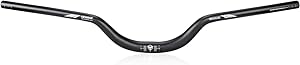
- Material: 6061 Aluminum Alloy
- Width & Rise: 780mm, options for 25mm, 55mm, 70mm, 90mm rise
- Clamp Diameter: 31.8mm
- Sweep: 12-degree rearward sweep
This second handlebar from GEWAGE appears nearly identical in specifications to their first model, offering the same modern geometry and construction. The 12-degree rearward sweep is again the hero of the design, promoting a neutral wrist and shoulder position. This is a major pro for riders looking to alleviate pressure on long climbs or during marathon trail sessions. The wide 780mm platform is built for control and stability when the trail gets rough and rowdy.
The handlebar is made from durable 6061 aluminum, promising to withstand the thrashing of aggressive riding. It aims to blend stiffness for precise handling with a slight absorption of trail “chatter.” With multiple rise options, it allows riders to fine-tune their cockpit height. It’s important to note that this seems to be a variant or identical sibling to the first GEWAGE bar, so choice may come down to minor aesthetic differences or availability.
- Pros: Ergonomic sweep reduces wrist and shoulder strain; Wide for solid control.
- Cons: Specifications seem duplicated from another listing, causing potential confusion.
3. BNVB Wake 31.8mm MTB Handlebar

- Material: 6061 Aluminum Alloy
- Weight: ~330g (720mm) / ~360g (780mm)
- Clamp Diameter: 31.8mm
- Sweep & Rise: 9-degree sweep, 30mm rise
The BNVB Wake Handlebar takes a slightly different approach with a 9-degree sweep and a fixed 30mm rise. This geometry may appeal to riders who prefer a slightly more traditional, less backswept feel. The listed weight is a strong point, coming in at a respectable ~360g for the 780mm version, which qualifies as lightweight for an alloy bar. This can make a noticeable difference in front-end feel and overall bike handling.
Marketed for downhill and off-road use, it emphasizes strength and control. The available 720mm and 780mm width options let riders choose between a more nimble feel or maximum stability. The professional design focuses on giving riders enhanced control, which is critical for demanding disciplines. However, the fixed rise and single sweep angle offer less fit customization compared to other bars in this list, so it’s best for riders whose preferences align with its numbers.
- Pros: Lightweight for an alloy bar; Two width options (720mm/780mm); Clean, professional design.
- Cons: Only one rise option (30mm); Less backsweep (9°) than competitors; Fewer sizing variables overall.
4. PLATT Mountain Bike Handlebar

- Material: 6061 Aluminum Alloy
- Width & Rise: 780mm, options for 35mm, 50mm, 70mm, 90mm, 120mm rise
- Clamp Diameter: 31.8mm
- Sweep: 9-degree back sweep
PLATT’s handlebar stands out with an exceptionally wide range of rise options, extending up to a tall 120mm. This makes it a fantastic option for riders looking to dramatically increase their handlebar height without resorting to complex stem solutions, ideal for comfort or a more upright riding position. The 9-degree sweep and 780mm width follow modern trail and enduro trends, providing a stable, in-control feel.
The bar is made from quality 6061 alloy with a focus on being anti-shock, aiming to take the edge off rough terrain. The numerical controlled bending promises consistency in its shape. This is a bar built for rough use, from trail riding to downhill, and its multiple rise options mean it can suit a very wide variety of bikes and rider preferences, from low-slung aggressive bikes to those needing a more relaxed cockpit.
- Pros: Huge range of rise options, up to 120mm; Strong 6061 alloy construction; 780mm width for control.
- Cons: 9-degree sweep may feel less ergonomic than 12-degree options for some.
5. FIFTY-FIFTY Mountain Bike Riser Handlebar
- Material: Double Butted 6061 Aluminium, Hard Anodized
- Weight: 340g (35mm rise, 780mm width)
- Width: 780mm with cut-down markings
- Clamp Diameter: 31.8mm
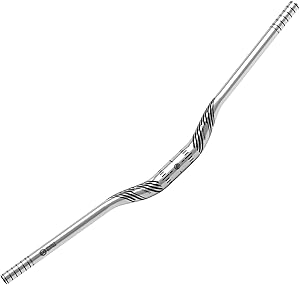
The FIFTY-FIFTY handlebar incorporates several premium features often found on higher-end bars. The double-butted construction is key, meaning the aluminum is thicker at the high-stress clamp area and thinner in the middle, saving weight without sacrificing strength. Combined with hard anodizing for surface durability, this bar is built to last. The 340g weight is very competitive, offering a light feel for responsive handling.
A major practical advantage is the inclusion of both a center alignment grid and cut-down markings. This allows for precise installation and easy, confident trimming of the 780mm width to suit your preferred style or trail needs. The wide width provides inherent stability and control for all-mountain riding. While the rise and sweep aren’t specified in the bullet points, the description emphasizes a comfortable, controlled riding position.
- Pros: Premium double-butted & hard-anodized construction; Lightweight at 340g.
- Cons: Key specs like rise and sweep are not highlighted in the provided points.
6. PLATT Mountain Bike Handlebar (25.4mm Clamp)

- Clamp Diameter: 25.4mm
- Width & Rise: 620mm, options for 30mm, 50mm, 70mm, 90mm, 120mm, 160mm rise
- Material: 6061 Aluminum Alloy
- Sweep: 9-degree back sweep
This PLATT handlebar serves a different market with its 25.4mm clamp diameter, making it compatible with older mountain bikes, many dirt jump bikes, and some hybrid/comfort bikes. The standout feature here is the enormous range of rise options, extending to an extreme 160mm. This is ideal for building a very tall, upright cockpit, perhaps for a cruiser or a specialized dirt jumper setup.
The shorter 620mm width is appropriate for the styles of riding this bar targets, like dirt jumping or urban riding, where a narrower bar allows for easier clearance and maneuverability. The 9-degree sweep and durable 6061 construction ensure it’s still a competent component. For riders with a bike sporting a 25.4mm stem, this bar offers modern geometry and exceptional rise customization that can be hard to find in this clamp size.
- Pros: Fits older/standard 25.4mm clamp stems; Extreme rise options up to 160mm.
- Cons: Not compatible with modern 31.8mm stems; Width is narrow for modern trail/enduro riding.
7. BUCKLOS MTB Handlebar
- Material: 6061 Aluminum Alloy, Hard Anodized
- Width Options: 580mm, 620mm, 720mm, 780mm
- Clamp & Rise: 25.4mm or 31.8mm; Rise from 20mm to 160mm
- Features: Cut-down markings, CNC precision bending
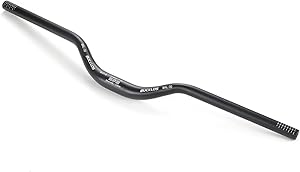
The BUCKLOS handlebar is arguably the most versatile option in this lineup. It covers the full spectrum with both 25.4mm and 31.8mm clamp diameters, four width options, and a massive range of rises. This makes it a true one-stop-shop for nearly any rider, from someone upgrading an old hardtail to a modern enduro enthusiast. The inclusion of cut-down markings on all widths is a thoughtful, user-friendly touch.
Quality features like hard anodizing and CNC bending indicate attention to durability and precision. The ergonomic, non-slip design aims for comfort and control. This bar’s strength is its customizability; you can effectively tailor the width, rise, and clamp size to your exact bike and riding style. Whether you need a narrow dirt jumper or a wide trail crusher, BUCKLOS likely has a configuration that fits.
- Pros: Unmatched sizing versatility (clamp, width, rise); Includes practical cut-down markings.
- Cons: Overwhelming choice may confuse some buyers; Specific weight not provided.
How to Choose Aluminum MTB Handlebars
Choosing the right aluminum MTB handlebars can greatly improve your riding comfort, control, and overall performance on the trail. Handlebars are one of the main contact points between you and your mountain bike, so the wrong choice can lead to hand fatigue, poor handling, or even pain in your shoulders and wrists. Aluminum handlebars are popular because they are affordable, strong, and reliable for most riders. However, not all aluminum MTB handlebars are the same. Factors like width, rise, sweep, clamp diameter, and riding style all matter. This guide will help you understand every important aspect so you can confidently choose the best aluminum MTB handlebars for your needs.
Understand Your Riding Style
Cross-Country (XC) Riding
XC riders usually prefer lightweight and narrower handlebars. These handlebars help with quick steering and efficiency on climbs. Aluminum handlebars for XC often have less rise and a moderate sweep. This keeps the rider in an aggressive and forward position.
Trail Riding
Trail riding is a mix of climbing and descending. Riders often choose wider handlebars for better control. A moderate rise and comfortable sweep work well here. Aluminum trail handlebars balance strength, comfort, and weight.
Enduro and Downhill Riding
Enduro and downhill riders need maximum control and stability. Wider handlebars with more rise are common. Aluminum is a good choice because it is strong and can handle hard impacts. Comfort and control are more important than weight in this category.
Choose the Right Handlebar Width
Why Width Matters
Handlebar width affects steering control and body position. Wider handlebars give more leverage and stability, especially on rough trails. Narrow handlebars allow quicker steering and are easier in tight spaces.
How to Find Your Ideal Width
Your shoulder width and riding style play a big role. Most modern MTB handlebars range from 720mm to 800mm. Taller riders often prefer wider bars. Shorter riders may feel more comfortable with narrower ones. Many aluminum handlebars can be cut down, making it easier to fine-tune the width.
Consider Handlebar Rise
What Is Handlebar Rise
Rise refers to how much the handlebar lifts upward from the center. It affects your riding posture and weight distribution. Aluminum MTB handlebars usually offer rise options like 0mm, 10mm, 20mm, or even more.
Choosing the Correct Rise
A low rise keeps your body forward and improves climbing. This is common in XC riding. A higher rise gives a more upright position. It improves comfort and control on descents. Riders with back or shoulder discomfort often benefit from higher-rise handlebars.
Pay Attention to Sweep Angles
Back Sweep Explained
Back sweep is the angle at which the handlebar bends back toward the rider. It affects wrist position and comfort. Common back sweep values are between 7 and 9 degrees.
Up Sweep Explained
Up sweep is the slight upward angle of the handlebar grips. It usually ranges from 4 to 6 degrees. This angle helps keep your wrists in a natural position.
Finding the Right Sweep
If you experience wrist pain or numbness, sweep angles are very important. More back sweep can feel more comfortable for casual and trail riders. Aggressive riders may prefer less sweep for direct steering feel.
Check the Clamp Diameter
Common Clamp Sizes
The clamp diameter is the size of the handlebar center where it attaches to the stem. The most common sizes are 31.8mm and 35mm. Aluminum handlebars are available in both sizes.
How Clamp Size Affects Performance
A 35mm clamp diameter offers more stiffness and strength. This is popular for aggressive riding. A 31.8mm clamp provides a bit more flex, which can improve comfort. Make sure your stem matches the handlebar clamp size.
Strength and Durability of Aluminum Handlebars
Why Aluminum Is a Popular Choice
Aluminum MTB handlebars are known for their durability and cost-effectiveness. They can handle crashes and rough riding conditions well. Unlike carbon, aluminum often shows visible signs of damage before failure.
Types of Aluminum Used
Most MTB handlebars use 6061 or 7050 aluminum. 7050 aluminum is stronger and lighter but slightly more expensive. Both are reliable for mountain biking.
Weight vs Comfort Balance
Importance of Weight
Lighter handlebars improve bike handling and reduce fatigue on long rides. XC riders often focus more on weight savings.
Importance of Comfort
Comfort becomes more important on long or technical rides. A slightly heavier aluminum handlebar with better flex can reduce hand and arm fatigue. Trail and enduro riders often prioritize comfort over minimal weight.
Compatibility With Your Bike Setup
Stem Length and Angle
Your handlebar choice should work well with your stem. A short stem with wide handlebars is common in modern MTB setups. This combination improves control and responsiveness.
Brake and Shifter Fit
Make sure there is enough straight space on the handlebar for brakes, shifters, and grips. Some handlebars have longer grip areas, which makes setup easier.
Budget and Brand Considerations
Setting a Budget
Aluminum MTB handlebars are generally affordable. Prices vary based on brand, material quality, and design. Set a budget that balances quality and cost.
Choosing a Reliable Brand
Well-known brands often offer better quality control and safety testing. Even though aluminum is forgiving, poor-quality handlebars can still fail. Always choose trusted manufacturers.
Installation and Adjustment Tips
Proper Installation
Use a torque wrench when installing your handlebars. Over-tightening can damage aluminum. Follow the manufacturer’s torque recommendations.
Fine-Tuning Your Setup
After installation, adjust the roll of the handlebar. Small changes can greatly affect comfort and control. Take time to test different positions on short rides.
Final Thoughts on Choosing Aluminum MTB Handlebars
Choosing the right aluminum MTB handlebars is about finding the perfect balance between control, comfort, and durability. By understanding your riding style, selecting the correct width, rise, sweep, and clamp diameter, you can greatly improve your riding experience. Aluminum handlebars offer excellent value, strength, and reliability for most mountain bikers. Take your time, consider your needs, and make adjustments as needed. The right handlebar choice will make every ride more enjoyable and confident on the trails.