Best Winter Cycling Gloves of 2026
Winter riding rewards the well prepared cyclist, and nothing ends a cold-weather ride faster than numb, stiff fingers. The right pair of winter cycling gloves balances warmth, dexterity, and grip so you can brake, shift, and steer confidently even when temperatures drop below freezing. Whether you commute daily, train through the off season, or just enjoy weekend rides in crisp air, choosing gloves built for insulation, wind resistance, and touchscreen convenience makes a real difference. Below we review eight popular winter cycling gloves and explain exactly how to pick the best pair for your needs.
1. INBIKE Winter Cycling Gloves

- Shell Material: Polyester, nylon and polyurethane blend for durability
- Palm Padding: Gel padding for grip and vibration absorption
- Visibility: Reflective elements for low-light safety
- Closure: Hook and loop wrist fastener
The INBIKE gloves are designed for riders who want dependable warmth without sacrificing control. The polar fleece lining traps heat effectively, while the gel-padded palm reduces road vibration on longer rides. The windproof and water-resistant shell handles light drizzle and cold wind, making these gloves versatile for commuting, skiing, or skateboarding.
Touchscreen-compatible fingertips let you use your phone without removing the gloves, a small but genuinely useful feature during rides. The adjustable wrist closure keeps cold air out reliably. Overall, they strike a solid balance between price and performance for everyday winter cycling.
Pros: Warm fleece lining, good grip, touchscreen fingertips, reflective detailing.
Cons: Not fully waterproof in heavy rain, sizing runs slightly small.
2. GripGrab Ride

- Membrane: Wind and waterproof membrane layer
- Fit: Close, performance-oriented tight fit
- Padding: 4mm DoctorGel shock-absorbing padding
- Grip: Anti-slip silicone palm prints
GripGrab’s Ride gloves are purpose-built for serious road and mountain biking in wet, cold conditions. The waterproof membrane blocks rain, spray, and mud effectively, while the 4mm DoctorGel padding reduces hand fatigue and numbness on longer rides over rough terrain.
The tight, performance fit means these gloves sit snugly on the hand, so sizing up from your usual summer glove size is recommended. Silicone palm prints deliver reliable handlebar control even in wet weather, making this a strong choice for committed winter cyclists.
Pros: Strong waterproofing, effective padding, secure wet-weather grip.
Cons: Tight fit requires sizing up, handwash only.
3. MOREOK Winter Gloves

- Insulation: 200g 3M Thinsulate for extra warmth
- Waterproofing: TPU membrane for double waterproof protection
- Touchscreen: Sensitive fingertip compatibility on both hands
- Closure: Adjustable buckle wrist strap with elastic cuff
Built for genuinely harsh conditions, the MOREOK gloves use 200 grams of 3M Thinsulate insulation, making them one of the warmest options here, rated for temperatures as low as -30°F. The TPU waterproof membrane keeps moisture out while remaining breathable, which is important during vigorous rides.
The nitrile rubber palm coating provides a firm, anti-slip grip on handlebars, and the terry cloth thumb patch is a thoughtful touch for wiping fog off glasses. These gloves fit snugly, so sizing up is recommended for a comfortable fit.
Pros: Excellent warmth, strong waterproofing, secure grip, extended cuffs.
Cons: Bulkier fit reduces fine dexterity, runs small.
4. PEARL IZUMI Gel Gloves

- Padding: 3D shaped Elite gel pads reduce bulk
- Palm Material: Ax Suede Uno synthetic leather with 4-way stretch
- Protection: Three-layer softshell for wind and water resistance
- Fit: Long gauntlet overlaps jacket sleeves
PEARL IZUMI built the Cyclone glove specifically for serious road, gravel, and mountain bike riders who need precise bar feel in cold conditions. The gel padding is shaped to reduce bulk while still cushioning pressure points, and the stretch synthetic palm gives a close, natural grip on the handlebars.
The softshell back-of-hand construction blocks wind and light moisture effectively, and the extended gauntlet prevents cold gaps at the wrist. Touchscreen compatibility on the index finger and thumb rounds out a glove aimed at performance-focused cyclists rather than casual commuters.
Pros: Excellent bar feel, premium materials, good wind protection.
Cons: Higher price, less warm than heavily insulated options.
5. SIMARI Winter Gloves

- Material: 95% polyester, 5% spandex with flannel lining
- Touchscreen: Sensitive fingertips compatible with phones and tablets
- Grip: Silicone particles on palm and fingers
- Visibility: Reflective patterns on the back of the hand
The SIMARI gloves are a lightweight, budget-friendly option well suited to mild to moderately cold rides. The flannel lining and elastic cuff keep hands comfortable without adding much bulk, making these a good liner-style choice for layering under mittens on especially cold days.
Silicone grip patches on the palm and fingers help maintain control of the handlebars, while reflective accents add a small safety margin during evening commutes. They’re versatile enough for running, driving, and hiking as well as cycling.
Pros: Lightweight, affordable, good touchscreen sensitivity, reflective safety detail.
Cons: Not windproof or waterproof, limited warmth in extreme cold.
6. Deemii Winter Gloves

- Insulation: 3M C40 insulation rated to 23°F
- Touchscreen & Grip: Silicone stripes on palm and fingertips
- Water Resistance: Water-resistant outer with elastic cuffs
- Sizing: Available in S through XXL
Deemii gloves aim for a balance of warmth and lightweight flexibility. The 3M C40 insulation keeps hands warm without feeling stiff, and the stretchable PU outer allows full finger movement, which is helpful for braking and shifting in cold weather.
Silicone grip stripes on the palm and fingertips provide a secure hold on handlebars and steering wheels alike. While the outer layer resists light rain and snow, it isn’t intended for prolonged wet exposure, so it suits dry, cold commutes better than storm riding.
Pros: Good dexterity, sensitive touchscreen fingers, wide size range, warranty included.
Cons: Limited protection in heavy rain, moderate warmth only.
7. ihuan Winter Gloves

- Material: Skin-friendly waterproof outer with fleece lining
- Temperature Range: Best suited for 20°F to 32°F
- Grip: Microfiber leather palm for anti-skid control
- Design: Lightweight, non-bulky construction
The ihuan gloves are made for riders who want warmth without excessive bulk. The dense fleece lining combined with an adjustable windproof cuff keeps snow and cold air out effectively, and the lightweight build doesn’t compromise handlebar feel the way thicker gloves sometimes do.
The microfiber leather palm offers dependable grip whether you’re steering, gripping a phone, or holding onto a bike. These gloves work well for moderate winter temperatures but aren’t intended for extreme cold, and the cuffs themselves aren’t fully waterproof.
Pros: Lightweight, comfortable fit, good grip, budget-friendly.
Cons: Not for extreme cold, cuffs not waterproof.
8. LANON Waterproof Gloves
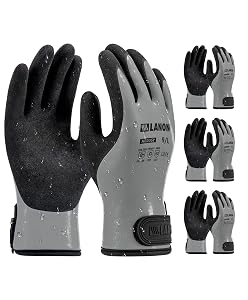
- Coating: Double latex coating for waterproofing
- Insulation: Thermal lining for cold weather use
- Grip: Heavy duty non-slip surface
- Closure: Secure wrist closure
LANON gloves are built more for heavy-duty outdoor work than performance cycling, but their waterproof latex coating and thermal insulation make them a practical choice for slow winter commutes or utility riding in wet, freezing conditions. The rugged construction holds up well to repeated use.
The non-slip coating provides a firm grip even when wet, which is useful for handling gear or gripping handlebars in sleet. However, the thicker latex coating reduces fine finger dexterity, so they’re less ideal for road cyclists needing precise shifting and braking control.
Pros: Fully waterproof, very durable, strong grip in wet conditions.
Cons: Bulky, reduced dexterity, not touchscreen compatible.
How to Choose the Best Winter Cycling Gloves
Winter cycling gloves are not a one-size-fits-all purchase. Riding style, local climate, ride duration, and personal cold tolerance all influence which pair will work best for you. Below is a detailed breakdown of the factors that matter most when choosing gloves for cold-weather cycling.
Understand Your Riding Conditions
Before comparing gloves, think honestly about the conditions you actually ride in. A short daily commute in mildly cold, dry weather has very different demands than a long weekend ride through freezing rain or snow. Riders in consistently sub-freezing climates need heavier insulation and full waterproofing, while riders in milder winter climates may only need a light thermal liner glove.
Temperature Range
Check whether the manufacturer lists a temperature rating. Gloves like the MOREOK pair, rated down to -30°F, are built for genuinely extreme cold, while lighter gloves such as the SIMARI liners are better suited to temperatures closer to freezing rather than deep winter conditions. Matching the glove’s rated range to your actual riding temperature prevents both overheating and underprotection.
Duration and Intensity of Rides
Short, high-intensity rides generate more body heat, so slightly lighter gloves may suffice. Long, steady rides at lower intensity, such as touring or commuting, cool the hands faster and benefit from heavier insulation and better wind blocking.
Insulation and Warmth
Insulation material significantly affects both warmth and bulk. Common options include Thinsulate, polar fleece, and flannel linings. Thinsulate, particularly 3M Thinsulate at 200 grams, offers excellent warmth-to-thickness ratio, which is why it appears in several of the warmest gloves reviewed above. Fleece and flannel linings are softer and often more breathable but generally provide less warmth per layer.
Consider these insulation types when comparing gloves:
- 3M Thinsulate: high warmth, moderate bulk, good for extreme cold
- Polar fleece: soft, breathable, moderate warmth
- Flannel lining: lightweight, best for mild cold or as a liner
- Latex or rubber coating: waterproof but least breathable
Waterproofing and Wind Resistance
Moisture is often a bigger problem than cold air alone, since wet gloves lose insulating value quickly. Look for a dedicated waterproof membrane, such as TPU laminate, rather than gloves that are only described as water-resistant, which typically handle light drizzle but not sustained rain or snow immersion.
Windproofing
Wind cuts through thin fabrics and rapidly drops the effective temperature on your hands. Softshell or laminated outer layers, as used in the PEARL IZUMI and GripGrab gloves, block wind more effectively than simple woven fabrics.
Breathability Trade-Off
Fully waterproof gloves, especially latex-coated work gloves, tend to trap sweat and moisture inside, which can leave hands clammy on milder days or during high-exertion rides. Breathable waterproof membranes, like TPU laminates, attempt to balance protection with airflow.
Grip and Control
Since gloves sit between your hands and the handlebars, grip quality directly affects safety and comfort. Silicone printing, gel padding, and textured palms all improve control, particularly in wet conditions where smooth fabric palms can become slippery.
| Grip Feature | Best For |
|---|---|
| Silicone palm prints | Wet or icy conditions |
| Gel padding | Reducing vibration on long rides |
| Microfiber leather palm | General-purpose grip and durability |
| Nitrile rubber coating | Heavy-duty, high-friction grip |
Touchscreen Compatibility
Most modern winter cycling gloves include touchscreen-sensitive fingertips, usually on the thumb and index finger. This lets you operate a phone, GPS device, or bike computer without removing your gloves in the cold, which is a genuine convenience feature worth prioritizing if you rely on navigation apps or ride tracking during rides.
Fit and Sizing
A glove that is too loose reduces bar feel and can bunch up inside the fingers, while one that is too tight restricts circulation and increases cold sensitivity. Many performance gloves, including tighter-fitting options like GripGrab, recommend sizing up from your usual size. Always check the manufacturer’s size chart rather than relying on generic sizing, and measure your hand circumference if uncertain.
Wrist Closure and Cuff Design
A secure wrist closure, typically a hook and loop strap or adjustable buckle, prevents cold air and moisture from entering at the wrist. Extended gauntlet-style cuffs that overlap with a jacket sleeve offer additional protection, which is particularly useful during high-speed descents or windy conditions.
Dexterity Versus Warmth
There is often a trade-off between maximum warmth and fine motor control. Heavily insulated or thickly padded gloves keep hands warmer but can make it harder to operate brake levers, shifters, or zippers precisely. Riders who need fine control, such as road or mountain bikers navigating technical terrain, may prefer a slightly less insulated glove with better dexterity, while commuters riding flatter, less technical routes can prioritize warmth.
Durability and Care
Check the recommended care instructions before buying, since some waterproof membranes are damaged by machine washing or high-heat drying. Gloves with waterproof membranes, such as the ihuan and GripGrab models, typically require hand washing and air drying to preserve their waterproofing over time.
Matching Gloves to Activity
Finally, consider whether the gloves are designed specifically for cycling or for general winter use. Cycling-specific gloves usually include palm padding for vibration absorption and a curved fit for gripping handlebars, while general winter or ski gloves may prioritize bulk warmth over bar feel. If you split time between cycling, driving, and walking, a versatile multi-purpose glove like SIMARI or Deemii may suit you better than a highly specialized cycling glove.
Choosing the best winter cycling gloves ultimately comes down to matching insulation, waterproofing, grip, and fit to your specific riding conditions and priorities. Considering these factors alongside the reviews above will help you find a pair that keeps your hands warm, dry, and in full control through the coldest months of the year.