Best Dirt Bike Helmets for Trail Riding of 2026
For trail riders, a good helmet isn’t just about looks—it’s about staying safe on rough, rocky paths. You need something breathable, lightweight, and tough enough to handle branches and bumps. With so many options out there, picking the right one can feel tricky. That’s why we’ve rounded up the best dirt bike helmets for trail riding, focusing on comfort, protection, and value to help you ride with confidence.
1. CARTMAN Dirt Bike Helmet

- Certification: FMVSS-218 & DOT Certified
- Sizes: S, M, L, XL (21.3″ – 24″ / 54–61 cm)
- Shell Material: Reinforced ABS
- Features: Removable liner, adjustable sun visor, aerodynamic shape
The CARTMAN Dirt Bike Helmet delivers impressive safety credentials with its FMVSS-218 and DOT certification, ensuring rigorous quality control on every batch. The reinforced ABS shell and adjustable chin strap provide a secure fit, while the removable liner makes cleaning effortless. Riders will appreciate the aerodynamic design that cuts down wind drag and noise, and the adjustable sun visor offers excellent protection against glare and harsh sunlight in any condition.
This versatile helmet is ideal for adults and teens engaging in motorcycle riding, biking, ATV adventures, karting, skiing, and more, making it a perfect gift for family and friends. The available sizes (S to XL) fit head circumferences from 21.3 to 24 inches, so most riders can find a comfortable fit. While the build quality is solid for its price range, some users note that the padding could be plusher for extended rides.
- Pros: Excellent safety certifications, versatile use, removable liner, aerodynamic and quiet.
- Cons: Padding could be thicker, sizing runs slightly small.
See the CARTMAN Dirt Bike Helmet
2. Roozo Kids Dirt Bike Helmet
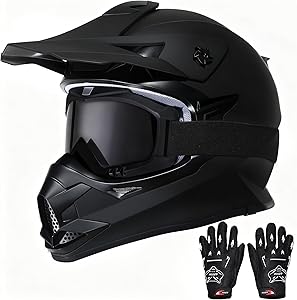
- Certification: DOT FMVSS-218
- Materials: ABS shell + high-density EPS foam liner
- Kit Includes: Helmet, goggles, riding gloves, dust bag
- Sizes: S (49-50cm) to XL (55-56cm)
The Roozo Kids Dirt Bike Helmet is a fantastic choice for young adventurers, meeting DOT FMVSS-218 safety standards with a durable ABS shell and high-density EPS liner. The soft, cushioned inner lining absorbs sweat and is detachable for easy cleaning, while multiple vents enhance airflow to keep kids cool during their rides. The included youth riding set comes with goggles, gloves, and a helmet dust bag, offering exceptional value for parents.
The quick-release safety buckle makes it easy for kids to secure the helmet themselves, promoting independence without compromising safety. Available in four sizes from S to XL (head circumferences 49-56 cm), this helmet accommodates growing riders. Cool designs and colors make it appealing for both boys and girls, and it’s perfect for dirt biking, ATV, UTV, and off-road activities. A minor drawback is that the goggles may not fit very small faces perfectly.
- Pros: Complete kit with goggles and gloves, DOT certified, excellent ventilation, fun designs.
- Cons: Goggles may be large for smaller kids, padding could be softer.
See the Roozo Kids Dirt Bike Helmet
3. ILM Open Face Helmet

- Certification: FMVSS-218 & DOT
- Design: 3/4 open face with detachable lens, sun shield, chin guard
- Closure: Quick release buckle
- Ventilation: Multiple vents for breathability
The ILM Open Face Helmet meets or exceeds FMVSS-218 and DOT safety standards, providing reliable protection for a wide range of riding activities. Its modular design features a detachable lens, sun shield, and chin guard, all easily replaceable for added convenience. The ventilation system with multiple vents ensures breathable comfort, keeping you cool even on warmer days. The quick-release buckle allows riders to take the helmet on and off quickly, a great feature for frequent stops.
This 3/4 open face helmet is versatile, fitting both men and women for ATV, MTB, dirt bike, street bike, cruiser, scooter, moped, and electric dirt bike use. The open-face design offers excellent peripheral vision and a less confined feel compared to full-face models, though it sacrifices some chin protection. Riders looking for a balance between safety, visibility, and airflow will appreciate this ILM helmet. However, wind noise can be noticeable at higher speeds due to the open design.
- Pros: Versatile 3/4 design, quick release buckle, detachable components, great ventilation.
- Cons: Less chin protection than full-face, noticeable wind noise at speed.
4. OUMURS ATV Helmet
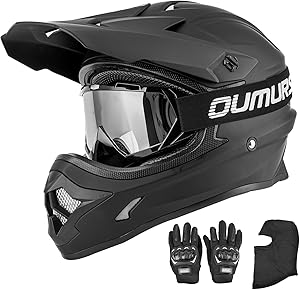
- Certification: DOT FMVSS-218
- Sizes: M (22.5″-22.9″) to XXL (24.75″-25.1″)
- Kit: Includes goggles, gloves, and mask
- Vents: Multiple air vents with reduced wind noise
The OUMURS ATV Helmet meets DOT FMVSS-218 safety standards, combining a high-quality ABS shell with EPS linings for dependable protection. This all-in-one package includes goggles, gloves, and a mask—everything you need for a safe ride. The multiple air vents allow fresh air to circulate continuously, and the optimized vent design reduces wind noise for a quieter riding experience. The quick-release buckle makes it easy to wear and remove, always durable and reliable.
Available in adult sizes M through XXL (head circumferences from 22.5 to 25.1 inches), this helmet accommodates a wide range of head sizes. The included accessories provide windproof and UV-resistant protection, resisting sun interference while offering clear, wide vision. It’s an excellent choice for dirt bike or ATV riders who want a complete set without buying separate pieces. One consideration is that the included gloves may not fit all hand sizes perfectly, so checking sizing is advised.
- Pros: Complete kit with goggles, gloves, mask; quiet ventilation; wide size range including XXL.
- Cons: Gloves fit may vary, slightly heavier than premium helmets.
5. Fox Racing V Core MIPS

- Certifications: DOT, ECE22.06, FMVSS 218
- Safety Tech: MIPS for rotational impact reduction
- Visor: Magnetic release system to reduce neck strain
- Vents: 9 intake, 4 exhaust vents with 4 shell sizes
The Fox Racing V Core MIPS is a premium dirt bike helmet that exceeds safety standards with DOT and ECE22.06 certifications. Equipped with MIPS technology, it reduces rotational forces during angled impacts, providing an extra layer of protection on the track or trail. The magnetic visor release system stays secure under roost but detaches during a crash to reduce neck strain risk. Nine intake and four exhaust vents maximize airflow and moisture management, keeping you cool under pressure.
The lightweight injection-molded polycarbonate and ABS shell construction offers a precise fit with four shell and five EPS sizes, ensuring comfort across different head shapes. Fox Racing designed this helmet for a snug, secure fit, so measure your head circumference and consult the size guide carefully—if between sizes, sizing up is recommended. While the price is higher than entry-level helmets, the advanced safety features and ventilation make it worth the investment for serious riders.
- Pros: MIPS technology, magnetic visor release, excellent ventilation, premium build quality.
- Cons: Expensive, sizing can be tricky (size up recommended).
See the Fox Racing V Core MIPS
6. GLX GX23
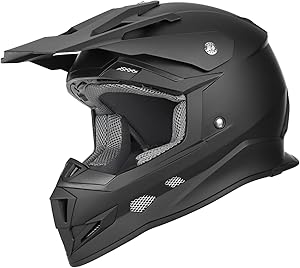
- Design: Aerodynamic spoiler with consistent shell thickness
- Ventilation: Wind-tunnel optimized vent ports
- Safety: Shell molding + multi-density EPS liner
- Interior: Fully removable, washable, adjustable, replaceable
The GLX GX23 features an aerodynamic spoiler integrated into its shell using state-of-the-art forming technology, ensuring consistent thickness for optimal strength and lightweight performance. Its ventilation system, developed in GLX’s wind tunnel, features optimized vent port shapes, sizes, and locations to provide exceptional cooling during intense racing or riding. The multi-density EPS liner works with GLX’s shell molding technology to significantly reduce rotational forces to the head without compromising quality.
Riders will love the plush, secure fit of the GX23’s fully removable, washable, adjustable, and replaceable interior system. The liner absorbs and dissipates sweat twice as fast as standard materials, keeping you comfortable during long rides. Built with cutting-edge technology, this helmet is ready for demanding riding conditions. The premium construction comes at a mid-range price, offering great value. Some users note that the spoiler can catch wind at very high speeds, but overall it’s a solid performer.
- Pros: Advanced ventilation, multi-density EPS for safety, fully customizable interior, great value.
- Cons: Spoiler may create drag at extreme speeds, slightly noisy.
7. ILM Full Face Helmet
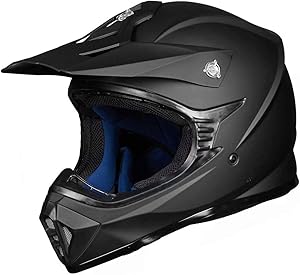
- Certification: DOT, FMVSS-218
- Shell: Upgraded lightweight ABS with vented EPS liner
- Vents: Front and back air vents for maximum airflow
- Visor: Detachable, rotates to block sun
The ILM Full Face Helmet is DOT certified, meeting or exceeding FMVSS-218 safety standards. Its upgraded lightweight ABS shell and thick, high-density fully vented EPS liner provide better protection and comfortable wearing. The sleek aerodynamic design is made for speed, with front and back air vents working together for maximum ventilation. Detachable and washable inner pads make maintenance easy, while the detachable visor can be rotated to account for the sun’s direction or removed entirely when not needed.
This full-face helmet offers the protection of a solid chin bar with the convenience of a removable visor. Riders will appreciate the secure feel and the effective airflow system that keeps fogging to a minimum. The visor’s adjustability is a standout feature, allowing you to block glare without compromising visibility. While the helmet performs well for its price point, some riders note that the padding could be plusher for all-day comfort and that wind noise is moderate at highway speeds.
- Pros: DOT certified, lightweight, good ventilation, detachable and adjustable visor.
- Cons: Padding could be softer, moderate wind noise.
8. ILM Helmet with Goggles
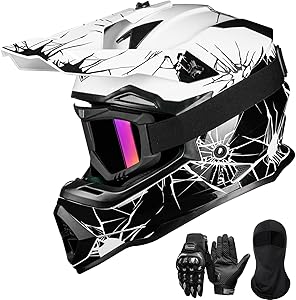
- Certification: DOT & FMVSS 218
- Sizes: S (21.6″) to 2XL (24.75″-25.25″)
- Kit: Helmet, goggles, gloves, balaclava mask
- Visor: Adjustable knob for glare blocking
The ILM WS901 Dirt Bike Helmet meets DOT and FMVSS 218 safety standards and comes as a 4-in-1 package including a pair of motorcycle gloves, a balaclava face mask, and tinted goggles for complete protection from wind, dust, and glare. The adjustable sun visor features a convenient knob at the top of the helmet, allowing effortless angle changes to block glare and optimize visibility in varying light conditions. Sizes range from Adult-S to 2XL, accommodating a wide variety of head sizes.
The soft, breathable liner is crafted from three-dimensional cut material that conforms to your head shape for optimal ergonomic support, and its fully detachable design allows for quick washing after each ride. Strategically placed air vents facilitate fresh air intake while expelling heat for continuous cooling comfort, even during intense summer rides. The inclusion of gloves and a mask adds significant value, though some users find the goggles fit better over the helmet than under it.
- Pros: Complete 4-in-1 kit, adjustable visor knob, breathable washable liner, wide size range.
- Cons: Goggles placement can be tricky, gloves are basic quality.
See the ILM Helmet with Goggles
9. OUMURS Youth Dirt Bike Helmet
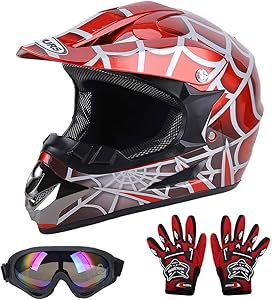
- Weight: Ultra-lightweight 2.31 lbs (1050g ±30g)
- Sizes: S (19.25″) to XL (21.6″-22″)
- Certification: DOT FMVSS-218
- Visor: Adjustable, removable, rotates for sun protection
The OUMURS Youth Dirt Bike Helmet is ultra-lightweight at just 2.31 pounds, making it up to 20% lighter than typical youth helmets. It meets strict DOT FMVSS-218 standards with a high-impact ABS shell and dense EPS foam liner featuring soft, non-irritating padding. Smart top and chin vents create direct airflow to key cooling zones for all-day comfort. The one-hand quick-release buckle lets kids snap the helmet on and off easily, encouraging proper safety habits.
The adjustable and removable sun visor rotates to block direct sunlight and reduce glare while maintaining full peripheral vision, preventing eye strain on long rides. The breathable, sweat-wicking liner and cheek pads are fully removable and machine-washable for lasting freshness. Ideal for motocross, dirt biking, ATV riding, street use, and off-road trails, this helmet makes an excellent birthday or Christmas gift. The XL size fits smaller adults too, adding versatility. A snug fit is intentional for safety—order one size up for a looser feel.
- Pros: Extremely lightweight, DOT certified, washable liner, great gift for young riders.
- Cons: Snug fit by design (size up if preferred), visor can feel flimsy.
See the OUMURS Youth Dirt Bike Helmet
10. DLPACKJ Motocross Helmet

- Closure: Quick release buckle (secure, slightly tight fit)
- Design: Aerodynamic spoiler integrated into shell
- Materials: Solid ABS die-cast shell + high-density EPS liner
- Kit: Includes goggles, gloves, and mask
The DLPACKJ Motocross Helmet features a quick-release buckle on the adjustable chin strap, ensuring a secure fit that may run slightly tight for safety. Utilizing state-of-the-art shell forming technology, it integrates an aerodynamic spoiler into the shell with consistent thickness for optimal strength and lightweight performance. The solid ABS material die-casting and high-density fully vented EPS liner bring better protection and comfortable wearing. The complete accessory package includes goggles, gloves, and mask for windproof and UV-resistant protection.
Put on the included equipment, and you’ll get clear, wide vision while resisting sun interference. DLPACKJ offers a free replacement service if the helmet size isn’t suitable, though they recommend keeping packaging intact before confirming fit. This helmet is a good value considering the included accessories and solid construction. The slightly tight fit is intentional for safety but may feel uncomfortable initially for some riders. The goggles and gloves are functional but not premium quality, which is expected at this price point.
- Pros: Complete kit with goggles, gloves, mask; aerodynamic design; free size replacement service.
- Cons: Intentionally tight fit (may not suit everyone), accessories are basic quality.
See the DLPACKJ Motocross Helmet
How to Choose the Perfect Dirt Bike Helmet for Trail Riding
Trail riding is one of the most dynamic and exhilarating forms of off-road motorcycling. Unlike the predictable, manicured terrain of a motocross track, the trail presents an ever-changing landscape of variables. In a single ride, you might encounter low-hanging tree branches, loose rock gardens, slick mud patches, sudden steep descents, and unpredictable wildlife. Because the environment is so diverse, your safety gear must be equally versatile. Among all your protective equipment, your helmet is indisputably the most critical. Choosing the right dirt bike helmet specifically tailored for trail riding requires a deep understanding of safety standards, ventilation, weight, comfort, and specialized trail features.
Understanding the Unique Demands of Trail Riding
To choose the right helmet, you must first understand how trail riding differs from other disciplines like motocross or dual-sport riding. Motocross riders typically engage in high-speed, intense bursts of riding lasting 20 to 30 minutes on a closed course. Trail riders, on the other hand, are often out in the wilderness for hours—sometimes an entire day.
This extended duration introduces two major factors: physical fatigue and environmental variance. A helmet that feels fine for a 15-minute moto might feel like a lead weight after four hours of navigating technical single-track trails. Furthermore, trail riding often involves lower speeds with much higher physical exertion, such as when wrestling a heavy bike through a boulder field or pulling it out of a mud hole. This means you generate massive amounts of body heat at speeds that don’t provide a lot of natural airflow, making ventilation a paramount concern.
Safety Ratings: The Non-Negotiable Foundation
Before looking at style, color, or creature comforts, you must ensure the helmet meets rigorous safety standards. Never buy a helmet that lacks a verified safety certification from a reputable organization.
DOT Certification
In the United States, the Department of Transportation (DOT) sets the minimum legal standard for helmets used on public roads and lands. While a DOT sticker is mandatory, it represents a baseline certification. The testing is self-regulated by manufacturers, meaning you should ideally look for a helmet that meets DOT standards in tandem with more stringent third-party certifications.
ECE 22.05 and ECE 22.06 Standards
The Economic Commission for Europe (ECE) standard is highly respected worldwide and is accepted by most racing organizations. The newer ECE 22.06 standard is particularly rigorous, testing for rotational impacts, varying impact speeds, and even the structural integrity of the visor and accessories. An ECE-rated helmet offers excellent, scientifically validated protection for trail riders.
Snell Certification
The Snell Memorial Foundation is an independent, non-profit organization that applies incredibly demanding testing criteria. Snell tests focus heavily on high-energy impacts and repetitive strikes. While excellent for high-speed track riding, some riders find Snell-approved helmets to be slightly stiffer, which can sometimes transfer more energy to the head in low-speed, typical trail tumbles compared to ECE-rated helmets.
Rotational Impact Protection Systems
In the past, helmets were designed primarily to protect against linear impacts—essentially a straight-on blow to the skull. However, medical science has shown that most real-world motorcycle crashes involve oblique or angled impacts that cause the brain to rotate violently inside the skull, leading to concussions and severe traumatic brain injuries (TBI).
When choosing a trail helmet, look for integrated rotational management systems. The most common system is MIPS (Multi-directional Impact Protection System), which uses a low-friction slip-plane layer inside the helmet to allow 10 to 15 millimeters of relative movement in all directions, mimicking the brain’s natural defense mechanism. Other manufacturers use proprietary technologies, such as Leatt’s 360 Turbine Technology or 6D’s Omni-Directional Suspension (ODS). These systems are highly recommended for trail riding, where catching a handlebar or a tree root frequently results in rotational twisting falls.
Ventilation: Staying Cool on Technical Terrain
As mentioned, trail riding is hard work. When you are stuck in a tight, technical switchback section in mid-summer, you will sweat profusely. Poor ventilation leads to overheating, which rapidly accelerates physical exhaustion and degrades your focus, directly increasing your risk of crashing.
Look for a helmet with a robust matrix of intake and exhaust vents. Air should enter through the chin bar and forehead vents, travel through deep channels molded into the internal EPS (expanded polystyrene) foam liner, and pull heat and moisture out through rear exhaust vents. Avoid helmets with minimal ventilation ports or those designed primarily for cold weather unless you exclusively ride in winter conditions. A prominent, well-vented chin bar is also essential, as it allows you to breathe deeply without feeling suffocated by your own exhaled carbon dioxide.
Weight and Construction Materials
The weight of your helmet directly impacts neck fatigue. Over hours of riding, a heavy helmet will strain your neck muscles, leading to soreness and reduced ability to look ahead and spot trail hazards.
Polycarbonate and ABS Plastic
These are the most common materials for entry-level helmets. They are highly durable, budget-friendly, and offer good protection. However, they tend to be heavier, often weighing upwards of 3.5 to 4 pounds.
Fiberglass Composites
Mid-range helmets often use fiberglass or proprietary composite blends. These shells are stronger and lighter than pure polycarbonate, offering an excellent balance of cost, weight, and safety performance.
Carbon Fiber
Premium trail helmets utilize carbon fiber construction. Carbon fiber is incredibly strong and remarkably lightweight, often dropping helmet weight closer to 2.8 to 3 pounds. While carbon fiber helmets carry a premium price tag, the reduction in neck fatigue during long weekend trail loops makes them a worthwhile investment for serious riders.
Fit and Comfort: The Key to Long-Distance Endurance
Even the safest, most expensive carbon-fiber helmet will be useless if it causes an agonizing pressure point on your forehead an hour into a ride. A proper fit is crucial for both safety and comfort.
Determining Your Head Shape
Human heads generally fall into three shape categories: round oval, intermediate oval, and long oval. Most manufacturers design for an intermediate oval shape, but brands vary. To find your fit, measure the circumference of your head just above your eyebrows. When you try on a helmet, it should feel snug all the way around—like a firm handshake—without any specific localized pressure points. The cheek pads should press firmly against your face, pushing your cheeks up slightly; they will break in and soften by roughly 10% to 20% after a few hours of use.
Interior Liner Quality
Look for a moisture-wicking, antimicrobial comfort liner that can be completely removed and washed. Trail riding is a muddy, dusty, and sweaty endeavor. Being able to pull out the cheek pads and comfort liner to throw them in the washing machine ensures your helmet stays hygienic and doesn’t develop unpleasant odors over time.
Trail-Specific Features to Look For
When narrowing down your selection, keep an eye out for features specifically engineered to improve the off-road trail riding experience.
Goggle Compatibility and Eyeport Design
Dirt bike helmets require separate goggles for eye protection. Ensure the helmet’s eyeport is wide enough to accommodate your preferred brand of goggles without pushing them down onto your nose, which restricts breathing. Many trail helmets feature molded ridges or grooves on the back of the shell to securely keep your goggle strap in place.
Adjustable and Breakaway Visors
The visor (or peak) blocks the sun, shields your eyes from roost thrown up by other bikes, and protects your face from low-hanging branches. Look for an adjustable visor so you can tune your field of view. Additionally, many modern helmets feature breakaway visor screws made of plastic or magnetic mounts. In a crash, the visor breaks away cleanly rather than digging into the dirt, preventing the helmet from twisting your neck.
Hydration System Integration
Because trail riders often wear hydration backpacks, some advanced trail helmets feature dedicated routing channels in the chin bar for a hydration tube. This allows you to drink water on the move without having to remove your helmet or take your hands off the handlebars for extended periods.
Conclusion
Choosing a dirt bike helmet for trail riding requires finding a balance between robust safety certifications, excellent ventilation, low weight, and all-day comfort. Budget generously for your helmet; it is an investment in your brain’s long-term health. Prioritize models featuring rotational impact protection like MIPS, and take the time to measure your head accurately to ensure a perfect fit. With the right helmet securely fastened, you can hit the trails with total confidence, ready to enjoy whatever challenges nature throws your way.