Best Dirt Bike Rear Tire of 2025
Choosing the best dirt bike rear tire is important for a smooth and safe ride. The right tire gives better grip, control, and comfort. It helps you ride well on dirt, mud, rocks, or trails. A good rear tire also improves your bike’s handling and speed. There are many options in the market. Each one is made for different riding styles and surfaces. Some tires are great for racing, while others work well for trail riding. In this article, we will explore the best dirt bike rear tires available. We will look at their features, pros, and cons. This guide will help you pick the perfect tire for your ride.
1. Tusk EMEX T-35 Soft/Intermediate Terrain Tire Set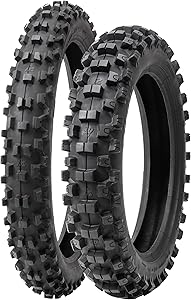
Technical Specifications:
- Terrain Type: Soft to intermediate
- Rear Tire Size: 110/100-18
- Construction: Reinforced carcass design
- Tread Pattern: Aggressive knob spacing for improved grip
The Tusk EMEX T-35 Soft/Intermediate Terrain Tire is tailored for off-road riders who demand performance on varied terrain. This tire set offers a balance of durability and control, making it a great fit for weekend warriors and occasional racers. With its wide knob spacing and reinforced sidewalls, it excels in muddy and loose conditions, while still maintaining traction on intermediate surfaces.
One of the standout features of this tire is its handling stability. Whether you’re riding through loamy trails or rocky dirt paths, the tire responds predictably. Riders have reported excellent braking grip and cornering confidence, thanks to the optimized tread layout. While it may not be the most long-lasting option for extremely rocky terrains, it delivers impressive value for its price.
Pros:
- Excellent grip in soft and intermediate terrains
- Stable handling and responsive performance
- Aggressive tread design for better braking
- Affordable pricing for a set
Cons:
- Wears faster on hard terrain
- Not ideal for deep sand or hardpack racing
2. WIG Racing 110/100-18 Off Road Dirt Bike Motocross Tire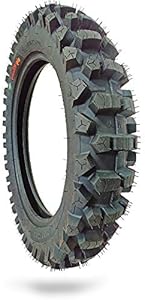
- Tire Size: 110/100-18
- Ply Rating: 6-ply construction
- Tread Design: Deep lugs for improved dirt grip
- Tube Type: Yes
The WIG Racing 110/100-18 Off Road Dirt Bike Tire is built for motocross riders who need a dependable rear tire on demanding trails. With a 6-ply construction, it provides impressive durability and puncture resistance, making it well-suited for rocky and unpredictable terrains. The deep tread design digs into dirt and loose soil effectively, enhancing traction and stability.
Ideal for trail and enduro riders, the WIG Racing tire offers great grip on both climbs and descents. Its rigid sidewall construction maintains shape and control at high speeds, especially in rough conditions. While it may feel slightly stiffer than some softer compound tires, the trade-off is longer lifespan and reduced pinch flats.
Pros:
- Durable 6-ply construction
- Deep tread offers excellent off-road grip
- Affordable and reliable for off-road use
- Resists punctures effectively
Cons:
- Slightly heavy for racing applications
- Can feel stiff on softer terrain
3. HIAORS 3.00-12 80/100-12 Rear Tire with Tube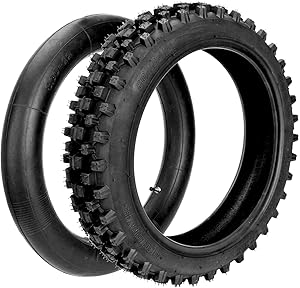
- Tire Size: 3.00-12 / 80/100-12
- Compatible Bikes: 90cc to 125cc dirt bikes
- Tread Design: Knobby off-road pattern
- Includes: Inner tube
The HIAORS 3.00-12 rear tire and tube combo is a convenient and budget-friendly option for small-displacement dirt bikes. Compatible with a wide range of brands like KLX110, CRF70, and TaoTao, this tire offers decent traction for casual trail riding and beginner motocross use. The tread pattern ensures it handles light mud, gravel, and dry dirt with ease.
It’s a solid choice for youth or entry-level riders who need reliable grip without breaking the bank. The package includes an inner tube, adding value and saving buyers a separate purchase. While it’s not intended for competitive riding, the HIAORS tire delivers a good performance for general recreational use.
Pros:
- Great value with included inner tube
- Decent grip for casual off-roading
- Broad compatibility with small bikes
- Easy to install
Cons:
- Not suited for aggressive or high-speed riding
- Moderate durability in rocky terrains
4. HOLATO 80/100-12 Rear Tire with Tube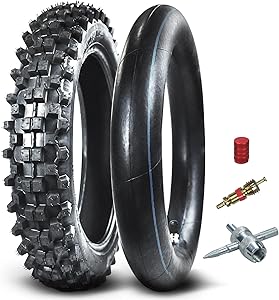
- Tire Size: 80/100-12 (3.00-12)
- Compatible with: 110cc-125cc bikes
- Tread Pattern: Off-road knobby design
- Includes: Heavy-duty inner tube
The HOLATO rear tire and tube combo is an ideal upgrade for riders with 110cc or 125cc dirt bikes. It’s built to handle various terrains like loose dirt, trails, and small jumps. The tread pattern is designed to grip well during acceleration and braking, offering an extra layer of safety for youth and amateur riders.
Its heavy-duty construction enhances reliability on bumpy trails and backyard tracks. The included tube is thick and resilient, minimizing flats during off-road excursions. Though it may not be the best for serious motocross tracks, it’s a dependable tire for recreational or trail use.
Pros:
- Good grip on most dirt terrains
- Heavy-duty tube minimizes flats
- Easy installation and setup
- Compatible with a wide range of dirt bikes
Cons:
- Not designed for competition-level use
- Slightly stiff for lightweight riders
5. MAXXIS Maxxcross IT (M7305) Rear Tire
- Tire Size: 90/100-14
- Compound: Intermediate rubber compound
- Tread Pattern: IT (Intermediate Terrain)
- Tube Type: Yes
The MAXXIS Maxxcross IT M7305 is a go-to rear tire for riders who enjoy riding on intermediate and hard-packed terrain. Known for its durability, this tire is a favorite for weekend racers and serious trail enthusiasts alike. Its rubber compound balances wear resistance and traction, providing reliable performance across mixed conditions.
With a rugged tread design, the M7305 delivers excellent cornering traction and braking control. Riders appreciate its ability to hold up under pressure, especially during longer trail sessions. Though slightly heavier than race-specific tires, the Maxxcross IT offers a superior lifespan.
Pros:
- Excellent tread life
- Great performance on mixed terrain
- Predictable handling and cornering
- Trusted brand reliability
Cons:
- Slightly heavy for lightweight bikes
- Not ideal for soft terrain
6. Kenda K760 Rear Tire – 90/100-14
- Tire Size: 90/100-14
- Type: Dual sport/enduro
- Load Rating: 49C
- Ply Rating: 6-ply
The Kenda K760 90/100-14 rear tire is an all-rounder dual sport option designed for dirt and street transitions. With a 6-ply build, it can withstand rough off-road terrains while staying DOT-compliant for light on-road usage. It’s a solid pick for riders who want one tire for weekend trail rides and occasional road riding.
Its deep lugs and high void ratio offer strong off-road bite, while the durable casing resists wear on pavement. However, the ride may feel slightly noisy or bumpy on asphalt. This tire offers exceptional versatility and value for budget-conscious dual sport riders.
Pros:
- Great for both dirt and light road use
- Strong puncture resistance
- Long-lasting tread life
- Affordable dual-sport choice
Cons:
- Noisy on-road
- Limited grip on wet pavement
7. Kenda K760 Rear Tire – 90/100-16
- Tire Size: 90/100-16
- Type: Dual/Enduro off-road tire
- Load Rating: 57C
- Construction: Bias-ply, 6-ply rating
The Kenda K760 90/100-16 rear tire shares many strengths with its 14-inch counterpart, offering a bigger size for bikes needing slightly taller profiles. Its aggressive tread pattern bites into loose terrain and maintains stability through corners. The 6-ply bias-ply build boosts durability, making it a favorite for enduro and trail riders.
This tire holds up well against rocks, ruts, and dirt while being legally usable on paved roads. It performs best in dry to semi-wet off-road conditions but isn’t built for wet asphalt or slick mud. A reliable tire for mixed-use riders who want ruggedness and value.
Pros:
- Ideal for off-road trail and enduro
- Strong sidewall durability
- Versatile for street-legal use
- Cost-effective for the performance
Cons:
- Mediocre grip on wet or muddy trails
- Not designed for speed-focused motocross
How to Choose the Right Dirt Bike Rear Tire: A Complete Guide
When it comes to dirt biking, your rear tire plays a crucial role in performance, safety, and handling. Choosing the right dirt bike rear tire can significantly affect how your bike grips different terrains, responds in corners, accelerates, and even how much fun you have while riding. Whether you’re an experienced rider or a beginner upgrading your setup, understanding how to choose the best dirt bike rear tire can transform your off-road experience.
In this guide, we’ll break down everything you need to know—tread patterns, terrain types, sizing, tire compounds, and maintenance tips—to help you make an informed decision.
1. Understand Your Riding Terrain
The first and most important factor when choosing a dirt bike rear tire is the terrain you’ll be riding on. Tires are specifically designed for different surfaces:
a. Soft Terrain (Sand, Mud, Loam)
Soft terrain tires have tall, widely spaced knobs that dig into soft surfaces and self-clean as they rotate. This spacing prevents the tire from getting clogged and losing grip. These tires are ideal for sandy tracks, muddy trails, or freshly tilled dirt.
b. Intermediate Terrain (Mix of Hard and Soft)
Intermediate tires are the most versatile, suitable for riders who experience mixed terrain. The knobs are moderately spaced and shaped to offer a balance between grip and durability. They work well in variable conditions and are a common choice for trail riders.
c. Hard Terrain (Hard-packed Dirt, Rocks)
Hard terrain tires feature shorter, tightly packed knobs for better contact and grip on firm ground. These are designed to withstand abrasion and provide maximum durability on rocky trails, gravel roads, or hard-packed tracks.
Pro Tip: If you’re not riding in the same environment every time, go for an intermediate tire. It’s the most forgiving and adaptable.
2. Choose the Right Tread Pattern
The tread pattern affects how your rear tire interacts with the ground. Here’s what to consider:
-
Wide and deep lugs are ideal for soft terrain—they dig in and offer excellent traction.
-
Tightly spaced knobs work better on hard terrain to maximize surface contact.
-
Asymmetric or directional treads may offer improved cornering or braking, depending on the design.
-
Paddle tires are a niche option designed specifically for dune and deep sand riding. They’re not suitable for trails or hard surfaces.
Check if your riding style (motocross, trail riding, enduro, dual-sport) matches the tread design. A motocross tire will focus more on traction and responsiveness, while a dual-sport tire must balance off-road traction and road legality.
3. Know Your Tire Size and Fitment
Rear dirt bike tires come in various sizes, and it’s essential to match the tire to your bike’s wheel and swingarm clearance. The sizing is usually indicated on the sidewall in a format like:
100/90-19
-
100 = Width in millimeters
-
90 = Aspect ratio (height as a percentage of width)
-
19 = Rim diameter in inches
Make sure the new tire fits your rim size and doesn’t interfere with the swingarm or chain. Also, a wider tire doesn’t always mean better traction—it can affect handling negatively if not matched to your bike’s power and geometry.
4. Select the Right Tire Compound
The compound, or rubber hardness, determines how the tire performs and wears:
-
Soft Compound Tires: Offer great grip, especially on hard or slick surfaces, but wear out quickly. Ideal for racing.
-
Intermediate Compound Tires: A balance between grip and durability. Good for trail riders or motocross riders who ride frequently.
-
Hard Compound Tires: Long-lasting and ideal for rocky terrain or abrasive trails, but they may offer less grip in wet or loose conditions.
If you’re a casual rider or beginner, intermediate or hard compounds will last longer and save money in the long run.
5. Tube vs. Tubeless Tires
Most dirt bike rear tires are tube-type, especially in motocross and trail bikes. However, tubeless options are becoming popular for their advantages:
-
Tube Tires: Cheaper, easier to repair in the field, and widely available.
-
Tubeless Tires: Better puncture resistance (with sealant), lower air pressure usage, and often lighter. But they require special rims or conversion kits.
Unless you’re racing or have a tubeless-ready setup, tube tires are usually more practical for most riders.
6. Durability and Brand Quality
Not all tires are created equal. Invest in a reputable brand known for quality and durability. Leading brands include:
-
Dunlop (e.g., MX33, D606)
-
Michelin (e.g., StarCross series)
-
Bridgestone
-
Maxxis
-
Pirelli
-
Kenda
Cheaper tires might save money initially but often wear out faster or underperform in challenging conditions.
7. Weather Considerations
If you’re riding in wet conditions, choose tires with deeper tread and a softer compound to maintain traction. In dry and hot weather, harder compounds are more durable and less likely to overheat or deform.
8. Check Tire Ratings and Reviews
Before purchasing, read user reviews and performance tests. Riders often share real-world experiences regarding traction, cornering, durability, and wear. Also, look for feedback from riders with similar bike models and riding styles.
9. Budget vs. Performance
While performance is important, so is your budget. Here’s how to balance both:
-
Casual Riders: A mid-range intermediate tire from a trusted brand offers good value.
-
Racers: Spend on soft compound, terrain-specific tires that offer peak grip.
-
Adventure/Dual-Sport Riders: Choose dual-purpose tires designed for both off-road and pavement.
Spending a bit more upfront on a quality tire will often save you from premature wear or poor ride performance.
10. Rear Tire Maintenance Tips
Once you’ve chosen and installed your rear tire, maintenance keeps it in top shape:
-
Check air pressure regularly. Incorrect pressure can reduce traction and increase wear.
-
Inspect for punctures, cuts, or worn knobs.
-
Clean the tire after muddy rides. Debris buildup can affect traction.
-
Rotate or flip directional tires if wear becomes uneven.
Replace your tire when the knobs are rounded or missing, or when the sidewalls show signs of cracking.
Final Thoughts
Choosing the right dirt bike rear tire isn’t just about what looks aggressive or fits your budget—it’s about matching the tire to the terrain, riding style, and your performance needs. The right rear tire will not only improve your grip and control but also boost your confidence and safety.
Whether you’re tackling muddy trails, rocky hills, or sandy tracks, make an informed choice and you’ll feel the difference every time you twist the throttle.