Best Motorcycle Jackets for Beginners of 2026
If you’re new to riding, picking the right jacket can feel overwhelming, but it doesn’t have to be. A good motorcycle jacket keeps you safe, blocks the wind, and helps you ride comfortably in any weather. This guide breaks down the best options for beginners—simple fits, solid protection, and fair prices. Whether you ride a cruiser or a sportbike, you’ll find a jacket that works for you without breaking the bank.
1. BORLENI Motorcycle Jacket
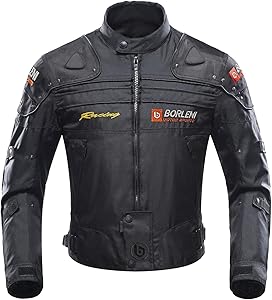
- Fabric: 600D abrasion-resistant, windproof polyester with mesh lining
- Armor: 4 removable CE protectors (shoulders & elbows) + 1 EVA back protector
- Liner: Removable thickened cotton liner for cold-weather riding
- Visibility: Reflective strip on back for nighttime safety
The BORLENI Motorcycle Jacket is a solid all-season option built for riders who want year-round versatility without breaking the bank. The 600D polyester shell holds up well against abrasion and wind, while the elasticity mesh lining keeps airflow moving during warmer rides. The removable cotton liner adds meaningful warmth for winter commutes, and the adjustable cuffs, collar, and hem let you dial in the fit.
Protection coverage is well-rounded with CE-rated shoulder and elbow armor plus an EVA back pad, all removable when you step off the bike. The two zippered external pockets are a practical touch for keeping essentials secure. The rear reflective strip improves low-light visibility, though riders who do a lot of night riding may wish for more reflective coverage across the jacket.
Pros:
- All-season versatility with removable liner
- Adjustable fit at cuffs, collar, and hem
- CE-certified armor at key impact zones
Cons:
- Reflective strip limited to back only
- No waterproof layer mentioned
See the BORLENI Motorcycle Jacket
2. ILM Riding Jacket

- Fabric: Mesh construction with 600D Oxford reinforcement at shoulders and elbows
- Armor: Removable CE-certified protectors at shoulders, elbows, and back
- Liner: Removable waterproof and thermal liner for cold and wet conditions
- Visibility: Reflective strips on front, back, and shoulders
The ILM Riding Jacket punches above its price class with a thoughtful combination of mesh breathability and all-weather adaptability. The mesh-dominant construction keeps airflow strong during summer heat, while the 600D Oxford panels at high-impact zones add the abrasion resistance you need if things go wrong. Swapping in the waterproof thermal liner transforms it into a capable cold and rainy-day jacket.
Four pockets — two outer, two inner — give you more storage than most competitors in this range. CE armor across shoulders, elbows, and back covers the critical zones, and the adjustable cuffs and hem help fine-tune the fit across body types. Reflective strips in three locations make this one of the better-equipped jackets for night riding at this price point.
Pros:
- Excellent reflective coverage (front, back, shoulders)
- Four total pockets for generous storage
- Waterproof liner included
Cons:
- Mesh panels may feel thin for colder climates
- Liner removal can be time-consuming
3. CUBER Breathable Mesh Jacket
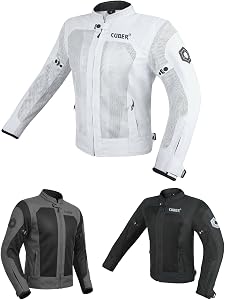
- Fabric: 600D+ Cordura textile with 3D macro and micro mesh panels on front, back, and sleeves
- Armor: 5 removable CE-approved protectors (2 shoulders, 2 elbows, 1 back)
- Fit: Adjustable at cuffs, forearm, biceps, collar, and waist
- Visibility: High-visibility colorway with reflective logos
The CUBER Breathable Mesh Jacket sets itself apart with one of the most comprehensive airflow systems in its category. The full 3D macro and micro mesh coverage across the front, back, and sleeves delivers exceptional ventilation during summer heat, making it a top pick for warm-weather commuters and touring riders alike. The lightweight Cordura textile keeps the jacket from feeling burdensome on long days in the saddle.
Fit customization is notably thorough — with five independent adjustment points, dialing in a snug, protective fit is straightforward regardless of body shape. The five-piece CE armor package covers all major impact zones, and the high-visibility design combined with reflective logos gives riders excellent low-light presence. Layering underneath in winter makes this a capable year-round jacket without a separate liner system.
Pros:
- Industry-leading airflow with full 3D mesh panels
- Five-point adjustable fit system
- Compatible with a wide range of motorcycle types
Cons:
- No integrated thermal liner included
- High-vis colorway may not suit all riders’ style preferences
See the CUBER Breathable Mesh Jacket
4. IRON JIA’S Motorcycle Jacket

- Fabric: Premium 600D Oxford fabric with mesh construction for breathability
- Armor: CE-certified shoulder and elbow armor plus removable EVA back protector
- Fit: Hook-and-loop adjusters at upper arms, cuffs, collar, and hem
- Visibility: Reflective strips on shoulders for enhanced night riding safety
IRON JIA’S brings a style-conscious approach to protective riding gear without sacrificing the fundamentals. The 600D Oxford mesh construction balances durability with breathability effectively, making it a strong choice for summer and transitional riding. Hook-and-loop adjusters at four points — upper arms, cuffs, collar, and hem — offer a level of fit customization that many jackets in this price range skip over.
CE-certified armor at the shoulders and elbows, paired with the EVA back protector, gives riders solid all-around impact coverage. The zippered side pockets keep essentials accessible and secure. One thing to keep in mind: this jacket runs slim, so sizing up when wearing the full armor set is recommended for a comfortable, unrestricted fit on longer rides.
Pros:
- Stylish design that transitions well off the bike
- Four-point hook-and-loop fit adjustment
- CE-certified armor across key impact zones
Cons:
- Slim cut requires sizing up with armor
- Reflective coverage limited to shoulders only
See the IRON JIA’S Motorcycle Jacket
5. Zyxformis Biker Jacket

- Fabric: 600D Oxford cloth with a dedicated waterproof moisture-permeable layer
- Armor: 4 removable CE protectors (shoulders & elbows) + removable EVA back pad
- Storage: 7 total pockets for maximum carrying capacity
- Visibility: High-visibility reflective strips on front, back, and arms
The Zyxformis Biker Jacket makes a strong case for riders who need genuine waterproofing rather than just water resistance. The dedicated waterproof moisture-permeable layer sandwiched between the 600D Oxford exterior and breathable mesh lining keeps you dry even in heavy rain — a meaningful upgrade over jackets that rely on a removable rain liner alone. The seven-pocket layout is the most generous storage configuration in this roundup.
Protection is comprehensive with CE-rated armor at four points and an EVA back pad, and the ergonomic bend-and-fold design at the elbows and shoulders supports natural riding posture. Reflective strips across the front, back, and arms deliver excellent 360-degree night visibility. The removable thermal liner and all-season construction round out a jacket that genuinely delivers on its claim of year-round usability.
Pros:
- True waterproof construction, not just water-resistant
- Seven pockets for unmatched storage
- 360-degree reflective coverage
Cons:
- Multiple layers may add bulk in warmer months
- Heavier than pure mesh alternatives
See the Zyxformis Biker Jacket
6. Milwaukee Streetguard Hoodie

- Fabric: 90% premium cotton denim blend reinforced with aramid fibers at abrasion zones
- Armor: Removable CE shoulder and elbow armor; internal pocket for optional back protector (sold separately)
- Liner: Soft mesh interior for improved airflow and comfort
- Storage: 2 hand pockets, inside media pocket with wire feed, inside drop pocket
The Milwaukee Streetguard Hoodie is purpose-built for riders who want protection without looking like they’re wearing gear. The denim-cotton blend reinforced with aramid fibers strikes a genuine balance between casual streetwear aesthetics and ride-worthy durability — ideal for commuters, city riders, and anyone making frequent stops. The soft mesh interior and elastic cuffs and waistband keep it comfortable across extended wear.
CE armor at the shoulders and elbows handles critical impact zones, and the internal back protector pocket lets you upgrade coverage when needed. The media pocket with wire feed access is a thoughtful commuter touch. One tradeoff: the back protector isn’t included, meaning full coverage requires an additional purchase. Still, for everyday urban riding where blending in matters, few options match this hoodie’s versatility.
Pros:
- Casual hoodie look suitable for everyday off-bike wear
- Aramid fiber reinforcement at key abrasion zones
- Practical multi-pocket layout including media access
Cons:
- Back protector sold separately
- Less suited for highway or high-speed riding
See the Milwaukee Streetguard Hoodie
7. RIDEIRON Motorcycle Jacket

- Fabric: High-performance wear-resistant mesh with moisture-wicking inner lining
- Armor: CE-certified shoulder and elbow armor plus removable EVA back protector
- Fit: Adjustable waist, elbows, collar, and cuffs with hook-and-loop closures
- Features: MOLLE webbing for accessory customization; color-block styling
The RIDEIRON Motorcycle Jacket stands out in a crowded mesh jacket market by combining genuine functional versatility with a modern, style-forward design. The moisture-wicking inner lining is a practical upgrade over standard mesh liners, actively pulling sweat away during hot rides. Adjustable straps at the waist and elbows, combined with hook-and-loop collar and cuff closures, allow a precise fit that moves naturally with the rider.
The inclusion of MOLLE webbing is an unusual and welcome feature for riders who like to customize their setup with additional pouches or accessories. CE-certified armor covers shoulders and elbows, with a removable EVA back protector rounding out the protection package. The light color design also helps reflect heat during summer rides. Slim-fit construction means sizing up is advisable when wearing the full armor configuration.
Pros:
- MOLLE webbing for accessory versatility
- Moisture-wicking lining for active sweat management
- Stylish color-block design
Cons:
- Slim fit requires sizing up with armor
- No thermal or waterproof liner included
See the RIDEIRON Motorcycle Jacket
8. WICKED STOCK Motorcycle Jacket

- Fabric: 600 Denier mesh and textile with adjustable arms and waist
- Armor: Preinstalled CE Level 1 certified armor at shoulders, elbows, and back
- Visibility: Reflective piping throughout for low-light riding safety
- Warranty: Full one-year manufacturer warranty
The WICKED STOCK Motorcycle Jacket earns points right out of the box — CE Level 1 armor comes preinstalled at the shoulders, elbows, and back, so there’s no fiddling with armor pockets before your first ride. The mesh and textile construction delivers solid airflow through front and back panels, and four color options give riders more visual choice than most competitors offer. Adjustable arms and waist help tailor the fit to your frame.
Reflective piping integrated throughout the jacket provides strong all-around low-light visibility, and integration zippers for pants make it easy to pair with riding trousers for added protection coverage. The one-year warranty is a confidence-building addition that’s uncommon at this price point. It’s a particularly strong pick for newer riders who want a complete, ready-to-ride package without extra setup.
Pros:
- CE armor preinstalled — no setup required
- One-year warranty included
- Pant integration zippers for full-suit compatibility
Cons:
- No removable thermal liner for cold weather
- Mesh-heavy build less suited for year-round riding
See the WICKED STOCK Motorcycle Jacket
How to Choose Motorcycle Jackets for Beginners
Getting your first motorcycle is an exciting step. But before you hit the road, you need the right gear. And one of the most important pieces is your jacket. A good motorcycle jacket does more than make you look cool. It protects your skin, bones, and organs if you ever fall or slide. For a beginner, choosing a jacket can feel confusing. There are many types, materials, and features. This guide will walk you through everything you need to know. By the end, you will feel confident picking a jacket that fits your riding style, your budget, and your safety needs.
Why You Need a Special Motorcycle Jacket
You might think a regular winter coat or a denim jacket is enough. It is not. Normal jackets are not made for the road. If you fall at even 30 miles per hour, a regular jacket will tear apart in less than a second. Your skin will hit the asphalt. That causes painful road rash, deep cuts, and scars. Motorcycle jackets are built with tough materials and added armor. They are designed to take the impact and slide instead of shredding. They also protect you from wind, bugs, rain, and cold. Simply put, a proper motorcycle jacket can save your life and keep you riding for years without serious injury.
The Most Important Safety Features
Before looking at style or price, focus on safety. As a beginner, your number one job is to protect yourself while you learn. Here are the key safety features every jacket should have.
Armor (Protectors) in the Right Places
Armor is the hard or soft padding inside a jacket. It goes over your elbows, shoulders, and back. When you fall, armor absorbs the shock. It spreads the force over a larger area. That helps prevent broken bones. For beginners, look for jackets that come with armor included. At minimum, you want elbow and shoulder protectors. Back protectors are also very important. Some jackets have a thin foam pad in the back. That is better than nothing, but you can buy a real CE-rated back protector later. CE stands for Conformité Européenne, which is a safety standard. Look for “CE Level 1” or “CE Level 2” on armor. Level 2 is stronger, but Level 1 is fine for most new riders.
Strong Outer Shell Material
The outer shell is the first thing that touches the road. It must resist tearing and abrasion. Two main materials are common: leather and textile. Leather is very strong. It slides well on asphalt and offers great protection. Textile jackets are made of high-density nylon, polyester, or Cordura. Cordura is a very tough fabric. Both can be good. For beginners, textile is often more affordable and easier to care for. Leather is excellent but usually costs more and needs maintenance. Whichever you choose, check the material’s denier (thickness). Higher denier means thicker, stronger fabric. Look for at least 600 denier for textile jackets. For leather, 1.2 mm to 1.4 mm thickness is good.
Reinforced Stitching
Even strong material can rip at the seams if the stitching is weak. Good motorcycle jackets use double or triple stitching in high-stress areas. Look for nylon bonded thread. You can often see the quality just by looking at the seams. They should be tight and even. If the stitches look loose or thin, choose another jacket.
Comfort and Fit for Beginners
A safe jacket that does not fit well is useless. If it is too loose, armor will shift away from your elbows and shoulders. If it is too tight, you will be uncomfortable and distracted while riding. The right fit keeps armor in place and allows you to move freely.
How a Motorcycle Jacket Should Fit
When you try on a jacket, wear the clothes you plan to ride in. A t-shirt or thin sweater is fine. The jacket should feel snug but not painful. The shoulders should not restrict you from reaching the handlebars. The sleeves should cover your wrists even when you stretch your arms forward. The armor should sit directly over your elbows and shoulders. You should not have to push it into place. The jacket should not bunch up too much in the back when you sit in a riding position. Finally, the waist should be snug enough that the jacket does not ride up if you fall. Many jackets have adjustable straps at the waist and arms to fine-tune the fit.
Ventilation and Weather Protection
Beginners often ride in all kinds of weather. You need a jacket that works in both hot and cold conditions. Look for jackets with zippered vents. These vents let air flow through when you open them. On a hot day, that keeps you cool. On a cold day, close the vents and add a warm liner. Many textile jackets come with a removable thermal liner. That means one jacket works for three seasons. Leather jackets are great in cooler weather but can be hot in summer unless they have big vents. For a beginner, a textile jacket with vents and a removable liner is a very practical choice.
Different Types of Jackets for Different Riding Styles
Not all motorcycles are the same. The way you sit on the bike affects what jacket works best. Here are common types.
Sport Riding Jackets
If you ride a sportbike or a naked bike, you lean forward. Sport jackets are cut shorter in the front and longer in the back. They have pre-curved arms to match your riding position. They often have more vents because sport riders push hard and get hot. These jackets look aggressive and have lots of armor.
Cruiser and Touring Jackets
If you ride a cruiser, chopper, or touring bike, you sit upright. Cruiser jackets are often made of leather or heavy textile. They have a classic, relaxed look. They are usually longer in the front to cover your lower back when sitting upright. Touring jackets are similar but add more pockets and better weather protection for long trips.
Adventure and Dual-Sport Jackets
Adventure bikes are tall and used on and off road. These jackets are almost always textile. They have many pockets, large vents, and waterproof liners. They also have more room to layer clothes underneath. Adventure jackets are very practical. Many beginners buy an adventure-style jacket even for street riding because it is so versatile.
Budget Considerations for New Riders
You do not need to spend a thousand dollars on your first jacket. Good entry-level jackets cost between $120 and $250. In this price range, you can find textile jackets with CE-rated armor, vents, and a removable liner. Leather jackets usually start around $200 for basic models. Avoid extremely cheap jackets under $80. They often use weak materials and foam pads that are not real armor. Remember, you are buying protection for your body. A modest investment now saves you huge medical bills later. Also, look for sales or last year’s models. You can get a high-quality jacket for less money if you are not chasing the newest style.
Reflective Material and Visibility
As a beginner, you are still learning to predict traffic. Being seen by cars is very important. Many motorcycle jackets include reflective panels or piping. Reflective material shines brightly when headlights hit it at night. That helps drivers see you from the side and behind. Even during the day, bright colors like white, yellow, or high-vis green make you more visible. Black jackets look cool but are harder to see. Consider a jacket with some reflective details or a bright color, especially if you ride in the city or at dawn/dusk.
Waterproofing and Rain
Getting caught in the rain is almost certain for any rider. There are two ways jackets handle water. Some jackets are waterproof themselves, with sealed seams and a waterproof membrane. Others are “water-resistant” and come with a separate rain liner that you put on under or over the jacket. A separate rain liner works well but can be annoying to carry. A built-in waterproof membrane is more convenient but often more expensive. For beginners, a water-resistant textile jacket plus a cheap rain suit that goes over everything is a budget-friendly solution. Just know that no jacket is 100% waterproof forever—all need maintenance.
Try Before You Buy (If Possible)
Online shopping is easy, but jackets fit differently by brand. If you can, visit a motorcycle gear store. Try on several brands and sizes. Move around. Sit on a bike if they have one. Feel the armor. Check the zippers. A store employee can also help you understand fit. If you must buy online, check the return policy. Order two sizes and return the one that does not fit. Read reviews from other riders, especially those with a similar body type to yours.
Taking Care of Your Jacket
A good jacket lasts for years if you care for it. Textile jackets can be machine washed on gentle cycle with Nikwax or a similar technical wash. Do not use regular detergent or fabric softener—it ruins the waterproof coating. Leather jackets need special leather cleaner and conditioner. Never put a leather jacket in a washing machine. Always hang dry your jacket, never use a dryer. Check the armor from time to time to make sure it is not cracked. Replace any damaged armor. A well-maintained jacket will protect you ride after ride.
Final Thoughts for Beginners
Choosing your first motorcycle jacket is an important decision. Focus on safety first: strong material, good armor, and proper fit. Then think about comfort and weather features that match where you ride. Do not stress too much about style or brand name. A sensible, well-made jacket from a known brand like Alpinestars, REV’IT!, Joe Rocket, or Icon is a great start. Remember, the best jacket is the one you actually wear every time you ride. So pick one that feels good, looks decent to you, and gives you confidence. Ride safe, and enjoy the journey.