Best Budget Smart Watch for Cycling of 2026
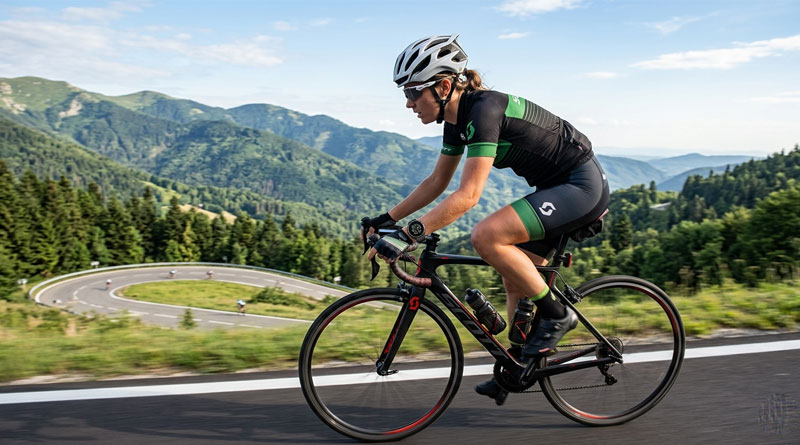
Cycling is more fun when you track your rides. A budget smartwatch helps you do that without spending much. It can record speed, distance, and heart rate. It also shows alerts and keeps you connected on the go. Many cheap models now offer great battery life and strong build quality. You can use them for daily fitness too. Finding the right one can be confusing with so many choices. This guide will help you pick the best budget smartwatch for cycling.
1. Garmin Forerunner 55

- GPS Mode Battery: Up to 20 hours
- Display: Always-on sunlight-visible memory-in-pixel (MIP)
- Special Feature: Bluetooth, PacePro pacing strategy
- Activity Profiles: 15+ built-in profiles including cycling, running, and swimming
The Garmin Forerunner 55 is a purpose-built sports watch that excels in delivering reliable, no-fuss data for cyclists. While marketed as a running watch, its built-in cycling profile and robust GPS tracking make it a solid, budget-friendly companion for road rides. The PacePro feature is a standout, allowing you to plan and execute a pacing strategy for longer efforts or specific routes, a tool rarely found at this price point. It provides the essential metrics like distance, speed, and route mapping with Garmin’s trusted accuracy.
Beyond the ride, the watch offers serious training value. The suggested daily workouts adapt based on your history and recovery, acting as a virtual coach. Wellness features like fitness age and respiration tracking provide a broader health picture. The interface is famously easy to navigate, and the battery life is impressive. However, the display isn’t as vibrant as an AMOLED, and the design is sport-specific rather than stylish for everyday wear.
- Pros: Excellent battery life; Proven, accurate GPS; Helpful PacePro and workout suggestions.
- Cons: Basic, monochrome display; Design is purely sporty
2. Garmin Forerunner 165

- GPS Mode Battery: Up to 19 hours
- Display: Brilliant AMOLED touchscreen with button controls
- Special Feature: Morning Report summary, Incident Detection
- Activity Profiles: 25+ built-in profiles including running and cycling
The Garmin Forerunner 165 brilliantly bridges the gap between a high-performance sports watch and a modern smartwatch, making it a fantastic cycling companion. Its vibrant AMOLED screen is a joy to glance at mid-ride, showing clear data even in sunlight. The built-in GPS tracks your route, pace, and distance with precision, while wrist-based heart rate provides essential effort data. The inclusion of safety features like incident detection adds valuable peace of mind on solo rides.
This watch shines with its adaptive coaching. The daily suggested workouts and Garmin Coach plans help structure your training, whether you’re preparing for an event or just getting fitter. The post-workout analysis is insightful, with Training Effect labels showing the primary benefit of your ride. The Morning Report is a great feature for planning your day’s activity. While it has more smart features than the Forerunner 55, it remains focused on athletic performance rather than trying to do everything.
- Pros: Stunning AMOLED display; Effective adaptive training tools.
- Cons: Battery life shorter than non-AMOLED Garmins; Lacks multi-band GPS for extreme precision.
3. Boquaw Smart Watch

- Screen: 1.43-inch full AMOLED HD touch screen
- Sports Modes: 120+ modes including cycling
- Special Feature: Bluetooth calling, AI voice assistant
- Waterproof Rating: IP68 (rain and splash resistant)
The Boquaw Smart Watch is a feature-packed budget device that offers a lot of smart functionality for the price, with cycling as one of its many supported activities. The 1.43-inch AMOLED screen is vibrant and sharp, making notifications and workout data easy to read. For cycling, it can connect to your phone’s GPS to map your route, and it tracks real-time metrics like heart rate, distance, and calories. The Bluetooth calling feature is convenient for taking calls hands-free while on the go.
This watch functions more as a general health and notification hub than a dedicated sports tool. It provides 24/7 health tracking for heart rate, blood oxygen, and sleep, with a massive library of customizable watch faces. However, cyclists should note that the GPS is not built-in, requiring your phone to be present for route tracking, which can be less convenient and accurate. The health sensor data should be considered estimations rather than medical-grade.
- Pros: Excellent value AMOLED display; Bluetooth calling and voice assistant; Extensive health and sleep tracking.
- Cons: No built-in GPS (uses phone’s GPS); Health metrics are estimations only.
4. Cillso Smart Watch
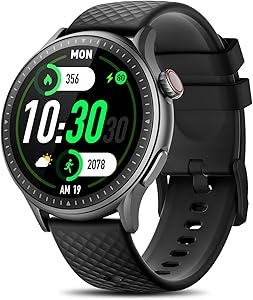
- Screen: 1.46-inch AMOLED HD full touch screen
- Sports Modes: 110+ modes including cycling
- Special Feature: Bluetooth calling, AI assistant
- Waterproof Rating: 3ATM (suitable for swimming)
The Cillso Smart Watch is another strong contender in the budget smartwatch category, offering a large, beautiful AMOLED display and core smart features. For casual cyclists, it covers the basics: it supports cycling within its 110+ sport modes and can track steps, distance, and calories. The 3ATM waterproof rating is a step up from IP68, meaning it can handle swimming, which is a rare find at this price. The ability to make and take calls directly from the watch is a major convenience.
Like similar watches, its focus is broad lifestyle and health tracking rather than deep athletic analysis. It monitors heart rate, sleep, and blood oxygen 24/7, providing data overviews in its companion app. The battery life is advertised as up to 10 days, which is respectable. The key limitation for dedicated cyclists is the lack of built-in GPS; you’ll need your phone for mapping your ride. The accuracy of its health sensors is suitable for general wellness trends, not for precise training.
- Pros: Large, vibrant AMOLED screen; 3ATM waterproof for swimming; Bluetooth calling functionality.
- Cons: No built-in GPS for cycling; Health data is for general insight only; Laps advanced training metrics and analysis.
5. Amazfit Active 2 Smart Watch

- GPS: 5 satellite systems (fast and accurate)
- Battery Life: Up to 10 days typical use
- Special Feature: Free downloadable maps with turn-by-turn navigation
- Water Resistance: 5ATM (50 meters)
The Amazfit Active 2 is a standout smartwatch for cyclists who value navigation and style. Its key feature is free, downloadable maps with turn-by-turn guidance right on your wrist—a game-changer for exploring new routes without constantly checking your phone. The GPS connects quickly and accurately using five different satellite systems, ensuring your ride data is reliable. The bright 1.32″ AMOLED display remains clear in direct sunlight, and the design is stylish enough for daily wear.
Beyond navigation, it offers solid fitness tracking with over 160 sports modes, including dedicated cycling profiles. The BioTracker sensor provides precise heart rate and sleep data, and the battery life easily lasts through multiple long rides. The Zepp app is free with no subscriptions, which is a major plus. While it offers great core features, it lacks the deep training analytics and ecosystem integration (like structured workout support) found in more expensive sports brands.
- Pros: Excellent built-in GPS with free maps; Stylish design with bright display; No subscription fees for core app.
- Cons: Training analysis is less advanced than Garmin; Notifications and smart features can be buggy.
6. Fitbit Versa 4
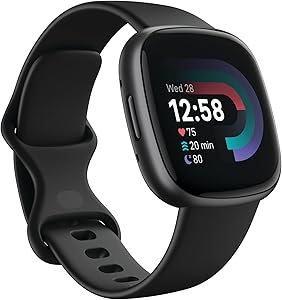
- GPS: Built-in GPS with workout intensity map
- Battery Life: 6+ days
- Special Feature: Daily Readiness Score, Active Zone Minutes
- Water Resistance: Water resistant to 50 meters
The Fitbit Versa 4 is an excellent choice for cyclists deeply invested in overall health and wellness, not just ride metrics. Its built-in GPS accurately maps your route and pace, while the innovative workout intensity map shows where you pushed hardest. The standout feature is the Daily Readiness Score, which uses your sleep, activity, and heart rate data to suggest if you should train hard or focus on recovery—a fantastic tool for managing overall fatigue.
Fitbit’s ecosystem excels in sleep and stress tracking, providing a holistic view of your health. The Versa 4 also includes handy smart features like contactless payments (Fitbit Pay), notifications, and Alexa. However, cyclists should note that the sports tracking is more generalized; it lacks the granular cycling-specific data fields, advanced training metrics, and structured workout support found on dedicated Garmin devices. The included 6-month Premium trial adds guided programs.
- Pros: Excellent holistic health features (Readiness Score, sleep tracking); Built-in GPS and intensity maps.
- Cons: Lacks advanced cycling performance metrics; Less durable, sport-focused design.
7. Garmin Instinct 2
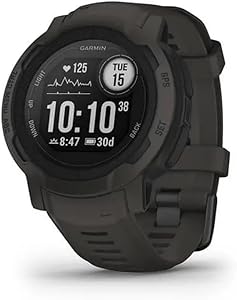
- GPS Mode Battery: Up to 30 hours
- Durability: Water-rated to 100m, thermal & shock resistant (MIL-STD-810)
- Navigation: Built-in 3-axis compass, barometric altimeter, multi-GNSS support
- Battery Life (Smartwatch): Up to 28 days
The Garmin Instinct 2 is the ultimate budget smartwatch for the adventurous cyclist who ventures off-road or into harsh conditions. This rugged tool watch is built to military standards for thermal, shock, and water resistance (100m), meaning it can handle mud, rain, and crashes that would destroy other watches. Its GPS tracking is supremely reliable with multiple satellite system support, and the built-in compass and altimeter are invaluable for navigation in remote areas.
Despite its tough exterior, it doesn’t skimp on features. It tracks all-day health metrics, provides performance monitoring like VO2 Max, and supports a wide range of sports apps. The monochrome memory-in-pixel display is always-on and incredibly easy to read in bright sunlight, and the battery life is phenomenal, lasting for weeks. The trade-off is a lack of touchscreen and a more utilitarian, less sleek design compared to other watches in its price range.
- Pros: Incredibly rugged and durable construction; Outstanding battery life.
- Cons: Monochrome, non-touch display feels basic; Design is bulky and very tactical.
How to Choose Budget Smart Watch for Cycling
Understand What You Need as a Cyclist
Before exploring different models, it is important to know what features matter to you as a cyclist. A cheap smartwatch should still support performance tracking and basic health monitoring.
Define Your Cycling Goals
Ask yourself why you need the watch. Do you want to track casual rides, measure fitness progress, or support long-distance training? Your goals will guide your feature priorities.
Determine Your Usage Frequency
If you cycle daily, pick a durable watch with strong battery life. If you ride occasionally, you can focus on comfort and essential tracking instead of advanced features.
Essential Tracking Features to Look For
A good affordable smartwatch should offer the core features needed for safe and effective cycling.
GPS Accuracy
Accurate GPS is the most important factor. It helps record distance, route, and speed. Built-in GPS performs better than connected GPS, as it tracks your ride directly without relying on your phone.
Heart Rate Monitoring
Cycling intensity changes often. A reliable heart rate sensor helps you measure effort, maintain training zones, and avoid overexertion.
Cycling-Specific Modes
The watch should have a dedicated cycling mode. This ensures better data accuracy for speed, cadence (if supported), and calories burned.
Build Quality and Comfort
Build matters because cycling involves long hours, sweat, and rough movements.
Strap Material
Choose silicone or TPU straps. They are sweat-resistant, flexible, and comfortable during long rides. Avoid leather straps for cycling because they get damaged by sweat.
Weight and Size
A lightweight watch is easier to wear during long rides. Oversized models may feel heavy or slide down your wrist when cycling on bumpy roads.
Durability and Waterproof Rating
Look for watches with at least IP68 or 5ATM water resistance. This keeps the watch safe from sweat and unexpected rain.
Battery Life and Charging Options
Cyclists often ride long distances, so battery backup is crucial.
Long Battery Backup
Choose a smartwatch that offers at least 7–10 days of normal use. More importantly, check GPS battery life. The watch should last at least 5 hours of continuous GPS tracking.
Fast Charging Support
If the watch supports quick charging, it becomes convenient for daily riders. Even a 30-minute top-up can provide enough backup for a training session.
Display Quality and Visibility
Cycling requires quick glances at the screen. A clear display improves safety and usability.
Brightness Levels
Look for adjustable brightness or auto-brightness. The screen must remain visible in sunlight.
Always-On Display (AOD)
Some watches include AOD, which keeps essential information visible. It drains more battery, so choose it only if you truly need it.
Connectivity and Compatibility
Good connectivity ensures smoother tracking and better functionality.
Bluetooth Version
A newer Bluetooth version improves stability during rides. It also helps sync data smoothly.
App Compatibility
Ensure the smartwatch works with common apps like Google Fit, Strava, or proprietary fitness apps. This makes your cycling analytics more detailed and easy to review.
Health and Fitness Monitoring
Even a cheaper watch can support your overall fitness routine.
Sleep Tracking
Quality sleep improves cycling performance. A watch with accurate sleep analysis helps optimize recovery.
Stress and SpO2 Tracking
Basic wellness features make training safer. These tools detect unhealthy stress levels or low oxygen saturation.
Smart Features That Add Value
Extra features are not essential but improve convenience.
Notifications
Calls, messages, and app alerts help you stay connected without taking out your phone.
Music Control
Music controls are useful during rides. Some inexpensive watches even support offline music storage, though it is less common.
Weather Updates
Weather alerts help you plan outdoor rides more safely.
Budget and Brand Reliability
Different brands offer good budget options. But reliability matters more than price alone.
Choose Trusted Brands
Select brands known for fitness accuracy and durable hardware. Well-known companies often provide better after-sales service and regular software updates.
Balance Price with Features
Avoid choosing the cheapest option. Instead, pick the watch that balances build quality, tracking accuracy, and battery life within your budget.
Tips for Making the Final Choice
Making the right decision requires a combination of research and comparison.
Compare Specifications
Create a small list of favorite models. Compare them based on GPS accuracy, battery backup, health tracking, and comfort.
Check User Reviews
User reviews reveal real-world performance. Look for comments about GPS reliability, strap comfort, and long-term durability.
Test Fit if Possible
If you can try the watch in a store, check how it feels on your wrist. Comfort is key during long cycling rides.
Common Mistakes to Avoid
Avoiding these mistakes will help you choose wisely.
Ignoring GPS Quality
Some budget watches have weak GPS signals. Always prioritize good GPS performance over fancy features.
Choosing Style Over Function
A stylish watch may look good, but accuracy and durability matter more for cyclists.
Overlooking Battery Life
A watch that dies mid-ride provides incomplete data. Always choose long battery backup.
Final Checklist Before Buying
Use this quick checklist to make your final decision:
-
Does it have accurate built-in GPS?
-
Is the battery life strong for long rides?
-
Is the strap comfortable and sweat-friendly?
-
Does the watch support cycling tracking?
-
Is the display easy to read in bright sunlight?
-
Is it durable and water-resistant?
-
Does it sync well with your preferred fitness app?
Conclusion
Choosing the cheapest smartwatch for cycling becomes easy when you understand your needs and compare the right features. Focus on GPS accuracy, battery life, comfort, and cycling-specific tracking. Avoid unnecessary features that increase price without adding real value to your rides. A good watch should help you ride smarter, track progress accurately, and stay motivated without breaking your budget. By following this guide, you will be able to find a reliable smartwatch that supports your cycling journey and helps you perform better on every ride.